
- October 29, 2025
- Posted by: feinuojixie
- Category: Injection Molding News
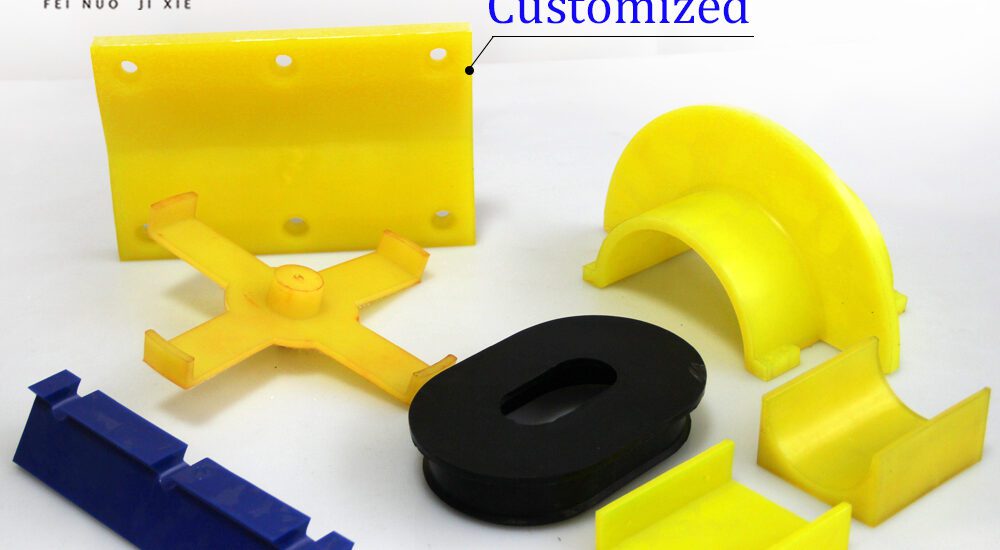
Behind every perfectly shaped plastic product—from car dashboards to smartphone housings—lies a hidden masterpiece of engineering: the injection molding mold part. These precision tools are the silent enablers of modern manufacturing, transforming molten polymers into complex geometries with astonishing accuracy and repeatability. Although often overlooked, they embody the intersection of science, creativity, and craftsmanship that defines engineering excellence.
The creation of an injection molding mold part is far from a simple mechanical task. It requires deep expertise in thermodynamics, material behavior, mechanical design, and manufacturing processes. Each mold must be engineered to withstand thousands—or even millions—of production cycles while maintaining perfect dimensional consistency. In short, they are the foundation upon which global production efficiency is built.
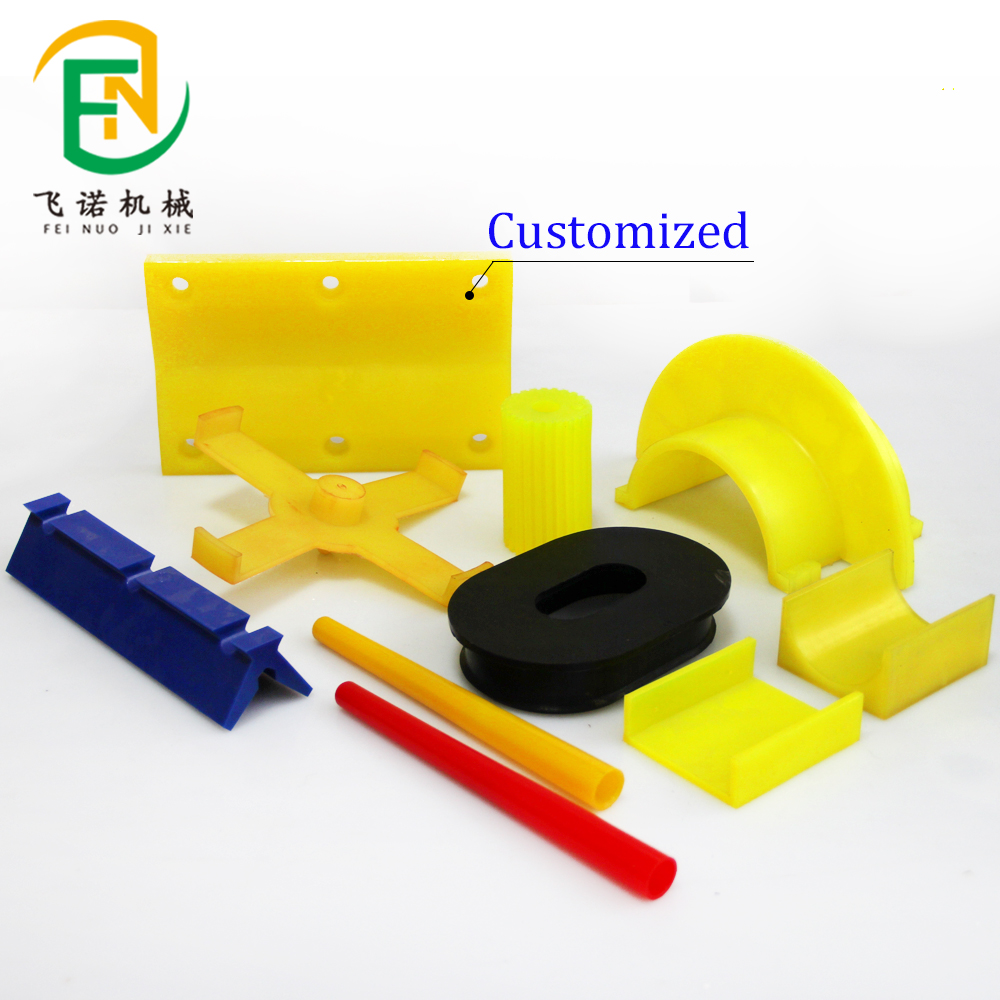
The Core of Modern Manufacturing: Why Injection Molding Mold Parts Matter
Injection molding mold parts are the unsung heroes of modern industry. From the sleek dashboard in your car to the durable housing of your laptop, they are responsible for creating the shapes and structures that define our everyday products. What makes them indispensable is their ability to produce identical parts with remarkable precision, even at extremely high volumes.
For manufacturers, the consistency achieved through high-quality injection molding mold parts is invaluable. Every cavity, gate, and channel is carefully designed to ensure even flow and cooling, which means each product meets exact specifications. This precision not only reduces waste but also enhances production efficiency. Without well-engineered mold parts, the entire manufacturing process would be slower, costlier, and far less reliable.
In essence, injection molding mold parts act as the backbone of mass production—turning complex designs into tangible, functional components at a scale and speed that no other process can match.
Precision Engineering: The Foundation of Quality Injection Molding Mold Parts
At the heart of every successful mold lies meticulous engineering. Precision is not a luxury—it is a necessity. The smallest error in cavity alignment or tolerance can lead to costly production issues such as flash, deformation, or dimensional inconsistency. Engineers work with micrometer-level accuracy to ensure each mold component fits perfectly and performs flawlessly under extreme pressure and heat.
Designers also rely on geometric dimensioning and tolerance (GD&T) to maintain exact relationships between parts. Computer-aided design (CAD) and computer-aided manufacturing (CAM) tools make it possible to achieve these high standards, while CNC machining and EDM (Electrical Discharge Machining) bring those virtual designs to life with pinpoint accuracy.
Ultimately, precision engineering ensures that every injection molding mold part operates seamlessly—creating perfect products, cycle after cycle.
From Concept to CAD: The Design Journey of Injection Molding Mold Parts
Every mold begins as an idea—an engineer’s vision of how molten plastic will transform into a specific shape. The process starts with CAD modeling, where the product design is analyzed to determine the best parting line, gate location, and ejection system. Engineers must consider both the aesthetic and functional aspects of the final product while optimizing manufacturability.
Collaboration is key during this stage. Product designers, toolmakers, and manufacturing engineers work together to ensure that every design decision aligns with production needs. Factors like wall thickness, draft angles, and shrinkage rates are meticulously calculated to prevent defects and ensure smooth production.
Once the digital model is finalized, it serves as the blueprint for every subsequent step—from machining and assembly to final mold testing.
Material Matters: Choosing the Right Steel and Components for Mold Durability
The materials used in injection molding mold parts directly influence their strength, wear resistance, and longevity. Engineers often select premium tool steels like H13, P20, or S136 for their excellent hardness, thermal stability, and polishability. These materials can endure thousands of molding cycles without deformation or corrosion.
Beyond the steel itself, surface coatings such as nitriding or chrome plating can further enhance durability by reducing friction and preventing plastic adhesion. Even seemingly minor components—like ejector pins, guide bushings, and springs—are carefully chosen for their performance and compatibility.
Every material decision reflects a balance between cost, durability, and processing needs. The right choice ensures the mold remains reliable even under the most demanding production conditions.
Cooling, Ejection, and Flow: The Engineering Systems That Make It Work
Inside an injection mold, every system has a vital role. The cooling system, for example, regulates temperature to solidify the molten plastic uniformly, preventing warping and surface defects. Engineers design intricate cooling channels that maximize thermal efficiency while minimizing cycle times.
The ejection system is equally crucial. After each cycle, ejector pins or plates must push the cooled part out of the mold gently yet effectively. Poorly designed ejection can lead to scratches or deformation, ruining otherwise perfect parts.
Flow design, too, requires mastery. The placement of gates and runners determines how molten plastic travels through the cavity. Engineers use fluid dynamics principles to ensure that material fills the mold evenly, avoiding air traps or incomplete fills. Together, these systems form the backbone of every efficient mold operation.
The Role of Advanced Simulation and Analysis in Mold Design
In today’s digital manufacturing world, simulation tools play a critical role in designing injection molding mold parts. Programs like Autodesk Moldflow, Siemens NX, or SolidWorks Plastics allow engineers to visualize plastic flow behavior before the mold is even built.
These simulations predict potential defects such as sink marks, weld lines, or uneven cooling. Engineers can then modify gate positions, adjust wall thicknesses, or refine cooling layouts to prevent such issues. This virtual testing process not only saves time and cost but also ensures that the final mold performs perfectly from the first production run.
By integrating simulation and analysis, modern mold design transforms from trial-and-error to data-driven precision engineering.
Automation and Smart Manufacturing in Injection Molding Mold Parts
The rise of Industry 4.0 has revolutionized how molds are designed, built, and maintained. Today’s injection molding mold parts often incorporate sensors that monitor temperature, pressure, and wear in real time. This data is then analyzed to predict maintenance needs and optimize production parameters automatically.
Automation also extends to mold making itself. CNC machines, robotic arms, and high-speed milling centers work in harmony to produce intricate components with unmatched speed and accuracy. Combined with digital twin technology, manufacturers can now create, test, and refine molds in a virtual environment before cutting a single piece of metal.
The result is a smarter, faster, and more efficient manufacturing process—where precision and productivity coexist seamlessly.
Common Engineering Challenges and How Experts Overcome Them
Even the most advanced injection molding mold parts face engineering challenges. Warping, short shots, flash, and sink marks are common issues that can compromise part quality. However, experienced engineers employ a range of strategies to overcome these problems.
For instance, warping can be minimized by optimizing cooling channel layouts to ensure even temperature distribution. Short shots can be solved by adjusting gate size or injection speed to improve material flow. Meanwhile, advanced surface finishes and coatings help reduce friction and extend tool life.
Each challenge becomes an opportunity for innovation, pushing engineers to refine designs and processes further. Through constant problem-solving, mold experts continuously elevate the standard of manufacturing excellence.
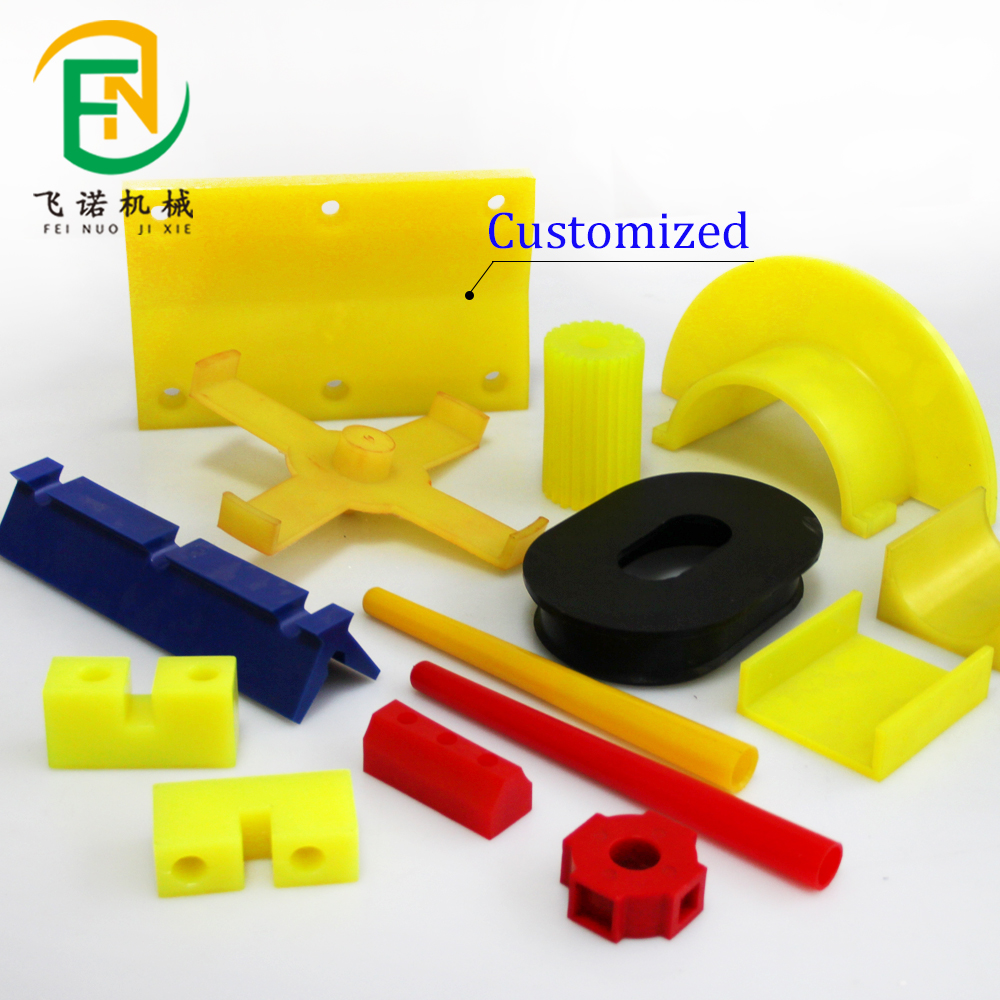
The Future of Engineering in Injection Molding Mold Parts
The future of injection molding mold parts is shaped by innovation. Additive manufacturing (3D printing) is enabling the creation of complex cooling channels that were once impossible to machine conventionally. AI-assisted design tools are helping engineers predict mold performance with incredible accuracy, while sustainable materials are driving the development of eco-friendly mold solutions.
Hybrid molds that combine metal and composite structures are emerging, offering new possibilities for weight reduction and faster heat transfer. As technology continues to evolve, the boundary between design and manufacturing grows ever thinner—transforming molds into intelligent, self-optimizing systems.
Tomorrow’s molds will not only shape plastic—they will reshape the very future of production.
The True Art of Engineering Precision in Injection Molding Mold Parts
Injection molding mold parts represent far more than mechanical components—they are the culmination of human ingenuity, technical mastery, and relentless pursuit of perfection. Each mold embodies the fusion of art and science, turning abstract designs into tangible realities that power our modern world.
From the first CAD sketch to the final product, every step in mold engineering reflects an extraordinary level of precision and dedication. As innovation continues to accelerate, these remarkable creations will remain at the heart of global manufacturing—silently shaping the products, tools, and technologies that define our lives.