
- October 30, 2025
- Posted by: feinuojixie
- Category: Injection Molding News
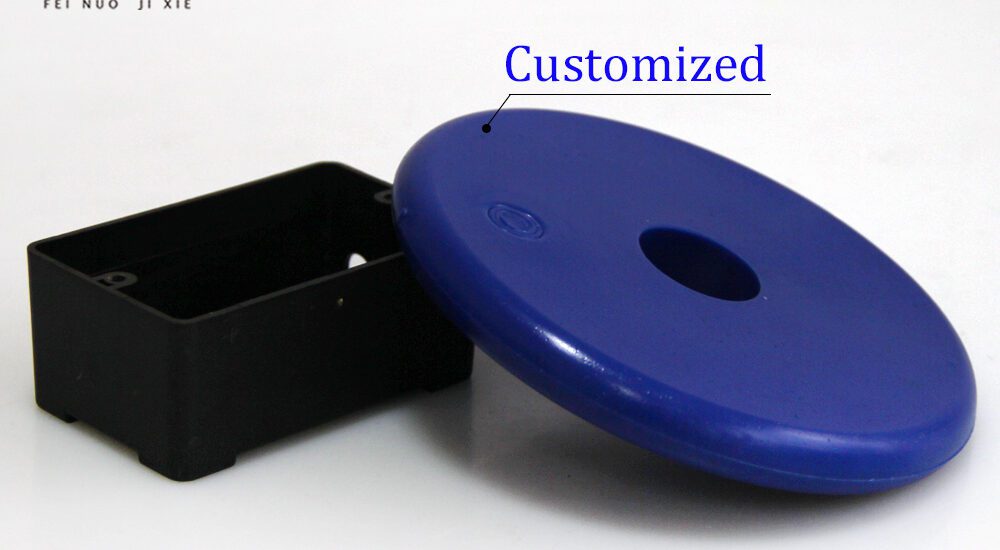
Injection molding mold parts form the backbone of one of the most widely used manufacturing methods in the modern world. These precision-engineered components determine how plastic material is shaped, cooled, and ejected—directly influencing the quality and performance of the final product. From automotive components to medical devices and consumer electronics, nearly every plastic product relies on well-designed mold parts to achieve consistent results. Understanding how these parts are made, what materials they use, and how they perform is essential for manufacturers seeking to optimize production efficiency and product durability.
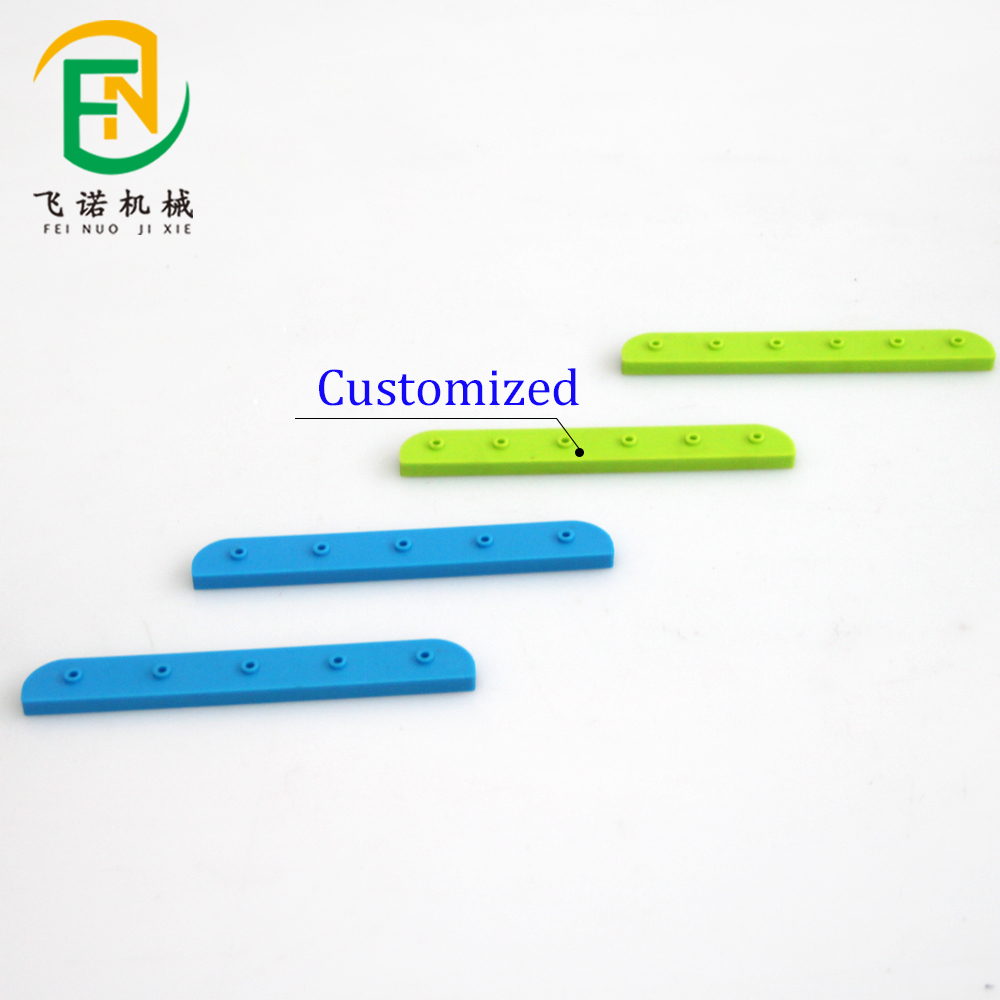
What Are Injection Molding Mold Parts?
Injection molding mold parts are the individual components that together form the complete mold used in the injection molding process. Each part plays a specific role in shaping, cooling, and ejecting the molded product. The mold base provides the structural foundation that holds all other components in alignment. The cavity and core define the outer and inner shapes of the molded part. The ejector system ensures the finished product is released cleanly from the mold without damage. Cooling channels control temperature uniformity during molding, while the runner system directs molten plastic into the cavities. Each of these elements must work in perfect harmony to produce high-quality parts with tight tolerances and flawless finishes.
Materials Used in Injection Molding Mold Parts
The performance and lifespan of injection molding mold parts depend heavily on the materials from which they are made. Tool steels, such as P20, H13, and S7, are widely used for their balance of hardness, toughness, and machinability. Stainless steel is chosen when corrosion resistance and high polishability are priorities, such as for medical or optical applications. Aluminum molds are popular for low-volume or prototype runs due to their lightweight and cost efficiency, though they wear faster under high production conditions. Beryllium copper, known for its superior thermal conductivity, is often used in cooling inserts to accelerate cycle times and improve part uniformity. Selecting the right material involves balancing production volume, desired surface finish, and cost considerations.
The Manufacturing Process of Injection Molding Mold Parts
Creating high-quality injection molding mold parts requires precision and meticulous control throughout the manufacturing process. It begins with computer-aided design (CAD), where engineers develop detailed models that define the geometry and function of each mold component. Next comes CNC machining and EDM (electrical discharge machining), which bring the design to life with micron-level accuracy. Heat treatment follows, enhancing hardness and wear resistance. Afterward, grinding, polishing, and assembly ensure each part fits perfectly and achieves the required surface finish. Every stage is closely monitored to maintain dimensional accuracy and performance consistency. The result is a mold that can produce thousands or even millions of identical parts with precision.
How Mold Design Affects Injection Molding Performance
The design of injection molding mold parts directly influences the performance and efficiency of the molding process. For example, the cooling system layout determines how quickly and evenly the plastic solidifies, affecting cycle time and product quality. Gating and runner design impact material flow, minimizing air traps and weld lines. The parting line placement can influence both aesthetics and structural strength. Even small design flaws can lead to defects like warping, sink marks, or short shots. Therefore, experienced mold designers use advanced simulation tools to predict and optimize material flow, cooling, and stress distribution before machining begins.
Performance Factors: What Makes High-Quality Injection Molding Mold Parts
High-quality injection molding mold parts exhibit a balance of durability, precision, and efficiency. Dimensional accuracy ensures that molded parts meet specifications without the need for secondary finishing. Wear resistance prevents surface degradation under repeated use. Thermal balance allows consistent temperature control across all cavities, avoiding quality variations. Ease of maintenance also plays a crucial role—molds designed for quick disassembly and cleaning minimize downtime. In essence, superior mold parts contribute to longer tool life, lower production costs, and better overall part quality.
Common Challenges in Making Injection Molding Mold Parts
Despite advancements in technology, manufacturing injection molding mold parts still presents challenges. Thermal fatigue can occur from repeated heating and cooling cycles, leading to cracks and dimensional changes. Corrosion from certain resins or cooling fluids can deteriorate metal surfaces. Uneven cooling might cause warpage or shrinkage in molded parts. To overcome these problems, manufacturers apply surface treatments like nitriding or coating, use optimized cooling channel layouts, and implement regular maintenance schedules. Continuous monitoring and preventive maintenance ensure long-term reliability and reduce costly downtime.
The Role of Precision and Technology in Modern Injection Molding Mold Parts
Today’s injection molding mold parts benefit from cutting-edge technologies that enhance accuracy and efficiency. High-speed CNC machining allows for complex geometries with unmatched precision. EDM can create intricate shapes and fine details in hardened materials. 3D scanning and digital inspection ensure that finished parts match design specifications within microns. Furthermore, mold flow simulation software helps engineers predict how molten plastic will behave during injection, reducing trial-and-error adjustments. These innovations not only improve product quality but also accelerate time to market, a crucial advantage in competitive industries.
Improving Efficiency and Longevity of Injection Molding Mold Parts
Maximizing the efficiency and lifespan of injection molding mold parts depends on proper operation and maintenance. Regular cleaning and lubrication prevent buildup of residues that could damage surfaces or affect product dimensions. Temperature management helps avoid thermal shock and distortion. Proper alignment checks ensure all moving parts operate smoothly, reducing mechanical wear. Using protective coatings such as PVD or chrome plating further enhances surface hardness and corrosion resistance. A well-maintained mold not only performs better but also saves significant costs over its lifetime by reducing repairs and downtime.
Future Trends in Injection Molding Mold Parts
The future of injection molding mold parts is being shaped by innovation and sustainability. Additive manufacturing (3D printing) is increasingly used to produce complex conformal cooling channels that improve temperature control and reduce cycle times. Hybrid molds, combining steel and printed inserts, enable lighter and more efficient designs. Smart molds equipped with sensors can monitor temperature, pressure, and cycle performance in real time, improving process optimization. Additionally, the industry is exploring eco-friendly materials and energy-efficient production methods to reduce environmental impact while maintaining high performance.
Why Understanding Injection Molding Mold Parts Matters
Injection molding mold parts are far more than simple mechanical components—they are the foundation of consistent, efficient, and high-quality plastic production. Understanding their materials, design principles, and performance factors allows manufacturers to make smarter decisions that enhance product reliability and reduce costs. As technology advances, mold parts continue to evolve, offering new possibilities for precision, speed, and sustainability. For anyone involved in product design or manufacturing, mastering the fundamentals of injection molding mold parts is key to unlocking the full potential of modern production.
You can contact your account manager directly or submit a business inquiry online.