
- October 30, 2025
- Posted by: feinuojixie
- Category: Injection Molding News
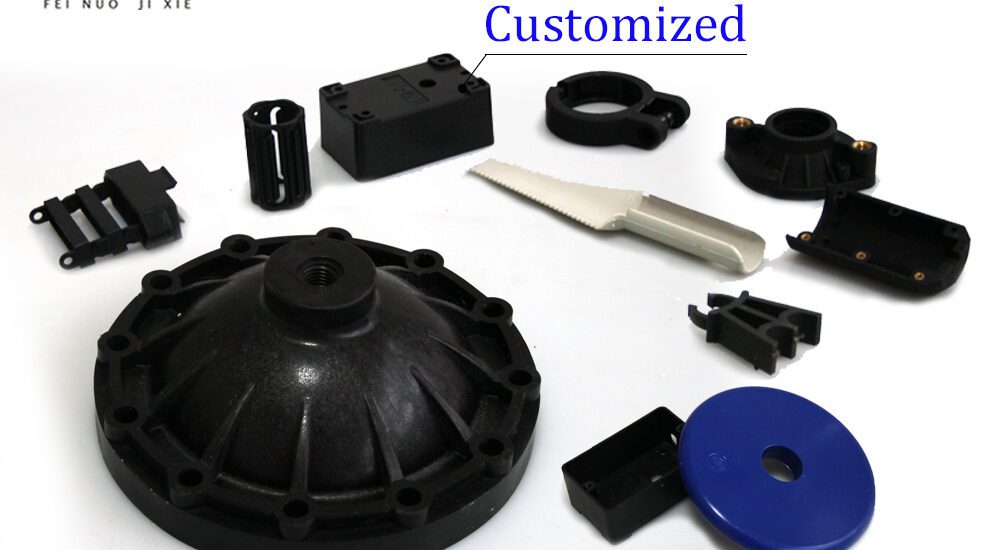
Selecting the right supplier for your injection molding mold parts is one of the most critical decisions you can make in any manufacturing project. The precision, reliability, and quality of these mold parts directly influence your production efficiency, product consistency, and even brand reputation. A well-chosen supplier can help you optimize design, reduce waste, and ensure every part meets exacting standards. On the other hand, a poor choice can lead to production delays, defects, and costly rework. In a competitive manufacturing landscape, finding a supplier who understands your needs and delivers long-term value is not just beneficial—it’s essential.
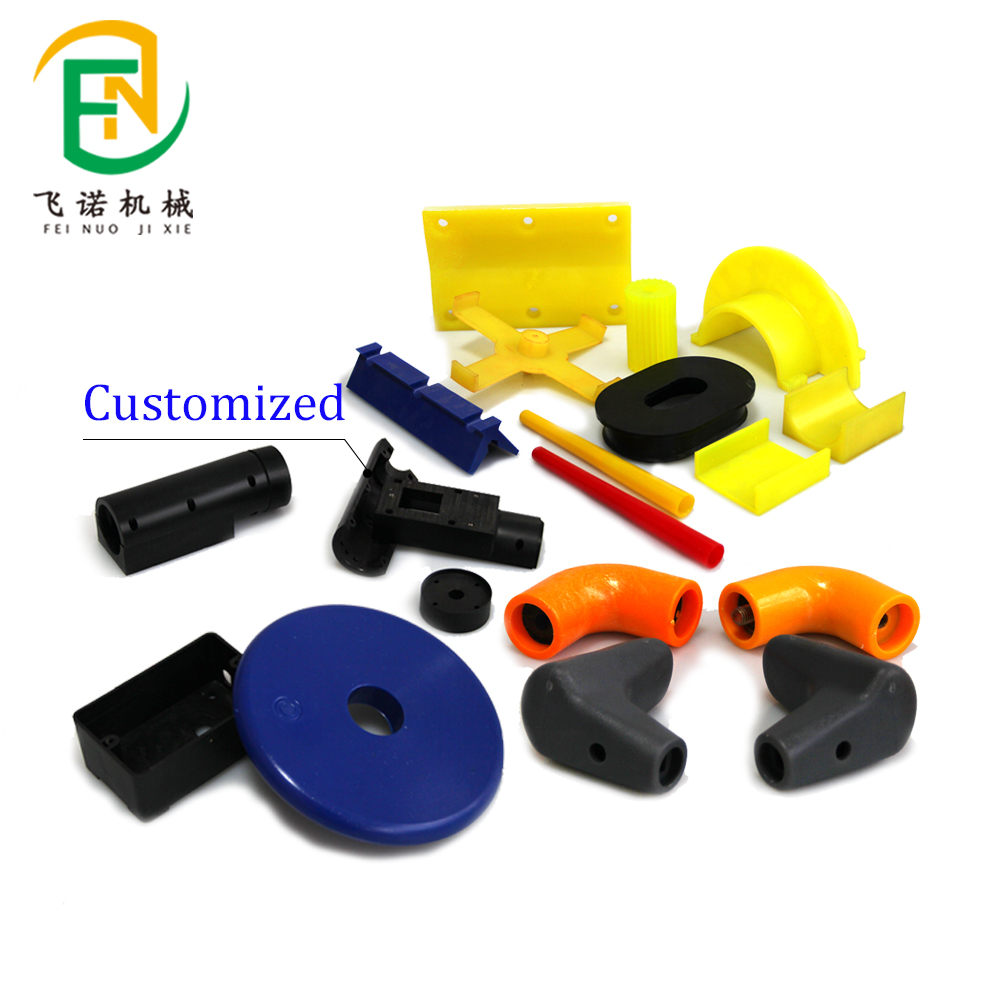
Understanding the Role of Injection Molding Mold Parts in Manufacturing
Injection molding mold parts are the backbone of modern plastic manufacturing. These components—such as cores, cavities, ejector pins, and sliders—define the shape, precision, and quality of every molded product. When designed and manufactured correctly, mold parts ensure consistent cycle times, dimensional accuracy, and surface finish. Even the slightest imperfection in a mold component can cause visible defects or functional issues in the final product. That’s why selecting a supplier with a deep understanding of tooling precision, material behavior, and process optimization is crucial. A strong supplier doesn’t just deliver parts; they provide solutions that enhance your production performance.
Key Qualities of a Reliable Injection Molding Mold Parts Supplier
The best suppliers share several defining characteristics. First, they possess extensive experience and technical knowledge of mold design and manufacturing. They understand how mold parts interact within the injection system and how to achieve the desired tolerances. Second, they maintain advanced quality control measures, ensuring every part meets tight specifications. Finally, reliability is key—trustworthy suppliers deliver consistent quality, on time, and with clear communication. When evaluating potential partners, look for evidence of long-term client relationships, testimonials, and a proven track record in the injection molding industry.
Evaluating the Supplier’s Technical Expertise and Equipment
Technical capability is one of the strongest indicators of a competent supplier. Modern injection molding demands precision, and that requires up-to-date machinery such as high-speed CNC milling, EDM, and wire cutting systems. A skilled supplier will also employ advanced CAD/CAM software and simulation tools to optimize mold part design before production begins. In addition, their engineering team should have the expertise to advise on design modifications that improve efficiency or reduce cost. A supplier’s technical infrastructure directly affects the accuracy, durability, and consistency of your mold components—making it a factor that should never be overlooked.
Material Selection and Its Impact on Mold Performance
Different molding applications require different materials, and a qualified supplier should be well-versed in material selection. The right material can extend mold life, improve part quality, and reduce maintenance needs. For instance, hardened tool steel might be ideal for high-volume runs, while aluminum could suit short-run or prototype molds due to its lighter weight and faster machining time. A knowledgeable supplier will recommend materials based on your specific production conditions—temperature, pressure, resin type, and part complexity. Their understanding of metallurgical properties is a key factor in ensuring consistent mold performance and longevity.
Quality Assurance and Certification Standards You Should Expect
Quality assurance is the foundation of a reliable supplier relationship. Look for suppliers who follow recognized quality management systems such as ISO 9001 or IATF 16949. These certifications demonstrate a commitment to process control, documentation, and continuous improvement. In addition to certifications, the supplier should perform detailed inspections using tools like coordinate measuring machines (CMMs) and surface finish analyzers. A clear quality control process—covering raw materials, production, and final inspection—ensures that each injection molding mold part meets your precise requirements. Transparent reporting and traceability add further confidence to your sourcing decision.
Communication and Collaboration: The Hidden Factor of Success
Strong communication often determines the success or failure of a manufacturing partnership. The right supplier doesn’t just take orders; they collaborate with you throughout the project. They provide timely updates, clarify specifications, and proactively address potential issues before they become problems. This level of collaboration is especially important in complex mold designs, where small misunderstandings can lead to significant delays. A responsive and transparent supplier becomes an extension of your team—helping you achieve smoother project execution and better final results.
Cost vs. Value: Avoiding the Cheapest Option Trap
Price is an important consideration, but focusing solely on the lowest cost can lead to greater expenses later. Suppliers offering the cheapest quotes may cut corners on materials, machining tolerances, or quality checks. The result could be molds that wear out quickly, cause production downtime, or produce defective parts. Instead, assess value—what you get in terms of quality, service, support, and long-term reliability. A slightly higher upfront cost for a dependable supplier often translates to significant savings in maintenance, repairs, and consistent output over time.
Lead Time and Production Capacity Considerations
Time-to-market is a major factor in today’s competitive industries. A capable supplier should have the production capacity and scheduling flexibility to meet your deadlines. Efficient project management, streamlined workflows, and adequate staffing are signs of a supplier who can deliver on time. When evaluating potential partners, ask about their average lead times, rush-order capabilities, and contingency plans for high-demand periods. A supplier with strong production capacity ensures your mold parts are delivered when you need them—keeping your manufacturing schedule on track.
Case Studies: Signs of a Supplier You Can Trust
Trustworthy suppliers consistently demonstrate their capabilities through successful projects and satisfied clients. For example, a reliable injection molding mold parts supplier might showcase case studies where they helped a client reduce cycle time by optimizing core and cavity design, or improved product quality through better cooling channel integration. Look for documented examples that highlight measurable results, such as improved mold life, reduced scrap rates, or faster delivery times. These success stories offer a glimpse into the supplier’s ability to deliver real-world value.
Red Flags to Watch Out for When Selecting a Supplier
Not all suppliers deliver what they promise. Be cautious of those who are slow to respond, provide vague quotations, or avoid detailed discussions about quality standards. A lack of documentation or reluctance to share inspection reports is another major warning sign. Similarly, suppliers who frequently miss deadlines or fail to offer after-sales support may cause future headaches. Trust your instincts—if a supplier’s communication or professionalism seems lacking during the quotation phase, it’s likely to continue once production begins.
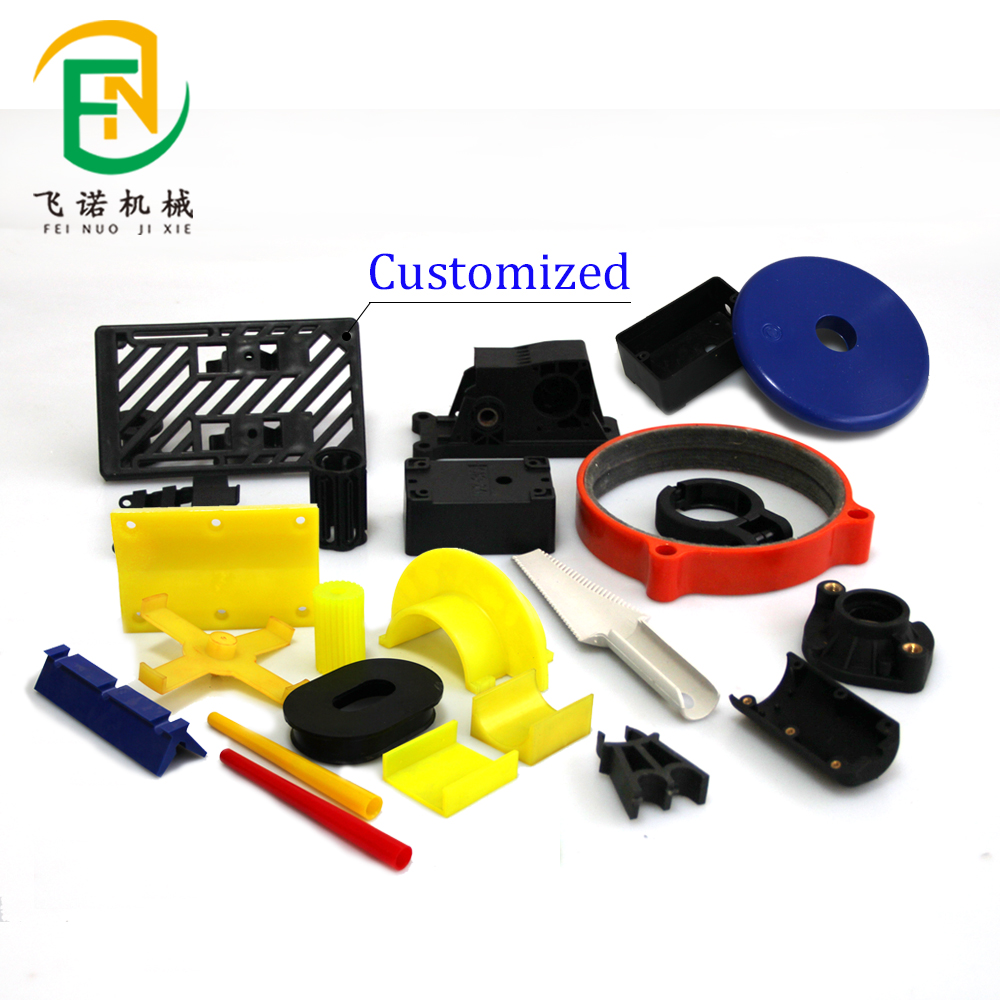
Building Long-Term Partnerships for Continuous Improvement
The best supplier relationships go beyond one-time transactions. When you find a supplier who consistently delivers quality, reliability, and innovation, it’s worth building a long-term partnership. Such collaboration allows both parties to understand each other’s expectations, streamline processes, and pursue continuous improvement together. Over time, a strong partnership can lead to better product development, faster problem-solving, and mutual growth. Investing in long-term trust pays off in improved performance and competitive advantage.
Making the Smart Choice for Your Injection Molding Mold Parts
Choosing the right supplier for your injection molding mold parts is a strategic decision that affects every stage of production—from design to delivery. A dependable supplier offers more than just precision parts; they bring expertise, consistency, and partnership to your operation. By focusing on technical capability, quality assurance, communication, and value, you can confidently select a supplier who supports your long-term manufacturing goals. In an industry where precision defines success, the right supplier isn’t just a vendor—they’re your key to building better, faster, and smarter.