
- November 3, 2025
- Posted by: feinuojixie
- Category: Injection Molding News
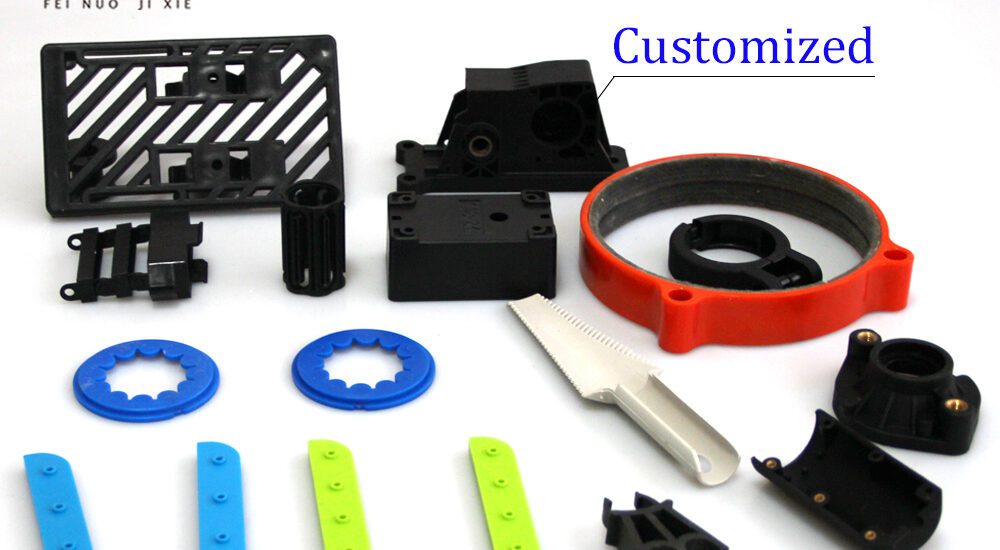
When it comes to manufacturing, every decision can affect your bottom line — and few choices are as impactful as selecting the right plastic injection molding part. Many companies focus only on the upfront cost of parts without realizing that a poorly designed or low-quality component can lead to significant downstream expenses. From increased production downtime to higher defect rates, these hidden costs can quietly eat into profit margins.
Understanding the role that each plastic injection molding part plays in the overall production process is the first step toward achieving both quality and cost efficiency. By making strategic decisions about design, materials, and suppliers, businesses can not only enhance performance but also save substantial amounts of money over time.
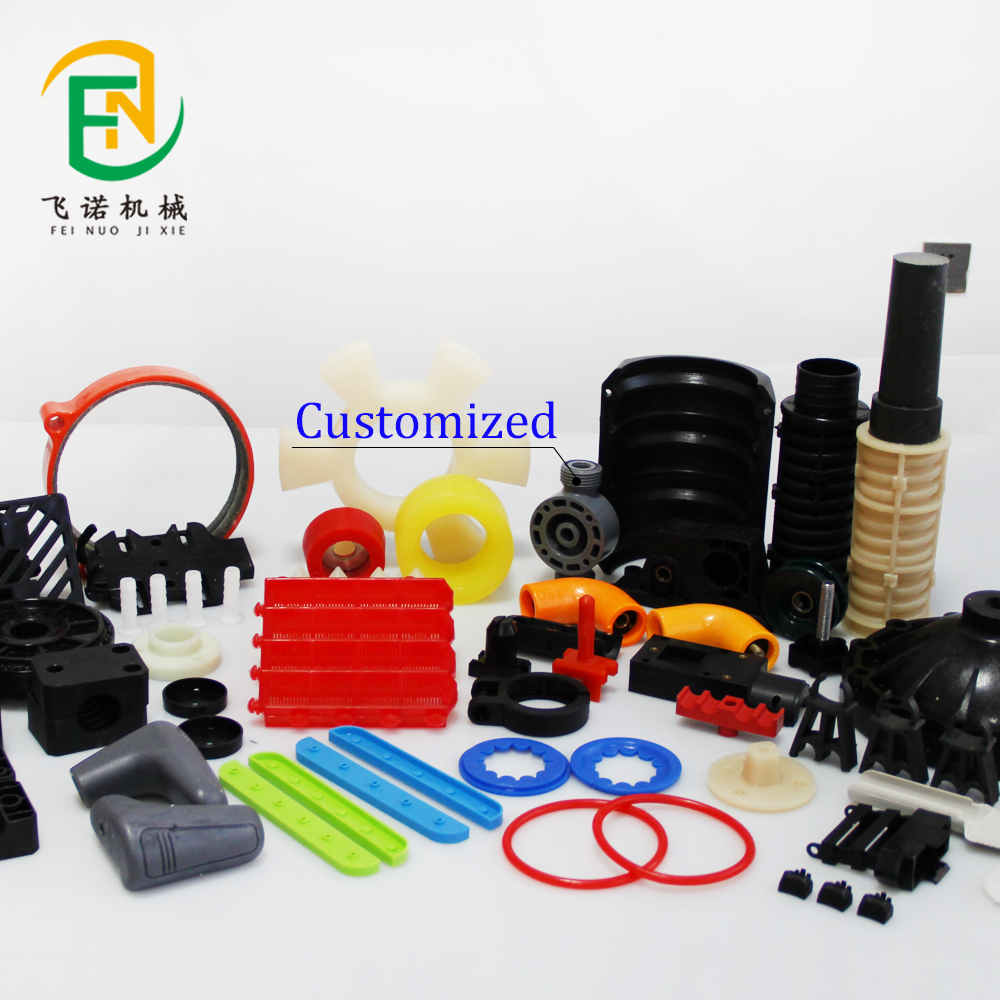
Understanding the Role of Plastic Injection Molding Part in Cost Management
Every plastic injection molding part in a manufacturing system contributes to the overall efficiency and cost-effectiveness of production. A well-designed part ensures smooth assembly, consistent product quality, and minimal material waste. On the other hand, an ill-fitting or poorly manufactured part can cause misalignment, slower cycle times, or even machine wear.
Cost management begins at the design and prototyping stage. By prioritizing precision in the mold and material compatibility, manufacturers can avoid costly adjustments later in production. Choosing the right plastic injection molding part also improves operational flow, as consistent tolerances and predictable behavior help reduce downtime and rework. Over the long term, these savings accumulate and lead to significant financial advantages for the business.
Material Matters: Choosing the Right Resin for Your Plastic Injection Molding Part
Material selection is one of the most influential decisions when it comes to the performance and cost of plastic injection molding part. The type of resin used determines the part’s strength, flexibility, chemical resistance, and overall lifespan. While cheaper materials might seem appealing initially, they can result in poor durability or premature failure, leading to replacement costs and quality issues.
For instance, ABS is often chosen for its balance of toughness and affordability, making it ideal for consumer products. Polypropylene offers excellent resistance to fatigue and chemicals, suitable for automotive or medical components. Polycarbonate, though more expensive, provides superior impact resistance and clarity, ideal for high-performance applications. By aligning material properties with product requirements, manufacturers can minimize waste, reduce defects, and enhance long-term cost savings.
Design Efficiency: How Smart Engineering Lowers Production Costs
Design efficiency is a powerful tool in reducing manufacturing expenses without compromising quality. A thoughtfully engineered plastic injection molding part can shorten cycle times, reduce material use, and simplify mold construction. For example, optimizing wall thickness ensures consistent cooling, preventing warping or sink marks while cutting down on resin consumption.
Incorporating appropriate draft angles allows for easier ejection from molds, reducing wear and tear on equipment and minimizing labor costs. Additionally, mold flow analysis software can simulate how plastic will fill the mold cavity, helping designers identify potential defects before production even begins. Investing in intelligent design early on can lead to significant long-term savings by ensuring every part performs optimally from the first shot.
Quality Over Quantity: Avoiding Cheap Plastic Injection Molding Part That Cost More Later
It’s a common misconception that choosing the cheapest supplier automatically saves money. In reality, low-cost plastic injection molding part often comes with hidden expenses—higher defect rates, more frequent machine maintenance, and inconsistent product performance. These issues can disrupt production schedules and damage brand reputation.
High-quality parts, while slightly more expensive upfront, deliver better consistency and reliability. Manufacturers who implement rigorous quality control measures—such as dimensional inspection, material testing, and cycle validation—reduce the risk of costly production delays. Over time, the investment in quality ensures smoother operations, fewer returns, and a stronger competitive advantage in the marketplace.
Partnering with the Right Manufacturer: Your Key to Long-Term Savings
Choosing the right manufacturing partner is just as critical as selecting the right design or material. A dependable supplier not only delivers precision-made plastic injection molding part but also offers expert insights that can further optimize production. Look for manufacturers who utilize advanced machinery, maintain strict quality standards, and have a track record of successful long-term partnerships.
An experienced team can help identify potential design improvements, recommend better materials, or streamline tooling processes to reduce waste. Partnering with a trusted manufacturer means you gain more than just a supplier—you gain a strategic ally dedicated to helping your business save time and money throughout the product lifecycle.
Real-World Example: How a Small Design Change Reduced Costs by 25%
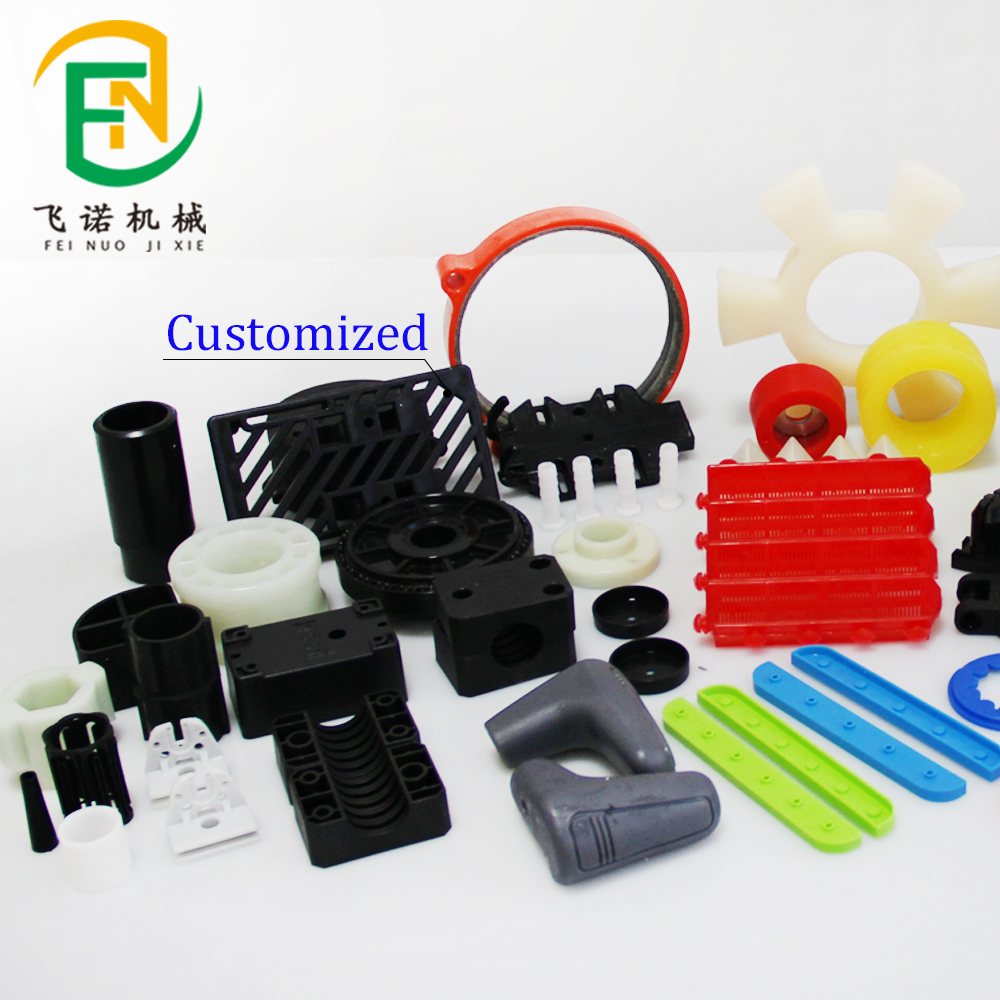
Consider a company producing large plastic housings for an industrial appliance. Initially, their plastic injection molding part design featured unnecessary thickness in certain areas, leading to long cooling times and higher resin use. By consulting with an expert manufacturer, they adjusted the design to include thinner, evenly distributed walls and optimized flow channels.
The result was remarkable: production cycle time decreased by 18%, material waste dropped significantly, and overall costs were reduced by nearly 25%. This case highlights how minor design improvements, when supported by expert guidance, can yield major financial benefits. Such examples reinforce the importance of choosing the right plastic injection molding part and the right partners to manufacture them.
Smart Choices Today Lead to Sustainable Savings Tomorrow
Saving money in manufacturing isn’t just about cutting corners—it’s about making smarter, more strategic choices. The right plastic injection molding part can improve performance, reduce defects, and extend the lifespan of both products and equipment. Every decision—from material selection to design optimization and supplier partnership—contributes to long-term profitability.
When businesses treat part selection as an investment rather than an expense, they position themselves for sustainable success. By prioritizing quality, efficiency, and collaboration, manufacturers can unlock the true cost-saving potential of plastic injection molding and achieve lasting value in their operations.