
- November 3, 2025
- Posted by: feinuojixie
- Category: Injection Molding News
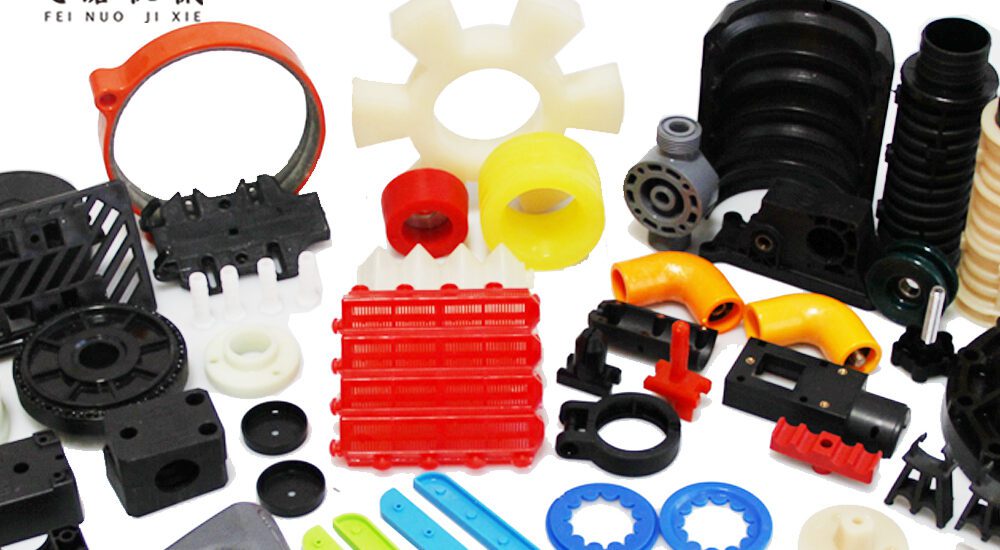
Every product you hold, from a smartphone casing to a car dashboard, likely owes its shape and strength to a single, unseen hero—the plastic injection molding part. While most people take these components for granted, each one undergoes a complex and fascinating journey before it reaches the final product. Behind its smooth surface lies a blend of science, engineering, and creativity that transforms simple plastic pellets into precise, durable, and functional parts. Understanding this journey offers a glimpse into how modern manufacturing delivers the reliable, cost-effective products that power our daily lives.
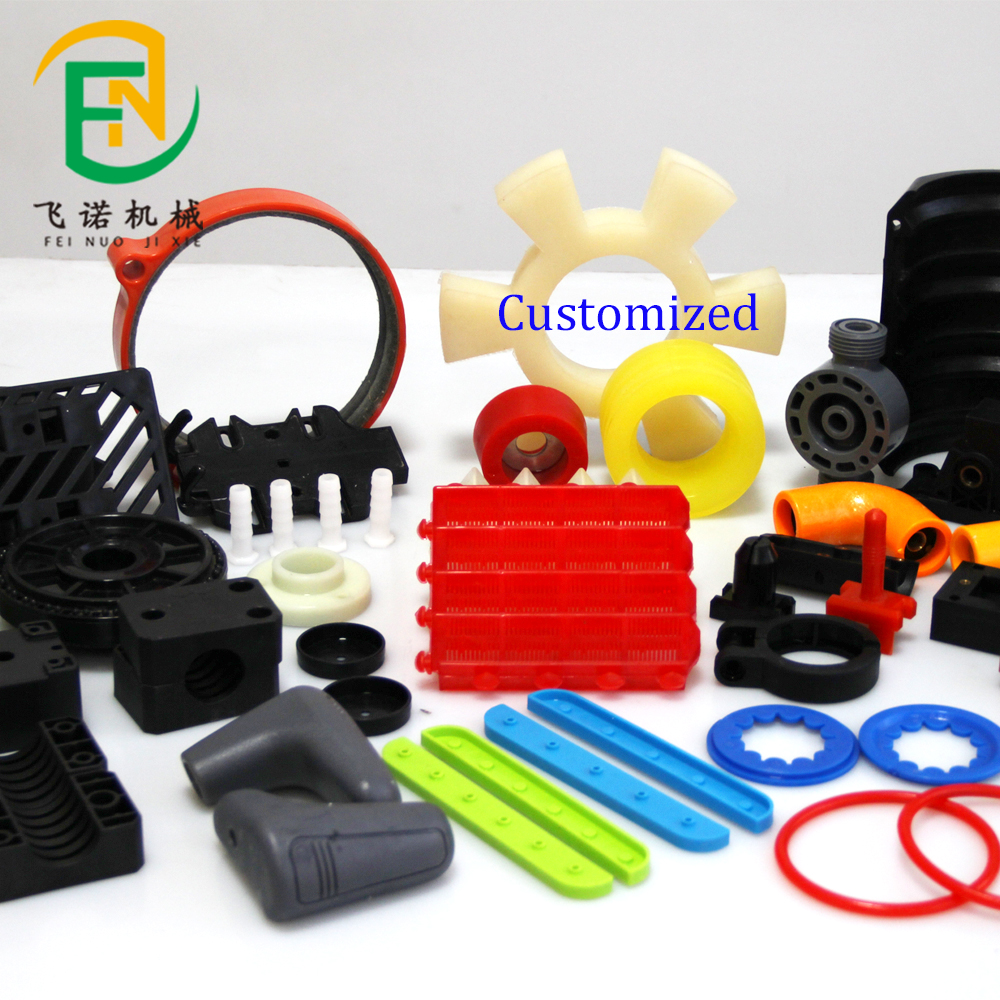
Understanding Plastic Injection Molding Part: The Foundation of Modern Manufacturing
At its core, a plastic injection molding part is a component formed by injecting molten plastic into a carefully designed mold, then cooling and solidifying it into a precise shape. This process is the backbone of countless industries, known for producing parts that are both durable and cost-efficient. Manufacturers rely on this method because it allows for high-volume production with minimal material waste, all while maintaining consistent quality. From intricate medical devices to large automotive panels, plastic injection molding part makes it possible to achieve both structural integrity and aesthetic appeal in one efficient process.
Design Stage: Turning an Idea into a Moldable Concept
The creation of a plastic injection molding part begins long before any material is melted or molded—it starts with an idea. Engineers and designers use CAD (Computer-Aided Design) software to model the part with precision, considering every curve, thickness, and connection point. This stage requires balancing creativity with practicality; a part must be visually appealing, functional, and manufacturable. Material selection is also key—different plastics offer different benefits such as heat resistance, flexibility, or impact strength. The goal at this stage is to ensure the concept can be efficiently molded without defects, warping, or excessive costs.
Prototype Development: Testing and Refining the Design
Once the initial design is ready, prototyping begins. This phase acts as the bridge between theory and reality. Using 3D printing or soft tooling, engineers produce early samples of the plastic injection molding part. These prototypes are tested for functionality, strength, and performance under real-world conditions. Any flaws discovered—such as weak points, improper fit, or surface imperfections—are addressed before moving to mass production. This stage not only helps avoid costly mistakes later but also ensures the final product performs exactly as intended.
Mold Creation: Crafting the Tool That Shapes the Plastic Injection Molding Part
The mold is the heart of the injection molding process. It defines the shape, dimensions, and surface details of the final part. Precision is everything here. Skilled mold makers use CNC machining and EDM (Electrical Discharge Machining) to cut steel or aluminum blocks into molds that can withstand extreme pressure and heat. A well-made mold can produce hundreds of thousands of identical plastic injection molding part with consistent accuracy. Before it enters production, each mold undergoes detailed testing and adjustments to ensure perfect fit and alignment.
Injection Molding Process: Where the Magic Happens
This is where design meets production. In the injection molding machine, plastic pellets are heated until they become molten. The molten plastic is then injected into the mold cavity under high pressure, filling every corner and detail. Once filled, the mold is cooled to allow the plastic to solidify. The mold then opens, and the finished plastic injection molding part is ejected. This cycle can be repeated in seconds, allowing manufacturers to produce parts efficiently at scale. The beauty of this process lies in its precision—every cycle delivers consistent results with minimal variation.
Quality Control: Ensuring Every Plastic Injection Molding Part Meets Standards
No part leaves the factory without passing through a strict quality control process. Dimensional checks, visual inspections, and performance tests ensure every plastic injection molding part meets design and safety standards. Advanced measuring equipment, such as coordinate measuring machines (CMM), verifies that each detail aligns with the original specifications. In industries like medical or aerospace, even the smallest deviation can have significant consequences, making quality assurance a non-negotiable part of production.
Finishing and Assembly: Adding the Final Touches
After molding, the part is not always ready for immediate use. It may go through a series of finishing processes such as trimming excess material, polishing the surface, applying coatings, or adding color. In some cases, multiple parts are assembled together to form a complete unit. These final steps enhance both the appearance and the performance of the plastic injection molding part, ensuring it meets the specific needs of the end application.
Applications of Plastic Injection Molding Part Across Industries
Plastic injection molding part is everywhere. In the automotive industry, they are used for dashboards, bumpers, and interior trims that combine strength with lightweight design. In electronics, they form protective casings and connectors that ensure reliability and safety. The medical sector relies on precisely molded components for devices like syringes and diagnostic tools. Even everyday consumer products—like kitchen appliances or toys—depend on this manufacturing method for affordability and uniformity. The versatility of injection molding allows designers to bring ideas to life across virtually any industry.
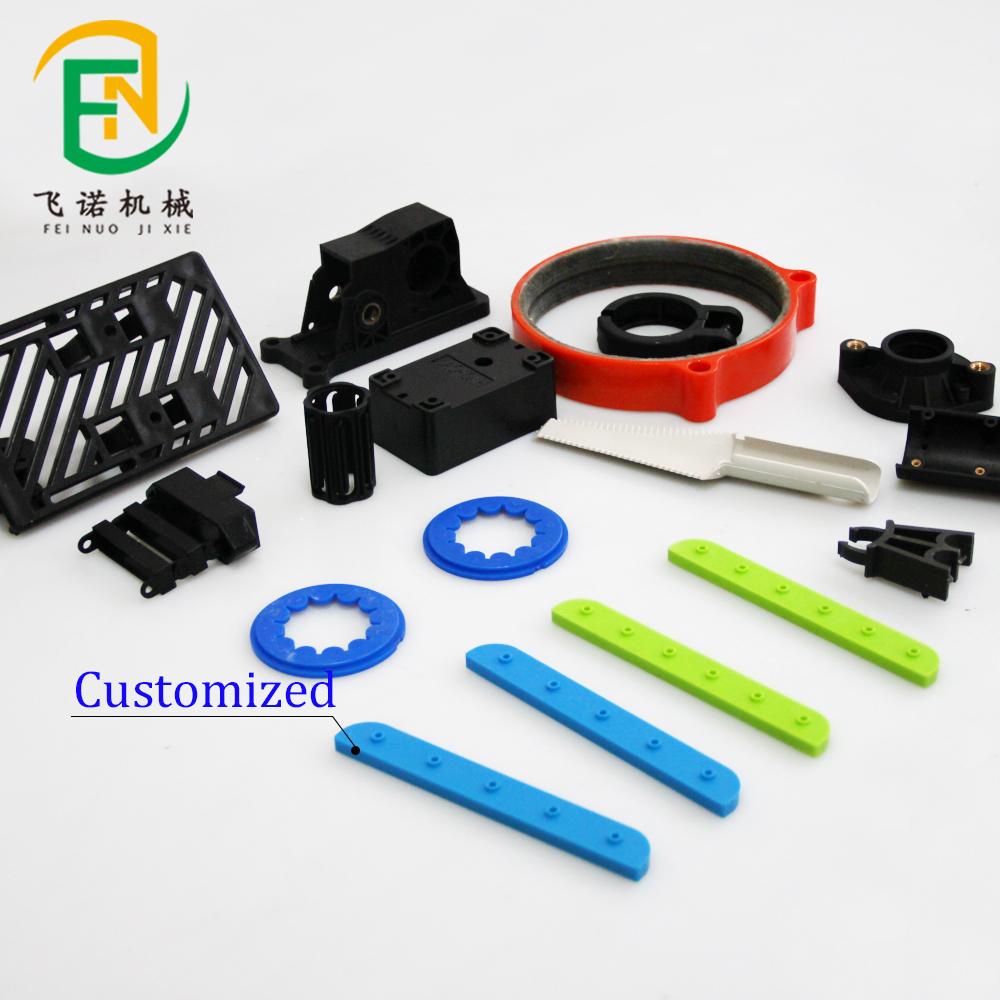
Sustainability in Plastic Injection Molding Part Production
Modern manufacturers are increasingly aware of their environmental responsibility. Today’s injection molding facilities implement sustainable practices such as recycling scrap plastic, optimizing energy usage, and using biodegradable materials when possible. Innovations in mold design also help reduce waste and improve material efficiency. These advancements ensure that while plastic injection molding part continues to meet industrial demands, it also aligns with global sustainability goals.
From Idea to Reality—The Art and Science Behind Every Plastic Injection Molding Part
The journey of a plastic injection molding part is a remarkable blend of imagination, engineering, and precision. From concept sketches to finished components, each stage adds value, ensuring the final product is reliable, functional, and cost-effective. This process demonstrates how modern manufacturing transforms simple plastic into complex, high-performing parts that shape our world. Whether it’s the phone in your hand or the car you drive, the hidden story of these molded parts is a testament to human innovation and the seamless union of art and science.