
- November 5, 2025
- Posted by: feinuojixie
- Category: Injection Molding News
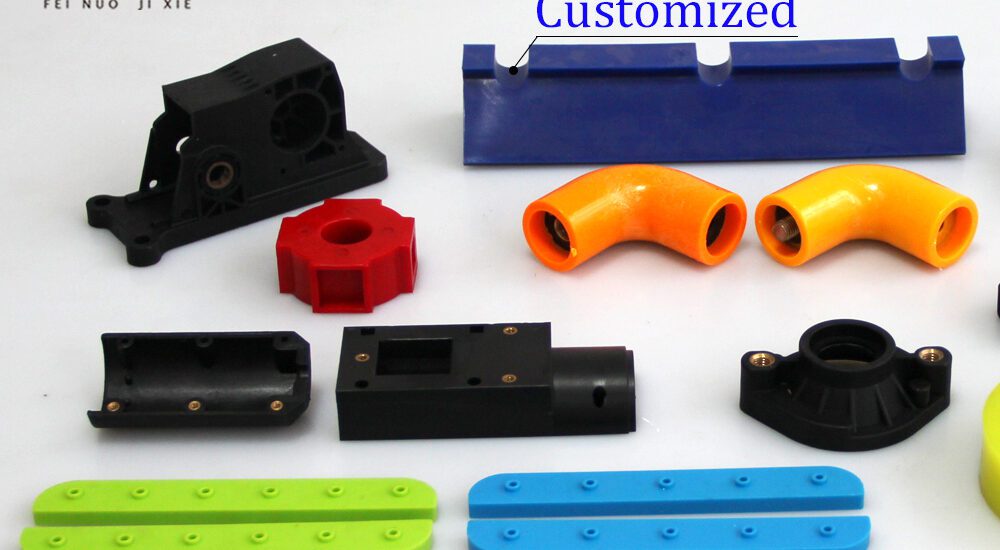
When you hold a perfectly finished product in your hand—whether it’s a smartphone casing, a car dashboard, or a medical device—you probably don’t think about the invisible precision behind it. Yet, much of that reliability and functionality stems from something small but essential: the quality of its injection molding part. These components are the backbone of modern manufacturing, silently ensuring that products not only look good but also perform flawlessly.
High-quality injection molding part are more than just plastic components—they represent the synergy of material science, engineering, and craftsmanship. When done right, they provide unmatched consistency, strength, and precision. When compromised, however, they can lead to product failures, inefficiencies, and costly recalls. In today’s competitive landscape, where performance and sustainability define success, understanding why quality matters in injection molding is more important than ever.
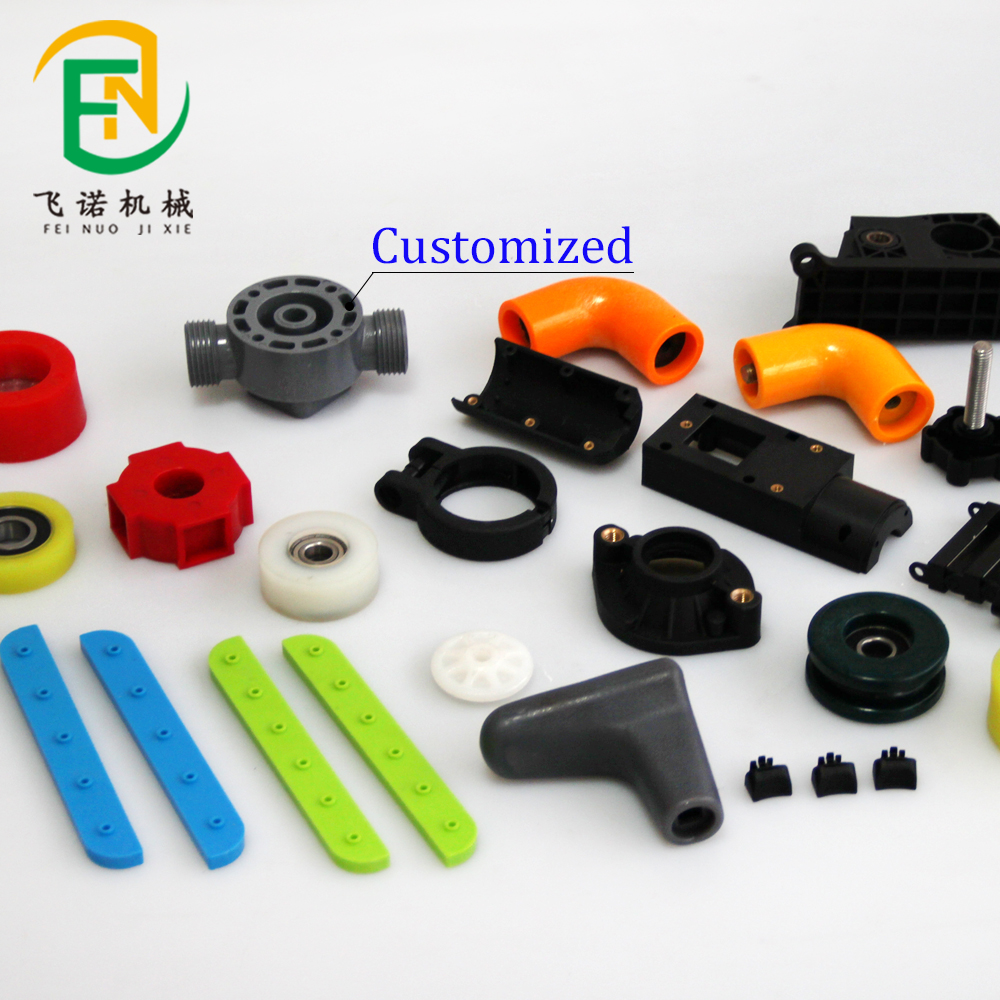
The Foundation of Product Reliability: How Quality Injection Molding Part Define Strength
Every product’s strength begins with its smallest components. In the world of manufacturing, the reliability of an end product often reflects the precision and consistency of its injection molding part. When parts are produced with exact dimensional accuracy, they fit together seamlessly, withstand stress, and maintain structural integrity under demanding conditions.
High-quality injection molding part ensure that the final assembly performs as intended, regardless of the environment. Whether used in automotive, aerospace, or consumer electronics, these parts must meet strict tolerances. When manufacturing precision is compromised, products become vulnerable to cracking, deformation, or premature wear. Simply put, quality parts are the invisible foundation of reliable products—and a key to long-term performance and safety.
Beyond Appearance: The Role of Precision in Injection Molding Part
While aesthetics matter, precision is what truly defines the quality of injection molding part. Every millimeter counts. A part that’s off by even a fraction of a millimeter can cause assembly misalignment, product malfunction, or inconsistent operation. This is especially critical in industries like medical devices or automotive components, where reliability is non-negotiable.
Precision also affects surface finish and texture, which in turn influence a product’s tactile feel and visual appeal. When molds are perfectly machined and maintained, they produce consistent results across thousands of cycles. This consistency reduces the risk of defects, eliminates costly rework, and helps maintain brand reputation. Precision is not just a technical standard—it’s a competitive advantage.
Cost vs. Quality: Why Cheaper Injection Molding Part Can Cost You More
At first glance, choosing a lower-cost injection molding part might seem like a smart business decision. However, this short-term saving often comes at a long-term price. Inferior materials, poor mold design, and inadequate process control can lead to inconsistent parts, resulting in assembly failures or customer complaints.
Low-quality parts may also require additional inspection, repairs, or replacements—each adding to the total cost of production. Worse still, if faulty parts reach the market, they can damage brand credibility and customer trust. Investing in quality from the start prevents these issues, offering not only better performance but also greater financial stability over time.
The Manufacturing Edge: Advanced Techniques for High-Quality Injection Molding Part
Today’s manufacturers use advanced technologies to ensure that every injection molding part meets the highest standards. Automation and robotics enhance consistency by minimizing human error, while mold flow analysis predicts potential issues before production even begins. High-precision tooling ensures that each cavity in the mold produces identical results.
Additionally, real-time monitoring systems track temperature, pressure, and material flow throughout the molding process, guaranteeing precision and repeatability. Manufacturers that adopt these advanced techniques can produce parts with exceptional accuracy and finish, offering customers superior quality and reliability at scale.
Material Matters: Choosing the Right Resin for Your Injection Molding Part
Selecting the right resin is one of the most crucial factors in producing high-quality injection molding part. Different applications require different material properties—such as impact resistance, flexibility, or heat tolerance. For instance, engineering-grade resins like polycarbonate or ABS offer durability and stability for demanding industrial uses, while biocompatible materials are ideal for medical components.
The resin choice directly influences product lifespan, surface quality, and performance under stress. Working with an experienced manufacturer ensures that the resin selected aligns with both functional and aesthetic requirements. When material choice is optimized, the result is a product that performs reliably and looks flawless.
Performance and Efficiency: How Quality Parts Improve Assembly and Product Life
Quality injection molding part streamline the entire production process. When parts are uniform and precise, assembly becomes faster, smoother, and less prone to errors. This not only reduces labor costs but also minimizes waste caused by misaligned or defective components.
Moreover, consistent part quality extends product life by preventing mechanical failures. A well-molded component can withstand repeated use, temperature fluctuations, and environmental stress without losing its shape or strength. In contrast, lower-quality parts degrade quickly, increasing the risk of malfunction or customer dissatisfaction. In the long run, quality parts don’t just improve products—they enhance brand reputation.
The Environmental Connection: How Quality Injection Molding Part Support Sustainability
Sustainability isn’t just about using recycled materials—it’s also about creating products that last longer and generate less waste. High-quality injection molding part contribute directly to environmental responsibility by reducing the frequency of replacements and the need for excessive production.
Precision manufacturing also optimizes material usage, minimizing scrap and energy consumption. Many manufacturers now integrate eco-friendly resins or post-consumer recycled materials into high-quality parts without compromising performance. By prioritizing quality, companies reduce their environmental footprint while promoting a more sustainable production model.
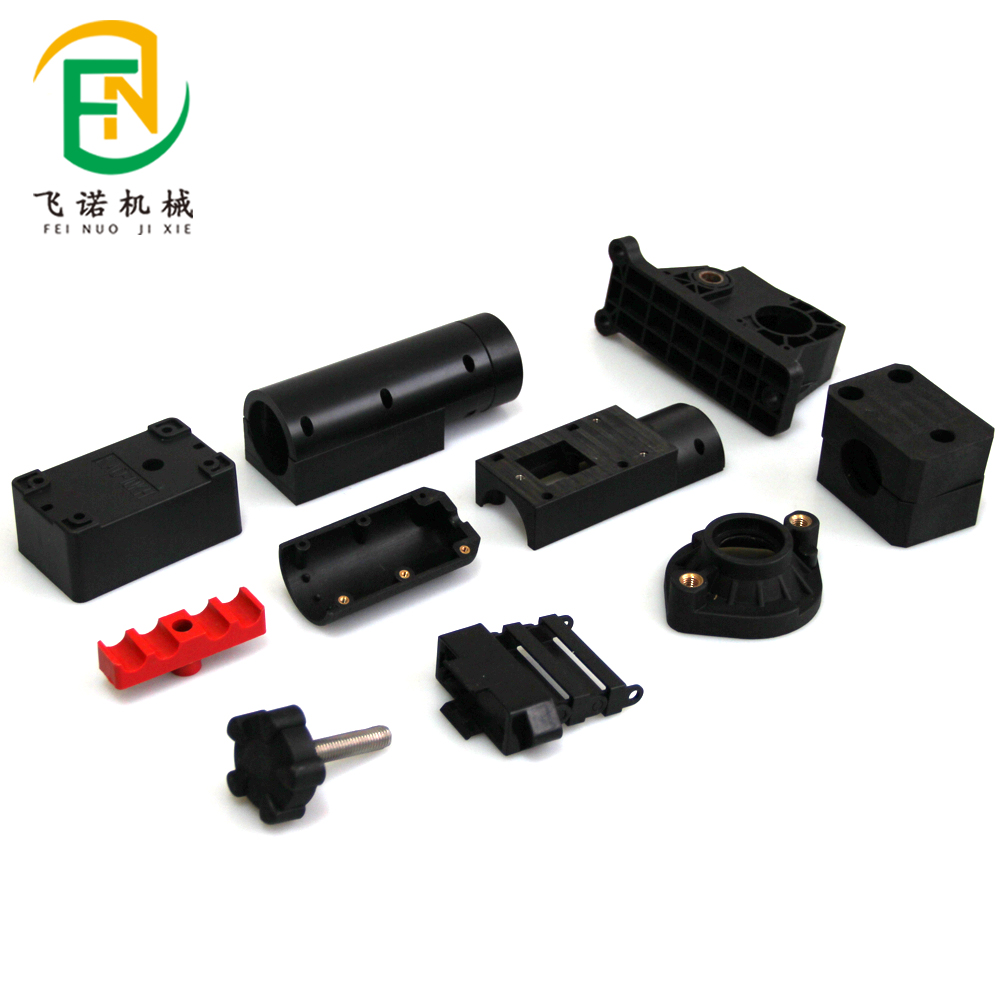
Partnering for Excellence: Choosing the Right Injection Molding Manufacturer
Not all manufacturers are created equal. Selecting the right partner is essential to achieving consistent quality in injection molding part. A trusted manufacturer should offer advanced machinery, experienced engineers, strict quality control, and transparent communication throughout the project.
When evaluating a partner, look for certifications, case studies, and client testimonials that demonstrate reliability and expertise. The right manufacturer doesn’t just produce parts—they collaborate with you to improve design, optimize materials, and enhance production efficiency. In essence, choosing wisely ensures the success of every component and every finished product.
Quality Is the Quiet Force Behind Every Successful Product
In the fast-paced world of modern manufacturing, quality often goes unnoticed until it’s missing. High-quality injection molding part are the unsung heroes that hold every product together—literally and figuratively. They define strength, precision, and longevity, influencing how a product performs, feels, and endures over time.
Investing in quality may seem like a subtle decision, but its impact resonates across the entire production chain—from design and assembly to performance and sustainability. In a market where competition is fierce and expectations are high, one truth stands firm: high-quality injection molding part matter far more than you think.