
- November 6, 2025
- Posted by: feinuojixie
- Category: Injection Molding News
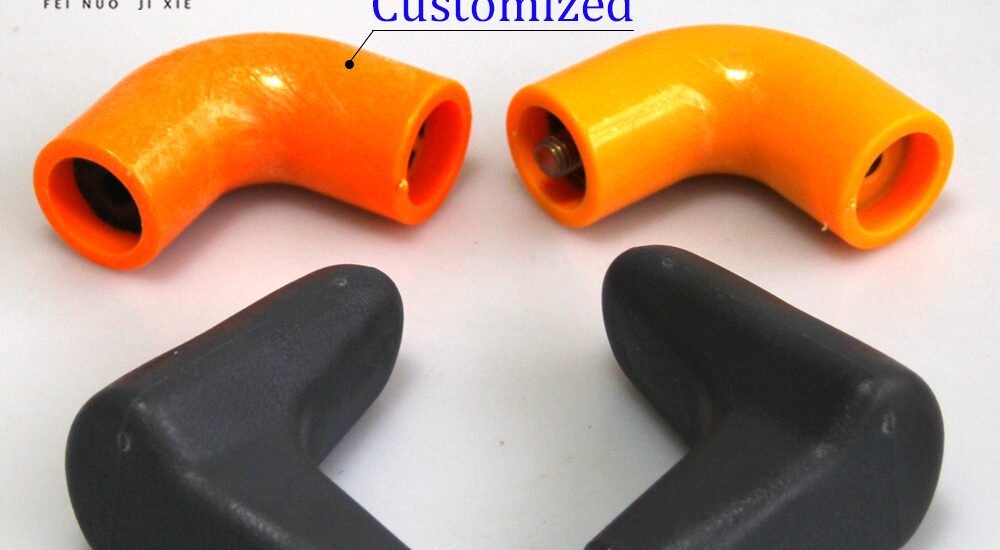
Injection molding part has become an essential element in modern manufacturing, powering industries from automotive to consumer electronics. This process allows manufacturers to create complex shapes with high precision and repeatability. However, even the most advanced injection molding system is not immune to production challenges. From surface imperfections to dimensional inaccuracies, common problems often arise that can affect quality, functionality, and appearance. The good news is that with the right understanding and adjustments, most of these problems can be prevented or corrected efficiently. This article explores the most common issues found in injection molding part and offers practical solutions to fix them, ensuring consistent production of durable, high-quality components.
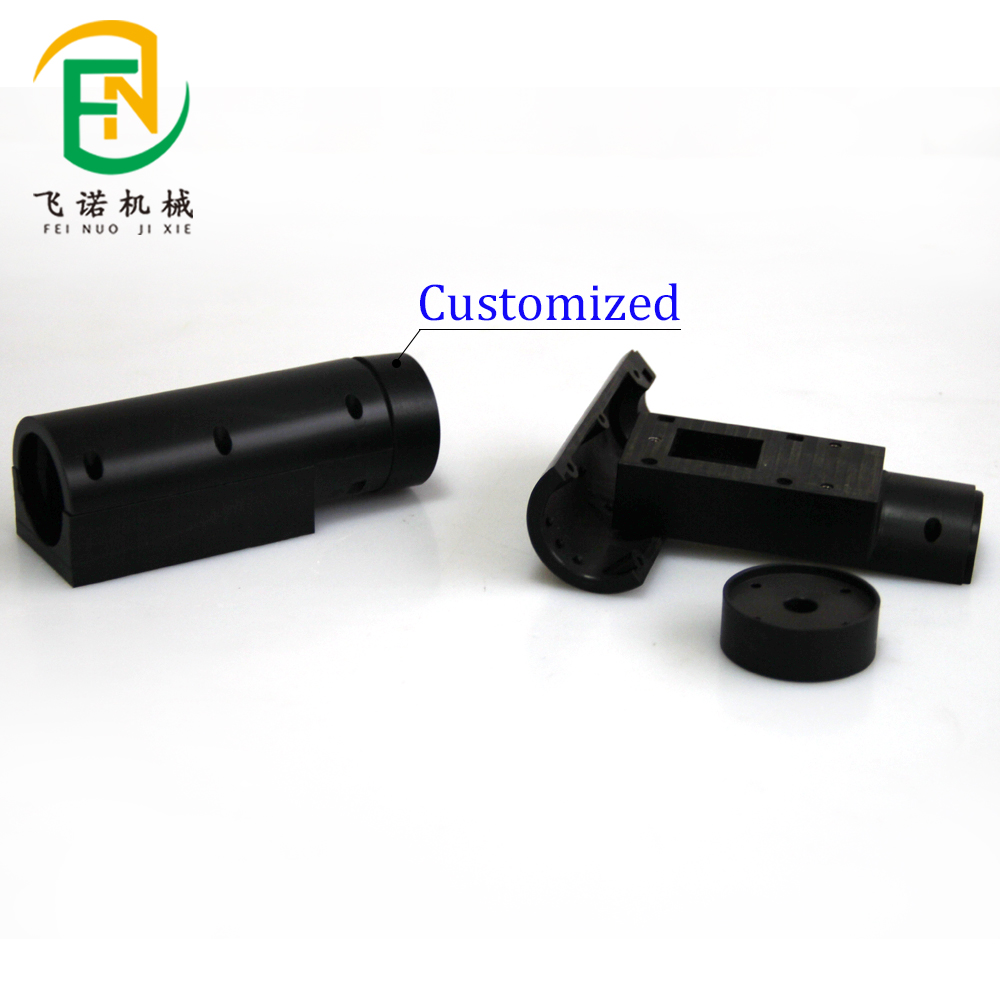
Understanding the Basics of Injection Molding Part
Injection molding is a process that involves melting plastic resin and injecting it into a mold cavity to form a specific shape. Once cooled, the molded part is ejected and ready for use or further processing. The quality of each injection molding part depends on three critical factors: design, material selection, and process control. A poorly designed part or an unsuitable resin can easily lead to manufacturing flaws. Similarly, inconsistent temperature or pressure settings can cause visible or structural defects. Understanding these fundamentals helps manufacturers detect the root cause of any problem and apply precise corrections instead of trial-and-error fixes.
Warping in Injection Molding Part
Warping occurs when different areas of a molded part cool and shrink at uneven rates, leading to a twisted or distorted shape. This defect is especially common in large or flat parts. The root cause often lies in uneven cooling, poor mold design, or unbalanced pressure distribution.
How to fix it:
To prevent warping, ensure consistent cooling by optimizing mold temperature and maintaining uniform wall thickness. Using materials with lower shrinkage rates and applying gradual cooling cycles can also reduce internal stress. In some cases, adjusting the packing pressure or modifying gate location can improve the overall balance of the part, preventing deformation after ejection.
Sink Marks in Injection Molding Part
Sink marks are small depressions that usually appear on the surface of thicker areas of a molded part. They are caused when the inner portion of the material cools and shrinks more than the surface, pulling it inward. This problem not only affects the visual appeal but can also compromise structural integrity.
How to fix it:
To eliminate sink marks, start by ensuring that wall thickness is consistent across the design. Reduce the thickness of heavy sections or redesign ribs and bosses to prevent uneven cooling. Increasing the holding pressure and time allows the molten resin to compensate for shrinkage. Additionally, optimizing mold temperature and using a slower cooling cycle can help achieve a smoother, defect-free surface.
Short Shots in Injection Molding Part
A short shot happens when the mold cavity is not completely filled, resulting in an incomplete part. This issue is often caused by inadequate injection pressure, insufficient material, or poor venting.
How to fix it:
First, check whether the injection pressure and speed are sufficient to fill the cavity. Increasing them slightly can often resolve the issue. Also, inspect the mold for any blockage or improper venting that might trap air. Preheating the mold and ensuring that the resin is fully melted before injection will also help achieve a complete fill. Choosing the right gate location can further improve the flow of material into complex shapes.
Flash on Injection Molding Part
Flash is the excess material that seeps out of the mold cavity, creating thin, unwanted edges around the part. This typically occurs when the mold halves are not clamped tightly enough or when injection pressure is too high.
How to fix it:
Ensure that the mold is properly aligned and that the clamping force is sufficient to hold the halves together during injection. Reducing the injection pressure or speed can also help minimize flash formation. If the problem persists, inspect the mold for wear and tear—worn parting lines or vents may need to be repaired or replaced to restore a proper seal.
Burn Marks on Injection Molding Part
Burn marks appear as dark or blackened spots on the surface of the part, usually caused by trapped air or excessive injection speed that overheats the material. These marks not only spoil the appearance but can weaken the part structure.
How to fix it:
To prevent burn marks, improve mold venting to allow air to escape freely. Lowering the injection speed and temperature can also reduce friction and heat buildup. If the problem continues, check for areas where air might be trapped and modify the vent or gate design to allow smoother material flow.
Flow Lines in Injection Molding Part
Flow lines are visible streaks or wavy patterns on the surface of a part that indicate variations in the cooling rate or material flow. They often appear near the gate or in areas where the flow of molten plastic slows down.
How to fix it:
To remove flow lines, increase the mold and melt temperature to ensure the resin flows smoothly. Adjust the injection speed to maintain a consistent flow rate. Redesigning the gate to improve flow direction and thickness uniformity can also help produce cleaner surfaces.
Weld Lines in Injection Molding Part
Weld lines occur when two or more flow fronts of molten material meet but fail to bond properly. This results in a weak line or seam that can affect both appearance and strength.
How to fix it:
To reduce weld lines, raise the injection temperature and speed so the resin flows more uniformly. Changing the gate position or adding extra gates can prevent premature cooling where the flow fronts meet. Using materials with better flow characteristics can further enhance bonding and reduce visible seams.
Voids and Air Traps in Injection Molding Part
Voids and air traps are internal or surface-level air pockets that form when gas gets trapped inside the molten resin during injection. These voids can weaken the structure or cause visible blemishes.
How to fix it:
Optimize mold venting and increase holding pressure to push out trapped air. Check that the resin is properly dried before molding, as moisture can create vapor that leads to air pockets. A slower injection speed can also allow air to escape more effectively.
Discoloration in Injection Molding Part
Discoloration appears as streaks or uneven color shades across the part. It usually results from material contamination, improper mixing, or overheating.
How to fix it:
Clean all hoppers, nozzles, and molds before production to prevent contamination. Use only high-quality, color-stable resins and ensure consistent temperature control during processing. If using recycled material, confirm that it’s compatible with the base resin to avoid color variation.
Surface Defects and Rough Finish in Injection Molding Part
Surface defects include dullness, scratches, or rough patches that reduce the part’s visual quality. These can be caused by worn mold surfaces, improper mold release, or poor temperature control.
How to fix it:
Polish mold cavities regularly to maintain smoothness. Adjust mold temperature for optimal resin flow, and ensure that the correct type and amount of mold release agent are used. If surface defects continue, inspect for moisture or dust contamination during molding.
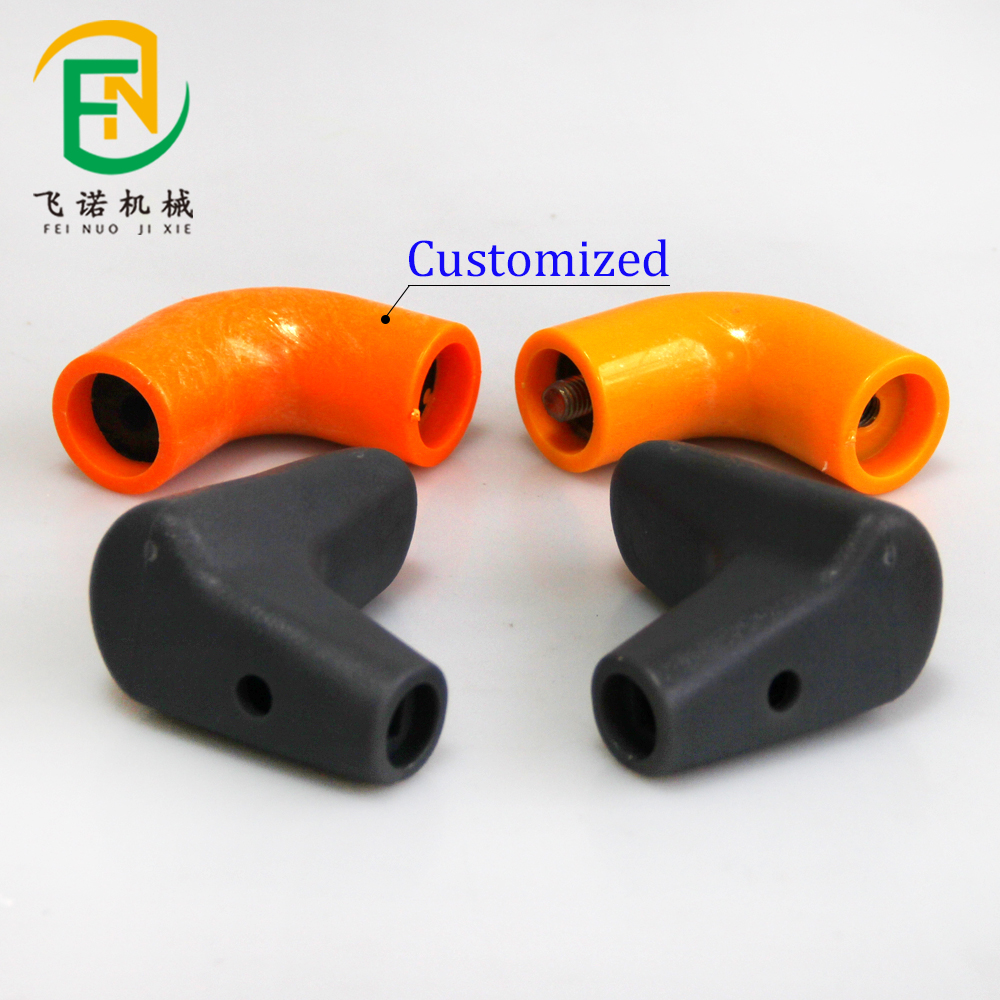
How to Prevent Problems in Injection Molding Part Production
Prevention is always better than correction when it comes to manufacturing. The key to avoiding defects lies in good design, proper material selection, and strict process control. Design parts with uniform wall thickness and adequate draft angles to facilitate smooth ejection. Conduct regular mold maintenance and inspections to catch issues early. Implementing simulation software before production can help predict flow behavior, shrinkage, and cooling patterns, allowing for adjustments in advance. Continuous monitoring of process parameters such as temperature, pressure, and cycle time ensures consistent part quality throughout production.
Conclusion
Injection molding part production is a complex but highly efficient process when managed correctly. Defects like warping, sink marks, and weld lines are common challenges that can be addressed through thoughtful design, careful material handling, and precise control of process settings. By identifying problems early and applying targeted fixes, manufacturers can improve product consistency, reduce waste, and save on production costs. Ultimately, mastering the art of defect prevention and correction in injection molding ensures that every part meets the highest standards of quality and performance.