- November 7, 2025
- Posted by: feinuojixie
- Category: Injection Molding News
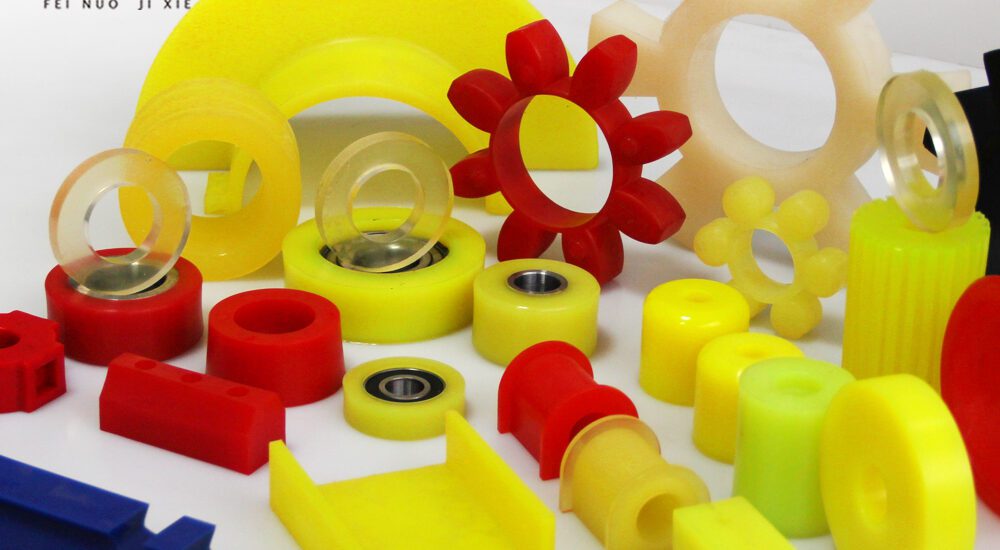
Choosing the right supplier for your injection molding part can make the difference between a successful project and a costly failure. A reliable supplier ensures that your parts meet precise specifications, maintain consistent quality, and are delivered on time. On the other hand, working with the wrong supplier can lead to recurring issues such as defects, delays, and unexpected costs that affect both your production schedule and your brand reputation.
In today’s competitive manufacturing landscape, companies are no longer just looking for suppliers—they are looking for partners who can provide technical expertise, flexible solutions, and continuous innovation. The decision you make today will directly influence your product’s performance, customer satisfaction, and long-term profitability. Understanding how to identify the right injection molding part supplier is the first step toward achieving sustainable success.
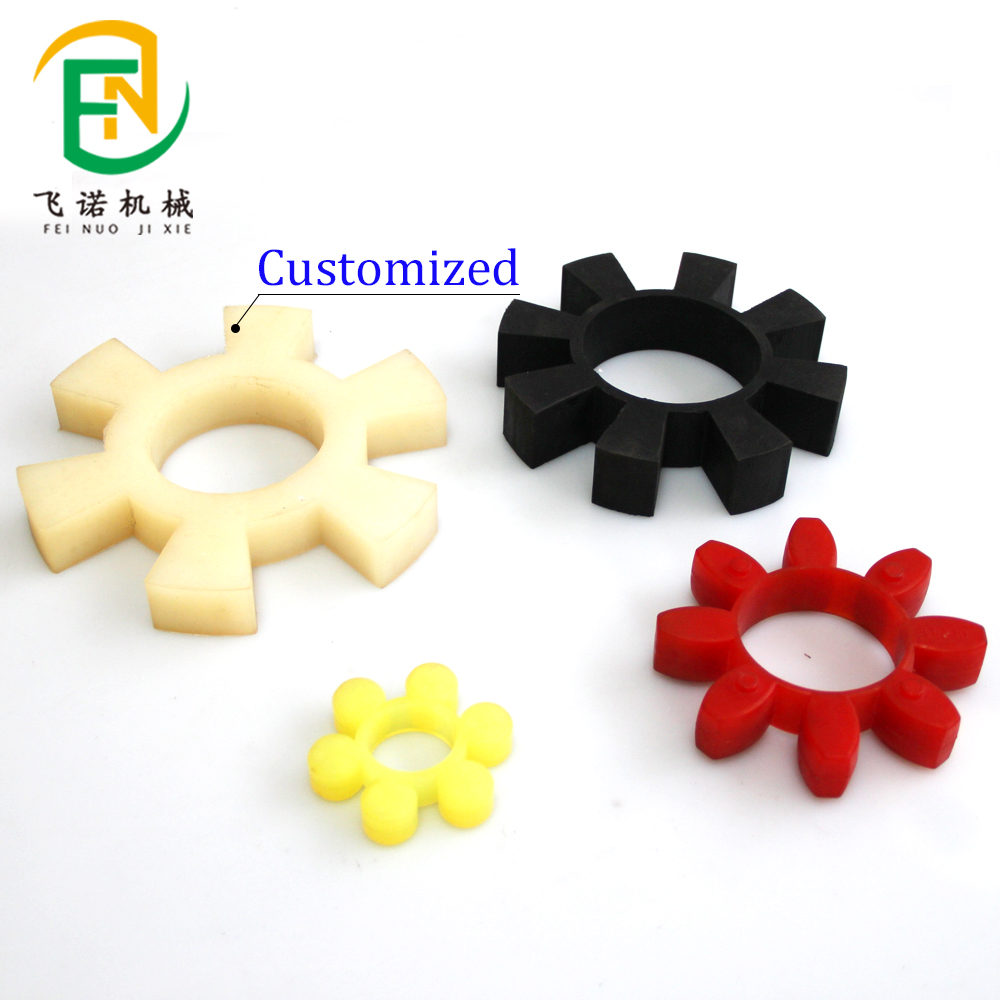
Understanding Your Injection Molding Part Requirements Before Supplier Selection
Before you begin searching for a supplier, you must have a clear understanding of what you need from your injection molding part. Every detail—from the type of plastic material to the level of precision required—plays a vital role in supplier compatibility. Start by identifying the end-use of your part. Is it meant for heavy-duty industrial equipment, consumer electronics, or medical devices? Each application has unique standards for durability, flexibility, and surface finish.
Define the material specifications, including resin type, color, and any additives such as UV resistance or flame retardancy. Next, determine the dimensional tolerances and surface requirements that your design demands. A supplier that fully understands your design intent can better recommend tooling solutions and optimize production for consistency and efficiency. Clarity at this stage prevents misunderstandings later and ensures that every quotation you receive is based on accurate information.
Key Qualities to Look for in an Injection Molding Part Supplier
When evaluating potential suppliers, focus on key qualities that reflect capability and reliability. Experience is one of the first things to consider. Suppliers with years of experience in your industry are more likely to anticipate challenges and offer practical solutions. Technical expertise also matters—check whether they have advanced machinery, such as high-tonnage presses or precision molds, suitable for your part size and complexity.
A strong quality control system is non-negotiable. Look for certifications like ISO 9001, which demonstrate a commitment to standardized manufacturing and continuous improvement. Transparency is another key factor—reputable suppliers clearly communicate pricing, delivery timelines, and quality metrics. A trustworthy supplier will also provide case studies or references to validate their performance history.
Evaluating the Manufacturing Capability of an Injection Molding Part Supplier
A supplier’s manufacturing capability directly affects product quality and delivery reliability. Ask about their production capacity and range of injection machines. Can they handle both prototype and large-scale production runs? Do they have the ability to switch between materials efficiently? The answers reveal how adaptable they are to your project’s needs.
Tooling precision is another crucial element. High-quality molds ensure consistent part dimensions and smooth finishes, reducing the need for post-processing. Consider visiting the facility or requesting virtual tours to see their production floor, equipment condition, and workflow organization. A supplier with clean, well-maintained machines and systematic processes is likely to deliver better results.
Quality Assurance: How to Ensure Consistency in Your Injection Molding Part
Quality assurance should be built into every stage of production, not just at the final inspection. An ideal supplier will have comprehensive systems for monitoring and maintaining quality throughout the process. Ask how they inspect raw materials, verify dimensions, and track production batches. In-house testing equipment, such as coordinate measuring machines (CMMs), helps ensure every part meets your specifications.
Request samples before mass production to validate mold accuracy and surface finish. Pre-production runs allow you to identify potential issues early. A reliable supplier welcomes customer feedback and uses it to improve processes continuously. Consistent quality control not only prevents defects but also strengthens your confidence in long-term collaboration.
Communication and Project Management: The Hidden Factor in Supplier Success
Technical expertise alone is not enough—effective communication is the glue that holds successful projects together. A responsive supplier with dedicated project managers ensures smoother operations from concept to delivery. They provide regular updates on tooling progress, production schedules, and shipment tracking.
When communication is clear and proactive, potential issues are resolved before they escalate. Transparent documentation, such as material certificates and inspection reports, helps you monitor quality without micromanaging. A supplier who values communication shows professionalism and commitment to partnership, not just a transactional relationship.
Pricing vs. Value: Finding the Right Balance
While cost is a key factor, it should never be the sole basis for supplier selection. The cheapest option may lead to poor-quality parts, frequent reworks, and long-term losses. Instead, focus on total value—considering not only price but also lead time, quality, customer service, and reliability.
Ask suppliers to explain their pricing structure, including tooling costs, material expenses, and any additional service charges. This level of transparency allows you to make accurate comparisons. The goal is to find a supplier who offers a fair price while maintaining consistent performance and accountability. In injection molding, true value lies in long-term dependability, not short-term savings.
Geographical Considerations: Local vs. Overseas Injection Molding Part Supplier
Deciding between a local and an overseas supplier depends on your priorities. Local suppliers offer easier communication, faster shipping, and face-to-face collaboration. They are ideal when time-to-market is critical or when you require frequent design adjustments. However, their prices may be higher due to labor and operational costs.
Overseas suppliers, particularly in regions with mature manufacturing ecosystems, often provide competitive pricing and scalability for large production runs. The trade-off lies in longer shipping times, potential language barriers, and import logistics. Whichever option you choose, ensure the supplier can meet your delivery expectations and has experience exporting to your region.
Requesting a Quotation and Comparing Proposals
Once you have shortlisted potential suppliers, send a detailed Request for Quotation (RFQ). Include complete product drawings, 3D files, material specifications, quantity requirements, and any quality standards that must be met. The more detailed your RFQ, the more accurate and comparable the quotes will be.
When comparing proposals, look beyond the unit price. Consider tooling lifespan, lead times, secondary operations, and after-sales support. Some suppliers may include mold maintenance or engineering changes as part of their service, which adds long-term value. Always ensure that warranty terms, quality guarantees, and delivery commitments are clearly stated before you finalize a contract.
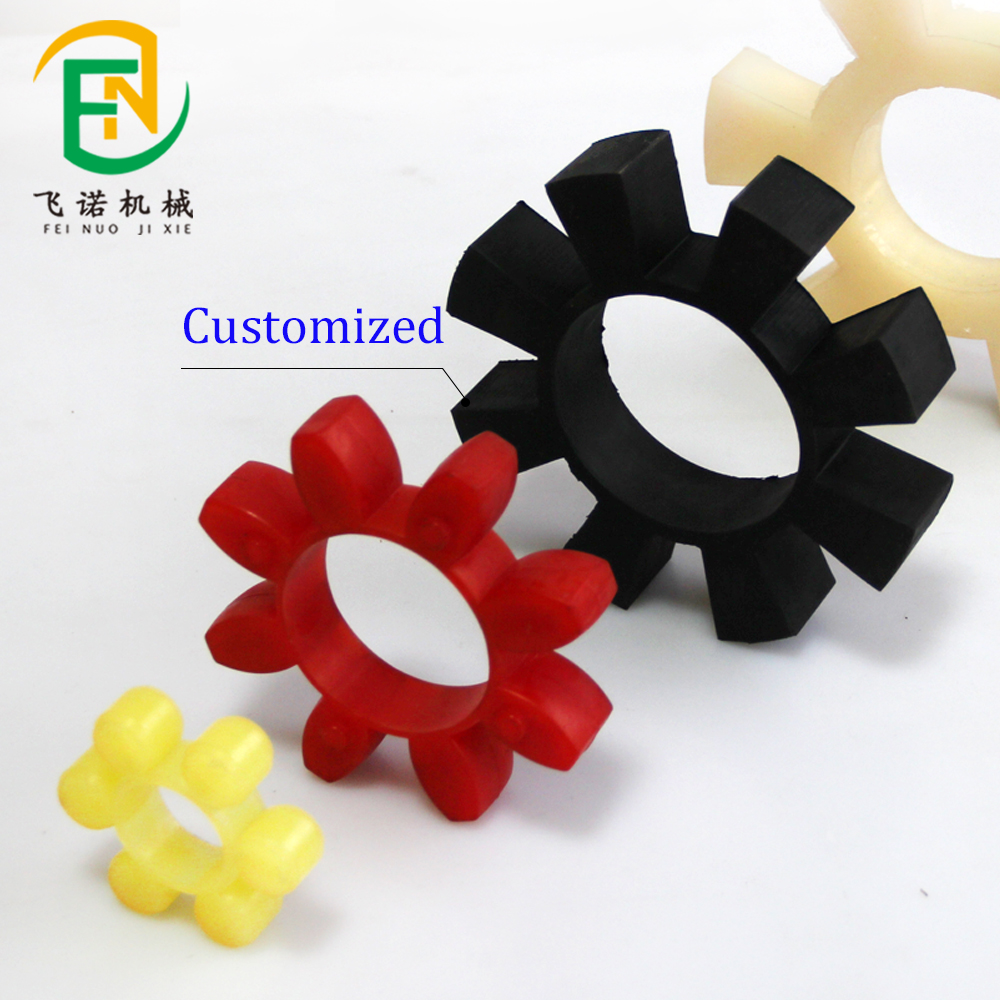
Building a Long-Term Partnership with Your Injection Molding Part Supplier
The best supplier relationships are built on trust, consistency, and shared goals. Once you’ve identified a reliable partner, invest in the relationship. Provide constructive feedback, discuss long-term plans, and collaborate on new product development. When both sides understand each other’s expectations, projects run more smoothly and efficiently.
Establishing regular review meetings helps identify areas for improvement, such as reducing cycle times or exploring new materials. A loyal partnership often leads to better pricing, priority scheduling, and technical support that goes beyond the standard service level. Treat your supplier as an extension of your team, not just a vendor.
Setting the Foundation for Long-Term Success
Selecting the right supplier for your injection molding part is not simply a procurement task—it is a strategic decision that influences your product’s success and your company’s reputation. A qualified supplier offers more than production capability; they bring technical knowledge, communication efficiency, and quality assurance that drive growth.
By clearly defining your requirements, evaluating capabilities, and building strong communication channels, you can establish a partnership that ensures reliability, innovation, and long-term value. The effort you invest in finding the right injection molding part supplier today will pay off in better quality, smoother operations, and stronger competitiveness for years to come.