
- November 10, 2025
- Posted by: feinuojixie
- Category: Injection Molding News
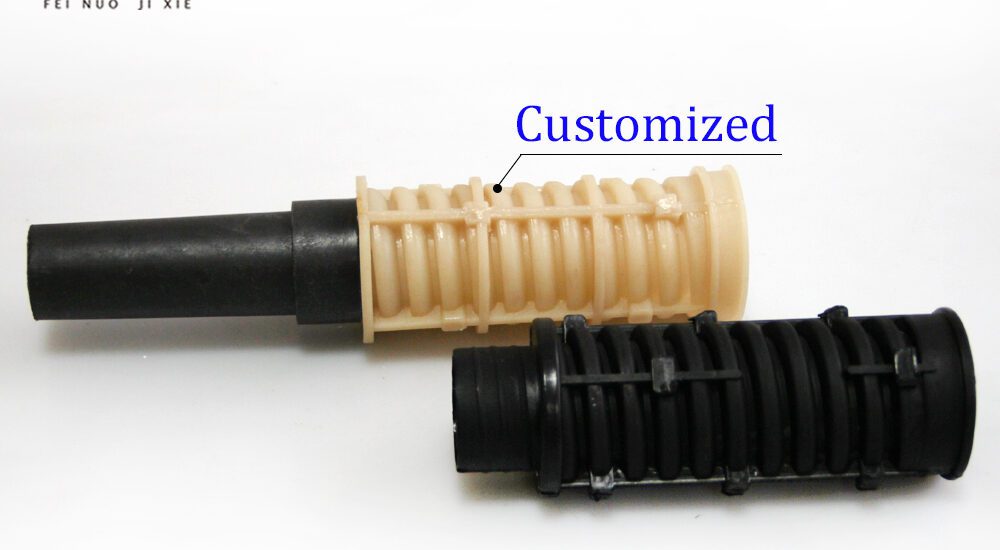
Designing the perfect injection molded part requires more than just creativity—it demands a deep understanding of material science, manufacturing constraints, and design engineering. A well-designed injection molded part not only performs efficiently but also minimizes production costs and avoids costly redesigns. Every design decision, from material choice to gate placement, plays a vital role in determining the final outcome. In this article, we’ll uncover ten essential secrets that professionals use to create flawless, high-performance injection molded part designs that stand out in both function and form.
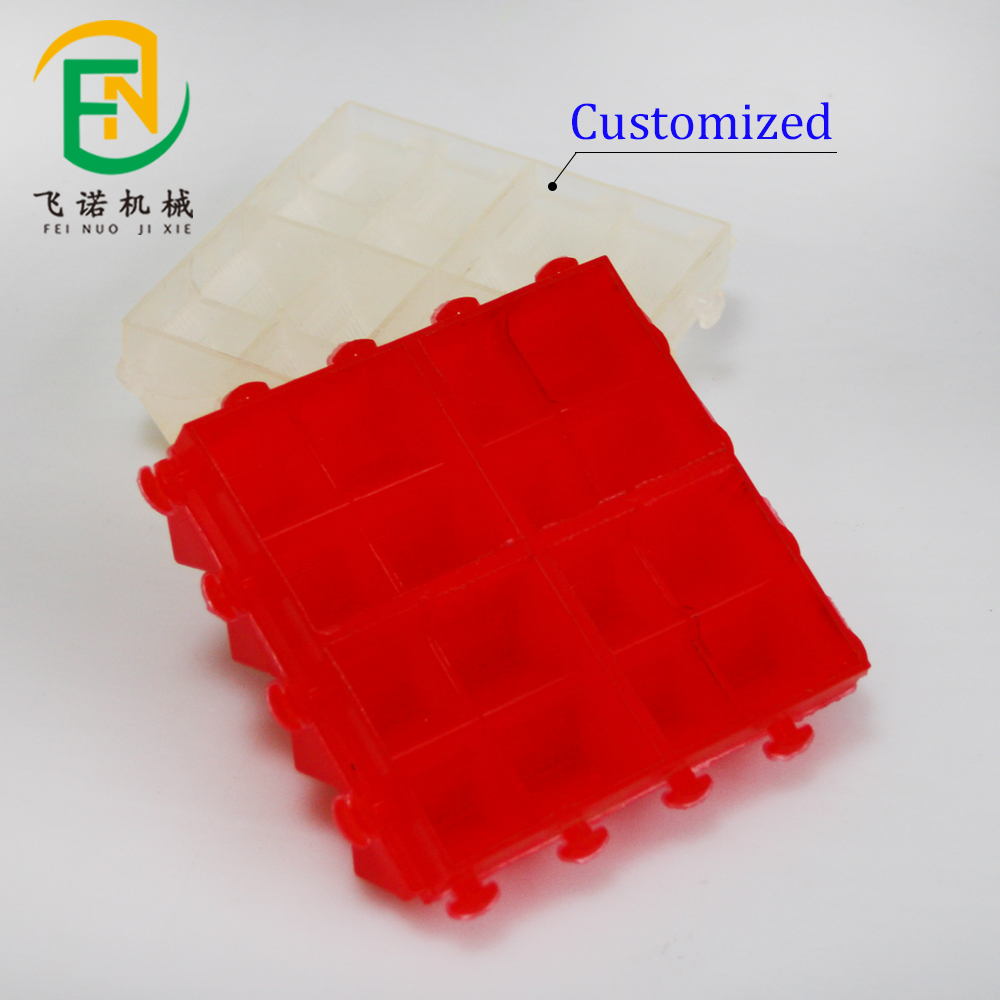
Understand the Fundamentals of Injection Molded Part Design
Before diving into complex design strategies, it’s crucial to master the core principles of injection molded part design. These fundamentals serve as the backbone of a successful product. Key factors such as uniform wall thickness, appropriate draft angles, and smooth material flow determine whether your part will mold correctly and maintain structural integrity. Ignoring these essentials can lead to defects like warping, sink marks, or uneven cooling. By grasping how molten plastic behaves inside the mold, designers can make smarter decisions that improve quality and reduce production time. A solid foundation in design fundamentals ensures every step that follows builds toward perfection.
Choose the Right Material for Your Injection Molded Part
Selecting the appropriate material is one of the most critical decisions in the design process. The material determines not only the physical strength and durability of the injection molded part but also its flexibility, temperature resistance, and overall appearance. Common thermoplastics such as ABS, polypropylene, and nylon each have unique characteristics suited for different applications. For instance, ABS offers excellent impact resistance for automotive components, while polypropylene provides superior chemical resistance for containers and medical parts. Considering factors like mechanical performance, environmental exposure, and cost efficiency ensures that your chosen material aligns with both design requirements and functional goals. A thoughtful material choice can be the difference between a product that lasts and one that fails prematurely.
Optimize Wall Thickness for Performance and Consistency
Uniform wall thickness is the backbone of a well-designed injection molded part. Inconsistent walls cause uneven cooling, leading to warping, sink marks, and internal stresses. To achieve structural balance, designers must determine the ideal wall thickness based on the selected material and intended application. Thicker walls may add strength but increase cooling time and material use, while thinner walls can reduce costs but risk structural weakness. The key is finding a balanced dimension that promotes even material flow and efficient cooling. When properly optimized, wall thickness contributes to better part quality, improved cycle time, and a more sustainable manufacturing process.
Incorporate Proper Draft Angles to Ensure Easy Ejection
Draft angles may seem minor, but they are essential to producing a flawless injection molded part. These slight tapers on the part’s vertical walls make it easier to remove from the mold without causing surface scratches or deformation. Without adequate draft, the part may stick to the mold cavity, resulting in delays, damage, or additional costs for mold maintenance. Generally, a draft angle of 1 to 2 degrees is sufficient for most designs, but textured surfaces or deeper cavities may require more. Designing with proper draft angles early in the process saves both time and resources while preserving the integrity of the molded part.
Add Ribs and Gussets for Reinforcement Without Extra Weight
Strength does not always come from adding more material. Smart design solutions, like ribs and gussets, can enhance rigidity and stability without increasing the overall weight of the injection molded part. Ribs support large flat areas that are prone to bending, while gussets strengthen corners and connections. These structural elements should be proportionate and strategically placed to prevent sink marks or uneven material flow. The goal is to improve strength while maintaining an efficient use of material. By incorporating ribs and gussets, designers can achieve the same durability as thicker parts but with less waste and reduced production costs.
Minimize Stress Concentrations with Smooth Transitions and Fillets
Sharp edges and abrupt transitions can create stress points that weaken the injection molded part over time. By integrating smooth curves and fillets at corners and intersections, designers can distribute stress more evenly and prevent premature failure. Fillets also help maintain consistent material flow, reducing turbulence during the molding process. In addition, smoother transitions improve the visual appeal of the final product and enhance its tactile quality. Small design adjustments like these may seem subtle, but they significantly impact both mechanical performance and long-term reliability.
Consider Gate Placement for Efficient Material Flow
Gate placement directly influences how molten plastic fills the mold cavity, affecting both the mechanical strength and visual quality of the injection molded part. A well-positioned gate ensures even material flow, reducing the risk of air traps, weld lines, and voids. It also controls the pressure and cooling patterns that shape the final product. Depending on the part geometry and size, designers can choose between various gate types—such as edge gates, pin gates, or submarine gates—to achieve optimal results. Strategic gate design not only improves part consistency but also enhances production efficiency by reducing defects and rework.
Design for Manufacturability and Assembly
A great injection molded part isn’t just easy to mold—it’s also easy to assemble. Designing for manufacturability and assembly means considering how parts will interact, fit, and function as part of a larger system. This includes integrating snap fits, alignment features, or screw bosses to simplify post-molding assembly. It also means minimizing undercuts and complex geometries that can complicate the mold or increase cycle time. The more efficiently a part can be molded and assembled, the lower the production costs and the faster the product can reach the market. Designing with these principles in mind ensures that innovation meets practicality.
Use Simulation Tools to Predict and Prevent Design Issues
Modern simulation tools have revolutionized the way designers approach injection molded part development. Mold flow analysis, for example, allows engineers to visualize how molten material will behave inside the mold before production begins. This predictive approach helps identify potential issues such as air traps, weld lines, or uneven cooling. By addressing these challenges early, designers can refine their models, reduce prototyping costs, and shorten lead times. Using digital simulations not only improves design accuracy but also provides valuable insights that lead to stronger, more reliable parts with fewer production surprises.
Collaborate with Experts Early in the Design Process
Creating a perfect injection molded part is rarely a solo effort. Collaboration between product designers, mold engineers, and manufacturers is essential to align design intent with practical execution. Early consultation ensures that potential manufacturing challenges are identified and resolved before tooling begins. Mold makers can provide insights into tool design, gating, and cooling systems, while manufacturers can suggest process optimizations to enhance efficiency. This cooperative approach fosters innovation, reduces costly revisions, and guarantees that the final product performs as intended. The best designs often emerge from a shared understanding of both design goals and manufacturing realities.
Conclusion
Designing the perfect injection molded part is a blend of science, creativity, and collaboration. Every decision—from material selection to gate placement—contributes to the final performance and appearance of the part. By mastering these ten design secrets, you can create products that are not only durable and functional but also cost-effective and visually refined. Whether you’re developing a complex industrial component or a consumer product, thoughtful design is the key to success. With the right approach and attention to detail, your next injection molded part can set a new standard for excellence in manufacturing.