
- November 11, 2025
- Posted by: feinuojixie
- Category: Injection Molding News
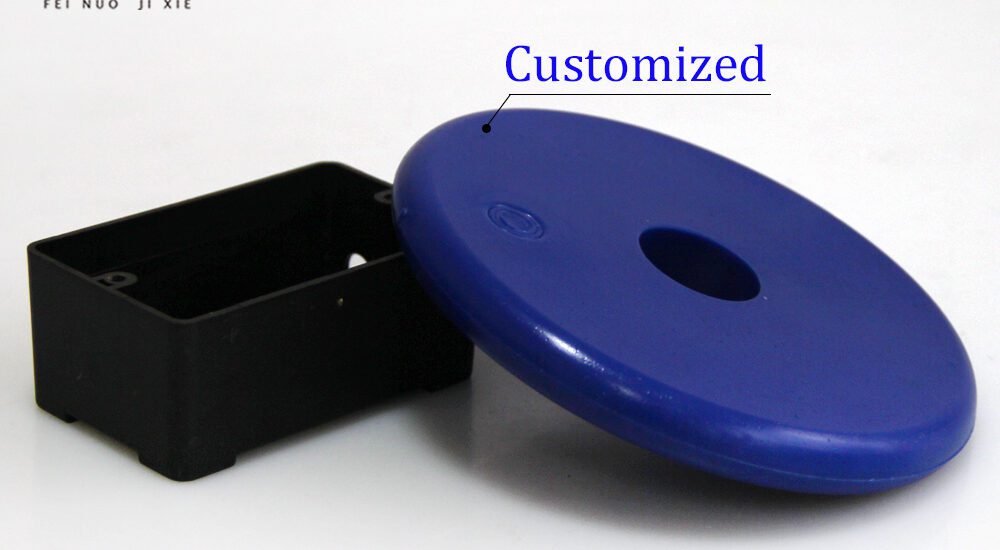
In the world of modern manufacturing, precision defines success. When producing an injection molded part, even a seemingly minor oversight can lead to defects, wasted materials, or costly rework. From design flaws to material mishandling, every stage of the process requires careful attention. Understanding the most common mistakes—and how to avoid them—is essential for creating parts that meet both performance and cost expectations.
This article explores the top mistakes manufacturers make during the production of an injection molded part and provides practical insights to help you avoid them, ensuring consistent quality and efficiency throughout your manufacturing journey.
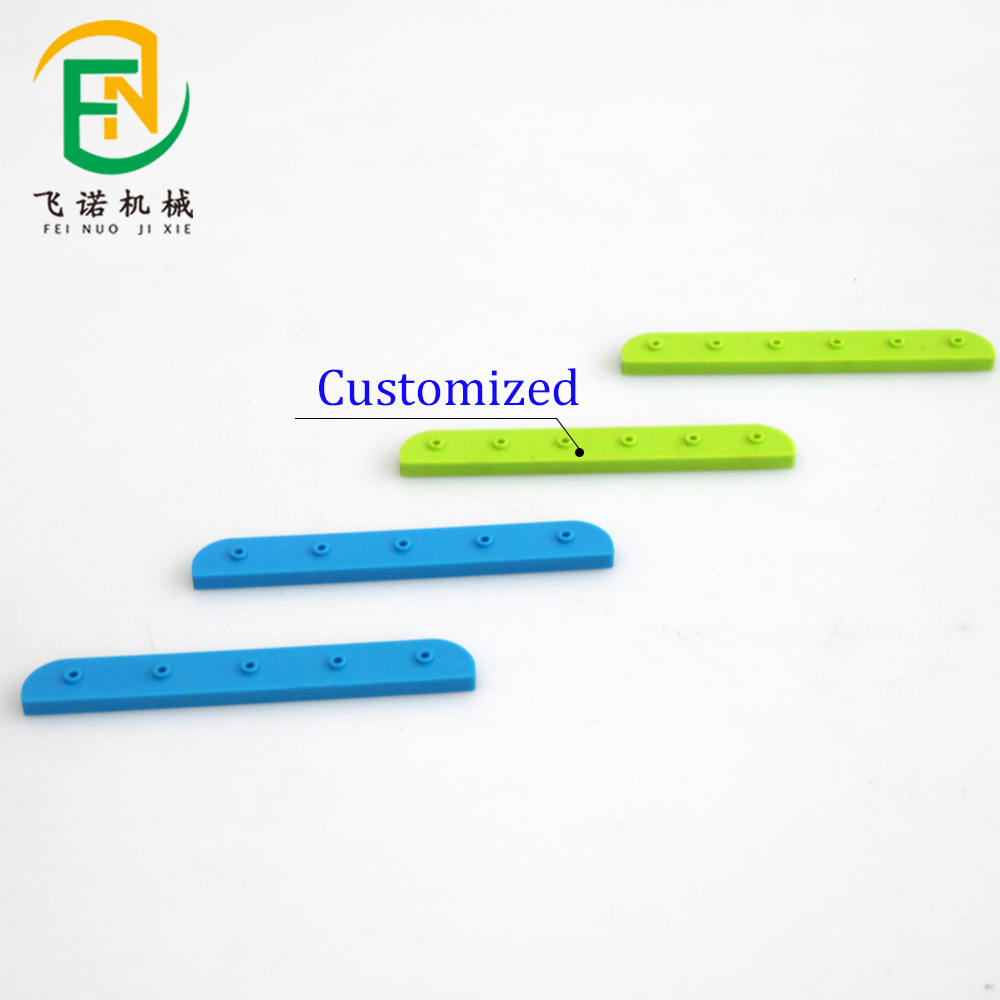
Understanding the Basics of an Injection Molded Part
Before diving into the common pitfalls, it’s crucial to grasp what makes an injection molded part successful. The process involves injecting molten plastic into a precision-engineered mold, allowing it to cool and solidify into the desired shape. While the concept seems straightforward, its success depends on multiple variables—design geometry, material behavior, mold quality, and process control.
Each parameter must work in harmony. A flaw in one area, such as poor mold venting or uneven cooling, can affect the final product’s strength, surface finish, and dimensional accuracy. Therefore, achieving perfection in an injection molded part starts long before the first shot is molded—it begins at the design table.
Design Mistakes That Compromise an Injection Molded Part
One of the most common sources of production failure comes from poor design choices. A well-designed injection molded part balances aesthetics, functionality, and manufacturability. Ignoring this balance can result in warpage, sink marks, or uneven stress distribution.
A frequent mistake is neglecting proper draft angles—the slight taper that allows parts to be ejected from the mold easily. Without these angles, parts can stick to the mold, leading to damage and slower cycle times. Similarly, uneven wall thickness can cause differential cooling, creating weak points and cosmetic defects. Another overlooked aspect is material flow—if the design doesn’t support even distribution of molten plastic, short shots or voids may appear.
To avoid these issues, engineers should always use simulation tools to test how material flows within the mold. Early-stage design optimization saves time, reduces rework, and ensures the final part performs as intended.
Material Selection Errors for an Injection Molded Part
Choosing the right material is just as important as the design itself. A mistake here can compromise the entire injection molded part. Many manufacturers select materials based only on cost or appearance, ignoring key factors like strength, flexibility, chemical resistance, and operating environment.
For example, using a rigid material in an application that requires flexibility can lead to premature cracking. Similarly, neglecting to consider temperature compatibility between the mold and the chosen plastic can result in poor bonding and internal stress. Environmental factors, such as UV exposure or moisture absorption, also play a major role in long-term performance.
The best approach is to align material properties with the part’s intended use. Conducting performance testing, consulting with resin suppliers, and analyzing the operating conditions all help ensure the chosen plastic will deliver durability and consistency over time.
Tooling and Mold Design Mistakes
Even a perfectly designed part can fail if the mold used to produce it is flawed. The mold is the heart of the injection molded part manufacturing process, and any inaccuracy or defect can lead to major issues in production. Common mistakes include using low-quality steel or skipping maintenance, which can cause dimensional drift and flash formation.
Additionally, improper venting can trap air inside the mold, leading to burn marks and incomplete fills. A poorly designed gating and runner system may result in uneven flow, causing warpage or sink marks. Failure to account for material shrinkage during cooling can make parts fall outside tolerance.
To prevent these problems, every mold should undergo precise engineering analysis. Regular inspection, polishing, and preventive maintenance help extend mold life and maintain consistent quality from the first shot to the last.
Processing and Production Errors in an Injection Molded Part
The production floor is where theory meets reality—and small process errors can create big setbacks. Incorrect temperature or pressure settings often lead to inconsistent part quality. If the melt temperature is too low, the material won’t flow properly; too high, and it may degrade.
Maintaining consistent cycle times is also critical. Variations in cooling or injection speed can cause visible surface defects or internal stress. Another frequent mistake is neglecting equipment calibration. Machines that are not properly tuned can produce parts that fail dimensional or visual standards, wasting both time and resources.
Successful manufacturers treat process control as a science. Implementing real-time monitoring, maintaining machine logs, and following strict production parameters ensure that each injection molded part meets its required specifications.
Quality Control Mistakes to Avoid
Relying solely on final inspection is one of the biggest quality control mistakes. By the time defects are visible, hundreds of flawed injection molded part units may already be produced. Instead, quality assurance should be integrated throughout the process—from material verification to in-process dimensional checks.
Ignoring dimensional consistency or surface defects like flash and flow lines can lead to customer complaints and costly returns. Furthermore, failing to investigate the root cause of recurring issues often results in repeated production errors.
Implementing statistical process control (SPC) and using automated vision systems can significantly improve detection accuracy. Consistent documentation and data-driven decisions are key to maintaining a stable and reliable manufacturing process.
Communication and Project Management Pitfalls
Even with great design and tooling, miscommunication between teams can derail production. When design engineers, mold makers, and production technicians don’t share information, critical details get lost. This disconnect can cause a mismatch between design intent and manufacturing capability, leading to costly rework or delays in delivering an injection molded part.
Skipping the prototyping stage is another major risk. Without testing early samples, hidden issues—like poor fit or stress concentration—may only appear once full-scale production begins. Additionally, not documenting process parameters or mold settings makes it difficult to reproduce results or identify what went wrong when problems arise.
A clear communication workflow, along with project management tools and shared documentation, helps keep every stakeholder aligned from concept to completion.
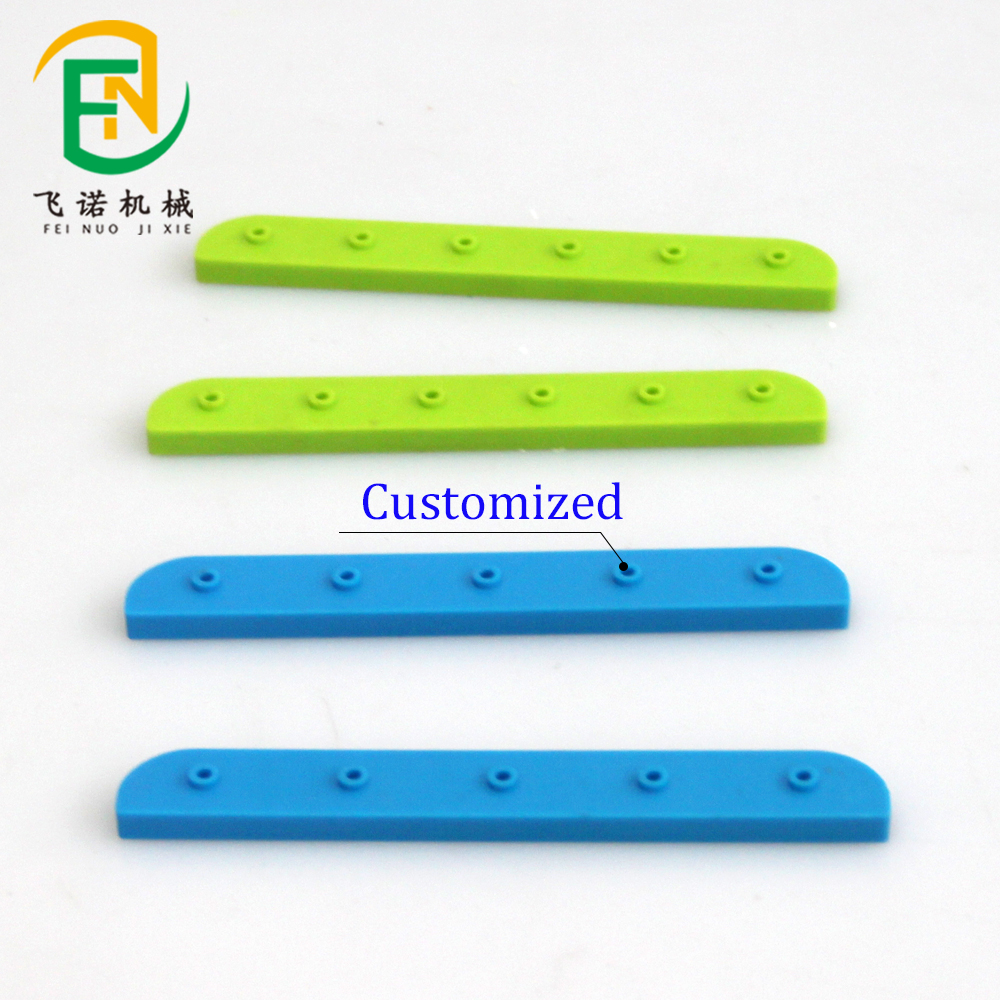
How to Ensure Success in Manufacturing an Injection Molded Part
Producing a flawless injection molded part requires more than technical skill—it demands a systematic approach. Success begins with design validation and simulation to identify potential weak points before production. Partnering with experienced mold engineers can ensure that the design, tooling, and material choices are perfectly aligned.
During manufacturing, maintaining a consistent process through monitoring systems reduces human error and variability. Finally, applying continuous improvement principles—reviewing data, optimizing parameters, and learning from past runs—leads to higher efficiency and longer mold life.
In short, the key to success lies in prevention, not correction. By addressing potential issues early, manufacturers can achieve exceptional quality while minimizing downtime and cost.
Conclusion
Manufacturing an injection molded part is a complex process that demands precision, collaboration, and consistency. Every stage—from design and material selection to tooling and quality control—presents opportunities for both excellence and error.
Avoiding the common mistakes outlined in this article helps manufacturers produce parts that meet exacting standards of performance, appearance, and reliability. With the right knowledge, preparation, and attention to detail, you can transform potential challenges into a smooth and efficient production process—delivering injection molded parts that truly stand out in the market.