
- November 12, 2025
- Posted by: feinuojixie
- Category: Injection Molding News
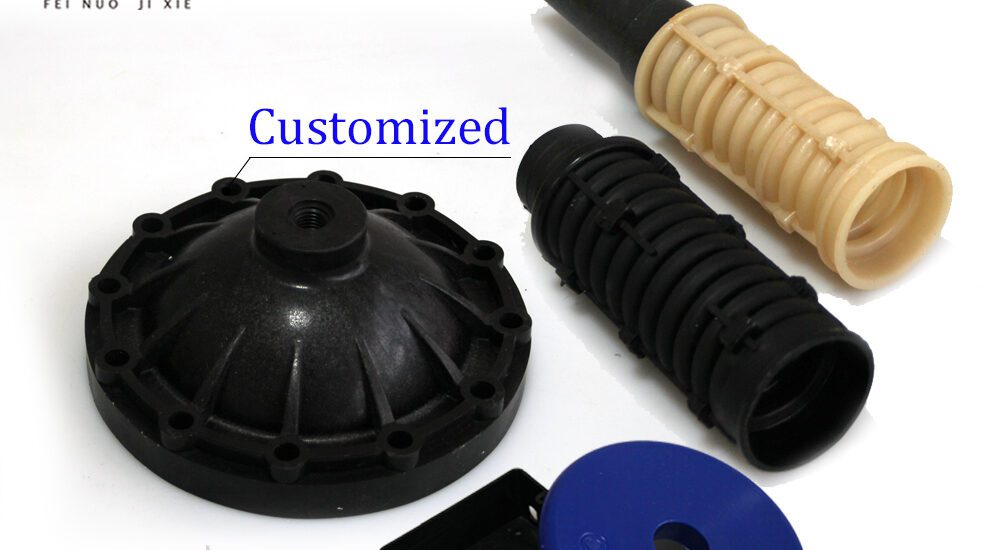
When you hold a flawlessly engineered injection molded part in your hand, it’s easy to admire its clean lines, tight dimensions, and smooth finish. But behind that apparent simplicity lies a complex world of science and engineering. Every high-precision injection molded part is the result of careful calculations, meticulous design, and exact control of physical parameters. From material behavior to thermal dynamics, every step in the process must be scientifically optimized to achieve the desired accuracy.
Precision in injection molding is not accidental — it is engineered. It involves understanding how plastic flows, cools, and solidifies within the mold cavity. Factors such as temperature, pressure, and cooling rate must be harmonized to achieve dimensional stability and a flawless surface. In essence, the science behind a high-precision injection molded part ensures that form and function coexist perfectly, turning raw polymers into reliable, high-performance components that drive modern innovation.
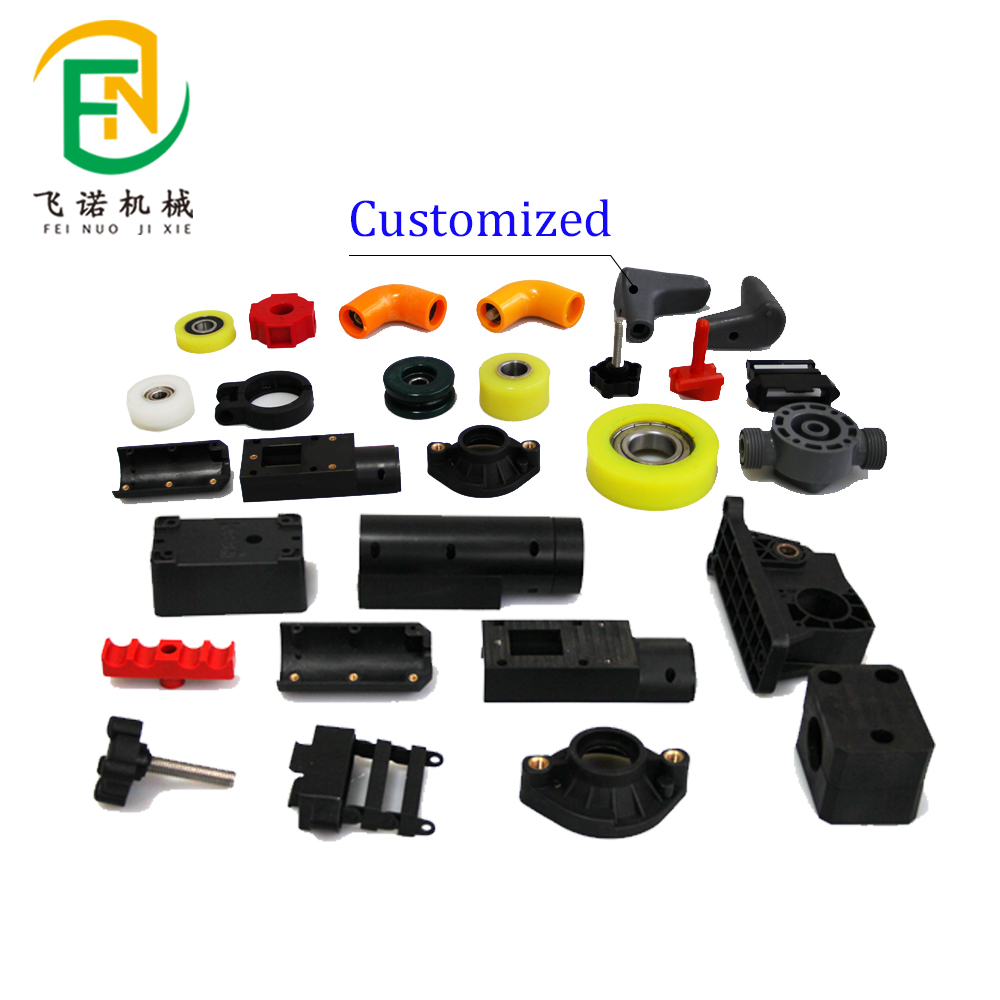
Material Selection: The Foundation of a Precision Injection Molded Part
The journey toward a high-precision injection molded part begins with one of the most crucial choices — the material. Every polymer behaves differently under heat, pressure, and cooling, which directly affects the dimensional stability and surface quality of the final product. Engineers must consider factors such as melt flow index, shrinkage rate, and thermal expansion when selecting the right resin.
For example, polycarbonate and ABS offer excellent impact resistance, making them suitable for automotive and electronic parts, while PEEK and PPS are chosen for their high-temperature tolerance in medical or aerospace applications. The key lies in aligning the polymer’s molecular characteristics with the product’s end-use requirements. A scientific approach to material selection ensures that each injection molded part maintains its structural integrity, aesthetics, and precision even under demanding conditions.
Mold Design Engineering: The Blueprint for Every High-Precision Injection Molded Part
The mold is the heart of the injection molding process. A well-engineered mold transforms liquid polymer into a solid part with exact dimensions. Modern mold design relies heavily on advanced CAD software and flow simulation tools to predict how molten plastic will behave inside the cavity.
Critical considerations include gate location, runner balance, wall thickness uniformity, and draft angles. Any deviation can lead to warping, sink marks, or incomplete fills. Engineers also focus on tolerances — even a few microns can make the difference between a part that fits perfectly and one that fails inspection. Through scientific modeling and precision machining, mold design engineering ensures that every injection molded part begins with a perfect blueprint.
Temperature and Pressure Control: The Physics That Shape an Injection Molded Part
The science of thermodynamics plays a defining role in injection molding. During the process, molten plastic must be injected into the mold cavity at the right temperature and pressure to fill every contour accurately. Too much heat can cause flashing and degradation, while too little leads to incomplete filling or poor surface finish.
Similarly, maintaining consistent injection pressure ensures that material flows evenly, preventing internal stresses and distortions. Cooling is equally vital — the rate at which a part cools influences its final shape and mechanical properties. Sophisticated sensors and controllers monitor these parameters in real time, allowing operators to maintain ideal processing conditions. This level of control is what gives a high-precision injection molded part its consistent quality from one batch to the next.
Tooling Precision: The Craftsmanship Behind Every Injection Molded Part
Even the most advanced design is meaningless without precision tooling. The mold itself must be manufactured with extreme accuracy using state-of-the-art CNC machines, EDM (Electrical Discharge Machining), and polishing techniques. Each mold cavity must reflect the part’s geometry down to the micron level.
The surface finish of the mold also determines the final look and feel of the injection molded part — from high-gloss consumer products to matte-finished industrial components. Skilled toolmakers combine engineering knowledge with craftsmanship to achieve these results. The precision of the tooling ensures not only dimensional accuracy but also repeatability, enabling millions of identical parts to be produced over the mold’s lifetime.
Dimensional Accuracy and Quality Testing: Ensuring Every Injection Molded Part Meets Standards
Once an injection molded part is produced, it undergoes rigorous quality checks. Dimensional accuracy is measured using Coordinate Measuring Machines (CMMs) that can detect deviations as small as a few micrometers. Visual inspections help identify cosmetic defects, while mechanical tests ensure the part meets strength and flexibility requirements.
Statistical Process Control (SPC) is another essential aspect of precision manufacturing. By analyzing production data, engineers can identify trends and prevent deviations before they cause defects. This scientific approach to quality control guarantees that each injection molded part not only meets but exceeds industry standards.
Advanced Technologies Driving Precision: From Simulation to Smart Manufacturing
The evolution of technology has taken injection molding to new heights of precision. Computer-aided engineering tools such as Moldflow simulations allow engineers to predict potential issues like air traps and weld lines before production even begins.
Artificial intelligence and machine learning are now being integrated into injection molding machines to monitor process parameters and make real-time adjustments. Smart sensors embedded in molds collect data on temperature, pressure, and material flow, feeding it back into control systems for optimization. Digital twin technology creates virtual replicas of molds and machines, allowing for predictive maintenance and process improvements. These advancements ensure that every injection molded part benefits from a continuous feedback loop of data-driven refinement.
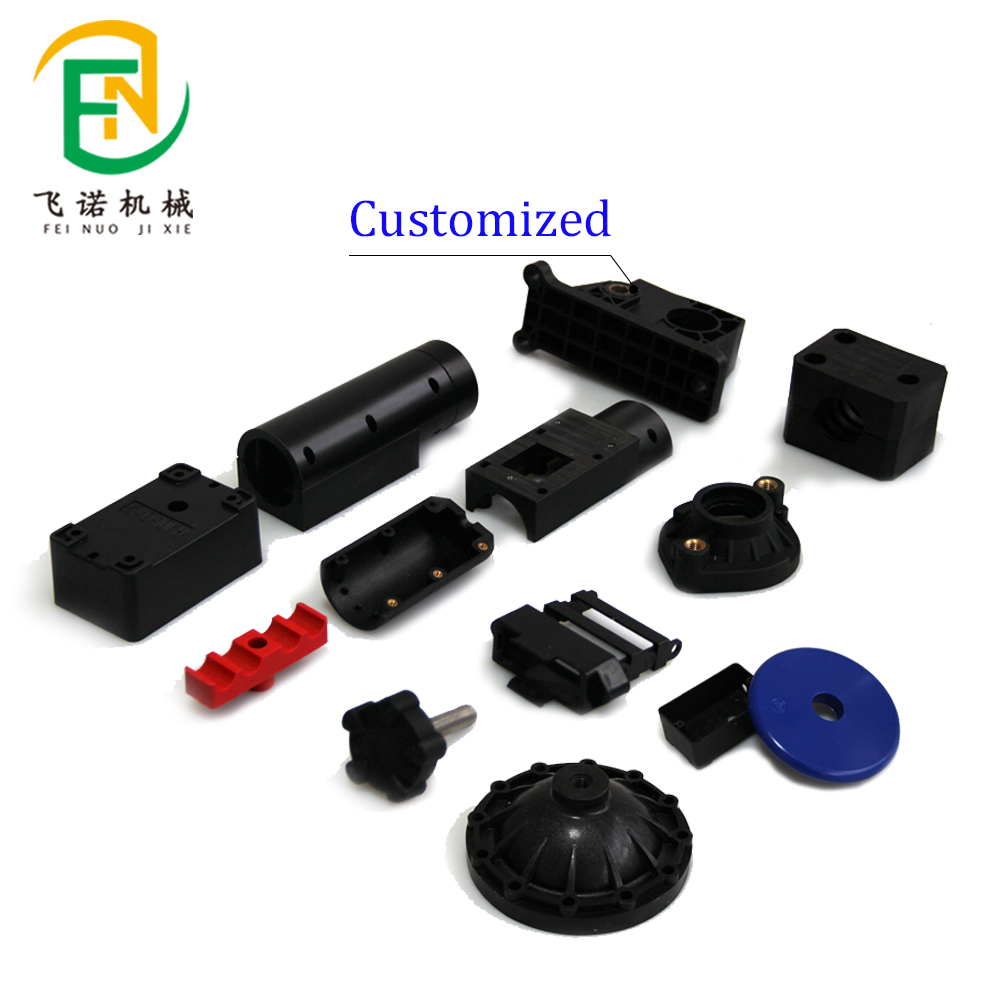
Applications That Demand High Precision Injection Molded Parts
Certain industries rely heavily on the scientific precision of injection molded parts. In the medical field, components like syringe housings and diagnostic equipment must meet exact tolerances to ensure patient safety. The automotive industry depends on precision molding for dashboards, lighting systems, and under-the-hood parts that must withstand heat and vibration.
In electronics, tight-fitting enclosures protect sensitive circuits, while in aerospace, lightweight yet durable components contribute to fuel efficiency and reliability. These applications demonstrate that precision is not just a technical requirement — it is a foundation for performance, safety, and innovation across industries.
The Perfect Blend of Science, Engineering, and Craftsmanship
Creating a high-precision injection molded part is more than just a manufacturing task — it is a scientific achievement. Every stage, from material selection to mold design and process control, is guided by engineering principles and supported by cutting-edge technology.
What results is a component that embodies the harmony between science and craftsmanship, where every molecule, contour, and surface is optimized for perfection. As industries continue to push the limits of design and performance, the science behind injection molding will remain a driving force, shaping the products that define our modern world.