
- November 12, 2025
- Posted by: feinuojixie
- Category: Injection Molding News

Designing an injection molded part is not just a technical process—it’s an art form that merges engineering precision with creative problem-solving. The design stage determines nearly 80% of the final product’s performance, cost, and manufacturability. Whether it’s a sleek consumer gadget or a heavy-duty automotive component, every successful part starts with a deep understanding of how materials, geometry, and process parameters work together. Expert designers know that small decisions—like the curve of a wall, the placement of a gate, or the inclusion of a draft—can make or break the outcome. By mastering the subtleties of injection molded part design, manufacturers can achieve parts that are both flawless in appearance and robust in function.
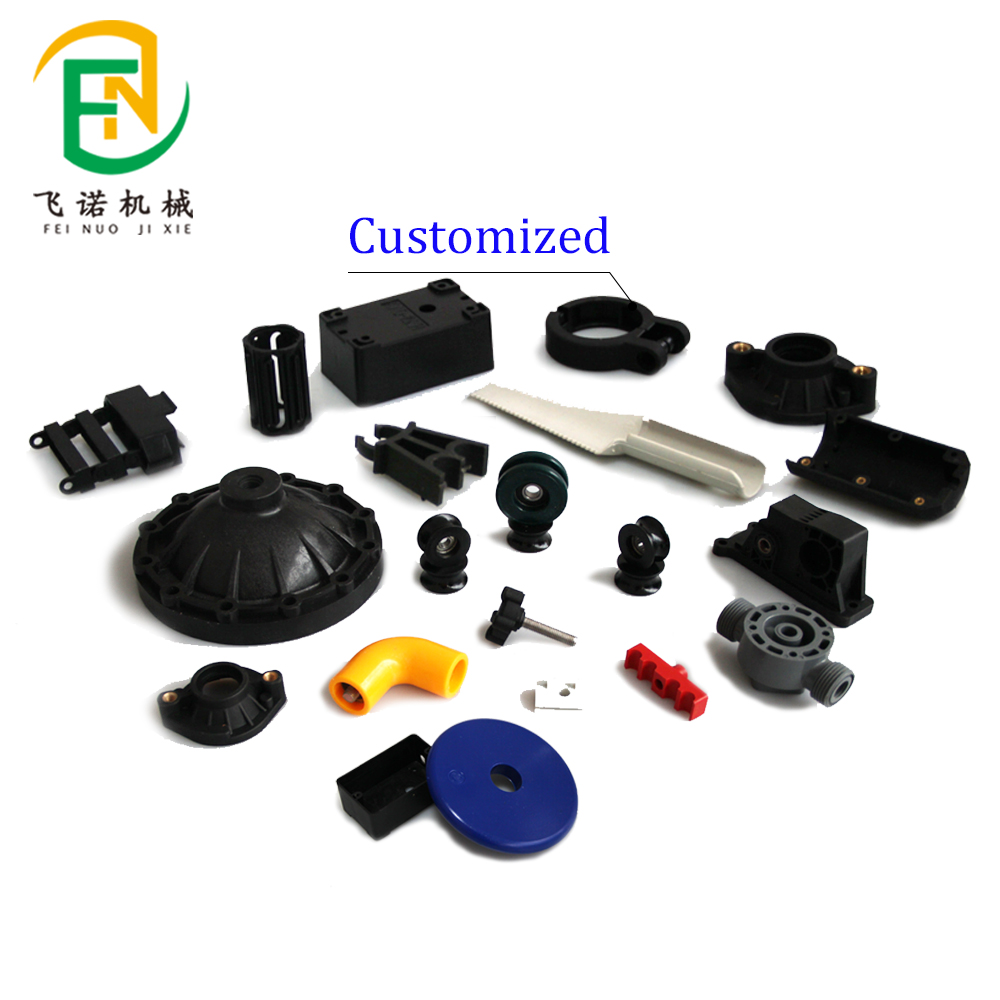
Understanding the Core Principles of Injection Molded Part Design
Every injection molded part begins with a foundation of sound design principles. Experts understand that precision at this stage determines not only how well the part performs but also how easily and cost-effectively it can be produced.
How Material Choice Shapes the Final Product
The type of resin chosen for an injection molded part is one of the most important decisions a designer can make. Each material—whether ABS, nylon, polycarbonate, or polypropylene—comes with its own mechanical, thermal, and chemical properties. For instance, polycarbonate offers strength and transparency but can be prone to stress cracking without proper design considerations. Experts weigh factors like strength, flexibility, operating temperature, and environmental exposure to ensure the material complements the intended use of the part.
The Role of Wall Thickness in Performance and Efficiency
Consistency in wall thickness is crucial for a well-balanced injection molded part. Uneven thickness can lead to issues such as warping, sink marks, and poor dimensional control. Professionals typically maintain uniform walls to promote even cooling and reduce internal stresses. When thickness variation is unavoidable, gradual transitions are used to ensure smooth material flow and minimize defects.
Draft Angles: A Small Detail That Makes a Big Difference
Draft angles are often underestimated, yet they play a vital role in part ejection. Without proper draft, parts can stick to the mold surface, causing scratches or deformation. Even a draft as small as one or two degrees can drastically improve mold release and extend tool life. Expert designers incorporate these angles early in the CAD model to prevent later complications.
Design for Manufacturability: Creating an Injection Molded Part That Works
Designing for manufacturability means thinking beyond appearance. A successful injection molded part must fill correctly, cool uniformly, and eject cleanly from the mold—all while maintaining structural integrity and aesthetic appeal.
Optimizing Flow and Fill Patterns
Flow problems such as short shots, weld lines, and voids can compromise the quality of an injection molded part. By carefully positioning gates and designing balanced runner systems, experts ensure consistent flow throughout the cavity. Flow simulation tools help predict how molten plastic behaves, allowing designers to make data-driven adjustments before production begins.
Integrating Rib and Boss Design for Structural Integrity
Ribs and bosses add strength without significantly increasing weight or cost. Experts design ribs with the right height-to-thickness ratio to avoid sink marks and maintain stiffness. Bosses—used for fasteners or alignment—must be carefully located and supported to prevent cracking or deformation. The best designs integrate these features seamlessly into the overall geometry for a cleaner and more functional part.
Avoiding Stress Concentrations and Weak Points
Sharp corners and abrupt changes in wall thickness can concentrate stress, leading to premature failure. By incorporating fillets, smooth curves, and balanced geometry, designers distribute stress evenly. Expert-level design focuses on creating a structure that can handle both static and dynamic loads without compromise.
Precision Engineering: Expert-Level Tactics for High-Performance Injection Molded Part
When it comes to achieving exceptional performance, precision engineering makes the difference. Experts go beyond basic design principles to fine-tune every detail of the injection molded part.
The Secret Behind Dimensional Accuracy and Tolerances
Injection molding involves shrinkage as plastic cools, and ignoring this can result in parts that don’t fit or function as intended. Skilled designers calculate expected shrinkage based on material type, wall thickness, and mold temperature. They work closely with mold engineers to achieve tight tolerances and ensure that critical dimensions remain stable across production runs.
Surface Finish and Texture: Blending Form with Function
A well-designed surface finish not only enhances visual appeal but also improves usability. Textured surfaces can hide flow lines and fingerprints, while smooth finishes are essential for optical clarity or sealing surfaces. Experts consider how texture affects release, wear, and post-processing, choosing finishes that match the functional and aesthetic goals of the part.
Advanced Cooling Channel Design for Cycle Time Reduction
Efficient cooling is the key to both quality and productivity. Traditional straight-line cooling channels often leave hot spots that cause uneven cooling. Experts use conformal cooling—channels that follow the shape of the part—to achieve uniform temperature distribution. This innovation reduces cycle time, improves surface quality, and extends mold life.
Collaboration and Simulation: The Modern Expert’s Toolbox
Today’s expert designers don’t work in isolation. They leverage digital tools and teamwork to refine every detail of an injection molded part before steel is ever cut.
Using Moldflow Analysis to Perfect Injection Molded Part Design
Moldflow analysis allows designers to visualize how molten plastic fills, packs, cools, and warps within a mold. By simulating real-world conditions, they can identify potential issues early—such as air traps, weld lines, or sink areas—and adjust the design accordingly. This proactive approach minimizes trial-and-error and reduces costly revisions during toolmaking.
Why Early Collaboration with Mold Makers Pays Off
Open communication between designers and mold makers is critical for a successful project. Mold makers provide practical insights into manufacturability, tooling limitations, and maintenance concerns. Early collaboration ensures that design intent aligns with production reality, saving time, money, and frustration later in the process.
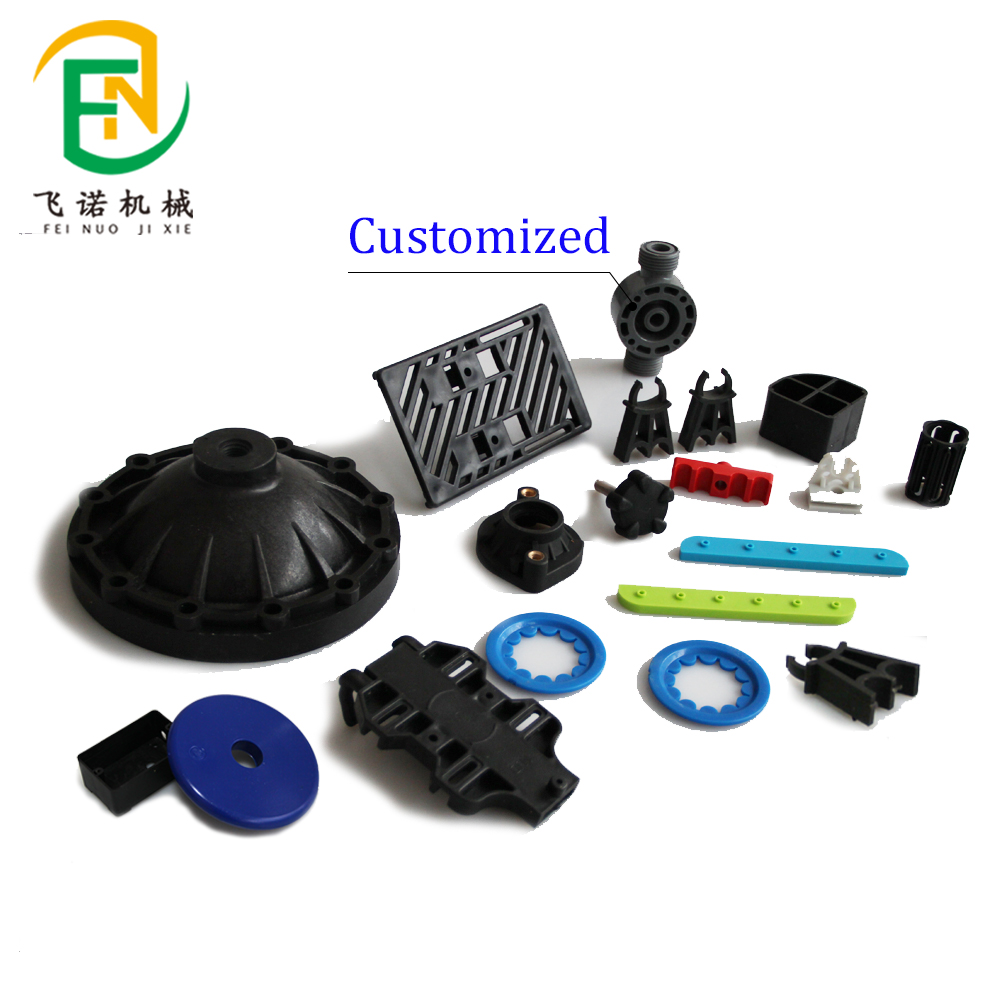
Common Pitfalls Even Experienced Designers Can Miss
Even seasoned professionals can fall into traps if they overlook key details. Awareness of these common mistakes can help avoid costly setbacks.
Overcomplicating the Geometry
Complex shapes may look impressive but can lead to difficult molding, longer cycle times, and higher costs. Experts prioritize simplicity and symmetry wherever possible. Streamlined geometry often results in stronger, more reliable parts that are easier to manufacture and assemble.
Ignoring Draft or Wall Thickness Variations
Neglecting draft angles or allowing drastic wall thickness changes is a recipe for molding problems. These oversights can cause warping, sticking, or incomplete fills. Expert designers review every surface to ensure manufacturability while maintaining the intended aesthetics.
Underestimating Material Behavior
Each plastic resin behaves differently under pressure and heat. Failing to account for flow rate, cooling rate, or shrinkage can result in poor fit or performance. Professionals test and validate material behavior through data sheets, simulations, and prototype trials before finalizing the design.
Turning Design Expertise into Manufacturing Excellence
Creating a flawless injection molded part requires more than technical knowledge—it demands foresight, precision, and creativity. Expert designers understand that every decision, from material selection to draft angle placement, contributes to performance, efficiency, and longevity. By mastering design fundamentals, applying advanced engineering principles, and embracing modern tools like simulation, manufacturers can consistently produce high-quality parts that exceed expectations. In the world of injection molding, expertise is not about knowing everything—it’s about knowing what truly matters at every stage of design and production.