
- November 13, 2025
- Posted by: feinuojixie
- Category: Injection Molding News

In today’s competitive manufacturing world, every company faces the same tough question: how can you produce an injection molded part that maintains exceptional quality without overspending? The answer is rarely simple. On one side, cost reduction is crucial to stay profitable and competitive. On the other, quality defines brand reputation and customer trust. Striking the right balance between these two forces is what separates average manufacturers from industry leaders.
This balance requires more than just smart budgeting—it calls for strategic decision-making across every stage of production, from material selection and mold design to process optimization. By understanding the relationship between cost and quality, manufacturers can create injection molded parts that deliver durability, precision, and value—without breaking the budget.
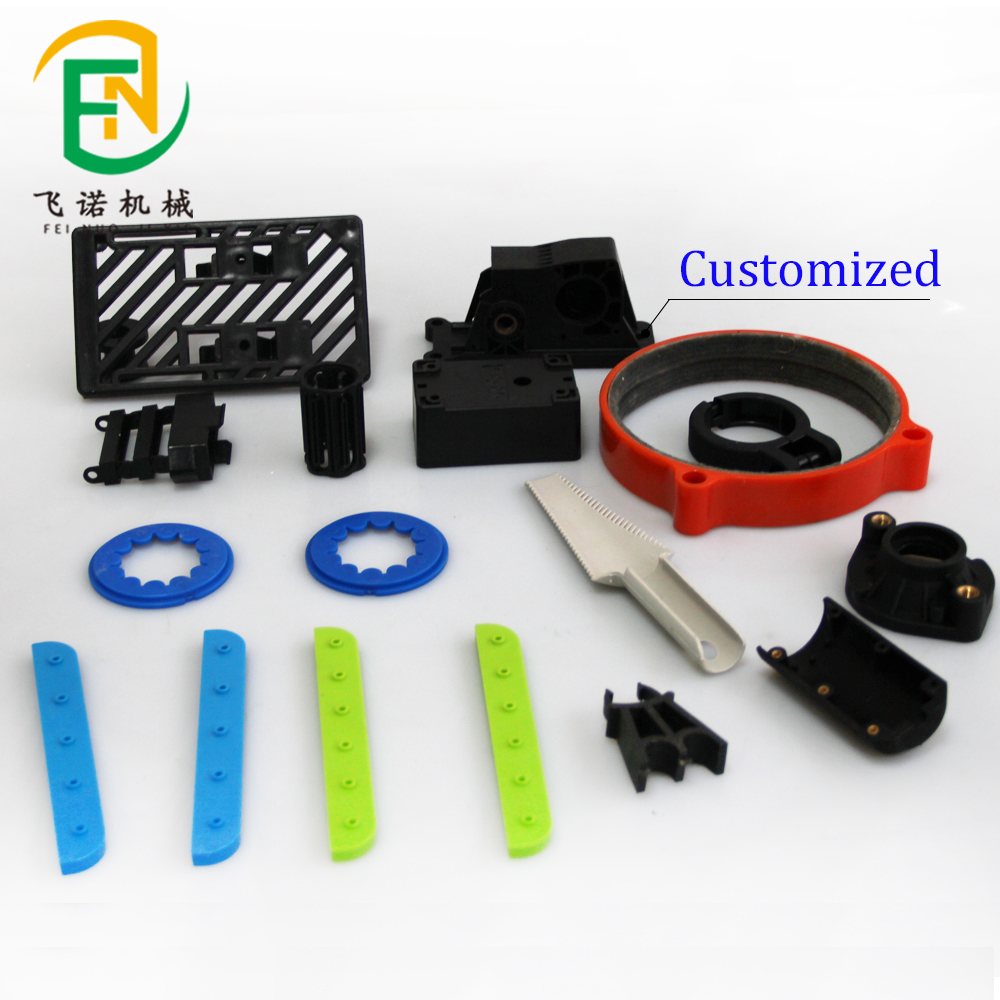
Understanding What Drives the Cost of an Injection Molded Part
The cost of an injection molded part is shaped by multiple interconnected factors, each playing a crucial role in the final price tag. The first and most obvious is the material—different resins vary widely in cost depending on their mechanical strength, heat resistance, and chemical properties. Engineering-grade plastics such as PEEK or ABS are more expensive than commodity materials like polypropylene, but they often provide performance advantages that justify the investment.
Another major cost driver is the tooling. Creating high-precision molds is a significant upfront expense, especially when tight tolerances and complex geometries are involved. However, a well-made mold ensures consistent quality and longer lifespan, spreading its cost over thousands—or even millions—of cycles.
Production volume also affects cost. The more parts produced, the lower the cost per unit becomes due to economies of scale. Conversely, small production runs often result in higher per-part prices. Lastly, design complexity can influence cycle time, mold wear, and defect rates, all of which add to total cost. Understanding these elements allows manufacturers to make informed decisions that minimize cost without sacrificing quality.
Why Quality in an Injection Molded Part Matters More Than You Think
While reducing costs is tempting, neglecting quality can have serious consequences. A poorly made injection molded part can lead to product failures, recalls, and costly rework. Beyond immediate losses, low quality damages a company’s reputation—something that takes years to rebuild.
High-quality parts, on the other hand, ensure reliability, longevity, and customer satisfaction. They fit correctly, perform as intended, and reduce the need for maintenance or replacement. In industries like automotive, medical, or aerospace, quality isn’t just preferred—it’s mandatory. The hidden costs of poor quality, such as warranty claims or downtime, often far exceed the savings from cheaper production. Investing in quality upfront is ultimately an investment in long-term success.
Material Selection: The Foundation of Cost and Quality Balance
Choosing the right material is one of the most impactful decisions in any injection molded part project. The ideal resin must meet both functional and budgetary requirements. For instance, if a part needs high impact resistance but operates in a moderate temperature environment, a mid-range ABS or polycarbonate blend may offer the perfect balance.
Manufacturers should evaluate not only the raw material price but also how it behaves during molding. Some materials require higher processing temperatures or longer cycle times, which can drive up production costs. Collaborating with material suppliers and mold designers early in the process helps identify the most cost-effective resin that still delivers the required mechanical and aesthetic properties.
Design Optimization: Reducing Waste Without Sacrificing Integrity
A well-optimized design can significantly reduce costs while maintaining performance. By minimizing material usage and improving manufacturability, companies can achieve both economic and structural benefits. For example, consistent wall thickness prevents warping and reduces cycle time, while appropriate draft angles make part ejection easier and faster.
Gate placement and rib design are also critical. Poorly positioned gates can lead to flow marks or weak spots, while overly thick ribs can cause sink marks. With computer-aided engineering (CAE) and mold flow analysis, engineers can simulate part behavior before production begins, ensuring the design minimizes waste and defects. The result is a part that meets quality standards while remaining cost-efficient to produce.
Tooling Considerations: Investing Wisely in Mold Design
The mold is the heart of any injection molded part production, and investing wisely in tooling pays off in the long run. High-quality molds built with durable materials such as hardened steel can withstand more cycles, maintain dimensional accuracy, and produce consistent parts over time. Although initial tooling costs may be higher, the long-term savings from reduced maintenance, lower scrap rates, and improved efficiency are substantial.
Modular mold designs are another effective strategy. They allow for quick part variations or future modifications without the need to rebuild the entire tool. By balancing initial tooling investment with production goals, manufacturers can achieve sustainable cost control without compromising part quality.
Process Control and Automation: The Key to Consistency
Modern manufacturing relies heavily on precision, and that’s where process control and automation shine. Advanced monitoring systems can track temperature, pressure, and cycle time in real-time, ensuring every injection molded part meets the same high standard. These technologies not only reduce human error but also enable data-driven improvements over time.
Automation also helps lower labor costs and streamline production. Robotic arms can handle part removal, trimming, or assembly with accuracy and speed, allowing human operators to focus on quality inspection and process optimization. In combination, process control and automation create a consistent workflow that supports both cost efficiency and superior part quality.
Partnering with the Right Manufacturer: Experience Over Price
Not all manufacturers are created equal. Choosing a reliable production partner can be the difference between a successful project and a costly failure. An experienced manufacturer understands how to balance material costs, tooling investments, and production parameters to achieve the best results for your injection molded part.
When evaluating potential partners, look beyond price quotes. Consider their technical expertise, equipment quality, and communication transparency. A trustworthy manufacturer will help identify cost-saving opportunities without cutting corners that affect performance or durability. In the long term, experience and collaboration yield far greater value than the lowest bid ever could.
The Long-Term Payoff: Why Balanced Decisions Lead to Sustainable Success
Finding equilibrium between cost and quality is not just a short-term production goal—it’s a long-term business strategy. Companies that prioritize this balance create products that perform well, last longer, and generate stronger customer loyalty. The initial investment in better materials, optimized design, and skilled manufacturing partners pays off through reduced maintenance, fewer defects, and enhanced brand reputation.
Over time, these benefits accumulate into a sustainable competitive advantage. Balanced decision-making leads to products that not only meet cost targets but also exceed expectations in function and appearance. This combination is what defines true manufacturing excellence.
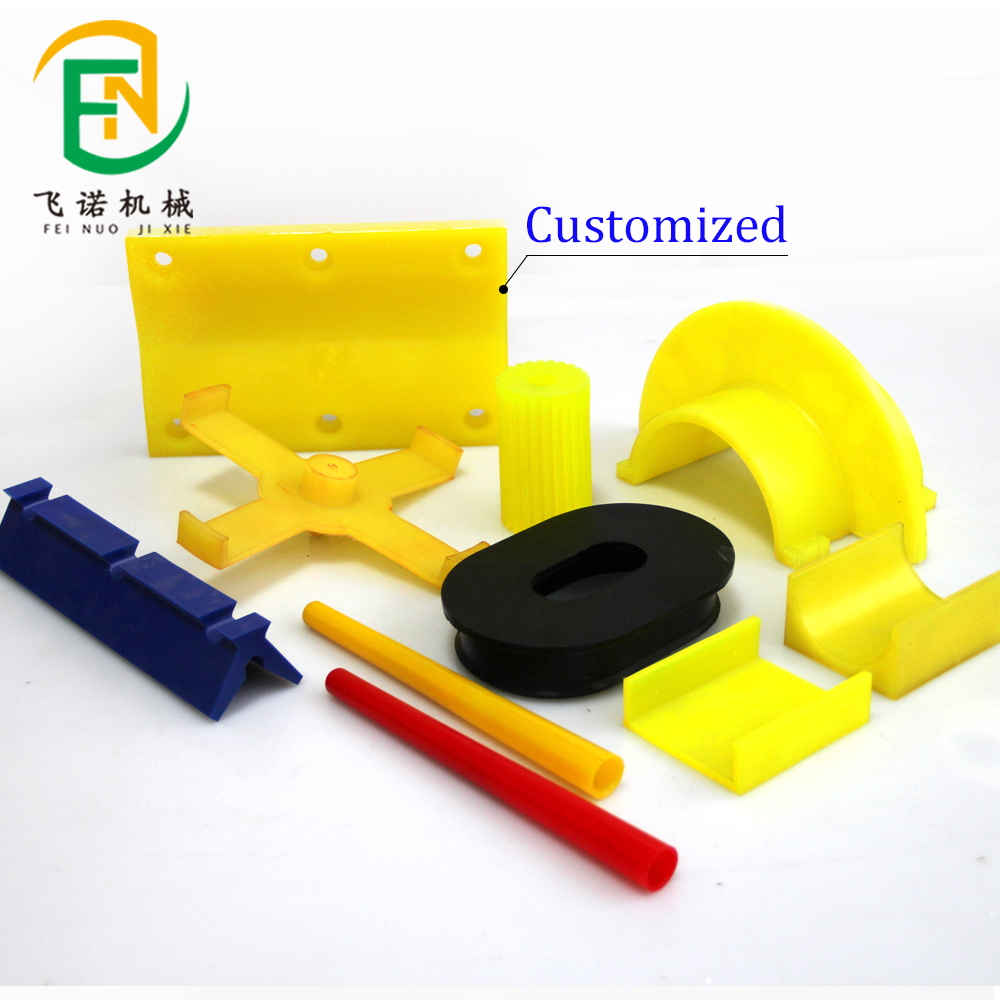
Smart Choices Define Great Injection Molded Part Production
In the world of injection molding, the tension between cost and quality will always exist—but it doesn’t have to be a battle. Success lies in making smart, informed choices at every stage of production. From selecting the right materials and designing efficient molds to implementing automation and partnering with experts, each decision contributes to the final outcome.
By understanding the full picture rather than focusing on price alone, manufacturers can consistently produce injection molded parts that deliver exceptional value—affordable, durable, and built to last. In the end, it’s not just about saving money; it’s about building better products that stand the test of time.