
- November 18, 2025
- Posted by: feinuojixie
- Category: Injection Molding News

Injection molding automotive parts play a central role in modern vehicle development, and understanding how they are made offers valuable insight into why the process is so widely adopted. At its core, injection molding allows manufacturers to produce complex shapes with high precision and repeatability, which is essential for automotive functions ranging from structural support to interior comfort. This introduction sets the stage for exploring how material selection, tooling precision, and step-by-step engineering come together to form high-quality components that help vehicles stay lightweight, durable, and cost-efficient.
Understanding Injection Molding Automotive Parts and Their Role in the Industry
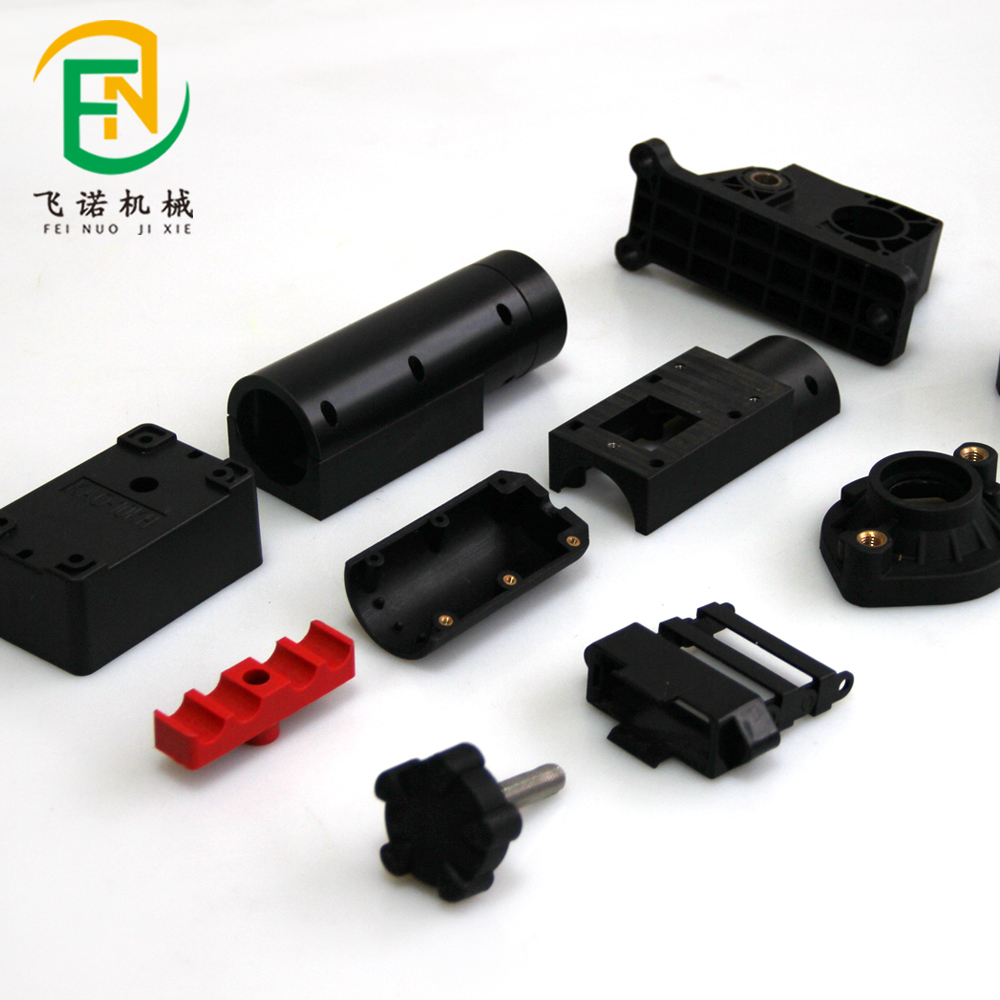
Injection molding automotive parts are components created by injecting molten plastic into a precision-engineered mold. These parts cover a wide range of vehicle applications, including interior panels, structural clips, functional brackets, and exterior trim. Their importance lies in their ability to deliver consistent geometry, smooth surfaces, tight tolerances, and repeatable performance. By relying on injection molding, automakers can achieve stable output, simplified assembly, and predictable performance across millions of vehicles.
Injection molding also supports the shift toward lightweight design, helping manufacturers replace heavier metal parts with high-strength polymer components. This role grows more essential as the automotive industry continues moving toward electric mobility, efficiency, and improved aerodynamics.
Key Advantages of Using Injection Molding Automotive Parts in Vehicle Engineering
One of the greatest strengths of injection molding automotive parts is dimensional precision. The process repeats the same mold cycle thousands or millions of times, making it ideal for ensuring consistent part quality. Another advantage is efficiency: once the mold is installed and running, production cycles are fast, which lowers cost per component.
Material flexibility also plays a major role. Different plastics provide impact resistance, heat stability, UV protection, or flexibility depending on the part’s function. Additionally, injection molding enables complex shapes that other manufacturing methods struggle to replicate. Features like clips, undercuts, textured surfaces, and integrated reinforcements can all be produced in one shot, reducing assembly steps.
Essential Materials Used to Make Injection Molding Automotive Parts
A wide range of polymers can be used to create injection molding automotive parts, each selected for its performance in real-world vehicle conditions. ABS offers excellent toughness and is often used for interior components. PP is lightweight and cost-effective, ideal for panels and trim. PA provides high heat and chemical resistance, making it perfect for under-the-hood parts. PC is known for strength and impact resistance, while TPE brings flexibility for seals and vibration-damping applications.
Choosing the right material directly affects durability, weather resistance, dimensional stability, and overall performance. Engineers evaluate mechanical strength, chemical compatibility, temperature exposure, and even long-term aging before finalizing the resin.
How the Tooling Phase Shapes Injection Molding Automotive Part Quality
Tooling is the foundation of every injection molding automotive part. The mold must be designed with extreme precision since even a minor error can translate into thousands of defective pieces. Key elements include cavity layout, runner design, gating strategy, and cooling channel placement. Engineering teams also define parting lines, tolerances, draft angles, and structural reinforcement to ensure the finished component releases cleanly and maintains its intended geometry.
Tool steel selection affects mold life, especially when producing parts under abrasive, high-pressure conditions. High-quality surface finishing ensures that textures, gloss levels, and aesthetic details match automotive standards. In short, the quality of tooling determines the quality of the final part.
Step-by-Step Manufacturing Process of Injection Molding Automotive Parts
Material Drying and Preparation for Injection Molding Automotive Part Production
Material preparation begins with drying plastic pellets to remove moisture that can cause defects like bubbles, streaks, and weakened mechanical properties. The resin is filtered and conditioned to ensure stability before entering the machine. Many automotive-grade plastics—especially PA and PC—require strict humidity control to prevent cosmetic and structural issues.
Melting and Plasticizing the Resin for an Injection Molding Automotive Part
Inside the injection molding machine, pellets move through a heated barrel and rotating screw. The screw shears, compresses, and heats the material until it becomes a uniform molten mass. Proper plasticizing ensures that the resin reaches the right viscosity and thermal conditions for consistent mold filling.
High-Pressure Injection and Mold Filling of an Automotive Part
Once molten, the material is injected into the mold at high pressure. This stage must be tightly controlled because filling speed, pressure curves, and temperature all influence how the part forms. Engineers optimize these parameters to minimize issues such as short shot, flow lines, or trapped air.
Holding Pressure to Enhance the Structure of an Injection Molding Automotive Part
After the initial injection, holding pressure is applied to pack more material into the cavity as the plastic begins to cool. This prevents sink marks, voids, and dimensional errors. For structural automotive components, this stage is critical to achieving consistent density and strength.
Cooling Phase and Dimensional Stabilization of an Injection Molding Automotive Part
Cooling is often the longest phase of the entire cycle. The mold’s internal cooling channels circulate temperature-controlled water or oil to extract heat. Proper cooling ensures the part solidifies evenly and maintains dimensional accuracy. Inadequate cooling can lead to warping, shrinkage, or internal stress.
Mold Opening and Ejection of the Finished Injection Molding Automotive Part
Once cooled, the mold opens, and ejector pins or robotic arms remove the finished part. For automotive components, automated handling ensures that parts are not scratched or distorted. This step also enables rapid cycling, improving output and consistency.
Quality Control Methods Used for Every Injection Molding Automotive Part
Automotive production demands strict quality assurance. Each injection molding automotive part goes through visual inspection, dimensional measurement, and surface evaluation. Advanced techniques like coordinate measuring machines (CMM), optical scanners, tensile testing, and thermal aging simulation help verify that parts meet industry requirements.
Documentation and traceability are equally important. Manufacturers track material batches, machine settings, inspection results, and production dates to ensure full accountability.
Common Challenges When Making Injection Molding Automotive Parts and How Manufacturers Solve Them
Common challenges include warping, sink marks, short shot, burn marks, and weld lines. Engineers resolve these issues by adjusting gate placement, optimizing injection parameters, improving venting, or enhancing mold cooling. Material modifications, such as adding glass fiber reinforcement, also help improve stiffness and minimize deformation.
Process engineers also rely on simulation software to predict potential problems before production begins, reducing waste and improving reliability.
Why Automation and Smart Technology Improve Injection Molding Automotive Part Production
Automation plays a major role in increasing efficiency, safety, and consistency. Robots assist with part handling, assembly, trimming, and packaging. Smart sensors monitor temperature, pressure, fill rate, and energy consumption in real time. AI-driven adjustments help maintain stable production even when conditions fluctuate.
These innovations reduce downtime, lower scrap rates, and ensure that every injection molding automotive part meets strict automotive expectations.
Sustainability Practices in Injection Molding Automotive Part Manufacturing
Sustainability has become a priority for automotive manufacturers. Injection molding facilities reduce waste through efficient runner design, regrind usage, and energy-optimized machines. Eco-friendly materials, recycled plastics, and improved thermal management all contribute to greener production.
Some factories also implement closed-loop water systems and digital energy monitoring to reduce environmental impact.
How Injection Molding Automotive Parts Continue to Shape the Future of Automaking
Injection molding automotive parts remain essential to modern vehicle design, offering unmatched precision, scalability, and cost efficiency. From tooling to material selection to smart production technology, every step of the process ensures that components meet the high demands of automotive performance and safety. As the industry moves toward electrification, lightweighting, and advanced sustainability, injection molding will continue evolving—and remain a driving force in the future of vehicle manufacturing.