
- November 18, 2025
- Posted by: feinuojixie
- Category: Injection Molding News

When you order an injection molding automotive part, the first step is to understand how the process works and why it plays such a critical role in the automotive industry. Injection molding is the method car manufacturers rely on to create durable, lightweight, and cost-efficient component for both interior and exterior applications. From dashboards to brackets and housings, each part requires precision and consistency, which means the order process must be handled carefully. By understanding the basic steps—material melting, injection, cooling, and ejection—you gain a clearer view of what determines part quality and cost. This foundation helps you communicate more effectively with your supplier and avoid unnecessary mistakes later in the ordering process.
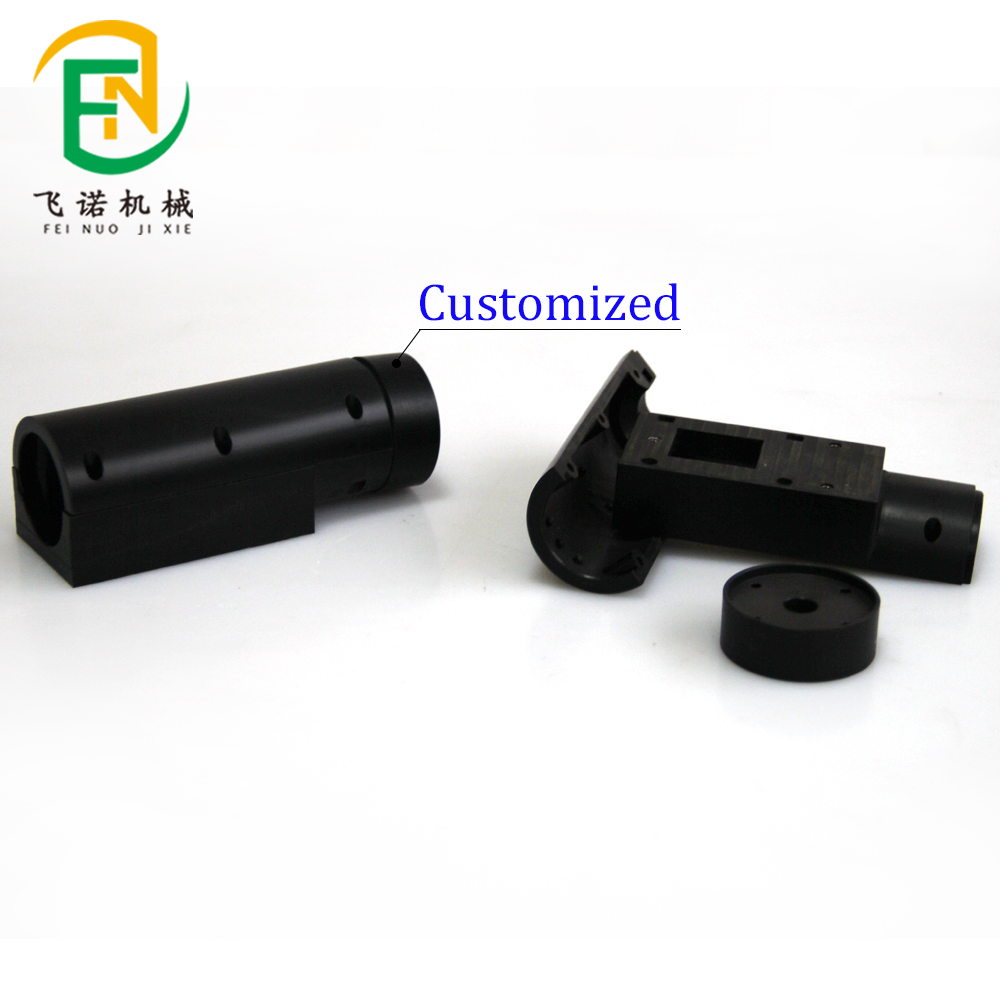
Failing to Clearly Define Requirements for Your Injection Molding Automotive Part
One of the most common mistakes buyers make is providing incomplete or unclear specifications. Every injection molding automotive part requires precise details such as dimensions, tolerances, surface finish, color, functional expectations, and environmental conditions. Without clearly defined requirements, suppliers must make assumptions, which often leads to mismatches between what you expect and what gets produced. To avoid rework, delays, and added cost, ensure every technical detail is documented before the order begins.
Overlooking Material Selection for Injection Molding Automotive Part
Choosing the right material is essential for the performance and lifespan of any injection molding automotive part. Many buyers rely solely on cost or familiar resin types, ignoring factors such as strength, heat resistance, UV stability, chemical exposure, and long-term durability. Selecting the wrong resin can cause cracking, warpage, premature aging, or failure. Working closely with your supplier or a material expert ensures that the resin matches both the design and the real-world conditions the part will face.
Ignoring the Importance of Design for Manufacturability in Injection Molding Automotive Part
A well-designed injection molding automotive part must follow the principles of manufacturability. Common design issues—such as inconsistent wall thickness, insufficient draft angles, overly thin sections, poorly placed ribs, or unnecessary undercuts—can lead to defects or increased tooling cost. If the design is not optimized early, production problems are inevitable. Collaborating with engineers who understand both automotive requirements and mold design can significantly reduce risk.
Choosing the Wrong Supplier for Your Injection Molding Automotive Part
Not all molding suppliers have the same capabilities. Some may lack automotive certifications, advanced equipment, or quality control systems required for demanding parts. Others may offer low prices but compromise on tooling quality or material reliability. When ordering an injection molding automotive part, it is critical to evaluate supplier experience, technical support, mold-building capability, QC procedures, and track record. A strong supplier partnership ensures consistency, transparency, and long-term reliability.
Neglecting Early Mold Flow Analysis for Injection Molding Automotive Part
Skipping mold flow analysis is a costly oversight. Mold flow simulation identifies potential problems such as weld lines, air traps, short shot, sink, or warpage before the mold is built. Many issues discovered in simulation require only small design adjustments but become expensive corrections once tooling begins. Ensuring early mold flow analysis is part of the development process greatly improves the reliability of your injection molding automotive part.
Underestimating Tooling Quality Requirements for Injection Molding Automotive Part
The mold is the heart of the entire production process. Choosing low-grade steel, ignoring cooling channel design, or failing to specify the expected mold life all create long-term problems. Poor tooling leads to inconsistent part quality, frequent downtime, and higher maintenance cost. For an injection molding automotive part, especially those needed in high volume or long-term production, investing in a high-quality mold reduces risk and saves money in the long run.
Not Planning for Production Volume and Scalability of Injection Molding Automotive Part
Every injection molding automotive part project should be matched with the right production strategy. Ordering a mold designed only for small batches when you actually need high-volume output causes delays later. Similarly, not considering automation, multi-cavity molds, or cycle time optimization can increase production cost. Proper planning ensures the manufacturing setup aligns with your long-term volume goals.
Forgetting to Validate Prototype Before Mass Order of Injection Molding Automotive Part
Skipping prototype validation is one of the fastest ways to encounter mass-production failure. A prototype helps verify dimensions, fit, assembly, and functional performance. It also reveals potential issues that were not obvious in the CAD model. Before placing a large order for any injection molding automotive part, make sure the prototype passes full testing, including dimensional inspection, mechanical evaluation, and real-world durability checks.
Failing to Consider Post-Processing Needs for Injection Molding Automotive Part
Many automotive parts require secondary operations such as painting, coating, hot stamping, ultrasonic welding, or assembly. Forgetting to plan these operations ahead of time may result in incompatible designs or unexpected cost increases. Clarifying all post-processing needs during the ordering phase ensures that your injection molding automotive part meets both functional and aesthetic expectations.
Overlooking Quality Control and Inspection for Injection Molding Automotive Part
Without a clear QC plan, even experienced suppliers may not inspect the part according to your requirements. Missing tolerance charts, sample approval criteria, or CMM reports can lead to batch inconsistencies. Every injection molding automotive part order should include inspection standards, testing methods, sampling size, and acceptance criteria. Effective QC prevents delays, rejects, and costly returns.
Not Factoring in Long-Term Cost Instead of Short-Term Pricing for Injection Molding Automotive Part
Many buyers focus solely on the initial quote, overlooking long-term cost implications. Cheaper molds or materials may appear attractive up front but often lead to repeated repairs, higher scrap rates, or reduced product lifespan. A well-engineered injection molding automotive part considers total cost of ownership, including tooling life, maintenance, material performance, and production stability.
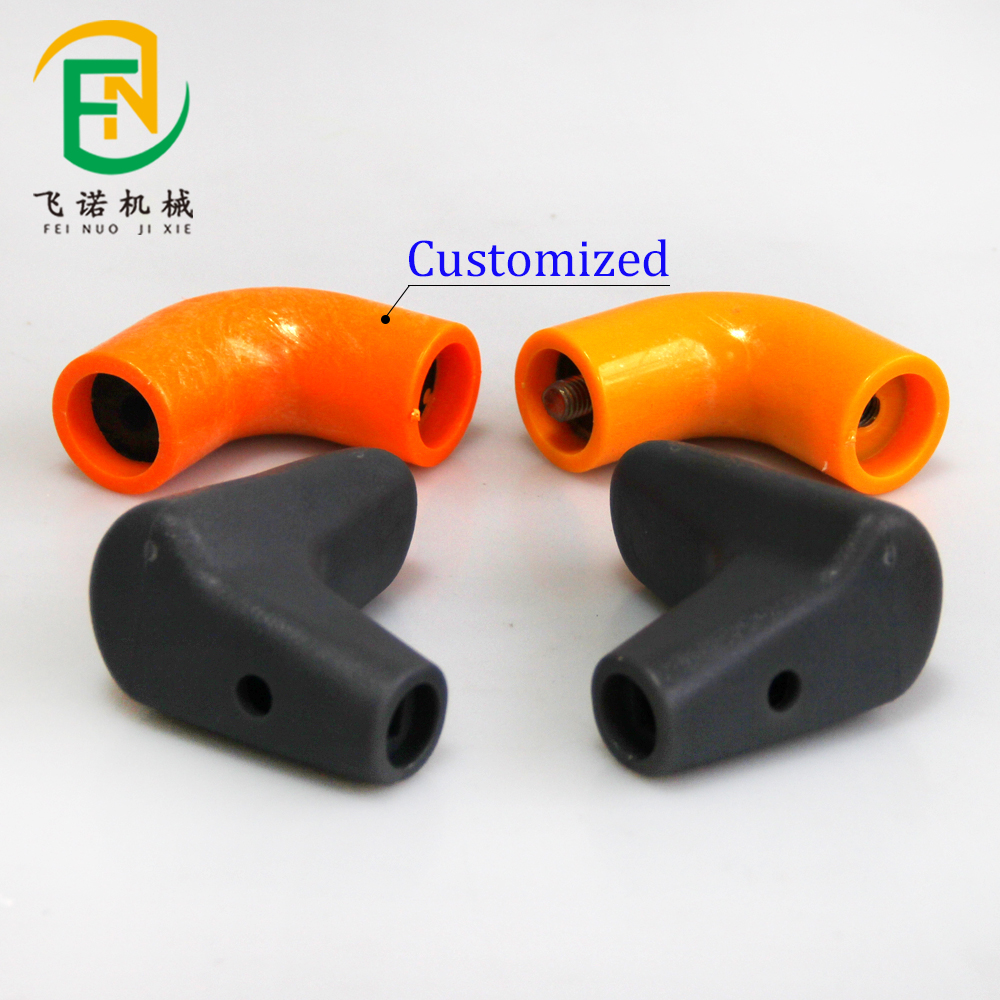
Lacking Proper Communication During the Ordering Process of Injection Molding Automotive Part
Poor communication is a silent but significant cause of project failure. Missing updates, unclear timelines, or incomplete documentation can disrupt production and create misunderstandings. Regular communication with the supplier—covering tooling progress, material confirmation, trial results, and delivery schedule—ensures your injection molding automotive part remains on track.
Final Tips for Successfully Ordering Injection Molding Automotive Part
Ordering an injection molding automotive part is a complex process, but with the right approach, you can avoid costly mistakes. Define your requirements clearly, choose the right material, involve experts early, and prioritize tooling quality. Validate prototypes, plan for long-term production, and maintain strong communication with your supplier. These steps help ensure your part is manufactured efficiently, accurately, and ready to meet the high standards of the automotive industry.