
- November 19, 2025
- Posted by: feinuojixie
- Category: Chain Guides News
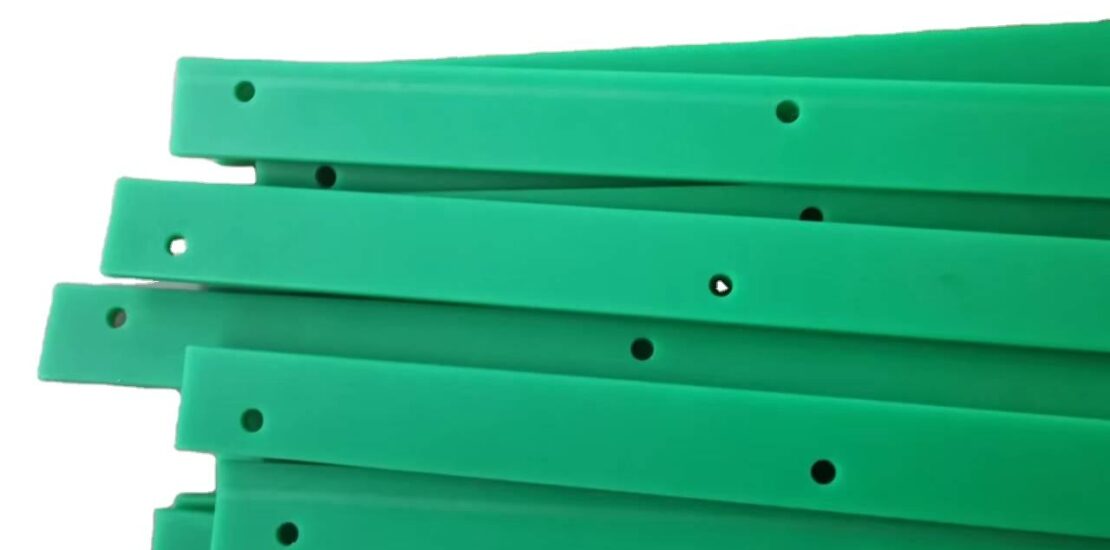
Plastic guide rail is rapidly emerging as one of the most valuable components in today’s manufacturing landscape. As industries continue to push for lighter, cleaner, and more efficient conveyor system, plastic guide rail provides a solution that perfectly aligns with modern production goals. Its lightweight nature makes installation easier and reduces overall system load, while its durability ensures long-term performance even under constant motion and friction. Manufacturers across food processing, packaging, automotive, and logistics are increasingly adopting plastic guide rail to improve workflow reliability, minimize downtime, and support faster, more automated operations.
Understanding Plastic Guide Rail and Its Critical Role in Conveyor System
Plastic guide rail plays a central role in guiding, supporting, and stabilizing products as they move along a conveyor system. It ensures that items stay aligned, reduces the risk of jamming, and maintains consistent flow across the entire production line. Unlike metal rail that can scratch or damage delicate products, plastic guide rail provides a smooth and gentle surface, making it ideal for industries where product quality and appearance matter. Its adaptable shapes and profiles also make it suitable for a wide range of conveyor layouts, from straight-line transport to complex curves.
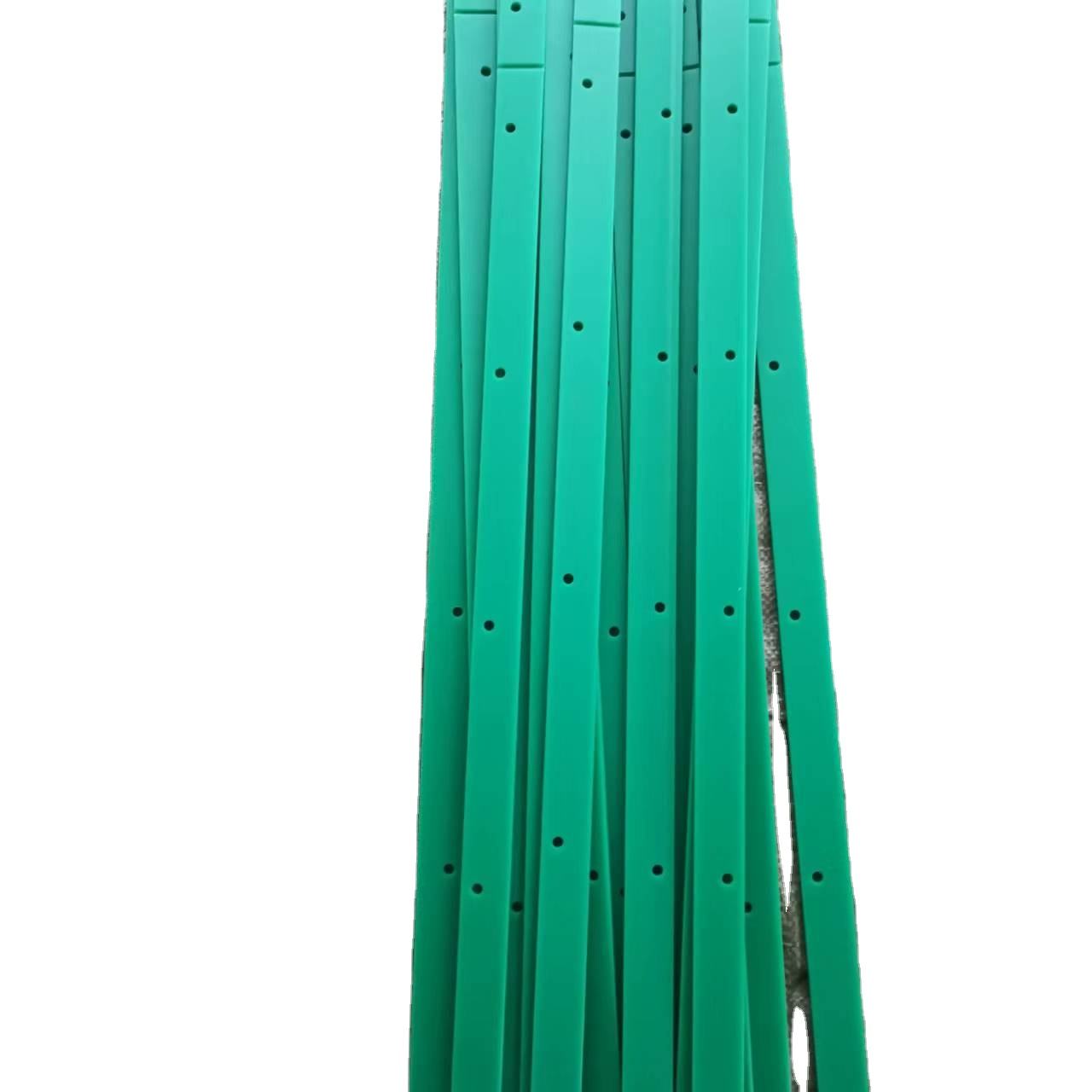
Key Advantages of Plastic Guide Rail in Modern Manufacturing
Lightweight Performance Without Compromising Strength
One of the strongest advantages of plastic guide rail is its lightweight design, which significantly reduces the stress placed on conveyor structure. This weight reduction makes handling, installation, and adjustment easier for operators, while still offering enough strength to support demanding manufacturing tasks. The combination of low weight and high durability makes it a preferred choice over metal alternatives in many industries.
Superior Wear Resistance for Long-Term Reliability
Plastic guide rail is engineered to withstand repetitive contact, friction, and abrasion without degrading quickly. Its wear resistance ensures consistent performance over long periods of use, reducing the frequency of maintenance and replacement. This long-term stability translates into lower operational costs and enhanced productivity for manufacturers aiming for uninterrupted workflow.
Noise Reduction for Better Workspace Environment
Factories are often noisy environments, but plastic guide rail helps reduce overall sound levels by absorbing vibration and minimizing metal-to-metal contact. This quiet operation not only improves working conditions for employees but also contributes to a more stable automated system. A reduction in noise also helps with compliance to workplace safety standards.
Corrosion-Free Operation in Demanding Environments
Unlike metal rail that can rust or corrode when exposed to moisture, chemicals, or cleaning agents, plastic guide rail offers corrosion-free performance. This makes it particularly valuable in industries such as food processing, pharmaceuticals, and beverage packaging, where hygiene and frequent washing are essential. Its chemical resistance ensures long service life even under aggressive cleaning routines.
How Plastic Guide Rail Improves Conveyor Efficiency
Smooth Product Flow and Reduced Jamming
The low-friction surface of plastic guide rail ensures that products move smoothly along the conveyor without sticking or dragging. This reduces the risk of jamming, particularly in high-volume production lines. By maintaining uninterrupted product flow, manufacturers can maximize throughput and reduce downtime caused by product misalignment.
Lower Maintenance Requirements Compared to Metal Rail
Plastic guide rail requires less maintenance because it does not corrode, dent, or deform easily. Its resistance to wear and chemical exposure reduces the need for frequent inspection and replacement. Maintenance staff can focus on critical tasks rather than constant upkeep of the conveyor side guide.
Compatibility With High-Speed Automated Line
Modern manufacturing facilities rely heavily on automation and high-speed conveyors. Plastic guide rail supports this need by offering smooth, stable guidance at elevated speeds. Its consistent surface reduces vibration and enhances the accuracy of sensors, robotic arms, and automated sorting equipment.
Common Materials Used for Plastic Guide Rail
UHMW-PE: The Industry Standard for Low Friction
UHMW-PE is widely used for plastic guide rail due to its unmatched low-friction properties, impact resistance, and ability to withstand continuous sliding contact. It is the preferred material for high-load and high-speed conveyor systems.
HDPE: A Cost-Effective Choice for General Application
HDPE offers good durability at a more economical cost. It is suitable for basic conveyor systems where extreme friction or heavy loads are not the primary concern. Its lightweight and chemical resistance make it a versatile option.
PVC and Other Engineering Plastic for Specialized Use
For unique environments, PVC, nylon, or acetal may be used. These options offer varying levels of stiffness, temperature resistance, and impact strength, allowing manufacturers to choose the best material for their application.
Top Industries Benefiting From Plastic Guide Rail
Food and Beverage Processing
Plastic guide rail is ideal for food-grade conveyors due to its hygienic surface, ease of cleaning, and resistance to chemical sanitizers. It prevents product contamination and supports strict cleanliness standards.
Packaging and Logistics
In high-speed packaging lines, plastic guide rail maintains product stability and reduces the risk of scuffing or surface damage. Logistics facilities rely on it to guide boxes, bottles, and containers efficiently through automated sorting and transport systems.
Automotive and Electronics Assembly
Precision is essential in automotive and electronics manufacturing. Plastic guide rail ensures accurate product positioning, smooth movement, and consistent flow across complex assembly processes.
How to Choose the Right Plastic Guide Rail for Your System
Assessing Load Capacity and Conveyor Speed
Manufacturers must consider the weight of the transported products and the conveyor’s operating speed. Choosing the right material ensures smooth movement and prevents premature wear.
Considering Temperature and Chemical Exposure
Some manufacturing environments involve heat, steam, or harsh chemicals. Selecting a plastic guide rail material that can withstand these conditions is crucial for maintaining performance.
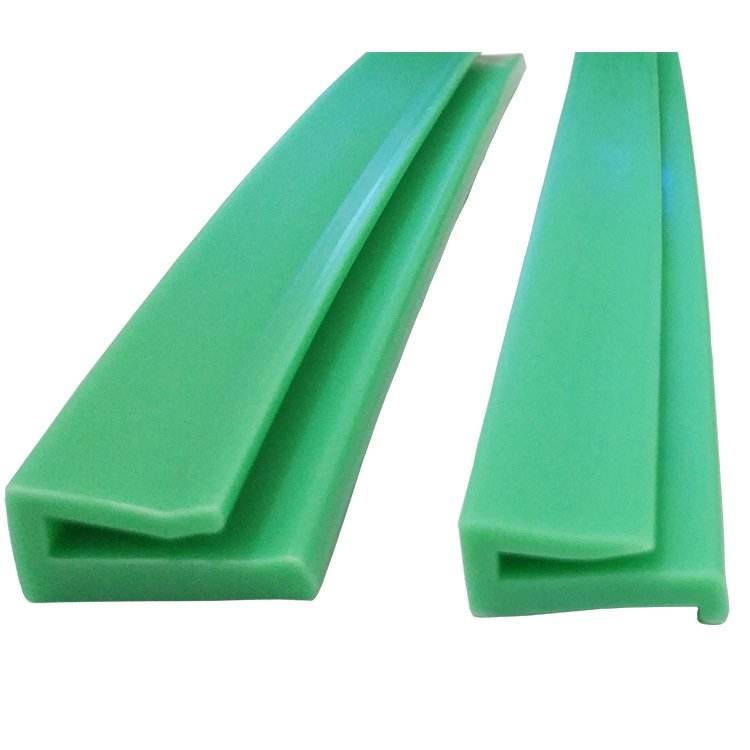
Matching Rail Profile With Product Shape and Size
Different rail profiles are designed for specific product types. Matching the guide shape to the product ensures stability and reduces the risk of tipping or misalignment.
Best Practices for Installing and Maintaining Plastic Guide Rail
Proper Alignment to Prevent Wear and Noise
Accurate alignment is essential to ensure smooth contact between the product and the rail. Misalignment can cause unnecessary friction, noise, and wear.
Routine Inspection for Surface Condition
Even though plastic guide rail is durable, regular inspection helps detect scratches, warping, or unusual wear. Early detection prevents small issues from affecting production performance.
When to Replace Plastic Guide Rail for Optimal Performance
Over time, even the best material will wear. Replacing plastic guide rail before it impacts conveyor efficiency is key to maintaining smooth, reliable operation.
Future Trends: Why Plastic Guide Rail Will Continue to Gain Popularity
As industries embrace automation, lightweight design, and sustainable material use, plastic guide rail is becoming more essential than ever. Advances in polymer engineering are leading to stronger, more durable, and more temperature-resistant material. These improvements will further expand the use of plastic guide rail in complex conveyor systems and smart manufacturing facilities.
Plastic Guide Rail as a Smart, Lightweight Upgrade for Any Manufacturer
Plastic guide rail delivers the ideal balance of lightweight performance, durability, low friction, and corrosion resistance. From improving conveyor efficiency to supporting demanding industries like food processing, packaging, and automotive assembly, it is a smart upgrade for any manufacturer aiming to enhance productivity and reduce operational cost. As production demands continue to grow, plastic guide rail will remain a key component in building efficient, safe, and reliable conveyor system.