
- November 20, 2025
- Posted by: feinuojixie
- Category: Chain Guides News
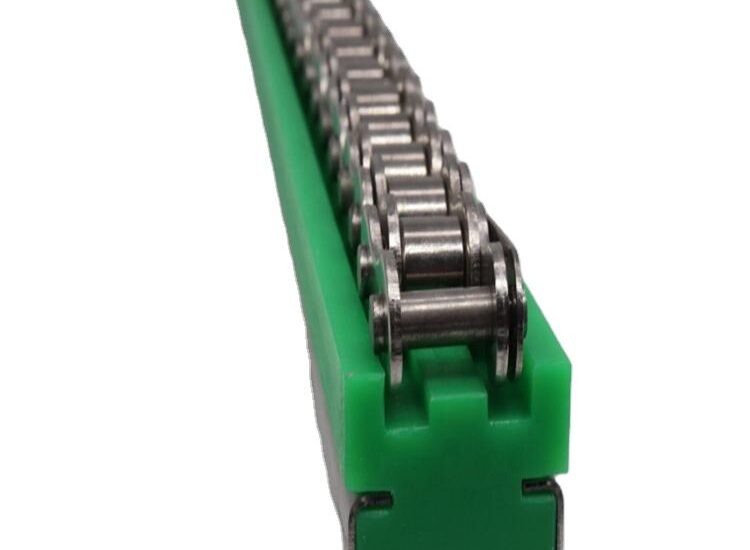
Selecting the right plastic guide rail is one of the most important decisions you can make when designing or upgrading a conveyor or automation system. Although it may look like a simple supporting component, a plastic guide rail plays a vital role in determining how smoothly, quietly, and efficiently your line will run. When the correct rail is chosen, equipment operates with less friction, products remain stable during transport, energy consumption stays low, and maintenance becomes significantly easier. However, when the wrong guide rail is used, the result can be costly downtime, accelerated wear, or even product damage. This is why understanding the function and specifications of a plastic guide rail is essential before making a selection.
Understanding What Plastic Guide Rail Does in Modern Material Handling
A plastic guide rail is designed to control, support, and stabilize products as they travel along a conveyor or move through an automation line. It guides items in a consistent path, prevents tipping, reduces vibration, and protects the product surface from scratches or damage. Because a plastic guide rail provides low friction movement, it helps maintain steady product flow, even at high speeds. In automated operations where accuracy is critical, the rail ensures that every item stays in the correct position, allowing sensors, robots, and other equipment to work with precision.
Key Benefits of Using Plastic Guide Rail Instead of Metal Components
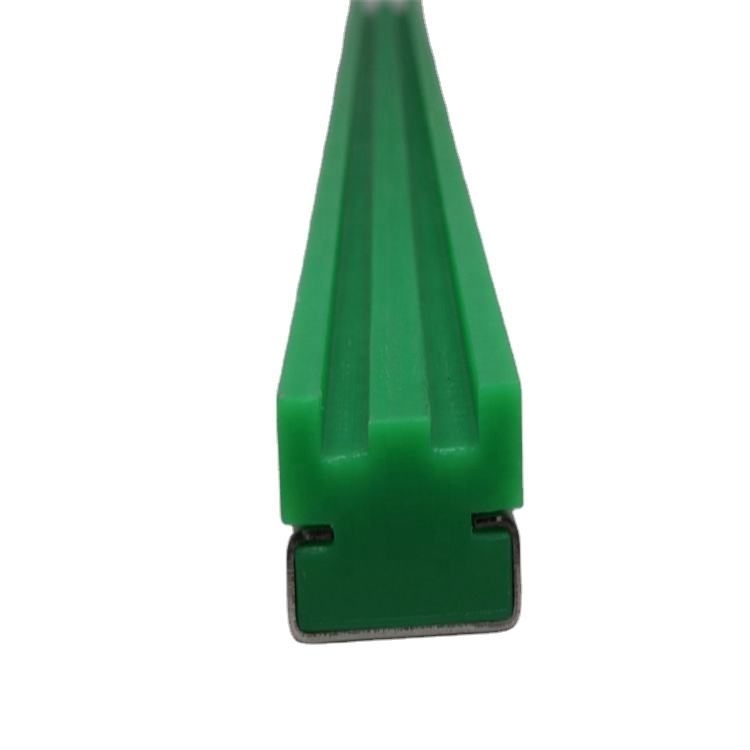
A major advantage of a plastic guide rail is its low friction performance. This reduces wear on both the rail and the product, minimizing long-term maintenance. Plastic materials such as UHMW also absorb vibration, resulting in quieter operation compared to metal. They resist corrosion, making them ideal for food processing or wet environments. In addition, a plastic guide rail is lightweight, easy to install, and often more economical than metal solutions. These benefits make it a smart choice for operations seeking reliability and cost effectiveness.
Common Types of Plastic Guide Rail and Their Ideal Applications
Different applications require different rail materials. UHMW guide rail is one of the most popular options due to its excellent wear resistance and extremely low friction. HDPE guide rail provides good durability at a lower cost, making it suitable for lighter-duty conveyors. POM guide rail is ideal for applications needing high stiffness and dimensional stability. Specialty polymers are used when high temperatures, chemical exposure, or cleanroom conditions are present. Understanding each material’s strengths helps ensure the chosen plastic guide rail meets the system’s performance demands.
How to Choose the Right Plastic Guide Rail Based on Conveyor Requirements
When selecting a plastic guide rail, it is essential to consider the conveyor’s operating conditions. High-speed lines need materials with low friction and strong wear resistance. Applications with heavy loads require rails with higher impact strength. Temperature ranges, potential chemical exposure, and required hygiene levels all influence material selection. The shape and stability of the products being conveyed also matter. Round bottles, for example, may need a different guide profile compared to square boxes. Matching each requirement with the correct rail ensures smooth and reliable operation.
Choosing Plastic Guide Rail for Automation System
In automation systems, the demands are often more precise. A plastic guide rail must maintain exact alignment to support robotic movements, sorting, or positioning tasks. High-speed pick-and-place systems need rails that provide consistent product control while minimizing bounce or drag. In cleanroom automation, the rail material must resist particle shedding and withstand frequent sanitation. AGV or AMR pathways may use rail segments for alignment or positioning. Choosing the right plastic guide rail ensures accuracy and stability in even the most advanced automation setups.
Design Considerations When Selecting a Plastic Guide Rail
Beyond materials, the design of a plastic guide rail plays a major role in system performance. The rail’s profile shape must fit both the product and conveyor layout. Mounting style affects stability, while thickness and width determine durability. Some applications require rails that can be easily bent or machined to meet specific shapes. Tolerance levels must match the system’s alignment requirements. Ensuring compatibility with brackets, chains, belts, or frames helps avoid installation delays and unnecessary adjustments.
Performance Factors That Influence Plastic Guide Rail Reliability
Several technical characteristics determine how well a plastic guide rail performs over time. Wear resistance directly affects how long the rail lasts before needing replacement. A low coefficient of friction helps reduce energy use and noise. Impact strength is important for conveyors handling heavy or irregular products. Heat resistance determines whether the rail can withstand high-temperature environments. When all these factors are aligned with system needs, the guide rail delivers long-lasting and dependable performance.
How Environment Affects Your Plastic Guide Rail Selection
A plastic guide rail must be able to handle its surrounding environment. In food or beverage applications, it must be FDA compliant and resistant to moisture. In chemical processing lines, it must withstand aggressive cleaning agents. Dusty environments require materials that resist abrasion and do not generate excess static. Outdoor conveyors may need UV-resistant rails to avoid brittleness. Cold storage areas call for plastics that maintain toughness at low temperatures. Evaluating environmental conditions helps prevent premature rail failure.
Maintenance Tips to Extend Plastic Guide Rail Lifespan
Although a plastic guide rail is durable, proper maintenance ensures optimal lifespan. Regular cleaning prevents product buildup that could increase friction. Checking alignment helps avoid uneven wear. Inspecting mounting brackets ensures the rail stays stable. Lubrication may be needed in some high-speed or high-load applications. Early detection of small wear patterns allows timely replacement before larger issues develop. Following these maintenance steps keeps the system running smoothly with minimal downtime.
Cost Considerations When Selecting Plastic Guide Rail
Cost should never be evaluated only at the initial purchase stage. A durable plastic guide rail reduces the frequency of replacements and saves labor costs during installation. Its ability to decrease friction may lower power consumption, contributing to overall system efficiency. Considering total lifecycle cost helps avoid false savings that could result from choosing low-quality materials. An investment in the right guide rail often leads to long-term financial benefits.
When to Replace Your Plastic Guide Rail
Even with proper care, every plastic guide rail eventually wears out. Signs of needed replacement include increased system noise, product misalignment, visible grooves, or rough surfaces. If the conveyor begins to vibrate or drag, the rail may no longer provide adequate support. Replacing the rail at the first signs of deterioration prevents damage to other components and maintains productivity.
Real-World Examples of Choosing the Right Plastic Guide Rail
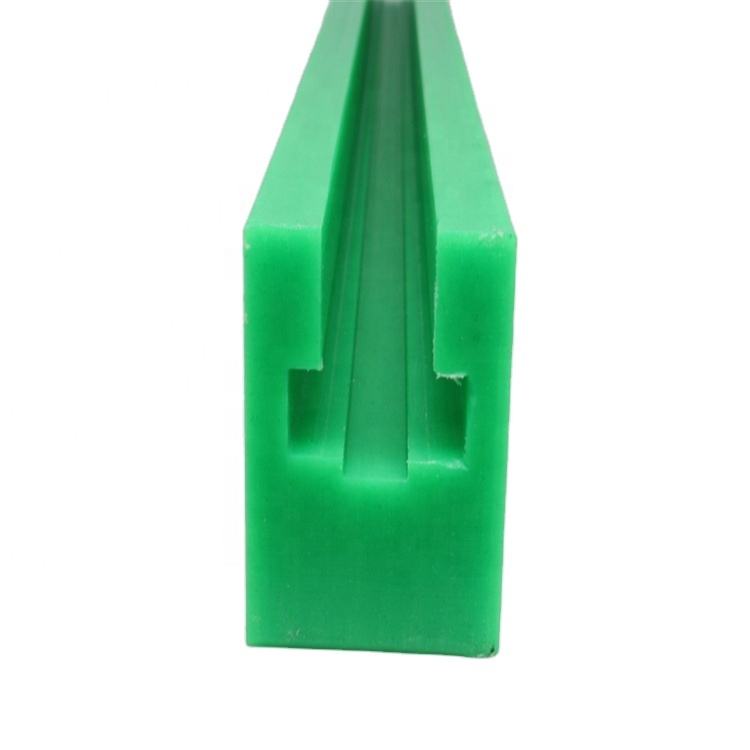
Food processors often choose UHMW guide rail for its hygiene properties and smooth product movement. Packaging plants frequently use POM guide rail for its rigidity in high-speed lines. Automotive manufacturers rely on specialty polymer rails that can endure oils, heat, and heavy loads. In each case, selecting the correct plastic guide rail improved reliability, reduced maintenance, and enhanced production efficiency.
Making an Informed Decision for Better Conveyor and Automation Performance
Choosing the right plastic guide rail is a strategic decision that directly influences productivity, reliability, and operating costs. By understanding material options, design requirements, environmental conditions, and system demands, you can select a guide rail that ensures long-term efficiency. With the right choice, both conveyor and automation systems operate smoothly, quietly, and reliably, helping your production line achieve its full potential.