
- November 21, 2025
- Posted by: feinuojixie
- Category: Chain Guides News
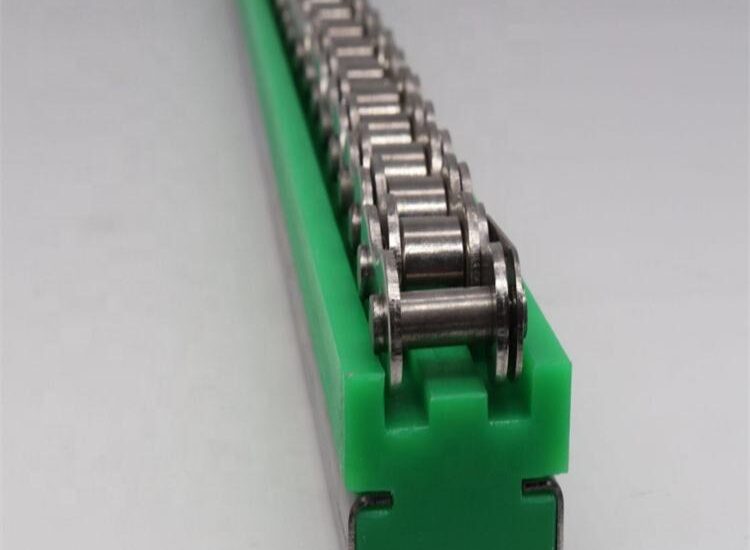
In today’s fast-paced industrial environment, production systems must operate with maximum speed, stability, and efficiency. A single component that significantly influences these qualities is the plastic guide rail. Although often overlooked due to its simple appearance, a plastic guide rail plays a critical role in ensuring smooth motion, protecting conveyor equipment, and extending the lifespan of moving parts. By reducing wear, noise, and overall maintenance cost, it has become an essential upgrade for manufacturers striving for higher output and lower operational expenses.
Plastic guide rail not only support and guide products on conveyor lines but also enhance the overall performance of the system. Their unique material properties allow them to outperform traditional metal alternatives in many high-demand scenarios. As manufacturers continue to seek durability, quiet operation, and low-maintenance solutions, plastic guide rail stand out as a cost-effective, high-performance choice.
Understanding What Plastic Guide Rail Are and How They Work
A plastic guide rail is an engineered component designed to guide, position, and stabilize products moving along a conveyor or automation line. Made from durable materials such as UHMW, HDPE, or other engineering plastic, it provides a smooth, low-friction pathway that reduces stress on both the conveyor and the product. By preventing unnecessary contact, vibration, and misalignment, a plastic guide rail ensures consistent movement and improves the overall flow of the production process.
Plastic also offers excellent wear resistance, chemical tolerance, and lightweight performance. These characteristics allow the guide rail to withstand continuous operation in harsh industrial conditions while maintaining stable functionality. Whether used in curved conveyors, straight runs, or high-speed transport systems, a plastic guide rail is a critical component in ensuring reliable and efficient product handling.
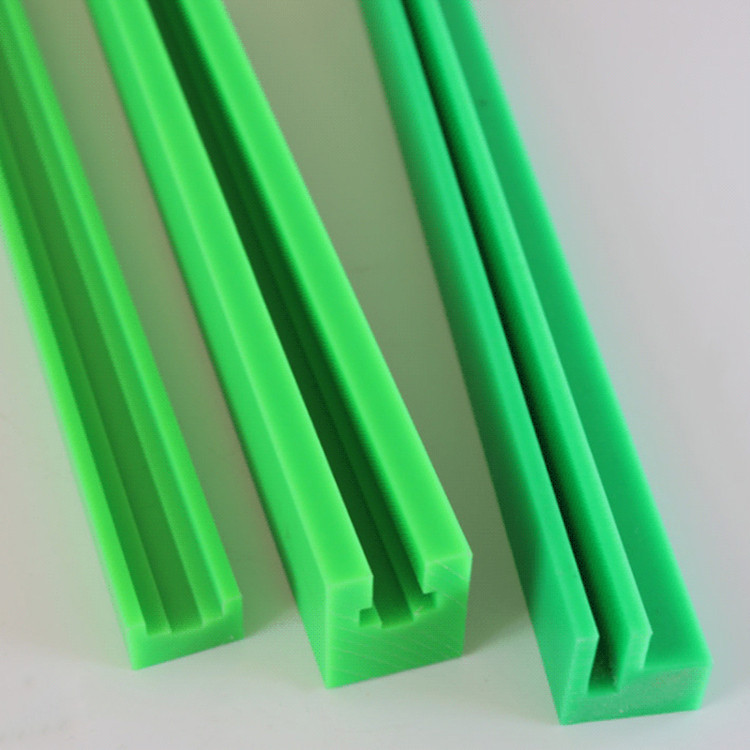
How Plastic Guide Rail Reduce Wear on Moving Components
The science behind low-friction material
One of the biggest advantages of plastic guide rail is their inherently low coefficient of friction. Engineering plastic creates a smooth sliding surface, which reduces direct contact and abrasive interaction between machine parts. As a result, moving elements such as chains, belts, and product carriers experience significantly less wear during operation. This friction reduction directly contributes to preserving the critical components of the conveyor system.
How plastic guide rail protect product surface and conveyor belt
Plastic guide rail not only reduce equipment wear but also protect the products being transported. Metal guide edges can scratch, dent, or damage sensitive goods, especially in industries such as food, beverage, and packaging. A plastic guide rail provides a softer and more forgiving surface that prevents product abrasion while maintaining consistent positioning. This makes them essential in processes where appearance, hygiene, or structural integrity must be preserved.
Why wear reduction leads directly to longer equipment lifespan
Less wear on equipment means fewer breakdowns and fewer expensive component replacements. By lowering friction, plastic guide rail slow down the gradual deterioration of belts, chains, and sliding surfaces. This extended lifespan allows manufacturers to reduce long-term repair expenses and avoid unexpected system downtime. For facilities operating around the clock, this durability is a vital advantage that improves both productivity and cost management.
How Plastic Guide Rail Reduce Noise in High-Speed Operations
Low-friction sliding produces quieter movement
Noise reduction is another major benefit offered by plastic guide rail. When components slide across a low-friction plastic surface, the vibration and impact that normally generate noise are minimized. This is especially beneficial in high-speed conveyor applications where rapid movement would otherwise create loud, continuous sound. The smooth surface of the plastic guide rail absorbs and disperses energy, ensuring quieter operation.
Noise reduction improves worker comfort and safety
A quieter factory floor leads to a more comfortable and safer work environment. Excessive noise can reduce concentration and even pose long-term health risks. By reducing sound levels, plastic guide rail help comply with workplace safety standards and create a more pleasant atmosphere for operators. This is particularly important in large manufacturing plants where dozens of conveyors run simultaneously.
Why plastic guide rail outperform metal in noise control
Metal guide systems often create harsh rattling or scraping due to harder material surfaces. In contrast, plastic guide rail dampen vibrations and soften the interaction between moving items and conveyor surfaces. This material advantage gives plastic a clear edge in noise control, making it ideal for facilities requiring both speed and silence.
How Plastic Guide Rail Reduce Maintenance Cost
Less wear means fewer part replacements
Plastic guide rail significantly slow down the wear rate of conveyor components. This reduction in wear translates directly into fewer replacements and lower material costs over the lifespan of the equipment. Because parts last longer, manufacturers can plan maintenance schedules more efficiently and avoid emergency repairs.
Plastic guide rail require minimal lubrication
Many plastic materials used for guide rail possess self-lubricating properties. This means they require little to no external lubrication to maintain smooth operation. By reducing the need for oil and grease, manufacturers save on consumables and labor, while also keeping the conveyor environment cleaner and more hygienic.
Lower downtime and smoother operation
Downtime is one of the most expensive challenges in manufacturing. Plastic guide rail help maintain continuous operation by minimizing wear-related failures and reducing the frequency of maintenance interventions. With fewer interruptions, production lines achieve higher efficiency, better output consistency, and long-term cost savings.
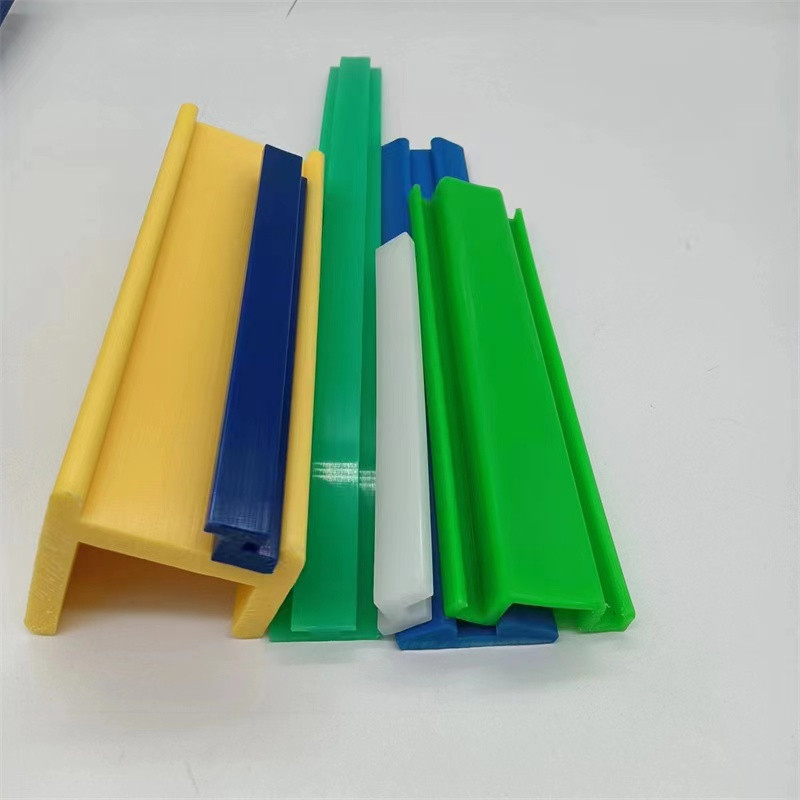
Key Industries Benefiting from Plastic Guide Rail
Plastic guide rail are widely used across industries such as food and beverage, pharmaceutical, packaging, logistics, and automotive manufacturing. These sectors rely heavily on fast, stable conveyor systems where wear resistance and noise reduction are essential. Because plastic guide rail are corrosion-resistant and easy to clean, they are especially valued in sanitary environments.
How to Choose the Right Plastic Guide Rail for Maximum Performance
Selecting the correct plastic guide rail requires evaluating operating conditions and performance needs. Key considerations include load requirements, conveyor speed, temperature, environmental chemicals, and product type. For example, high-speed applications may require ultra-low-friction material, while food processing plants need FDA-compliant options. Matching the guide rail to the specific system ensures optimal performance and longevity.
Why Plastic Guide Rail Are the Smart Choice for Cost-Effective, Low-Maintenance Systems
Plastic guide rail offer a powerful combination of durability, low friction, noise reduction, and cost-efficiency. By protecting conveyor components, improving workplace comfort, and reducing maintenance cost, they provide long-term value across numerous industries. For manufacturers seeking smoother operation, higher output, and reduced expenses, integrating plastic guide rail into their systems is a smart and forward-looking investment.