
- November 24, 2025
- Posted by: feinuojixie
- Category: Chain Guides News
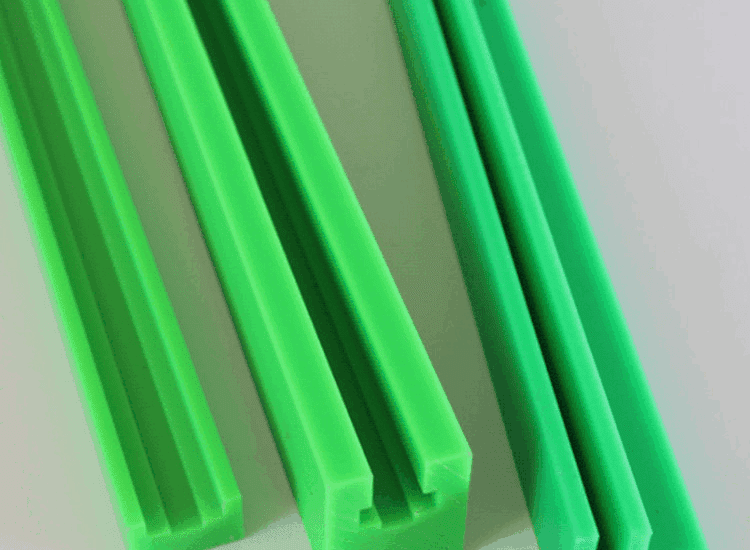
In today’s fast-moving manufacturing world, conveyor and automation systems must operate faster, quieter, and more reliably than ever before. As production lines continue to evolve, engineers are turning to materials that deliver consistent performance with minimal maintenance. This is where plastic wear strip have emerged as a game-changing solution. Unlike traditional metal components, plastic wear strip offer excellent low-friction performance, outstanding wear resistance, and the flexibility to operate effectively across a wide range of environments. Their ability to reduce noise, prolong equipment lifespan, and support high-speed system demands has made them indispensable in industries such as food processing, packaging, automotive manufacturing, and logistics.
Plastic wear strip are no longer seen as secondary accessories; they have become core components that directly influence productivity, operational stability, and cost efficiency. By providing smooth surface contact, protecting machine parts from abrasion, and enabling gentler product handling, they help manufacturers meet modern performance expectations while maintaining system simplicity. As industrial environments continue to modernize, the importance of plastic wear strip will only increase, transforming how conveyor and automation systems are designed, maintained, and optimized.
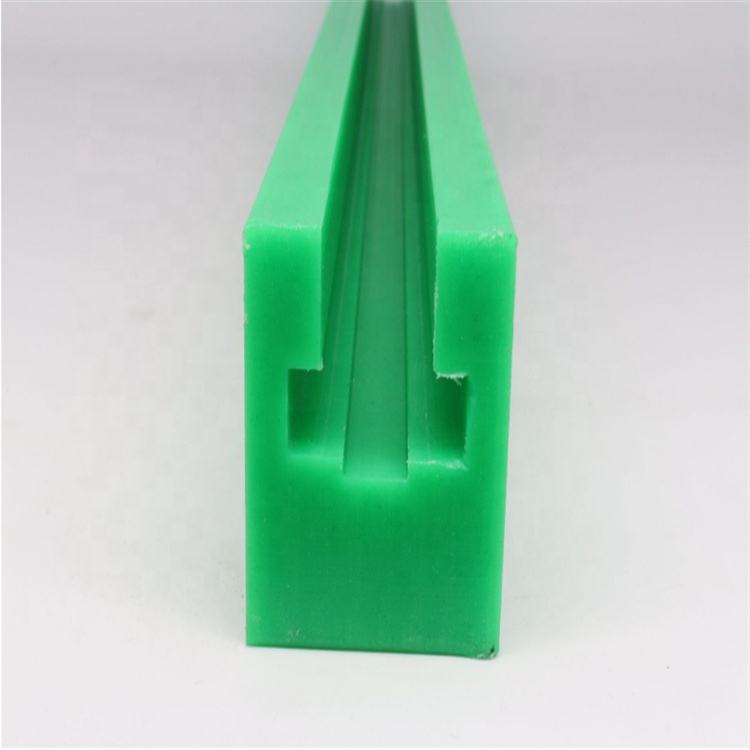
The Rise of Plastic Wear Strip in Modern Engineering
From Metal to Polymer: A Shift Toward Smarter Material Choices
For decades, metal components dominated conveyor and automation systems. While durable, they introduced challenges such as high friction, corrosion, and loud operational noise. The introduction of engineered polymer technology changed the landscape. Plastic wear strip provide a smooth, quiet, and corrosion-free alternative, giving manufacturers a smarter option for modern line performance. Their ability to run dry, without constant lubrication, makes them particularly appealing in industries where hygiene or product cleanliness is essential.
Key Performance Drivers Behind the Transition
Manufacturers today face intense pressure to increase throughput while lowering operating cost. Plastic wear strip align perfectly with these demands. They reduce frictional drag, minimize wear to mechanical components, and help maintain a consistent product flow even at higher speeds. Additionally, they support cleaner operations, simplify maintenance routines, and improve worker safety by reducing both noise and the need for hazardous lubricants. These advantages all contribute to their rapid adoption across high-performance production environments.
Core Advantages of Using Plastic Wear Strip
Low Friction and Smooth Motion for High-Speed Conveyor System
One of the primary benefits of plastic wear strip is their low-friction surface, which ensures smooth and stable movement of products along the conveyor path. This feature is especially valuable in high-speed lines where even a small amount of friction can disrupt synchronization or cause product jamming. With consistent, reliable motion, systems operate more efficiently and require fewer adjustments during production.
Superior Wear Resistance That Extends Equipment Lifespan
Advanced engineered plastic provides excellent resistance against wear, abrasion, and surface fatigue. Plastic wear strip significantly reduce the stress placed on conveyor belts, chain guides, and moving components, extending the overall lifespan of the equipment. This durability not only minimizes replacement frequency but also enhances system reliability during long production cycles.
Noise Reduction for Safer, More Comfortable Work Environments
Plastic wear strip are widely adopted to reduce noise levels in manufacturing facilities. Metal-to-metal contact often generates loud, disruptive sound, while plastic materials absorb vibration and reduce impact noise. This quieter operation contributes to safer working conditions and helps facilities meet increasingly strict workplace noise regulations.
Corrosion and Chemical Resistance for Harsh Industrial Environments
Many modern industries rely on chemical cleaners, steam sanitation, or abrasive products. Plastic wear strip are highly resistant to rust, corrosion, and chemical degradation, making them suitable for food processing, beverage bottling, pharmaceutical production, and other demanding environments. Their long-term stability ensures that equipment remains safe and compliant with strict hygiene requirements.
Lightweight and Easy to Install for Faster Maintenance
Compared to metal components, plastic wear strip are significantly lighter, making them easier to handle during installation and replacement. Their flexibility and machineability also allow them to be shaped or cut to fit custom applications on-site. This ease of maintenance reduces line downtime and provides greater flexibility for system upgrades or redesigns.
How Plastic Wear Strip Improve Automation Performance
Enhanced Accuracy in Robotic Positioning and Guided Motion
Automation relies on precise movement and alignment. Plastic wear strip support this by providing stable, predictable contact surfaces that guide parts and reduce positioning errors. Robots, linear actuators, and mechanical slides all benefit from the smooth, controlled motion these materials enable.
Reduced System Vibration for Better Sensor and Vision System Reliability
Vibration can interfere with sensor readings, disrupt camera alignment, and lower product inspection accuracy. The vibration-dampening properties of plastic wear strip help minimize these issues, improving system stability and ensuring accurate, repeatable processes.
Longer Maintenance Cycles That Keep Automated Lines Running
Automation success depends on uptime. Plastic wear strip deliver long maintenance intervals thanks to their exceptional wear performance. By reducing unplanned downtime and extending service schedules, they support stable, cost-effective production.
Popular Material Choices for Plastic Wear Strip
UHMW-PE: The Industry Standard for Wear Control
Ultra-high molecular weight polyethylene is one of the most commonly used materials for plastic wear strip. Its extremely low friction coefficient, impressive wear resistance, and impact strength make it an ideal choice for conveyor and guide applications. It performs well even in wet or chemically aggressive environments.
Nylon and Acetal for Higher Precision and Dimensional Stability
In applications requiring tight tolerances or precise alignment, nylon and acetal are often preferred. These materials offer higher stiffness and dimensional stability than UHMW-PE, making them suitable for automation, robotics, and machine-building tasks where accuracy is critical.
Specialty Filled or Modified Plastic for Extreme Conditions
For environments involving intense heat, high loads, or ultra-low friction requirements, specially engineered plastic are available. Additives such as PTFE, glass fiber, or lubricating fillers further enhance durability and performance. These customized formulations ensure that plastic wear strip remain reliable under extreme conditions.
Applications Across Modern Industries
Food and Beverage Conveyor System That Demand Clean, Quiet, and Hygienic Operation
Food and beverage facilities rely on components that prevent contamination and allow easy cleaning. Plastic wear strip meet these demands with their corrosion resistance, quiet operation, and smooth, non-porous surfaces that inhibit bacterial buildup.
Packaging Automation with High Throughput and Minimal Downtime
Packaging lines operate at constant high speeds. Plastic wear strip help maintain consistent product flow, prevent jamming, and reduce machine wear, making them ideal for long production cycles and rapid-change environments.
Automotive Manufacturing Where Precision and Durability Are Critical
Automotive plants use conveyor and robotic systems extensively. Plastic wear strip support precise part movement and resist the demanding mechanical loads found in body assembly, painting, and component installation operations.
Logistics, Warehousing, and High-Speed Sorting
Modern logistics centers depend on continuous conveyor motion. Plastic wear strip provide the durability and low-friction performance needed to handle frequent starts, stops, and directional changes without excessive wear.
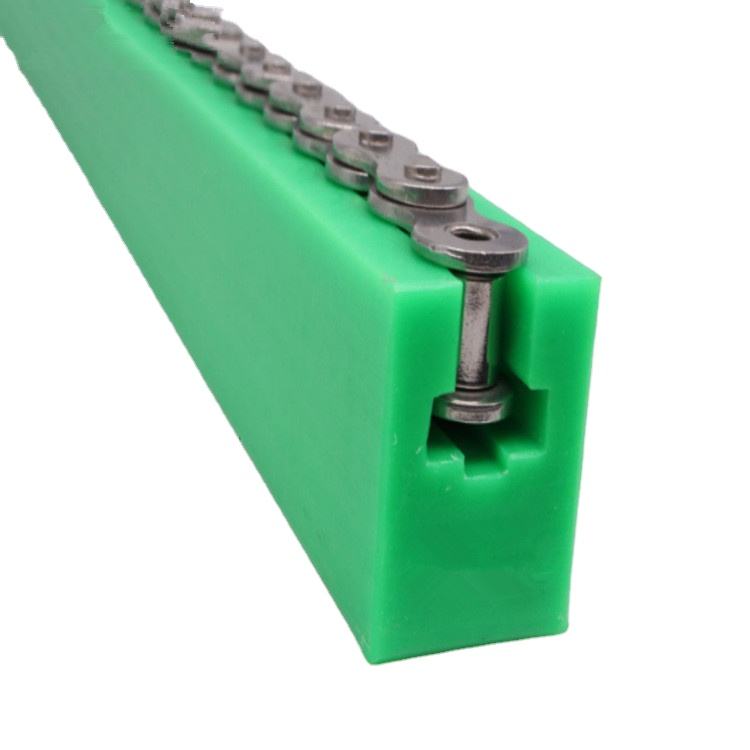
How to Choose the Right Plastic Wear Strip for Your System
Assessing Speed, Load, and Environmental Factors
Choosing the right material begins with evaluating operating conditions. Line speed, product weight, temperature environment, and cleaning chemicals all influence which plastic wear strip will perform best.
Matching Profile Shapes and Mounting Styles to Your Conveyor or Machine
Wear strip come in various shapes, including flat, U-profile, and custom-machined forms. Matching the correct profile to your guide rail or conveyor design ensures smooth operation and easy installation.
Balancing Cost, Longevity, and Performance
A balanced approach considers both initial cost and long-term maintenance savings. While premium materials may cost more upfront, they often provide superior durability and reduce operating expenses over time.
Future Trends: What’s Next for Plastic Wear Strip Technology
Self-Lubricating and Low-Noise Innovations
New material advancements are adding improved lubrication properties and even quieter performance. These innovations support the growing need for high-speed, low-maintenance systems.
Sustainability and Recycled Plastic Options
As sustainability becomes a global priority, manufacturers are exploring recycled and environmentally friendly plastic formulations. These advancements aim to reduce waste without compromising performance.
Integration With Smart Monitoring Systems
Some facilities are integrating sensor-based monitoring to track wear levels and predict maintenance needs. Plastic wear strip compatible with these technologies will pave the way for smarter, data-driven system maintenance.
Why Plastic Wear Strip Have Become a Modern Engineering Essential
Plastic wear strip deliver a powerful combination of low friction, high durability, and exceptional operational flexibility. Their ability to reduce noise, improve guiding accuracy, and perform reliably in challenging environments makes them indispensable to modern conveyor and automation systems. As industries continue to demand faster, cleaner, and more efficient production, plastic wear strip will remain at the center of innovation—helping manufacturers achieve higher output with lower maintenance and greater long-term value.