
- November 25, 2025
- Posted by: feinuojixie
- Category: Chain Guides News
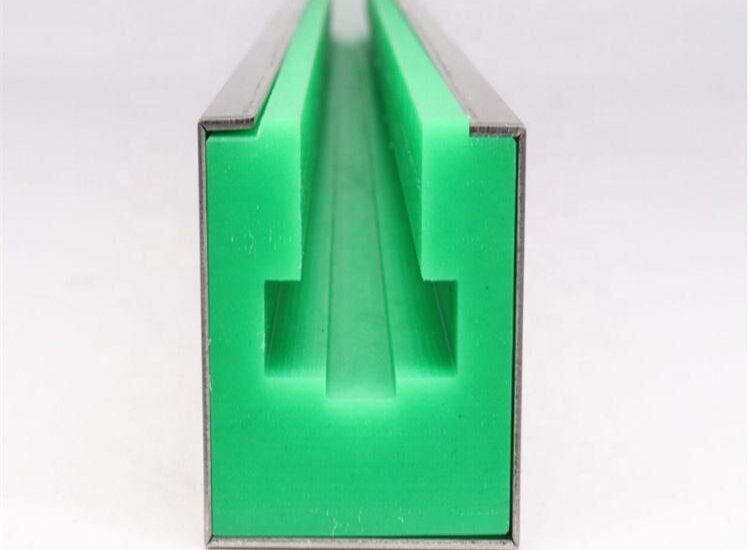
In modern conveyor and automation systems, efficiency, reliability, and operating stability are top priorities for manufacturers across every industry. As production speeds increase and machinery becomes more advanced, even small components can have an outsized impact on overall performance. Plastic wear strip play a vital role in this environment because they directly affect friction levels, operational noise, and long-term maintenance requirements. By offering a smoother, quieter, and more durable contact surface, plastic wear strip help companies reduce downtime, extend equipment life, and maintain a consistently high production output.
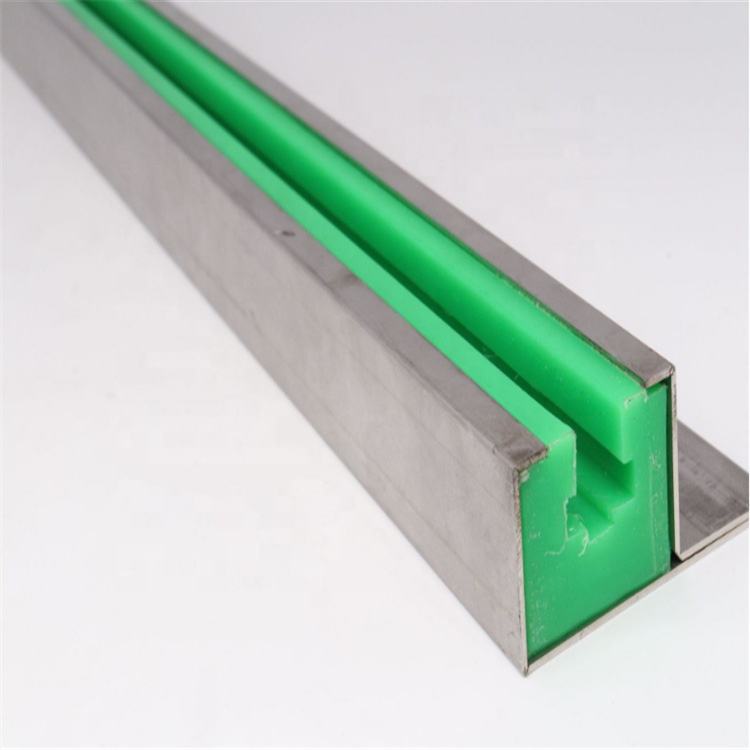
Understanding Plastic Wear Strip and Their Engineering Purpose
What Plastic Wear Strip Are Designed to Do
Plastic wear strip are engineered to create a smooth, protective interface between moving components in conveyor and automation systems. Their primary role is to minimize direct metal-to-metal contact, which naturally reduces friction and wear. By providing a stable guiding surface, they ensure that chains, belts, and mechanical parts move with consistent alignment and reduced resistance.
How Plastic Wear Strip Differ from Metal Components
Unlike metal, plastic wear strip operate quietly, resist corrosion, and require far less lubrication. They are lighter, easier to handle, and gentler on the equipment they support. Metal components tend to generate heat, noise, and rapid wear under high contact pressure, whereas plastic wear strip maintain performance even in continuous-run environments.
Key Materials Commonly Used for Plastic Wear Strip
The materials most commonly used include UHMW-PE for its exceptional abrasion resistance, HDPE for its toughness and cost-effectiveness, nylon for strength, and POM for precision movement applications. These materials are chosen because they provide excellent wear resistance and a naturally low coefficient of friction, which is essential for smooth machine operation.
How Plastic Wear Strip Reduce Friction in Conveyor and Motion Systems
Low Coefficient of Friction: The Core Advantage
One of the strongest advantages of plastic wear strip is their naturally low friction property. This helps moving parts glide more easily, reducing drag and improving motion efficiency. As a result, systems can operate faster and more reliably, especially in high-speed production lines.
Reduced Heat and Wear on Moving Parts
Lower friction translates directly into less heat being generated at contact points. This reduces stress on components, preventing premature surface degradation. By controlling heat and wear, plastic wear strip extend the lifespan of both the strip and the equipment it supports.
Improved Energy Efficiency in Continuous-Run Systems
Reduced friction means machines need less power to move components along the guide path. Over time, this contributes to noticeable energy savings, especially in facilities operating 24/7 production cycles.
How Plastic Wear Strip Minimize Operational Noise
Natural Noise-Absorbing Properties of Engineering Plastics
Plastic materials inherently absorb vibration better than metal. This damping effect significantly reduces acoustic emissions and prevents noisy rattling or grinding during operation.
Reduced Impact and Surface Contact Noise
When moving parts strike against a plastic surface instead of metal, the impact sound is much softer. This creates a smoother and quieter running environment, which is especially beneficial in packaging, food processing, and warehouse automation.
Case Examples of Noise Reduction Across Industries
In bottling plants, plastic wear strip help conveyor chains move quietly despite constant, fast-cycling motion. In logistics centers, they reduce noise from sorting systems that operate at high speed. In food manufacturing, they help maintain a quiet, hygienic production environment.
How Plastic Wear Strip Help Lower Maintenance Cost
Longer Component Lifespan and Fewer Replacements
Because plastic wear strip drastically reduce friction and impact force, they prolong the service life of conveyor belts, chains, and machine parts. Fewer replacements mean reduced downtime and lower labor costs.
Low Lubrication or No Lubrication Needs
Many plastic materials operate smoothly without lubrication. This eliminates the need for constant oiling and prevents contamination risks in sensitive industries like food, beverage, and pharmaceuticals.
Faster, Easier Installation and Replacement
Plastic wear strip are lightweight and easy to machine, allowing maintenance teams to install or replace them quickly. Their modular design also simplifies upgrades and adjustments.
Additional Benefits of Choosing Plastic Wear Strip
Corrosion and Chemical Resistance
Plastic materials do not rust and withstand exposure to moisture, cleaning agents, and chemicals. This makes them ideal for washdown environments and corrosive applications.
Lightweight for Better Machine Efficiency
Their reduced weight puts less strain on machinery, allowing smoother operation and easier handling during assembly or maintenance.
Cost-Effective Manufacturing and Customization
Plastic wear strip can be produced in custom shapes, thicknesses, and lengths with minimal cost. This flexibility allows them to be tailored to highly specific machine designs.
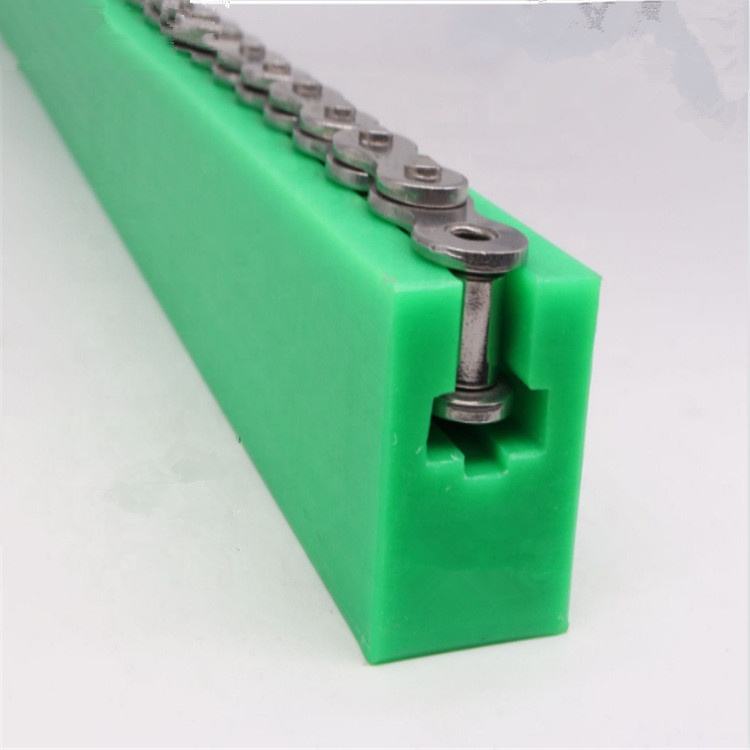
Comparing Plastic Wear Strip with Traditional Metal Options
Performance Differences in Real Applications
In terms of friction, plastic performs significantly better. Metal surfaces tend to wear faster and generate more heat, while plastic maintains stable performance across long duty cycles.
Environmental and Hygiene Advantages
Plastic does not corrode and is easier to clean, making it a preferred choice in settings where hygiene and environmental resistance are critical.
Total Cost of Ownership Comparison
When factoring energy savings, reduced wear, ease of maintenance, and lower replacement frequency, plastic wear strip offer a much lower lifetime cost compared to metal alternatives.
How to Choose the Right Plastic Wear Strip for Your Application
Consider Load, Speed, and Contact Pressure
Engineers should clearly evaluate how much load the strip will carry, how fast components will move, and how much pressure the strip must endure. These factors determine the best material choice.
Match the Material to the Operating Environment
Temperature, humidity, chemical exposure, and hygiene requirements should guide material selection to ensure reliable long-term performance.
Thickness, Shape, and Mounting Style Selection
Different systems require different profiles. Choosing the right thickness, groove design, and mounting configuration ensures proper fit and smooth operation.
Why Plastic Wear Strip are an Investment in Long-Term Efficiency
Plastic wear strip deliver substantial value by cutting friction, lowering noise, and reducing maintenance cost. Their durability, lightweight nature, and low friction performance make them essential components for modern conveyor and automation systems. By adopting plastic wear strip, manufacturers gain smoother operation, longer equipment life, and long-term savings across their entire production line.