
- November 25, 2025
- Posted by: feinuojixie
- Category: Chain Guides News
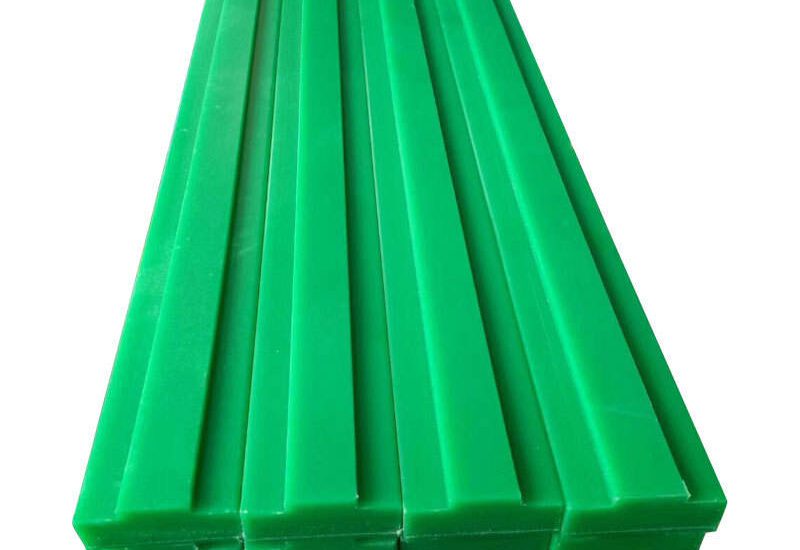
A plastic wear strip may appear to be a small component, but its influence on machinery performance is significant. It supports smooth, low-friction movement between contacting surfaces while protecting valuable mechanical parts from abrasion and impact. When equipment operates at high speed or under constant load, the right plastic wear strip helps maintain stability, reduce noise, and prevent costly downtime caused by wear-related failures. Selecting the ideal material and design is essential for ensuring long service life, consistent performance, and lower maintenance costs. This guide will walk you through everything you need to know before choosing the best plastic wear strip for your equipment.
Understanding What a Plastic Wear Strip Is and How It Works
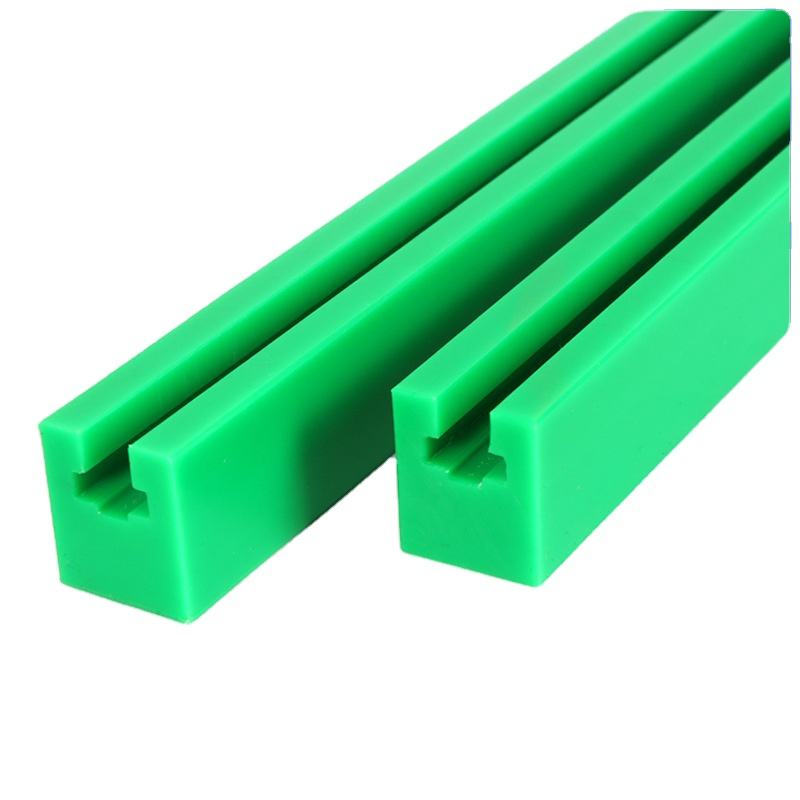
A plastic wear strip is a specialized protective component designed to guide movement, reduce surface friction, and prevent mechanical parts from grinding against each other. Its smooth, durable surface allows equipment to operate efficiently without generating excessive heat or abrasion. By acting as a buffer between metals or other rigid materials, a plastic wear strip helps extend equipment lifespan and maintain stable operation. In systems where continuous sliding occurs—such as conveyors, packaging lines, and automation equipment—the role of a plastic wear strip is essential for keeping performance consistent and reliable.
A plastic wear strip works by providing a low-friction interface that absorbs contact stress and disperses energy. Because many plastic materials naturally resist corrosion, chemical exposure, and moisture, they maintain structural integrity even in demanding industrial environments. This makes a plastic wear strip a dependable option wherever smooth, quiet movement is required.
Key Material Options for a Plastic Wear Strip and Their Advantages
UHMW as a Plastic Wear Strip Material
UHMW is among the most popular choices due to its exceptional wear resistance, low friction coefficient, and impressive impact strength. A plastic wear strip made from UHMW performs extremely well in conveyor applications, high-speed movement, and harsh industrial conditions. It also resists moisture, making it suitable for wet environments.
HDPE in a Plastic Wear Strip Application
HDPE offers a cost-efficient option with good durability and excellent chemical resistance. A plastic wear strip using HDPE is lightweight yet strong enough for moderate load equipment. It is often chosen for systems that require corrosion resistance but not the extreme performance of UHMW.
Nylon for a High-Strength Plastic Wear Strip
Nylon provides superior strength, rigidity, and high load capability. When used in a plastic wear strip, nylon withstands greater mechanical stress and higher temperatures than many other plastics. It is ideal for equipment that handles heavy loads, repetitive impact, or elevated operating conditions.
PTFE for a Low-Friction Plastic Wear Strip
PTFE is prized for its ultra-low friction properties and ability to withstand extreme temperatures. A plastic wear strip made from PTFE delivers exceptionally smooth motion and performs well even when lubrication is limited. It is well suited for precision equipment or environments with high heat exposure.
Essential Factors to Consider When Choosing a Plastic Wear Strip
Load Requirements and Pressure Conditions
Before selecting a plastic wear strip, you must understand the load and pressure it will endure. Higher loads demand stronger materials such as nylon or UHMW, while lighter loads can be handled by HDPE. Incorrect load matching leads to deformation, premature wear, or equipment instability.
Speed and Friction Variables in Your Equipment
Sliding speed influences frictional heat and wear rate. A plastic wear strip designed for high-speed applications needs excellent low-friction characteristics to avoid overheating. PTFE or UHMW typically performs better in fast-moving systems where heat buildup is a concern.
Environmental Exposure and Chemical Compatibility
The operating environment plays a major role in determining the ideal material. A plastic wear strip exposed to chemicals, moisture, or abrasive debris must be compatible with these conditions. HDPE and UHMW handle chemical exposure well, while nylon is better for dry, high-temperature environments.
Installation Method and Mounting Style
Different systems require different mounting solutions. Some plastic wear strip products are designed for bolt-on installation, while others use snap-on or adhesive-backed designs. The mounting method affects both stability and ease of replacement, so choosing correctly ensures long-term reliability.
Comparing a Plastic Wear Strip to Metal Wear Components
Noise Reduction and Smooth Operation
A key advantage of a plastic wear strip over metal components is noise reduction. Plastic naturally absorbs vibration and delivers quieter movement. This makes it highly beneficial in environments where noise control or operator comfort is important, especially in automated or high-speed machinery.
Corrosion Resistance and Long-Term Stability
Metal wear parts may corrode, rust, or degrade when exposed to moisture or chemicals. A plastic wear strip, however, remains stable in harsh environments, prolonging equipment service life. This resistance makes it ideal for food processing, chemical plants, and outdoor equipment.
Weight Reduction and Energy Efficiency
Because plastic is significantly lighter than metal, a plastic wear strip helps decrease overall system weight. Lighter components reduce energy consumption, enabling motors and drives to operate more efficiently.
How to Match a Plastic Wear Strip to Specific Applications
Plastic Wear Strip for Conveyor Systems
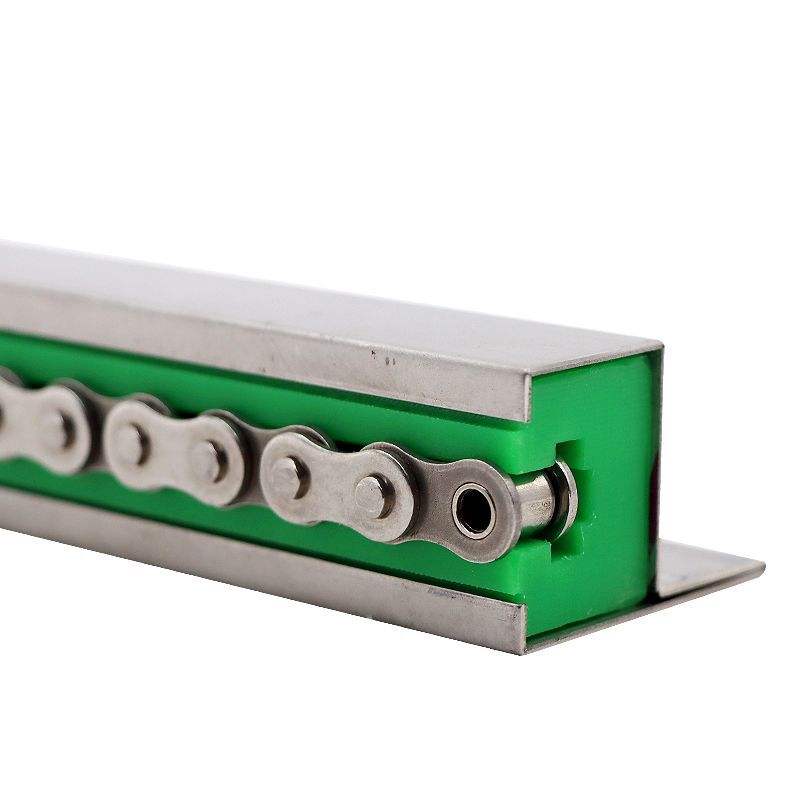
Conveyors require smooth guidance for chains, belts, and rollers. A plastic wear strip provides low-friction contact, reducing vibration, increasing efficiency, and minimizing downtime. It also helps prevent metal-to-metal contact that could damage the conveyor frame.
Plastic Wear Strip for Packaging Machinery
High-speed packaging equipment benefits greatly from the smooth, quiet motion provided by a plastic wear strip. Materials like UHMW ensure consistent performance without contamination risks, supporting both speed and hygiene.
Plastic Wear Strip for Food and Beverage Processing
Food-grade materials such as UHMW or PTFE are often required for sanitary environments. A plastic wear strip in these applications resists moisture and cleaning chemicals while meeting hygienic standards for contact surfaces.
Plastic Wear Strip for Heavy-Duty Industrial Equipment
For equipment exposed to heavy loads, repetitive impact, or aggressive environments, a plastic wear strip made from nylon or reinforced plastics offers the necessary durability. Its strength ensures stable support even under extreme operating conditions.
Installation Tips and Maintenance Practices for a Plastic Wear Strip
Proper Sizing, Alignment, and Pre-Installation Checks
Accurate measurements ensure seamless installation. A plastic wear strip must fit the mounting area properly and align with moving parts to avoid friction hotspots or uneven wear. Checking for debris or surface damage before installation also improves performance.
Routine Inspection for Wear, Abrasion, and Deformation
Regular inspections help identify thinning, cracking, or distortion early. Monitoring wear extends equipment life by allowing timely replacements before more severe damage occurs.
Cleaning and Lubrication Recommendations
Although many plastic materials offer self-lubrication, periodic cleaning helps maintain smooth movement. Removing dust, debris, and residue prevents unnecessary friction. Lubrication may be applied in certain high-speed or high-load systems depending on the material used.
Common Mistakes to Avoid When Selecting a Plastic Wear Strip
Ignoring Load or Temperature Limits
Choosing the wrong material for your operating conditions is one of the most common errors. A plastic wear strip that cannot handle high load or temperature will wear prematurely, leading to costly downtime.
Choosing Incompatible Material for the Environment
Chemical exposure, moisture, abrasive particles, or extreme heat all influence material performance. A plastic wear strip must match its environment to ensure reliability and lifespan.
Overlooking Installation Methods and Hardware Requirements
Even if the material is correct, a poor installation approach can cause instability. Selecting a plastic wear strip with the wrong mounting style may lead to looseness, misalignment, or extra maintenance needs.
Making the Best Choice for Long-Term Equipment Efficiency
Selecting the right plastic wear strip is essential for maintaining efficient, reliable, and long-lasting equipment. By understanding material options, load demands, environmental factors, and application requirements, you can make confident decisions that improve performance and reduce maintenance costs. A carefully chosen plastic wear strip not only extends equipment lifespan but also enhances safety, productivity, and operational efficiency. With the insights from this guide, you are better prepared to choose the best plastic wear strip for your machinery and ensure it operates at peak performance for years to come.