
- November 26, 2025
- Posted by: feinuojixie
- Category: Chain Guides News
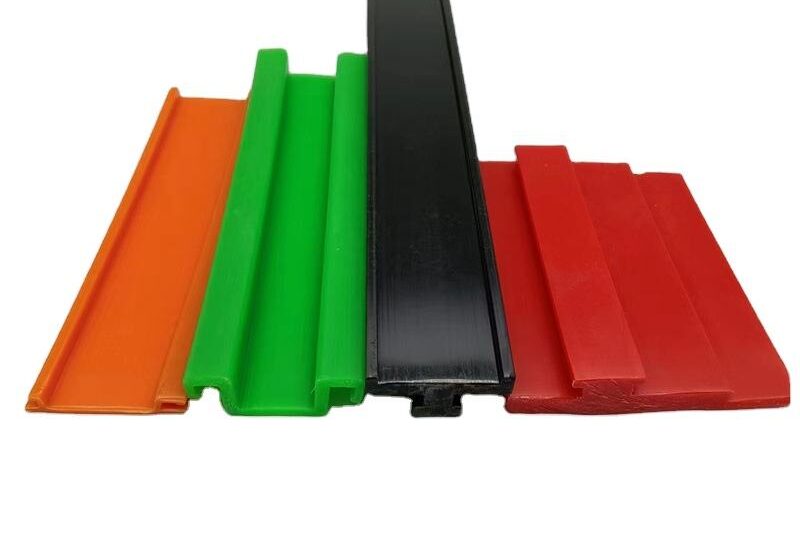
In today’s fast-paced manufacturing world, production lines are designed to move faster, handle more products, and run longer hours than ever before. With this increased speed comes greater stress on every component of the system—especially the surfaces that guide, support, and protect moving parts. This is where plastic wear strip play a silent but powerful role.
Although small in appearance, plastic wear strip significantly improve the reliability and performance of high-speed operations. Their low-friction surface helps products and machine elements move smoothly even at extreme speeds, preventing jamming and unnecessary drag. At the same time, they protect metal components from grinding against each other, reducing heat, noise, and wear.
In many industries such as packaging, food processing, logistics, and beverage handling, plastic wear strip have become essential to maintaining stable production flow. They ensure that conveyor chains glide easily, machine parts stay aligned, and equipment runs quietly and safely. As manufacturers continue to push for higher throughput and lower operating costs, the value of high-quality plastic wear strip becomes increasingly clear.
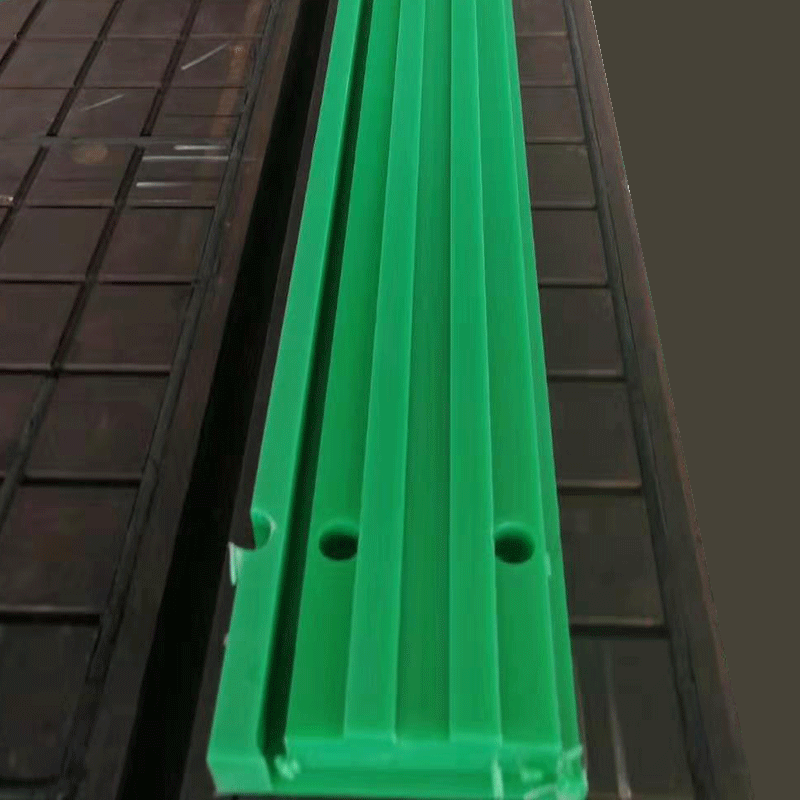
Understanding Plastic Wear Strip: What They Are and How They Function
Plastic wear strip are engineered components designed to reduce friction, support moving parts, and create a protective barrier between machine surfaces. They are typically made from high-performance polymers such as UHMW-PE, PTFE, nylon, or POM—materials chosen for their exceptional durability, low friction, and resistance to wear.
In a high-speed production line, every movement must be smooth and predictable. Plastic wear strip provide a stable sliding surface that allows conveyor chain, product carriers, or machine arms to move without interruption. Their ability to withstand continuous motion, impact forces, and temperature variations makes them crucial for maintaining consistent flow.
Whether they are installed along conveyor guides, machine frames, or precision alignment points, plastic wear strip operate as the quiet, reliable backbone of modern automation.
How Plastic Wear Strip Reduce Friction and Heat in High-Speed Operations
In fast-moving production systems, friction is one of the biggest threats to efficiency. Excess friction slows down equipment, increases heat, accelerates component wear, and ultimately causes costly downtime. Plastic wear strip are designed to combat these issues directly.
Thanks to their naturally low-friction surface, plastic wear strip allow machine elements to glide smoothly—even when operating continuously at high speeds. The reduced friction not only improves movement but also minimizes heat buildup, preventing thermal damage to chains, belts, and structural components.
As a result, equipment can run faster, longer, and with greater consistency. This performance improvement is one of the main reasons manufacturers choose to replace metal contact surfaces with advanced plastic wear strip.
The Role of Plastic Wear Strip in Achieving Precision and Stability
High-speed production demands exact alignment and minimal vibration. Even slight deviations can cause product misplacement, bottlenecks, or equipment malfunction. Plastic wear strip help maintain precise control by providing a stable guiding surface.
Because these strip absorb impact and resist deformation, they help keep conveyor chain and product carriers aligned, even when handling heavy loads or sudden starts and stops. Their smooth, uniform surface ensures that each product moves along the exact intended path without unnecessary shaking or lateral movement.
With plastic wear strip in place, production lines achieve better accuracy, fewer errors, and a more predictable operating rhythm.
Plastic Wear Strip and Noise Reduction: Creating a Quieter Production Environment
Noise is a common issue in high-speed manufacturing, especially when metal components collide or rub during operation. Excessive noise is not only distracting but can also violate workplace safety standards. Plastic wear strip provide a simple and effective noise-control solution.
By replacing metal-on-metal contact with polymer surfaces, plastic wear strip dramatically reduce the sound generated during production. The cushioning properties of materials like UHMW-PE also absorb vibration and impact, further lowering noise levels.
The result is a safer, more comfortable work environment—an important benefit for facilities aiming to improve employee well-being and meet industry regulations.
Why Plastic Wear Strip Lower Maintenance Costs and Downtime
Maintenance is an unavoidable part of production, but plastic wear strip help significantly reduce the frequency and severity of repairs. Their resistance to abrasion, corrosion, and chemical exposure means they remain functional far longer than traditional metal components.
Because they require little to no lubrication, plastic wear strip reduce the amount of routine upkeep needed. Their self-lubricating properties prevent buildup of dirt or debris, lowering the risk of jams or breakdowns.
This leads to longer equipment life, fewer replacement parts, and reduced labor costs. Over time, plastic wear strip become a key contributor to operational savings and increased uptime.
Choosing the Right Plastic Wear Strip for High-Speed Production Lines
Selecting the ideal plastic wear strip requires an understanding of the production environment. Factors to consider include:
-
Operating speed: Higher speeds require lower friction materials.
-
Load requirements: Heavy loads may demand reinforced or thicker strip.
-
Temperature exposure: Some materials perform better in extreme heat or cold.
-
Chemical environment: Food processing lines may need FDA-approved polymers.
-
Design compatibility: The strip shape must allow smooth integration with guides or frames.
By evaluating these conditions carefully, manufacturers can choose plastic wear strip that deliver maximum performance and longevity.
How to Install Plastic Wear Strip Correctly for Optimal Performance
Proper installation is essential to getting the most out of plastic wear strip. Technicians should begin by ensuring the mounting surface is clean, flat, and free from debris. Misalignment can cause premature wear or unstable movement, so positioning the strip accurately is critical.
Fastening methods may include screws, clips, adhesive backing, or snap-on channels depending on the application. Once installed, a test run should be performed at slow speed to verify smooth movement and correct alignment.
Regular inspection helps identify early signs of wear, allowing timely replacement and preventing equipment damage or downtime.
Real-World Applications: Plastic Wear Strip in Various Fast-Paced Industries
Many industries rely heavily on plastic wear strip to meet high-speed production demands:
-
Packaging lines use them to guide cartons, bottles, and wraps smoothly.
-
Food and beverage facilities depend on them for hygiene, low friction, and quiet operation.
-
Logistics centers use plastic wear strip in sorting systems and rapid conveyor networks.
-
Electronics assembly benefits from their precision and ability to protect delicate components.
-
Pharmaceutical plants apply them where cleanliness, accuracy, and gentle handling are essential.
Across these sectors, plastic wear strip ensure faster throughput, fewer errors, and greater reliability.
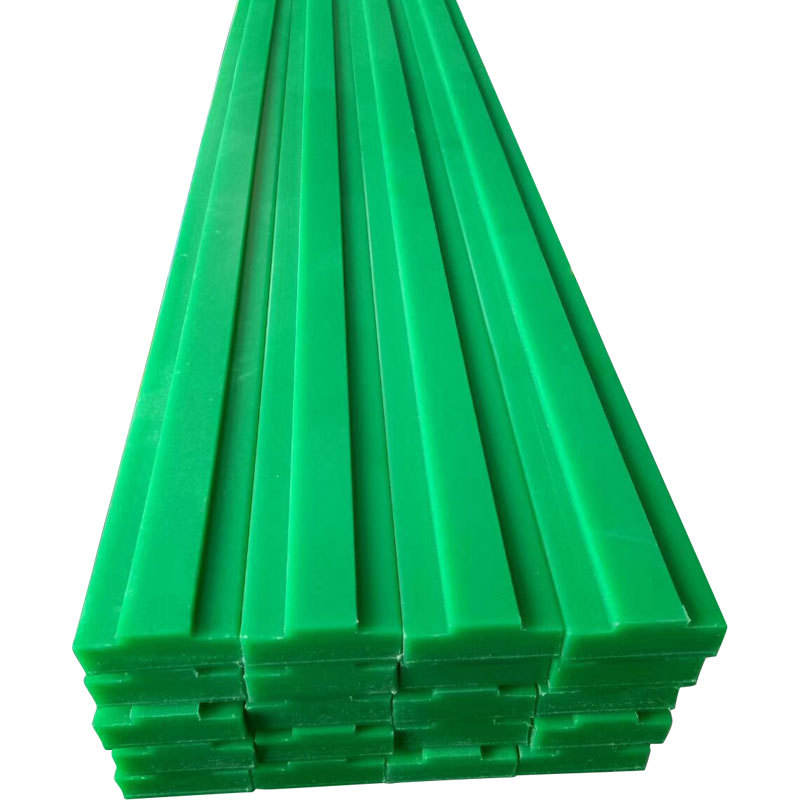
Future Trends: How Plastic Wear Strip Are Evolving for Next-Generation Production Lines
As automation advances, plastic wear strip continue to evolve. New materials with enhanced strength, heat resistance, and chemical stability are emerging. Some manufacturers are developing smart wear strip that include embedded sensors capable of monitoring friction levels or wear rate in real time.
Eco-friendly composites made from recycled polymers are also gaining interest as companies pursue greener manufacturing practices. For high-speed production lines embracing Industry 4.0 standards, these innovations will deliver even greater efficiency and reliability.
Why Every High-Speed Line Needs High-Quality Plastic Wear Strip
Plastic wear strip may be small components, but their impact on high-speed production performance is significant. They enhance speed, precision, stability, safety, and longevity—all while lowering noise and maintenance costs.
For manufacturers seeking to optimize throughput and minimize downtime, investing in high-quality plastic wear strip is a simple yet powerful decision. As production lines grow faster and more automated, the value of these reliable components will continue to rise.