
- November 26, 2025
- Posted by: feinuojixie
- Category: Chain Guides News
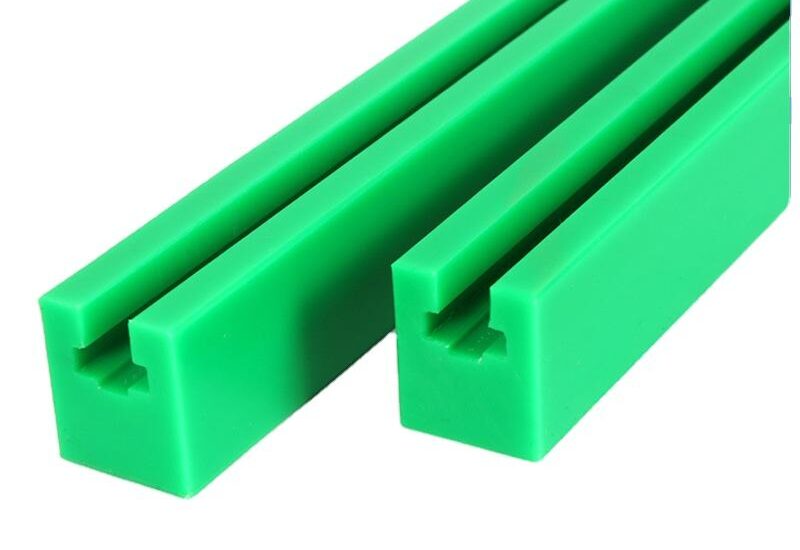
In today’s fast-paced industrial environment, every component that keeps machinery running smoothly must offer consistent performance, long service life, and maximum efficiency. Among these components, the plastic wear strip often goes unnoticed but plays one of the most crucial roles. By providing a low-friction, protective surface, a high-precision plastic wear strip ensures stable movement, prevents metal-to-metal contact, and safeguards expensive equipment from unnecessary wear. For buyers and engineers, understanding how to choose the right plastic wear strip means fewer breakdowns, lower maintenance costs, and better production reliability.
Understanding Plastic Wear Strip in Industrial Applications
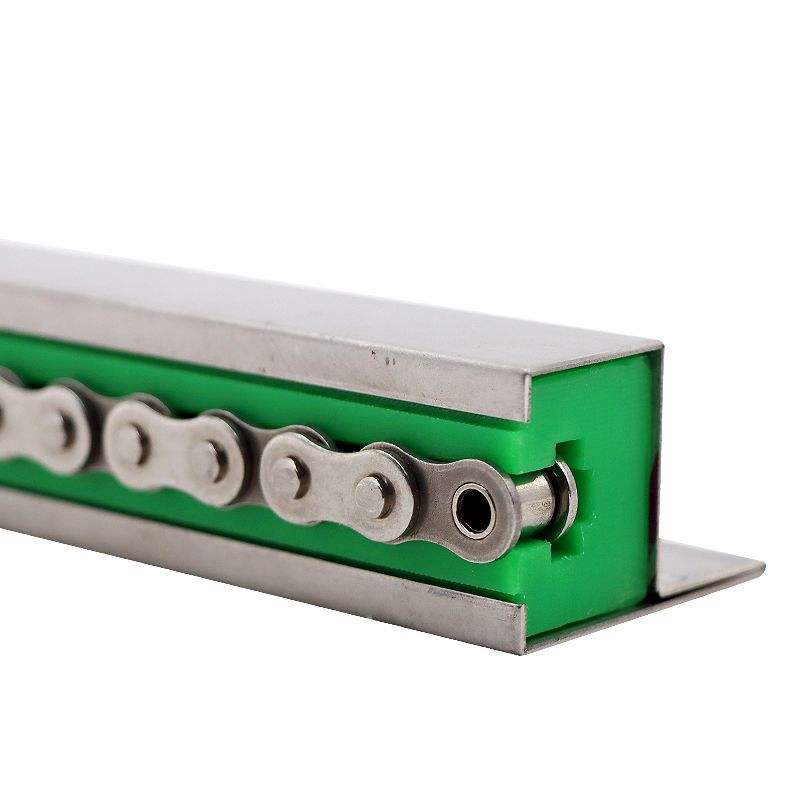
A plastic wear strip serves as a critical interface component in systems where controlled movement, guidance, or support is required. In conveyor lines, packaging machines, robotic automation, and other dynamic equipment, it ensures smooth sliding without damaging mechanical parts. Because it is lightweight, quiet in operation, and resistant to corrosion, a plastic wear strip is often preferred over traditional metal solutions. By reducing friction, it also decreases power consumption, minimizes heat buildup, and enhances system longevity.
What a Plastic Wear Strip Does in Conveyor, Packaging, and Automation Systems
In conveyor systems, a plastic wear strip acts as a guide and support surface for chains, belts, or product carriers. It provides a stable sliding point that absorbs vibration and shock while preventing direct contact between moving components. In packaging and labeling equipment, it helps maintain alignment and precision during high-speed movement, ensuring products stay in position. Within robotic and automation setups, a plastic wear strip reduces noise and maintains smooth, controlled motion essential for repetitive or delicate tasks.
Why Plastic Over Metal: The Technical Advantages You Should Know
Compared to metal, a plastic wear strip offers significant advantages. Its low coefficient of friction allows components to move freely without requiring heavy lubrication. It does not corrode, making it a better choice for humid or chemical-rich environments. It also absorbs vibration more effectively, resulting in quieter operation. These benefits translate into higher efficiency, longer equipment lifespan, and lower maintenance costs—especially in systems that run continuously.
Key Industries That Rely on Plastic Wear Strip for Smooth Operation
Industries such as food processing, beverage bottling, logistics, automotive assembly, and medical device production depend heavily on plastic wear strip solutions. These sectors require clean operation, precision handling, and high-speed performance. A plastic wear strip helps meet these demands by providing consistent, hygienic, and durable support for moving parts. Its reliability is especially critical in environments where even a brief interruption can cause significant production delays.
Material Selection: How to Choose a Plastic Wear Strip That Matches Your Operating Demands
Selecting the right material is the foundation of a successful plastic wear strip purchase. Different materials offer different strengths, and choosing the wrong one can lead to premature wear, deformation, or system inefficiency. Understanding the operational environment ensures that the chosen plastic wear strip can withstand stress, temperature, and chemical exposure.
Exploring Material Options: UHMW, HDPE, Nylon, POM, and More
Common materials used for a plastic wear strip include UHMW, HDPE, nylon, and POM.
-
UHMW provides exceptional abrasion resistance and low friction, making it ideal for high-impact or high-speed systems.
-
HDPE offers good chemical resistance and durability at a lower cost.
-
Nylon withstands higher temperatures and provides strong mechanical stability.
-
POM delivers excellent dimensional precision and stiffness, suitable for equipment requiring tight tolerances.
Each material serves a unique function, and understanding these differences helps buyers make informed decisions.
Temperature, Load, Speed, and Chemical Exposure: Matching Material to Environment
A plastic wear strip must withstand the operational conditions of the machinery. High temperatures may soften certain plastics, while extreme low temperatures can cause brittleness. Heavy load or high-speed movement demands materials with strong impact resistance and stable structural integrity. Chemical-rich environments require materials that resist corrosion and degradation. Matching the material to the environment prevents costly failures and ensures long-term performance.
Compliance and Safety Requirements to Consider
Some industries—especially food and beverage—require materials that meet strict hygiene and safety standards. Buyers may need a plastic wear strip that complies with FDA or EU food-grade regulations. For electronics or hazardous environments, anti-static or flame-retardant materials may be necessary. Ensuring compliance protects both equipment and end products.
Design Factors That Determine the Performance of a Plastic Wear Strip
Beyond material choice, the physical design of a plastic wear strip directly affects its performance. Precision in manufacture and proper sizing are essential to achieving smooth, reliable operation.
Surface Finish, Thickness, and Tolerance: Why Precision Matters
A high-quality plastic wear strip must offer accurate thickness and low surface roughness to minimize friction. Small deviations in tolerance can cause misalignment or uneven wear, especially in high-speed systems. Precision manufacturing ensures that each strip fits perfectly and performs consistently over time.
Custom Shapes and Profiles for Specialized Machinery
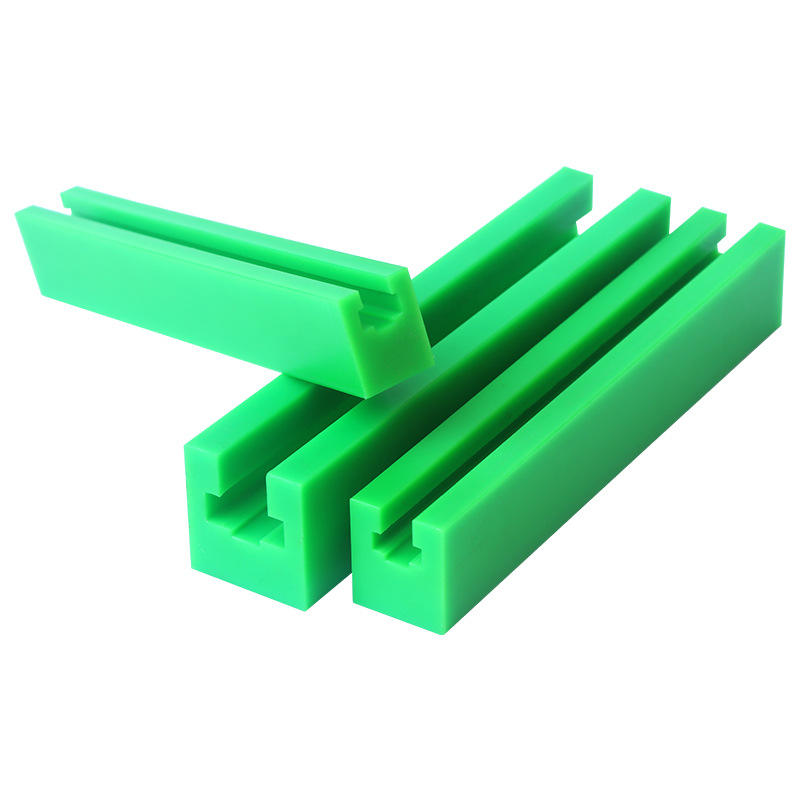
Many systems require custom-designed components to achieve optimal performance. A plastic wear strip can be produced in various shapes—flat profiles, curved guides, T-shaped or U-shaped channels—to fit the exact requirements of machinery. Custom CNC machining or extrusion ensures that the wear strip integrates seamlessly with existing equipment.
Mounting and Installation Methods That Improve Stability
Proper installation determines the stability and lifespan of a plastic wear strip. Secure mounting prevents shifting, vibration, or uneven wear. Some designs include pre-drilled holes, countersunk slots, or clip-on features for easier installation. A stable fit reduces maintenance needs and prevents unexpected downtime.
Performance Indicators: How to Evaluate a Quality Plastic Wear Strip
Evaluating performance metrics helps buyers distinguish between high-quality products and inferior alternatives. Understanding these indicators ensures that the selected plastic wear strip can handle operational demands.
Coefficient of Friction, Wear Rate, and Impact Strength
Low friction ensures smooth movement and reduces the need for lubrication. A low wear rate prolongs lifespan, especially in continuous operation. Impact strength indicates the material’s ability to absorb shock from sudden loads. Together, these metrics determine overall durability and performance.
How to Judge Dimensional Stability in High-Speed Systems
Dimensional stability ensures that the plastic wear strip maintains form under stress, temperature shifts, and long-term use. A strip that expands, warps, or deforms can cause misalignment or failure. Stability is especially important in high-speed production lines where precision is non-negotiable.
Longevity Tests and Certifications That Signal Reliability
Suppliers may offer test reports demonstrating performance under stress, abrasion, and dynamic load. Certifications such as ISO quality standards also indicate consistent manufacturing quality. Reviewing these documents helps buyers confirm reliability before purchasing.
Common Mistakes Buyers Make When Selecting a Plastic Wear Strip
Even experienced buyers can overlook key factors when selecting a plastic wear strip. Avoiding these mistakes protects equipment and reduces long-term costs.
Overlooking Environmental Conditions and Load Requirements
Choosing a strip without considering heat, cold, moisture, or vibration can lead to premature failure. Equipment operated under heavy loads or high speeds requires materials with higher durability and impact resistance. Matching the strip to the operating environment is essential.
Choosing the Cheapest Option Instead of the Best-Fit Material
Low-cost options may seem appealing but often result in higher maintenance expenses. Cheaper materials may deform quickly or wear prematurely. Investing in a proper plastic wear strip reduces long-term operational costs and minimizes downtime.
Ignoring Supplier Expertise and Technical Support
Working with an inexperienced supplier can lead to miscommunication, improper material selection, or inadequate customization. A knowledgeable supplier provides material guidance, prototyping support, and reliable technical assistance.
How to Work With a Reliable Manufacturer for a High-Precision Plastic Wear Strip
Selecting the right manufacturer is as important as selecting the correct material. Professional support ensures better performance and longer-lasting results.
Questions to Ask Before You Place an Order
Buyers should inquire about material properties, machining tolerances, available custom profiles, and production capabilities. Understanding lead times, minimum order quantities, and sample availability helps avoid unexpected surprises.
Why Prototyping and Testing Are Essential Before Mass Production
A prototype allows buyers to test fit, friction, and durability before committing to large orders. Early testing can reveal design improvements or necessary adjustments, saving time and reducing costly errors.
Evaluating Supplier Capability, Equipment, and Quality Control
A trustworthy manufacturer invests in advanced machining equipment, strict quality control, and reliable raw materials. Facilities with automated cutting and CNC machining ensure consistent quality. Quality control practices ensure each plastic wear strip meets specified requirements.
Cost Considerations: What Really Drives the Price of a Plastic Wear Strip
Understanding cost factors helps buyers balance performance and budget. Not all high-priced options are necessary, but extremely low-cost alternatives may compromise quality.
Material Grade and Profile Complexity
Higher-grade materials with superior wear resistance and stability naturally cost more. Complex shapes or precise tolerances also increase production costs. Buyers should select materials and designs based on actual operating needs.
Customization, Machining Time, and Minimum Order Quantities
Custom profiles require additional tooling and machining time. Suppliers may set minimum order quantities based on production efficiency. Understanding these factors helps buyers plan more effectively.
How High-Quality Components Reduce Long-Term Operational Costs
A high-quality plastic wear strip reduces downtime, minimizes maintenance, and helps extend equipment lifespan. While upfront costs may be higher, long-term savings often outweigh the initial investment.
Making a Smart, Long-Term Investment in the Right Plastic Wear Strip
Choosing the right plastic wear strip is a crucial step in ensuring reliable, efficient, and long-lasting machinery performance. By understanding material options, evaluating design factors, and working with a skilled manufacturer, buyers can make informed decisions that enhance productivity and reduce operational costs. A well-selected plastic wear strip is not just a component—it is a long-term investment in smoother operation, consistent performance, and overall system stability.