
- November 28, 2025
- Posted by: feinuojixie
- Category: Chain Guides News
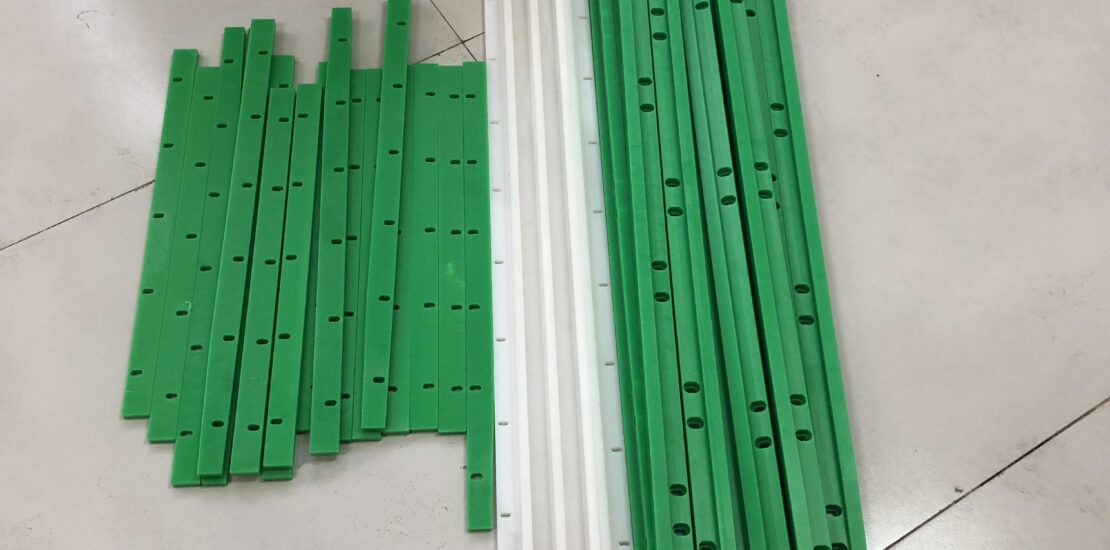
A roller chain guide plays a critical role in ensuring the smooth, efficient, and reliable operation of industrial equipment. It directs the chain along a controlled path, minimizes rubbing between metal surfaces, and reduces unnecessary tension. When the guide performs well, the entire system benefits from lower wear rates, fewer breakdowns, and extended operational life. For industries relying on conveyors, automated machinery, or high-speed production lines, selecting the right roller chain guide can significantly influence long-term performance and maintenance costs.
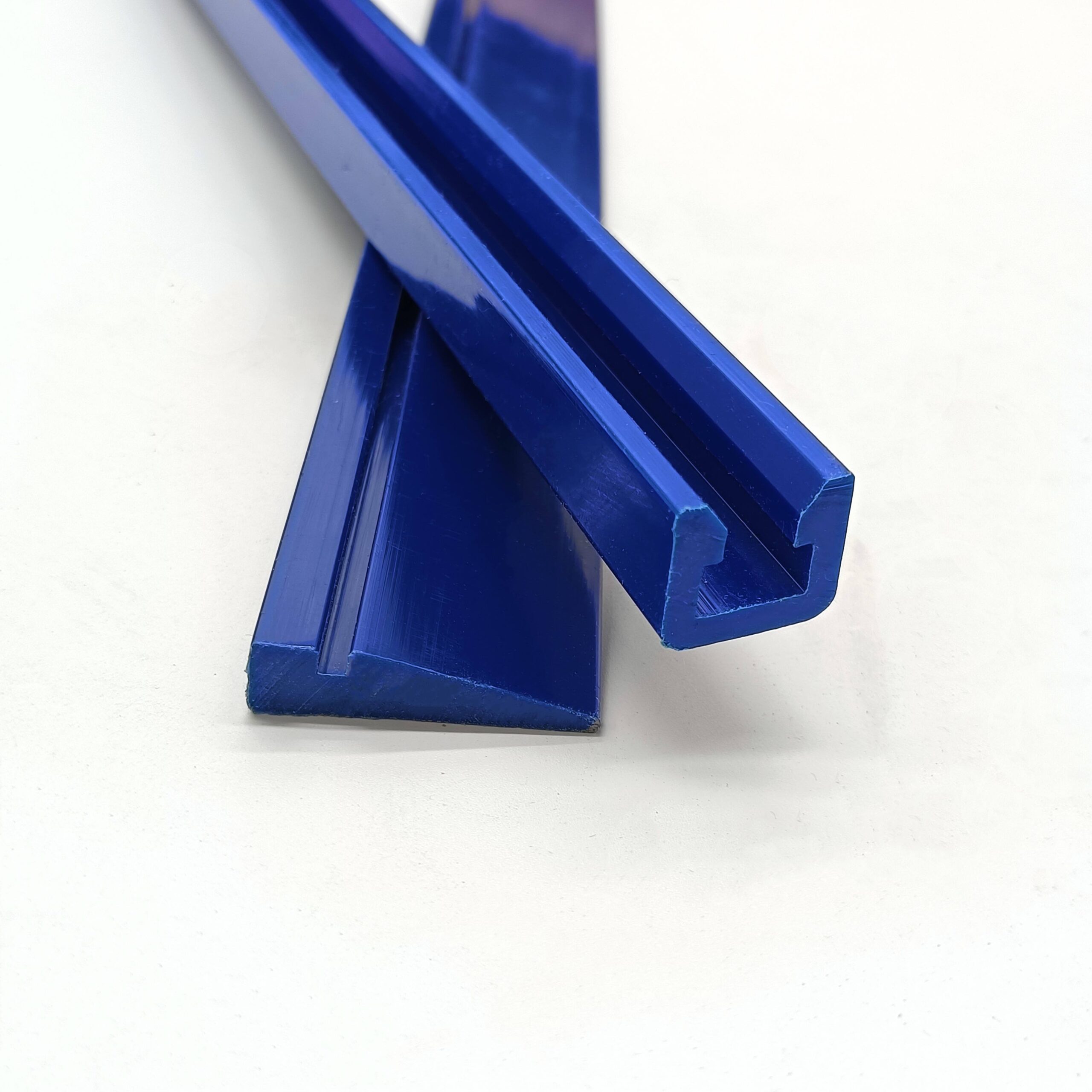
How a Roller Chain Guide Reduces Friction and Prevents Premature Wear
A well-designed roller chain guide ensures smooth chain travel by reducing sliding friction between the chain and support structure. By minimizing metal-to-metal contact, it prevents unnecessary abrasion and slows down chain wear. High-quality materials such as UHMW or nylon create a low-friction surface that allows the chain to glide effortlessly, reducing heat buildup and preventing elongation caused by constant mechanical stress. With less resistance and better alignment, the chain operates more efficiently and enjoys a significantly longer lifespan.
Key Design Features to Look for in a High-Quality Roller Chain Guide
Not all guide systems offer the same level of protection or performance. A premium roller chain guide includes low-friction surfaces that keep the chain moving smoothly even under heavy loads. Reinforced structural support ensures dimensional stability, preventing deformation during long operating cycles. Many modern designs incorporate noise-reducing shapes that dampen vibration and maintain steady movement. Heat-resistant and chemical-resistant properties also help the guide perform reliably in demanding environments such as food processing, packaging, or high-temperature production lines.
Best Material Options for a Durable Roller Chain Guide
Material selection plays an essential role in the overall performance of a roller chain guide. UHMW-PE is a popular choice thanks to its outstanding wear resistance and impact-absorbing ability, making it ideal for high-speed conveyor operations. Nylon provides superior rigidity and maintains excellent strength while still offering self-lubricating benefits. PTFE-enhanced options perform well in extreme environments where very low friction and chemical resistance are critical. Choosing the right material based on temperature, load, and environmental exposure ensures maximum durability and consistent performance.
How a Roller Chain Guide Extends Maintenance Cycles
A reliable roller chain guide helps reduce the need for frequent maintenance by lowering the chain’s exposure to friction, vibration, and misalignment. With more controlled movement, the chain requires less lubrication, and its components suffer less stress throughout each cycle. Vibration reduction ensures that sprocket teeth engage more accurately, avoiding accelerated wear. Over time, these improvements contribute to fewer service interruptions and a more predictable maintenance schedule, allowing operators to extend equipment uptime and lower operating cost.
Installation Tips to Maximize Roller Chain Guide Performance
Proper installation is key to unlocking the full benefits of a roller chain guide. Ensuring correct clearances prevents unnecessary binding or chain drag. During mounting, avoiding excess tightening helps maintain the guide’s natural flexibility and prevents distortion that could interfere with chain movement. Alignment with the sprocket and drive system is crucial for smooth operation, as even small misalignments can lead to premature chain wear. Environmental considerations, such as exposure to chemicals or moisture, should also be addressed to ensure sustained performance.
Common Problems a High-Quality Roller Chain Guide Helps Prevent
A well-engineered roller chain guide helps prevent many common issues seen in industrial equipment. It reduces the risk of chain jumping or derailment by keeping the chain properly tracked. Noise levels decrease because the guide stabilizes the chain and absorbs vibration. By preventing excessive side-to-side movement, it also reduces chain stretch—a major cause of early chain failure. In continuous or high-speed applications, the guide effectively dissipates heat generated by movement, avoiding the thermal stress that leads to premature wear.
How to Select the Right Roller Chain Guide for Your Equipment
Selecting the ideal roller chain guide requires evaluating key factors such as operating speed, load capacity, and environmental conditions. High-speed systems may require materials with better heat resistance and low friction, while heavy-load applications benefit from stronger, more rigid materials. Customized profiles are often preferred in specialized equipment to ensure precise chain engagement, although standard options may work well for general applications. Considering system requirements upfront ensures that the chosen guide will deliver long-term reliability and performance.
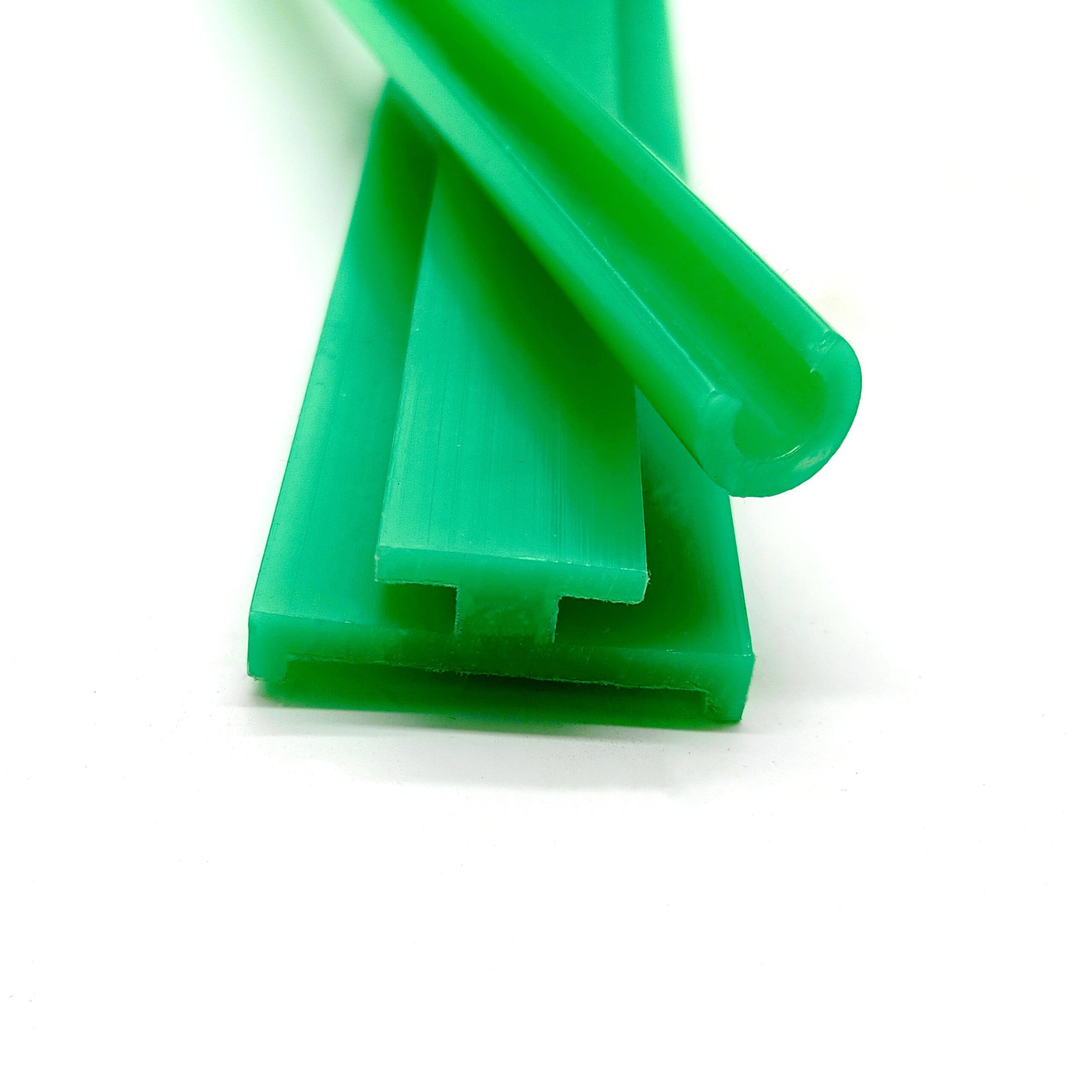
Real-World Benefits of Using a Premium Roller Chain Guide
Investing in a high-quality roller chain guide delivers noticeable improvements across many aspects of equipment performance. Chains last longer due to reduced friction and more consistent movement. Downtime decreases because components fail less frequently and require fewer adjustments. Operational precision increases as the chain maintains a smoother and more predictable path. Maintenance teams appreciate the reduced workload, while facility managers recognize significant savings in long-term operating cost and productivity improvements.
Investing in the Right Roller Chain Guide for Long-Term Reliability
A roller chain guide may appear to be a small component, but its influence on equipment lifespan is substantial. By providing smooth and controlled chain movement, it reduces friction, minimizes wear, and stabilizes the entire system. Choosing a durable, well-designed guide is a smart investment that leads to longer chain life, improved efficiency, and lower maintenance cost. Businesses looking to optimize equipment reliability should consider upgrading to a premium roller chain guide to ensure long-term, trouble-free operation.