
- November 28, 2025
- Posted by: feinuojixie
- Category: Chain Guides News
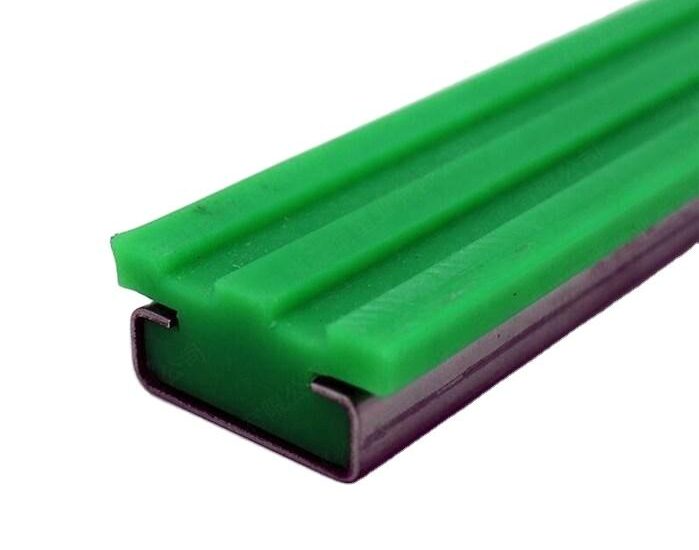
Choosing the best roller chain guide for heavy-duty applications directly influences how reliably and efficiently your equipment performs. A well-selected guide helps stabilize chain movement, reduces friction during continuous operation, and prevents premature wear in environments where machinery is exposed to high loads, vibration, or rapid cycling. When the wrong guide is used, even a strong chain can fail early, leading to costly downtime and safety risks. Understanding what makes a roller chain guide suitable for demanding conditions is the first step toward maximizing equipment lifespan and maintaining stable production output.
Understanding the Role of a Roller Chain Guide in Heavy-Duty Machinery
A roller chain guide plays a crucial role in stabilizing chain motion, maintaining alignment, and preventing metal-to-metal contact that leads to premature wear. In high-duty environments where chains operate at high speed or under heavy tension, the guide absorbs vibration and creates a controlled sliding surface that keeps the chain tracking correctly. This reduces overall friction, minimizes operational noise, and helps maintain consistent equipment performance even during long production cycles.
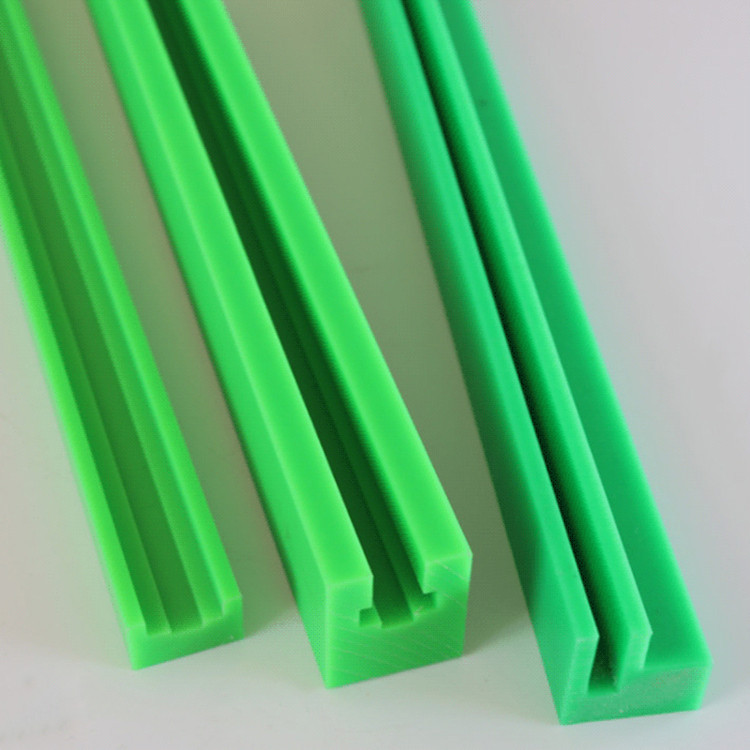
Key Factors That Define a High-Quality Roller Chain Guide for Heavy-Duty Applications
Material Strength: Why UHMW, Nylon, and Engineered Polymers Matter
Material selection directly determines how well a roller chain guide performs under extreme conditions. UHMW is widely used because it offers high wear resistance and low friction, making it ideal for continuous motion machinery. Nylon provides excellent strength and dimensional stability, especially in high-temperature environments. Advanced engineered polymers are suitable for heavy impact, frequent load changes, or chemically harsh conditions. Choosing the right material ensures the guide can withstand long-term stress without deformation or excessive wear.
Load Capacity and Structural Reinforcement
For heavy-duty use, a roller chain guide must maintain rigidity under significant load. Reinforced polymer profiles or steel-backed designs help distribute force evenly, preventing bending or cracking during operation. Equipment that handles heavy products, abrupt directional changes, or high load cycling requires guides designed specifically for impact and tensile strength. A guide with insufficient load capacity can lead to misalignment or unexpected chain failure.
Heat, Chemical, and Environmental Resistance
Harsh environments demand a roller chain guide that can resist high temperature, corrosive chemicals, and abrasive particles. Operations involving heat, steam, chemicals, or outdoor exposure require materials that will not swell, degrade, or lose strength. Selecting a guide with proper resistance protects both the chain and surrounding components, ensuring long-term reliability in demanding industrial settings.
How to Match the Right Roller Chain Guide to Your Equipment
Assessing Chain Speed and Movement Pattern
Different speeds and motion patterns create different friction and wear profiles. High-speed chains benefit from low-friction surfaces that prevent heat buildup, while slow or intermittent chains may require thicker or more impact-resistant guides. Machinery with curves or angled paths needs guides that maintain stability throughout the chain’s full travel range.
Understanding Chain Size and Compatibility Requirements
A roller chain guide must match the exact size and type of your chain to ensure proper engagement. Even slight dimensional mismatches can cause the chain to ride unevenly or jump off the guide. Checking pitch, width, and clearance requirements is essential for achieving consistent chain alignment and preventing downtime.
Mounting Style Options and Installation Constraints
Each machine has its own structural limitations, so choosing the correct mounting style is critical. Resting guides offer simple installation, while snap-on styles are suitable for quick replacement in high-maintenance environments. Bracket-mounted or custom-machined guides provide increased stability for large or complex equipment. Selecting a mounting style that fits your machine’s layout ensures secure operation and easier maintenance.
Performance Features to Look For in a Heavy-Duty Roller Chain Guide
Low-Friction Sliding Surface
A smooth, low-friction surface minimizes heat generation and reduces energy loss. This is essential when chains operate continuously or under high tension. Reduced friction helps the chain move efficiently while extending the life of both the chain and the guide.
Noise Reduction and Vibration Control
In heavy-duty applications, vibration can cause chain instability and accelerate wear. A roller chain guide designed to dampen vibration and reduce operational noise creates a smoother running system. This becomes especially important in high-speed or precision-driven machinery.
Lubrication Optimization
A high-performance guide minimizes excessive lubrication requirements by providing a naturally smooth sliding interface. Some materials are engineered to maintain low friction even with minimal lubrication, helping reduce contamination, oil consumption, and maintenance effort.
Common Mistakes to Avoid When Selecting a Roller Chain Guide
Ignoring Environmental Conditions
Choosing a guide without considering temperature, moisture, dust, or chemical exposure is one of the most common mistakes. The environment directly affects material performance, so matching the guide material to the conditions is essential for long-term durability.
Selecting the Wrong Profile or Size
Incorrect sizing leads to chain instability, increased friction, and accelerated wear. Selecting a guide based on convenience rather than proper measurement often results in misalignment and costly breakdowns. Ensuring accurate dimensional compatibility prevents avoidable failures.
Overlooking Long-Term Maintenance Needs
A guide that is difficult to clean, replace, or inspect increases maintenance time and cost. Heavy-duty machinery benefits from guides designed for easy installation, long wear life, and simple maintenance routines.
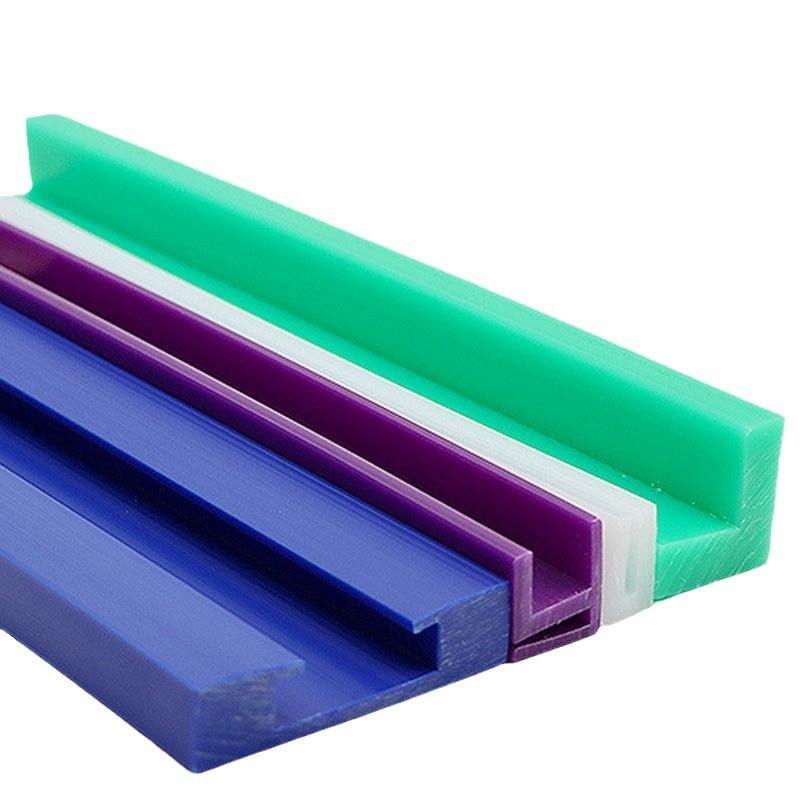
How a High-Performance Roller Chain Guide Can Improve Productivity
Longer Chain Life and Lower Maintenance Cost
When the guide provides stable alignment and low friction, the chain experiences significantly less wear. This reduces replacement frequency and lowers overall maintenance expense. A high-quality guide helps maintain consistent chain tension and protects critical components from damage.
Enhanced Equipment Safety and Operational Stability
Smooth and stable chain operation improves workplace safety and reduces the risk of unexpected failures. Proper alignment prevents chain jump, breakage, and vibration-related hazards. With the right guide, equipment operates more reliably, boosting uptime and production efficiency.
Choosing the Best Roller Chain Guide for Reliable, Heavy-Duty Operation
The right roller chain guide is essential for maintaining performance, protection, and stability in heavy-duty environments. By evaluating material strength, load capacity, environmental factors, and compatibility with your equipment, you can select a guide that delivers long-term reliability and reduced maintenance cost. A well-chosen guide not only extends chain life but also enhances operational safety and productivity. Investing in a high-quality guide ensures your machinery performs at its best, even under the most demanding conditions.