
- December 1, 2025
- Posted by: feinuojixie
- Category: Chain Guides News
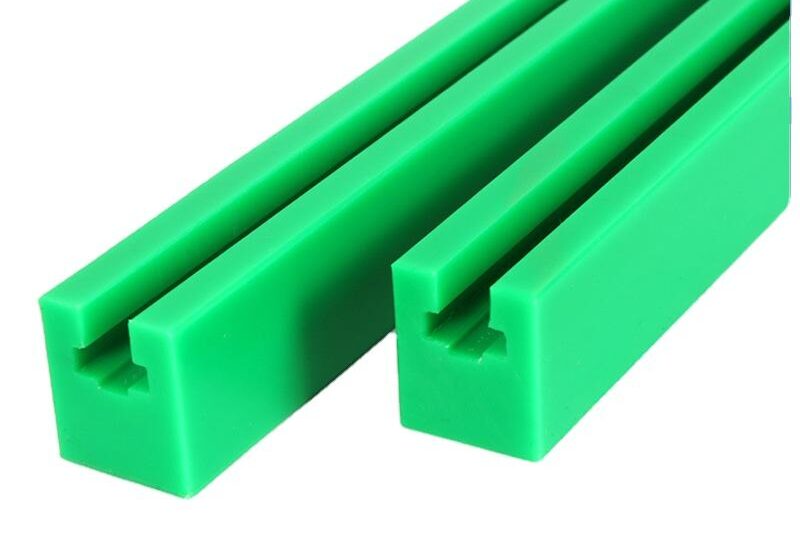
In many industrial systems, the roller chain guide plays a silent but critical role in directing chain movement, preventing unwanted vibration, and ensuring smooth, stable operation. When a roller chain guide begins to fail, the consequences often go unnoticed until they escalate into costly downtime, chain damage, or even equipment shutdown. Because the guide functions as a protective and stabilizing interface, any degradation in its material, alignment, or surface condition can quickly compromise the entire transmission system.
Whether used in conveyor equipment, automated production lines, packaging machines, or heavy-duty mechanical systems, a roller chain guide must withstand continuous friction, load, and environmental stress. Yet, operators frequently underestimate the ways a seemingly small guide can become a major failure point. Understanding what causes roller chain guide failure—and how to prevent it—is essential for keeping industrial machinery running efficiently, safely, and profitably.
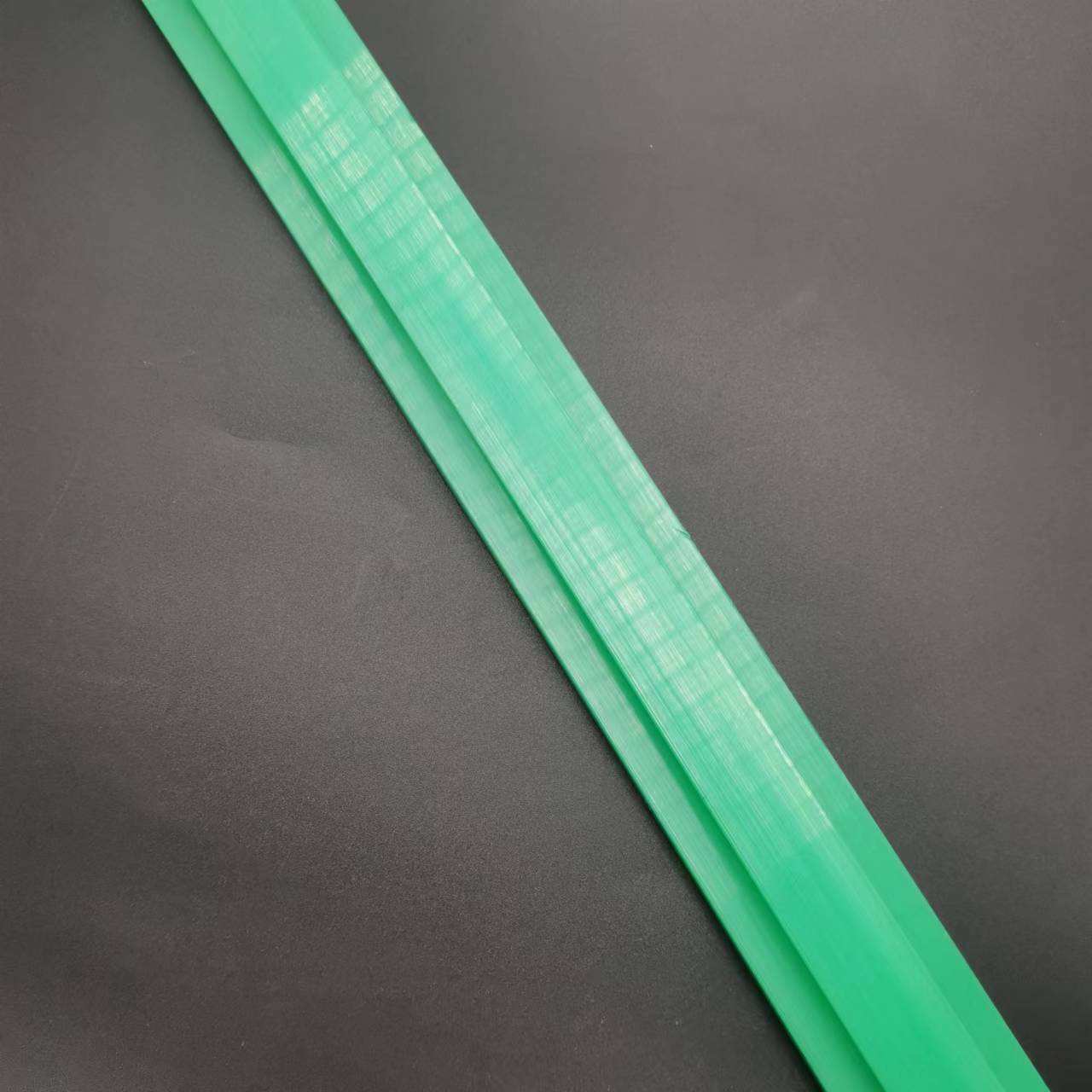
Understanding the Role of a Roller Chain Guide in System Performance
How a Roller Chain Guide Supports System Alignment
A roller chain guide ensures that the chain stays on its intended path, reducing lateral movement and preventing the chain from jumping or slipping. By stabilizing chain travel, the guide minimizes vibration, maintains smooth engagement with sprockets, and helps reduce mechanical stress on surrounding components. Proper alignment lowers overall wear and improves system efficiency.
Why Material Selection Matters in Roller Chain Guide Performance
The performance of a roller chain guide depends heavily on the material used. Engineering plastics such as UHMW and nylon offer excellent wear resistance, low friction, and strong impact performance. Choosing the correct material ensures durability under varying loads, speeds, and environmental conditions. The wrong material can deform, crack, or wear prematurely, leading to avoidable failures.
How Operating Conditions Affect a Roller Chain Guide
Harsh environments, such as extreme temperatures, moisture, dust, or continuous heavy load, significantly influence the lifespan of a roller chain guide. High-speed applications generate more heat and friction, while high-load systems can quickly deform the guide surface. Understanding these operating conditions allows engineers to choose the right guide design and maintenance strategy.
Common Roller Chain Guide Failure Modes and What Really Causes Them
Roller Chain Guide Wear from Poor Lubrication
Insufficient lubrication increases friction between the chain and guide surface, causing accelerated wear. Without proper lubrication, heat buildup can soften the guide material, making it more prone to abrasion and deformation. Over time, this leads to inconsistent chain tracking and eventual guide failure.
Roller Chain Guide Deformation Under Excessive Load
When a system consistently operates above its intended load, the roller chain guide can warp or compress. Excessive load forces the chain deeper into the guide channel, increasing stress levels and creating permanent grooves. This deformation reduces accuracy and leads to rough, unstable chain movement.
Roller Chain Guide Cracking Caused by Thermal Stress
Rapid temperature fluctuations cause certain plastic materials to expand and contract unevenly. Repeated thermal cycling can form microcracks that grow over time. In high-temperature environments, a roller chain guide may also experience brittleness, reducing its ability to absorb impact or resist abrasion.
Roller Chain Guide Failure Due to Misalignment
Misalignment is one of the most common causes of roller chain guide failures. When the chain is forced to run at an angle or constantly shift within the guide, uneven stress occurs along the contact surfaces. This leads to irregular wear, increased friction, and a higher risk of chain derailment.
Roller Chain Guide Failure Caused by Contamination and Debris
Industrial environments often contain dust, metal chips, plastic fragments, or chemical particles. When these contaminants enter the guide channel, they act as abrasives, scratching or gouging the roller chain guide. The chain may also ride unevenly, causing further structural damage.
Roller Chain Guide Noise and Vibration as Early Failure Indicators
Excessive noise or vibration is often an early sign that a roller chain guide is deteriorating. These symptoms may indicate misalignment, uneven wear, or debris interference. Identifying and addressing these issues early can prevent more severe mechanical breakdowns.
How to Prevent Roller Chain Guide Failure Before It Happens
Choose the Right Roller Chain Guide Material for Your Application
Selecting the proper material is the first step toward long-lasting performance. UHMW is ideal for low-friction, high-wear environments, while nylon offers higher rigidity and temperature resistance. Special composite materials may be necessary for extreme applications where heat, chemicals, or heavy loads are common.
Optimize System Alignment to Reduce Roller Chain Guide Stress
Regular alignment checks help ensure that the chain moves in a straight, controlled path. Proper alignment reduces friction, prevents tracking issues, and enhances the stability of the roller chain guide. Even small misalignments can lead to significant long-term wear, so routine inspections are essential.
Use Proper Lubrication Practices to Protect the Roller Chain Guide
Lubrication reduces friction, dissipates heat, and extends both chain and guide lifespan. Operators should follow manufacturer recommendations for lubrication intervals and types. Applying the correct lubricant also helps prevent corrosion and reduces the risk of material softening caused by excessive heat.
Maintain Ideal Load and Speed to Extend Roller Chain Guide Lifespan
Keeping load and speed within the recommended range is crucial for preventing overstress. Avoiding sudden load spikes and high-speed surges ensures that the roller chain guide operates under steady, manageable conditions. This helps minimize deformation and reduces the chance of accelerated wear.
Control Contaminants to Keep the Roller Chain Guide Clean
Protective covers, dust shields, and regular cleaning routines help keep contaminants away from the guide surface. Removing debris prevents scratching, uneven wear, and tracking issues. A clean environment also increases the consistency and smoothness of chain movement.
Monitor Noise and Vibration to Catch Roller Chain Guide Failure Early
Implementing regular noise and vibration monitoring helps identify early failure symptoms. When operators address unusual acoustic or vibration patterns promptly, they prevent minor wear issues from turning into expensive breakdowns.
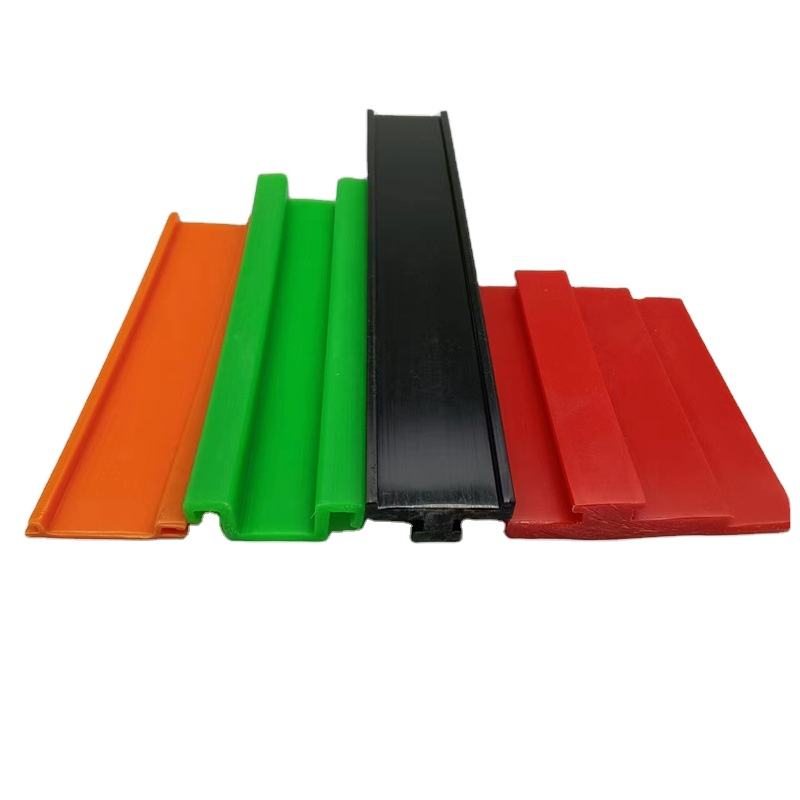
Advanced Engineering Tips for Roller Chain Guide Reliability
How to Improve Roller Chain Guide Cooling and Heat Dissipation
Improving ventilation, using heat-resistant materials, or integrating cooling components can help maintain stable operating temperatures. Effective heat management reduces the risk of softening, warping, or cracking.
Design Optimization to Reduce Roller Chain Guide Contact Stress
Engineers can enhance durability by using optimized guide geometries, improved surface finishes, and reinforced contact areas. These design adjustments help distribute load more evenly across the guide, reducing wear concentration.
When to Upgrade to a Custom Roller Chain Guide
Standard guides may not meet the demands of specialized or extreme applications. Custom machining or high-performance materials may be necessary for systems requiring higher precision, load capacity, chemical resistance, or thermal stability.
A Reliable Roller Chain Guide Ensures Longer Equipment Life and Lower Operating Cost
A roller chain guide is a small component with a major impact on equipment performance. By understanding the causes of roller chain guide failure and taking the right preventive actions, operators can significantly reduce downtime, lower maintenance cost, and enhance overall system reliability. Investing in proper material selection, alignment, lubrication, contamination control, and design optimization ensures that the roller chain guide performs reliably throughout its service life.