
- December 2, 2025
- Posted by: feinuojixie
- Category: Chain Guides News
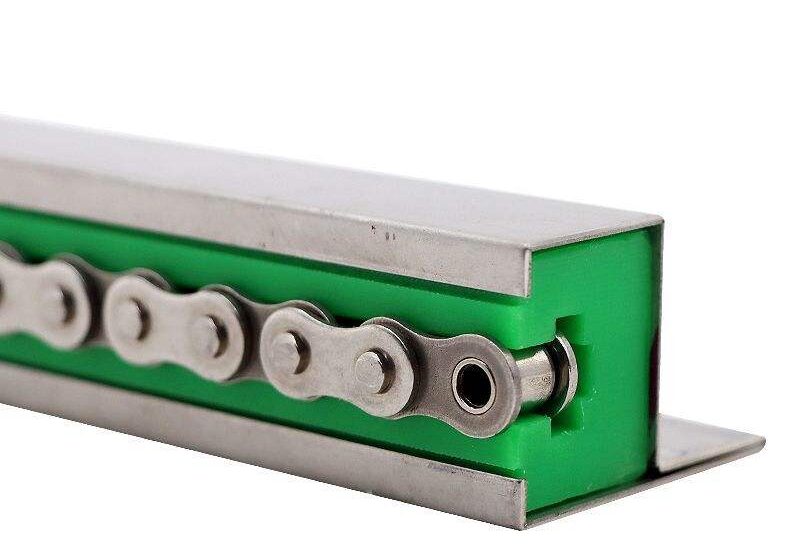
In today’s demanding industrial environment, precision and durability have become the core requirements for any chain-driven system. A roller chain guide plays a crucial role in stabilizing chain movement, controlling friction, and preventing misalignment that could compromise performance. For many engineering teams, this component works silently in the background, yet it directly affects accuracy, noise level, wear rate, and maintenance cycles.
Modern machinery often operates under higher speeds, heavier loads, and tighter tolerances than ever before. This means a reliable roller chain guide is not merely an accessory but an essential engineering element that safeguards equipment integrity. Despite this, many engineers still underestimate its contribution to long-term reliability and productivity.
This article provides a deep technical perspective on how to select, design, and maintain a high-performance roller chain guide. Whether you are optimizing an existing conveyor system or designing a new automated line from scratch, the details inside will help you make informed, engineering-driven decisions.
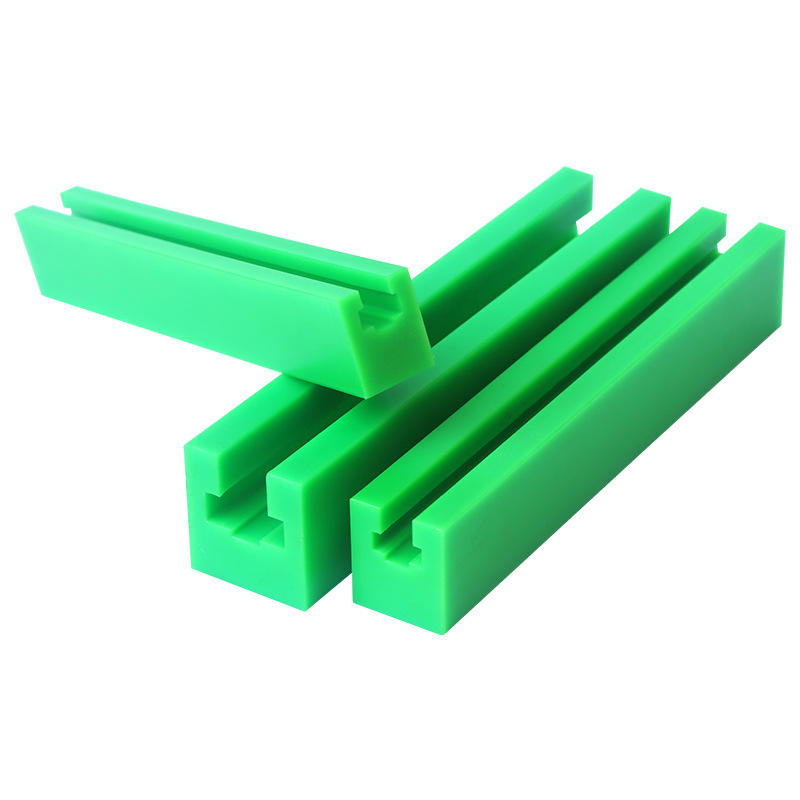
Understanding the Engineering Purpose of a Roller Chain Guide
A roller chain guide is engineered to maintain consistent chain positioning, reduce vibration, and control friction across the system. When a chain runs at high speed or under significant load, even small deviations can lead to uneven tension or premature wear. The roller chain guide ensures the chain stays aligned with the sprocket while minimizing lateral movement that could disrupt smooth operation.
What a Roller Chain Guide Actually Does in a Mechanical System
In a functioning mechanical system, a roller chain guide is responsible for managing the dynamic movement of the chain. It absorbs side load, reduces oscillation, and enables the chain to operate at a stable trajectory. By controlling these movement variables, the roller chain guide decreases the risk of slippage and mechanical shock.
A properly engineered guide also decreases noise by ensuring the chain glides smoothly along its path. For equipment that requires consistent speed and accuracy, such as packaging machinery or automated sorting lines, the guide directly contributes to output quality and operational stability.
Key Engineering Principles Behind a High-Performance Roller Chain Guide
The science behind the performance of a roller chain guide involves friction management, thermal stability, and load distribution. Good material choice ensures resistance to heat generated through friction, while intelligent design provides even contact across the chain surface.
A high-performance roller chain guide also incorporates engineered geometry that reduces localized pressure points. This not only prevents deformation but also enhances motion accuracy—an essential factor for machinery that relies on repeatable and precise chain movement.
Material Considerations for a Long-Lasting Roller Chain Guide
Material selection is one of the most decisive factors in the performance of a roller chain guide. Different environments and load requirements call for different engineering polymers, each offering unique advantages in friction resistance, impact tolerance, and service life.
Why Engineers Prefer UHMW, Nylon, and Custom-Engineered Polymers
UHMW is often the preferred material due to its excellent wear resistance, low friction, and ability to operate without added lubrication. Nylon provides superior strength and rigidity, making it suitable for higher-load conditions. In more demanding applications, custom-engineered polymers can provide enhanced thermal stability or chemical resistance.
The right material can drastically reduce the frequency of maintenance and extend the lifespan of both the chain and guide. This translates into lower operational costs and improved reliability.
How to Match Roller Chain Guide Material to Load, Speed, and Environment
Matching material to application is essential. High-speed systems require materials with superior thermal properties to prevent melting or deformation. Heavy-load applications benefit from stronger polymers that resist compression. Environments with moisture, chemical exposure, or extreme temperatures require specialized materials designed for long-term stability under aggressive conditions.
Ignoring these factors can result in a roller chain guide that wears rapidly, deforms under operational heat, or fails prematurely.
Design Features That Define a Precision Roller Chain Guide
Beyond material, the physical structure of a roller chain guide plays a major role in chain stability and performance. Engineers must consider geometry, tolerance accuracy, and installation methods.
Geometry and Tolerance: Why Shape Matters
A precisely shaped roller chain guide ensures stable chain travel and reduces the chance of vibration. Even micro-level inaccuracies can affect the chain path, increasing wear and noise. Smooth contours and consistent channel dimensions help the chain glide with minimal friction, improving efficiency.
A poorly designed guide creates uneven load distribution, leading to accelerated wear on both the guide and the chain.
Mounting Methods That Prevent Misalignment
Mounting options determine how securely a roller chain guide stays in place during operation. Bolt-on and clamp-fit systems offer strong stability while allowing easy adjustments. Embedded designs integrate the guide directly into the machine frame for maximum rigidity.
Proper mounting prevents accidental shifting, especially under dynamic or shock loads. Misalignment not only increases friction but can lead to chain damage or system downtime.
Performance Benefits You Gain From Upgrading Your Roller Chain Guide
Investing in a better roller chain guide results in tangible performance improvements across multiple areas of your system.
Precision Improvement for High-Speed or High-Load Applications
A well-engineered roller chain guide provides consistent support that reduces oscillation and vibration. This ensures smoother chain travel and allows high-speed machinery to operate with greater precision. The result is more accurate product handling and better overall system control.
Durability and Wear Reduction That Translate Into Cost Savings
Longer service life is one of the biggest benefits of a high-quality roller chain guide. By reducing friction and protecting the chain from unnecessary strain, the guide helps extend the lifespan of both the chain and the sprocket. This reduces maintenance requirements and minimizes unplanned downtime, lowering total operational costs.
How to Select the Right Roller Chain Guide for Your Engineering Application
Choosing the ideal roller chain guide requires evaluating specific conditions in your system. Engineers should focus on operational speed, load intensity, cleanliness, and environmental exposure.
Critical Selection Criteria: Speed, Load, Cleanliness, and Environment
High-speed applications need guides made from low-friction materials with strong thermal resistance. Heavy-duty systems require materials that can withstand compression and impact. Cleanroom environments demand non-contaminating, low-wear polymers. Outdoor or corrosive environments may require chemical-resistant materials.
Identifying these factors upfront ensures reliable long-term performance.
Custom vs Standard Roller Chain Guide: When Each Makes Sense
Standard roller chain guide options are suitable for common layouts and general-purpose machinery. However, complex systems or constrained spaces often benefit from custom designs that optimize guide shape, size, or mounting method.
Custom solutions may require higher initial investment but often lower total cost by improving system efficiency and reducing maintenance.
Installation and Maintenance Best Practices for a Trouble-Free Roller Chain Guide
Proper installation and consistent maintenance are critical to achieving the full performance potential of a roller chain guide.
How Proper Installation Ensures True Precision
Correct alignment during installation ensures smooth chain travel and prevents destructive friction. Engineers should check straightness, tension, and mounting torque. Even minor deviations can result in increased wear or reduced accuracy.
Using precision tools during installation helps maintain tight tolerances and ensures the guide fits securely.
Maintenance Methods to Keep Your Roller Chain Guide in Peak Condition
Regular inspection helps identify early signs of wear such as grooves, discoloration, or dimensional changes. Lubrication strategy depends on material choice; UHMW-based guides often require no additional lubrication, while other materials may benefit from controlled lubrication schedules.
Predictive maintenance tools can further reduce downtime by monitoring operational temperature and chain movement, allowing issues to be addressed before failure occurs.
Future Engineering Trends in Roller Chain Guide Technology
As industrial demands evolve, new technologies continue to shape the design and performance of roller chain guide systems.
Smart Material and Low-Friction Innovations
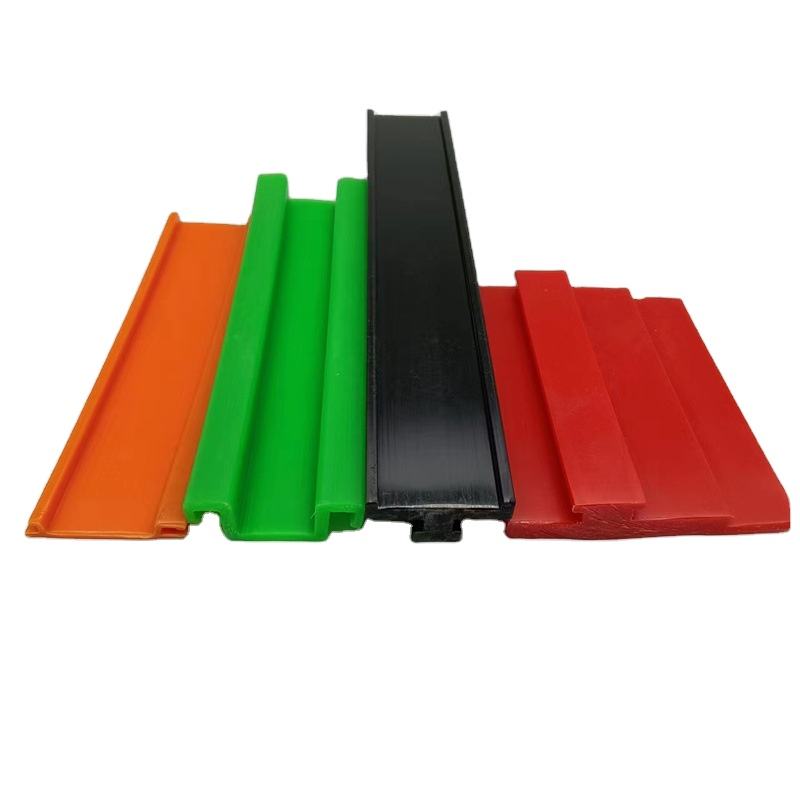
Advances in polymer technology are producing materials with even lower friction coefficients, higher heat tolerance, and enhanced durability. Reinforced composites and hybrid polymers are becoming more common in precision-driven industries.
These innovations contribute to quieter operation, smoother movement, and longer service life.
What Engineers Can Expect in Precision Chain Systems Over the Next Decade
Future roller chain guide systems may integrate sensors to monitor wear and alignment in real time. Combined with IoT technology, this will allow predictive and automated maintenance strategies. Engineers can also expect improved manufacturing processes that deliver tighter tolerances and more consistent performance.
The Modern Engineer’s Advantage with a High-Quality Roller Chain Guide
A reliable roller chain guide plays a vital role in ensuring precision, durability, and low maintenance in chain-driven equipment. By selecting the right material, optimizing design features, and following proper installation and maintenance practices, engineers can significantly enhance system performance and reduce operating costs.