
- December 2, 2025
- Posted by: feinuojixie
- Category: Chain Guides News
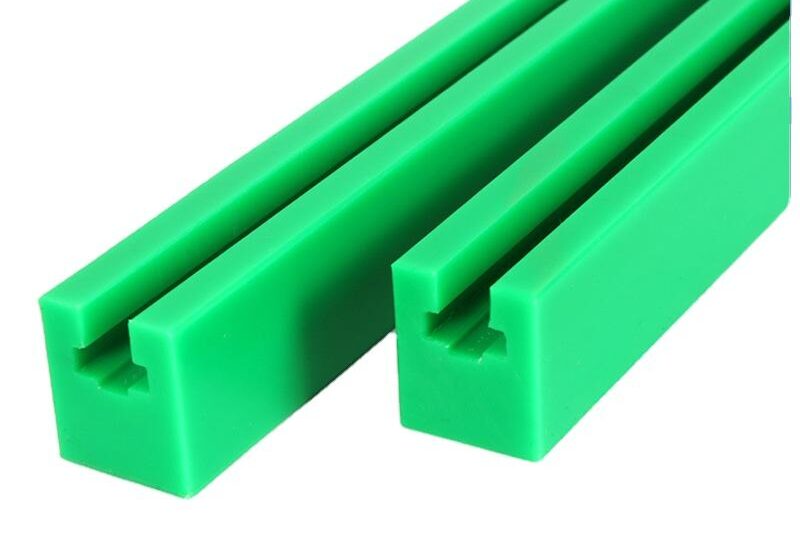
In today’s high-speed manufacturing landscape, equipment is pushed to operate faster, longer, and with greater precision than ever before. When production lines run at elevated speeds, even small sources of friction, vibration, or misalignment can lead to major losses in efficiency. This is where a roller chain guide becomes indispensable. By stabilizing chain motion, reducing unnecessary wear, and ensuring consistent alignment, a roller chain guide helps manufacturers maintain throughput, safeguard product quality, and minimize costly downtime. Its role may appear simple, but its impact on overall system performance is significant—often determining whether a production line runs smoothly or struggles to meet demand.
Understanding the Role of a Roller Chain Guide in Motion Control
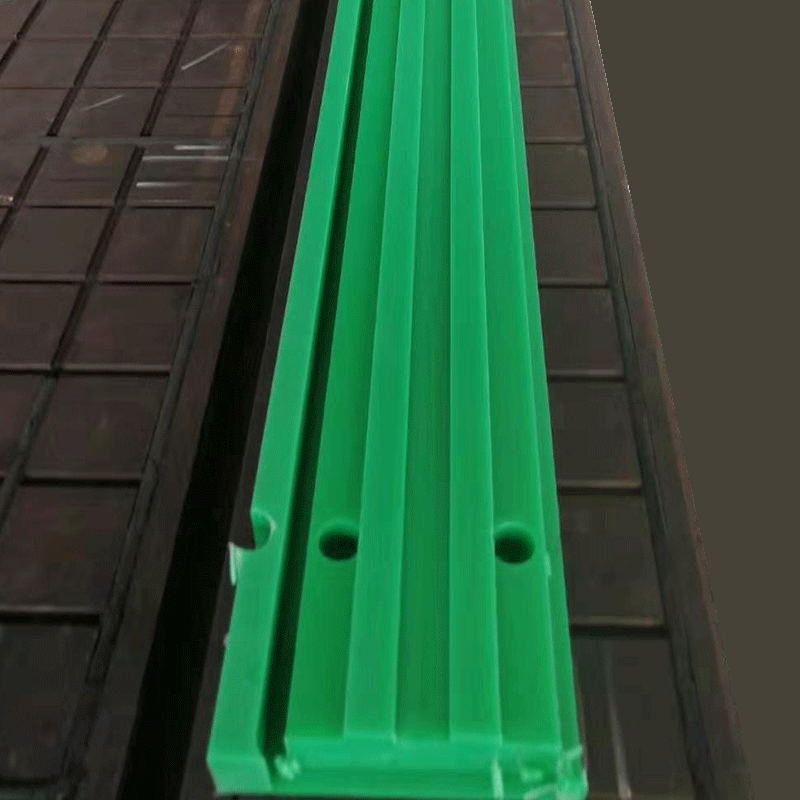
A roller chain guide plays a central role in ensuring stable and predictable chain movement, which is critical in any high-speed environment. Its primary function is to keep the chain properly aligned as it travels along the system, preventing side-to-side drift that could disrupt positioning. By offering directional support, it allows the chain to run smoothly even under rapid acceleration or sudden load changes. In addition, the guide reduces friction by providing a low-resistance surface for the chain to glide against. This controlled motion not only boosts mechanical accuracy but also ensures that every stroke, transfer, and cycle happens exactly as engineered.
How a Roller Chain Guide Enhances Speed and Operational Efficiency
High-speed manufacturing demands consistent motion without hesitation or mechanical lag. A roller chain guide contributes directly to this by reducing vibration, lowering drag, and keeping the chain perfectly centered. With less lateral movement, the chain experiences fewer speed fluctuations, allowing the equipment to maintain stable cycle rates. Smooth motion translates into faster indexing, quicker transitions, and improved repeatability across thousands of cycles. Whether the equipment handles packaging, conveying, filling, or robotic transfer, the addition of a roller chain guide allows machines to operate at higher speeds without compromising performance or precision.
Reducing Wear and Extending Component Lifespan with a Roller Chain Guide
Excessive wear is one of the leading causes of mechanical failure in high-speed production. A roller chain guide helps minimize this risk by controlling how the chain interacts with surrounding components. By reducing metal-to-metal contact and absorbing chain vibration, the guide prevents accelerated wear on both the chain and the sprocket. This protection extends the lifespan of the entire drive system, keeping performance consistent even during long production runs. It also ensures that tension remains stable, which further reduces the risk of unexpected failures or expensive premature replacements.
Why a Roller Chain Guide Minimizes Downtime in High-Speed Markets
Unplanned downtime is one of the biggest cost drivers in manufacturing, especially for high-speed equipment running around the clock. A roller chain guide helps mitigate this risk by preventing derailments, reducing chain slack issues, and minimizing shock loads that could trigger system shutdowns. Because the chain stays in a predictable path, operators encounter fewer stoppages and maintenance interventions. The guide also supports more reliable lubrication behavior, meaning the system runs consistently for longer periods without manual adjustments. All of these benefits combine to keep production lines running continuously and at optimal output.
Impact of a Roller Chain Guide on Noise Reduction and Operator Comfort
Noise control is an increasing priority in modern factories, particularly those using high-speed mechanical systems. A roller chain guide significantly lowers operating noise by absorbing chain chatter and smoothing motion along the rail. With reduced vibration and fewer abrupt impacts, the system runs more quietly, creating a safer and more comfortable working environment. Improved acoustics also make it easier for maintenance teams to detect abnormal equipment sounds, which can be early indicators of mechanical problems.
Choosing the Right Roller Chain Guide for High-Speed Manufacturing
Selecting the correct roller chain guide is essential for achieving maximum efficiency. Several factors must be considered, including load requirements, operating temperature, chain speed, and environmental conditions. Material choice is equally critical; options such as UHMW, HDPE, or advanced engineered polymer each offer different advantages in friction resistance, durability, and chemical compatibility. The guide’s profile and mounting configuration should also match the system’s geometry to ensure optimal chain contact. By evaluating these elements carefully, engineers can choose a roller chain guide that enhances reliability while supporting the unique demands of high-speed production.
Best Practices for Maintaining a Roller Chain Guide for Maximum Efficiency
To preserve peak performance, regular inspection and maintenance are essential. Operators should periodically check for signs of wear, deformation, or contamination on both the chain and the guide. Proper cleaning prevents debris buildup that could increase friction or cause misalignment. While many modern chain systems require minimal lubrication, ensuring that the lubrication method is compatible with the guide material is important. In addition, replacing the guide at the first signs of excessive wear helps avoid damage to the chain itself. Consistent maintenance ensures long-term efficiency and prevents performance drops during critical production periods.
Real-World Applications: How a Roller Chain Guide Supports Modern Production
A roller chain guide is used across a wide variety of industries, especially where high-speed accuracy is essential. In conveyor lines, it ensures precise chain tracking that keeps products moving smoothly between workstations. Packaging equipment relies on the guide to maintain consistent indexing during filling, sealing, and labeling operations. In food-processing systems, it provides stable, low-friction movement even under frequent washdowns. Automated machinery such as robotic pick-and-place systems also benefit from enhanced reliability and smoother mechanical transitions. Across all sectors, the roller chain guide contributes directly to higher throughput and consistent quality.
The Roller Chain Guide as a Core Component of High-Speed Productivity
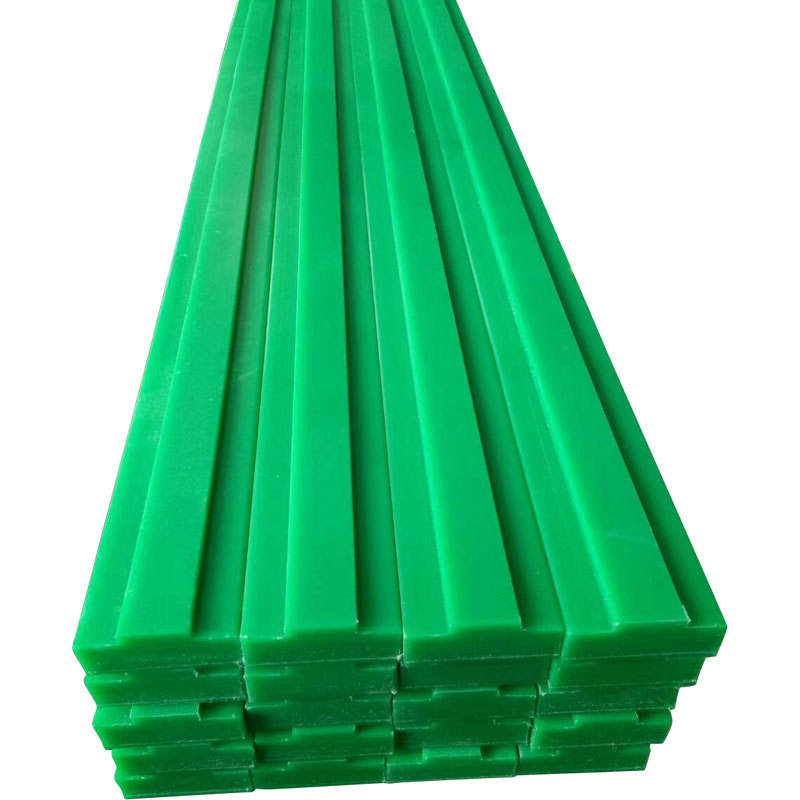
In high-speed manufacturing, even small inefficiencies can have major consequences for output, profitability, and equipment longevity. A roller chain guide addresses many of these challenges by ensuring stable alignment, reducing wear, lowering noise, and preventing downtime. Its ability to enhance motion control and maintain consistent performance makes it a foundational component in modern production systems. For manufacturers seeking greater speed, reliability, and long-term efficiency, investing in a high-quality roller chain guide is one of the most effective upgrades they can make.