
- December 4, 2025
- Posted by: feinuojixie
- Category: Chain Guides News
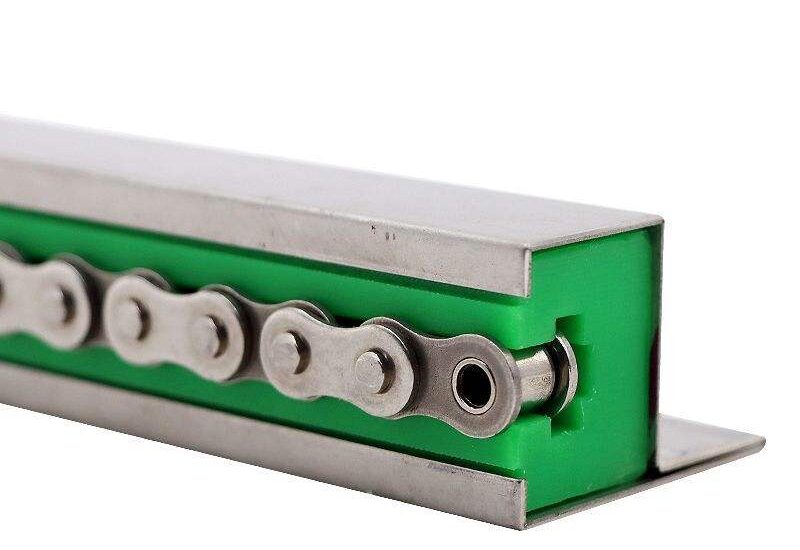
In many conveyor systems, production lines, and automated machinery, the chain guide may appear to be a small and simple component, but its impact on system performance is anything but small. Selecting the right material can determine how smoothly a chain runs, how often equipment requires maintenance, and how long the entire system lasts before failure. This is why the comparison between a UHMW chain guide and a metal guide has become increasingly important for engineers and operations managers. Each option comes with its own strengths, weaknesses, and ideal application scenarios. For facilities aiming to boost efficiency, minimize energy consumption, and achieve quieter, more stable operation, understanding the difference is essential.
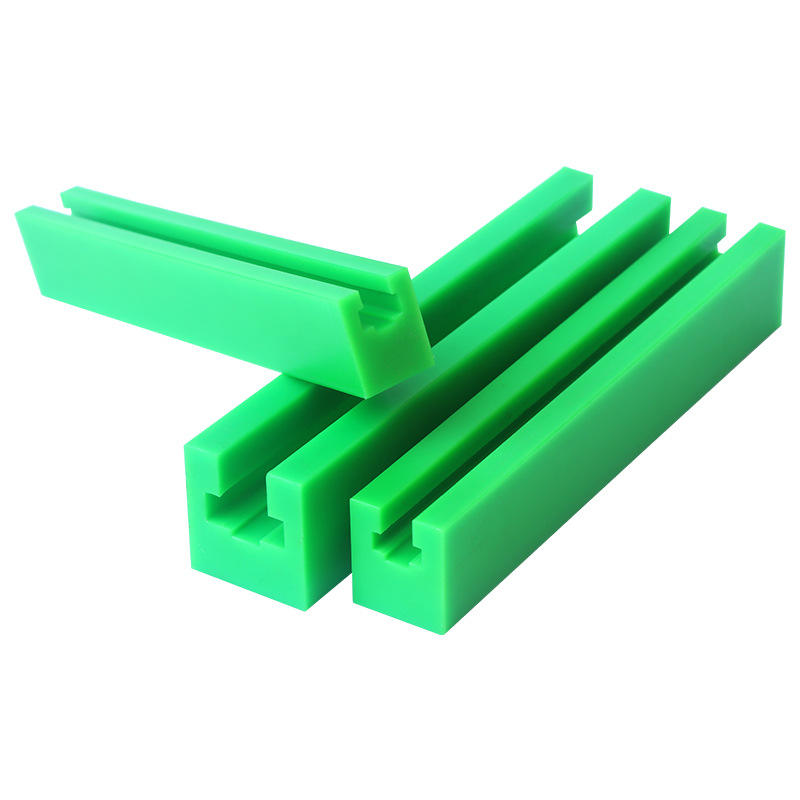
Understanding the UHMW Chain Guide: What Makes It Unique?
A UHMW chain guide is made from ultra-high-molecular-weight polyethylene, a material known for its exceptional abrasion resistance and extremely low friction surface. This combination allows the chain to glide smoothly with minimal drag, even under high-speed or continuous operation. Because UHMW naturally reduces wear, it helps extend both chain life and guide life, creating a long-lasting support solution for conveyor and automation applications. Another major advantage is its resistance to moisture, chemicals, and corrosion, making it suitable for wet environments, food processing plants, and facilities requiring frequent washdowns. Lightweight and easy to machine, a UHMW chain guide is often preferred when ease of installation and long-term reliability are top priorities.
Understanding the Metal Guide: Strength, Heat Resistance, and Traditional Use
A metal guide represents the traditional approach to chain support, offering high structural strength and resistance to extreme temperatures. Materials such as stainless steel or hardened steel are commonly used because they can withstand heavy impact, sharp chain edges, and high loads without deforming. For many years, metal guides were the default choice simply because they offered unmatched durability in harsh environments. They remain essential for applications involving extreme heat, abrasive contaminants, or heavy mechanical shock. However, the lack of a naturally lubricating surface means metal guides typically produce more friction, potentially accelerating chain wear unless constant lubrication is maintained.
UHMW Chain Guide vs. Metal Guide: Comparing Wear Performance
Wear performance is one of the most critical factors when choosing between a UHMW chain guide and a metal guide. UHMW provides outstanding wear resistance due to its slippery surface, allowing the chain to operate with minimal friction. This reduces the risk of elongation, scoring, or premature failure. In contrast, a metal guide is more resistant to impact but can cause faster chain wear if lubrication is not properly managed. Over time, metal-to-metal contact may create grooves that require resurfacing or replacement. For operations seeking to minimize friction-driven wear, a UHMW chain guide typically offers superior long-term performance.
UHMW Chain Guide vs. Metal Guide: Noise, Vibration, and Smoothness
Noise reduction is one of the areas where a UHMW chain guide significantly outperforms a metal guide. UHMW naturally absorbs vibration and reduces impact energy between the chain and the guide surface. This results in a quieter operation, making it ideal for manufacturing plants that prioritize operator comfort or noise regulation compliance. A metal guide, on the other hand, transmits sound much more readily due to its rigid structure. As the chain moves at high speed or encounters variations in load, the noise level typically increases. In facilities where noise and vibration control are critical, the UHMW chain guide almost always provides a smoother and quieter solution.
UHMW Chain Guide vs. Metal Guide: Impact on Maintenance and Downtime
Maintenance frequency is greatly influenced by the type of chain guide used. A UHMW chain guide requires little to no lubrication thanks to its low-friction surface, reducing both maintenance effort and lubrication costs. It also helps prevent metal chips or debris from entering the system, further lowering downtime risk. Metal guide systems, however, demand a consistent lubrication schedule to prevent damaging wear. More lubrication means more maintenance, more cleanup, and higher risk of buildup over time. When maintenance reduction and uptime optimization are priorities, a UHMW chain guide delivers clear operational advantages.
UHMW Chain Guide vs. Metal Guide: Cost Comparison Beyond the Price Tag
While a metal guide is often more affordable in terms of raw material cost, it typically comes with higher long-term expenses. Increased chain wear, more frequent lubrication, and additional maintenance all contribute to higher total operating cost. A UHMW chain guide may cost slightly more initially, but its extended service life, simplified maintenance, and energy-saving properties often result in a lower total cost of ownership. For businesses evaluating long-term ROI rather than upfront purchase price, UHMW generally provides stronger economic value.
When a UHMW Chain Guide Is the Better Choice
A UHMW chain guide excels in environments where low friction, quiet operation, and corrosion resistance are essential. Industries such as food processing, packaging, bottling, chemical handling, and cleanroom manufacturing benefit greatly from its low-maintenance performance. It is especially useful in systems running continuously at moderate speeds and loads. When equipment operators want to reduce noise, avoid lubrication, and extend system lifespan, UHMW is typically the best material choice.
When a Metal Guide Is the Better Choice
Although UHMW offers many advantages, there are circumstances where a metal guide remains the superior option. Extremely high temperatures, heavy shock loads, and abrasive contaminants can exceed the operating limits of UHMW. Industries such as metal fabrication, high-heat processing, and heavy-duty material handling often rely on metal guides for their structural strength and resistance to deformation. If the chain system is exposed to unusually harsh or hot environments, a metal guide provides the reliability UHMW cannot match.
The Future of Chain Guide Technology: Why UHMW Keeps Gaining Ground
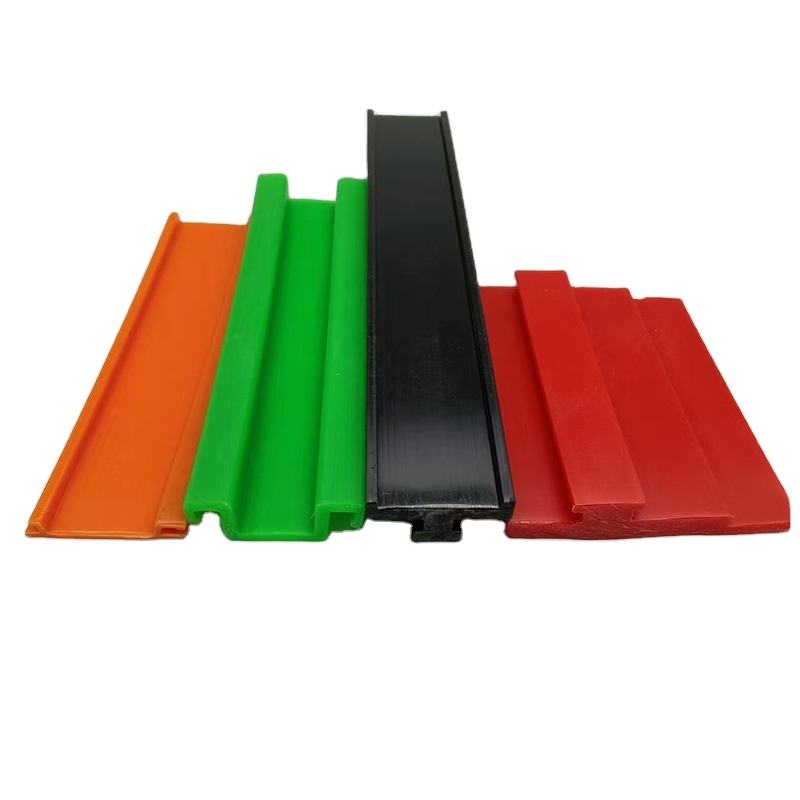
Technology advancements in polymer engineering continue to make the UHMW chain guide more capable and reliable than ever before. Enhanced formulations now offer even better wear resistance, higher load capacity, and improved thermal stability. As industries push toward lower energy usage, quieter operation, and reduced maintenance, UHMW is becoming the preferred replacement for many traditional metal systems. Its combination of long-lasting performance, efficiency, and adaptability aligns with the future of automated manufacturing.
Choosing the Right Guide for Long-Term Performance
When comparing a UHMW chain guide to a metal guide, the best choice depends on the specific needs of the application. UHMW stands out for its low friction, quiet operation, corrosion resistance, and maintenance savings, making it ideal for most modern conveyor and production systems. Metal guides, however, remain essential in high-temperature, heavy-impact, or severely abrasive environments. By evaluating operating conditions, performance priorities, and long-term cost, engineers can confidently choose the guide material that delivers optimal equipment performance and reliability.