
- December 8, 2025
- Posted by: feinuojixie
- Category: Chain Guides News
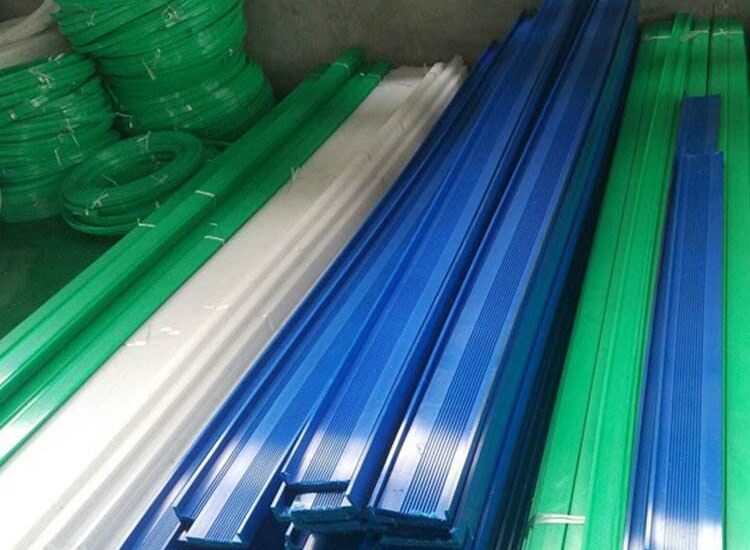
In modern manufacturing environments where uptime, efficiency, and equipment reliability directly affect profitability, the role of a UHMW chain guide has become more important than ever. Heavy-duty conveyor systems, high-speed production lines, automated assembly equipment, and distribution centers all rely on smooth and stable chain movement to maintain consistent throughput. Even a small amount of friction, misalignment, or wear at the chain interface can lead to serious consequences, including product damage, production slowdown, costly downtime, and premature component failure.
A UHMW chain guide offers a powerful solution to these challenges by providing exceptional wear resistance, extremely low friction, and excellent impact strength. Unlike metal-on-metal systems that generate noise and wear rapidly, a UHMW chain guide provides a cushioned, self-lubricating, and highly stable surface that keeps the chain running smoothly even under demanding loads or elevated speeds. As industries continue to push for higher efficiency and minimal maintenance interruptions, choosing the right UHMW chain guide has become a strategic decision for long-term operational success.
Understanding What a UHMW Chain Guide Is
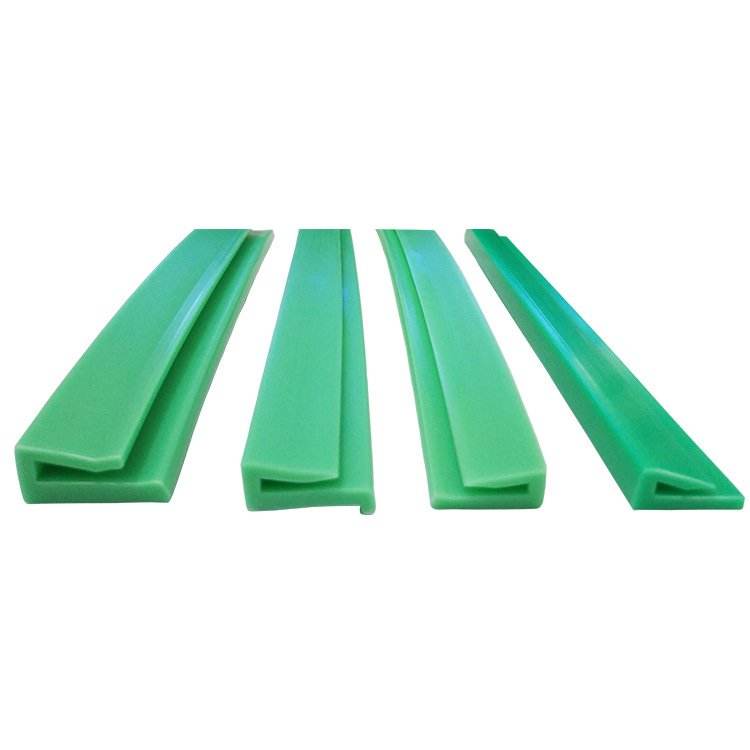
A UHMW chain guide is a precision-engineered component made from ultra-high molecular weight polyethylene, a material renowned for its exceptional durability, low friction coefficient, and impressive resistance to abrasion. In heavy-duty and high-speed systems, chain movement must remain stable, controlled, and consistent. UHMW delivers these performance characteristics naturally, allowing the chain to glide smoothly without excessive heat or mechanical stress. Its ability to absorb impact, resist chemical exposure, and operate without external lubrication makes it a preferred choice across demanding industrial environments.
Key Performance Benefits of a UHMW Chain Guide in Heavy-Duty Applications
A UHMW chain guide demonstrates remarkable strength under demanding loads. Its resistance to deformation is a major advantage for heavy-duty conveyor systems, where consistent chain support is essential for operational stability. The material significantly reduces metal-to-metal contact, preventing premature wear and limiting damage to expensive chain components. This not only enhances equipment lifespan but also reduces the likelihood of sudden failures in environments where downtime can lead to immediate financial loss.
Why a UHMW Chain Guide Excels in High-Speed Operations
High-speed applications require a guide material that minimizes friction and maintains smooth chain travel. A UHMW chain guide performs exceptionally well in these conditions because it naturally reduces drag, allowing the chain to move quickly without resistance buildup. The reduction in friction also lowers operating temperatures and eliminates unnecessary vibration. As a result, noise levels drop, components experience less stress, and overall system reliability increases.
UHMW Chain Guide vs Traditional Metal Guide: A Full Comparison
Compared to traditional metal guide, a UHMW chain guide offers notable advantages. Metal tends to generate noise, heat, and rapid wear due to direct contact with the chain. UHMW, on the other hand, provides a softer, more forgiving surface that protects chain components and reduces maintenance. It is significantly lighter than metal, making installation easier and lowering system inertia. While metal may appear more rigid, UHMW typically outperforms it in long-term cost efficiency and operational smoothness, especially in environments where chain speed and load vary frequently.
How a UHMW Chain Guide Reduces Maintenance and Downtime
Maintenance reduction is one of the most valuable benefits of a UHMW chain guide. The material’s self-lubricating properties limit the need for frequent lubrication, which translates into cleaner operation and fewer service interruptions. Because UHMW is resistant to abrasion, the guide remains effective far longer than conventional materials. With stable chain alignment and a controlled wear pattern, systems experience fewer breakdowns. This reliability is crucial in industries where even short periods of downtime can disrupt production schedules and raise operational costs.
Design Features to Look for in a High-Quality UHMW Chain Guide
Not all UHMW chain guide are created equal. A high-quality guide should be manufactured using premium-grade UHMW with consistent density and surface finish. Look for a guide that offers low-friction surfaces, precise tolerances, and excellent dimensional stability. Material grade also matters; some UHMW options include additives that enhance thermal resistance or wear performance. The design should ensure compatibility with your chain type, providing a secure guiding channel that prevents misalignment at any speed.
Choosing the Right UHMW Chain Guide for Heavy-Duty and High-Speed Applications
Selecting the correct UHMW chain guide requires understanding your system’s operating conditions. Consider your chain size, weight load, travel speed, and environmental factors like temperature or chemical exposure. In heavy-duty applications, the guide must support high impact without distorting. In high-speed systems, friction must be minimized to prevent overheating. A reliable supplier should offer customization options to match your equipment precisely, ensuring optimal fit and maximum service life.
Best Installation Practices for a UHMW Chain Guide
Proper installation has a direct impact on the performance of your UHMW chain guide. Begin by ensuring the mounting surface is clean, level, and free of metal burrs. Align the guide carefully to prevent chain drift or uneven wear. Secure the guide using fasteners recommended by the manufacturer, taking care not to overtighten and distort the material. Chain tension should be checked after installation to confirm that it is appropriate for the operating conditions. Avoid misalignment, as it can cause uneven wear and reduce guide lifespan.
Real-World Applications Where a UHMW Chain Guide Shines
A UHMW chain guide is commonly used in industries where consistent chain performance is crucial. Packaging machinery benefits from its quiet operation and clean running characteristics. Food processing lines rely on UHMW for its resistance to moisture and chemicals. Automotive and distribution systems depend on its ability to handle rapid chain movement without failure. In each of these environments, the guide contributes to higher system uptime, smoother operation, and lower maintenance demands.
How to Maximize the Lifespan of a UHMW Chain Guide
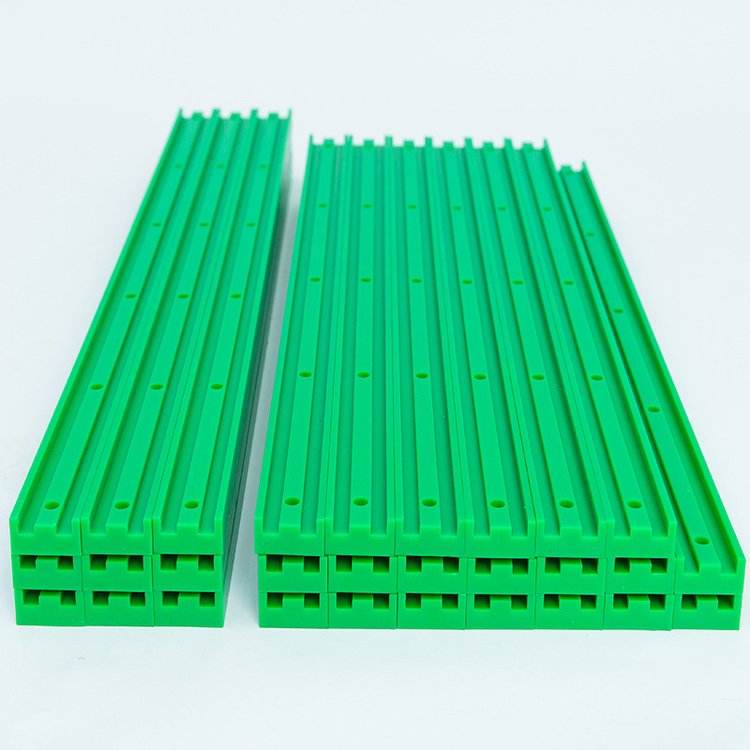
Maximizing the lifespan of a UHMW chain guide involves proper care and routine monitoring. Establishing a regular inspection schedule allows you to detect early signs of wear. Keep the guide clean by removing debris that can accumulate in the guiding channel. When operating in environments with heavy loads, ensure that chain tension remains balanced to prevent stress on the guide. Although UHMW does not require additional lubrication, some systems benefit from a controlled, minimal lubrication strategy to further extend guide life.
The UHMW Chain Guide as a Strategic Investment
Investing in a UHMW chain guide is a strategic decision for any heavy-duty or high-speed operation. Its ability to reduce friction, minimize wear, and maintain stable chain movement makes it an essential component for efficiency-driven industries. With longer lifespan, lower maintenance requirements, and improved system reliability, a UHMW chain guide delivers measurable advantages that enhance overall productivity. By choosing the right guide and installing it correctly, companies can significantly reduce downtime and boost long-term profitability.