
- December 10, 2025
- Posted by: feinuojixie
- Category: Chain Guides News
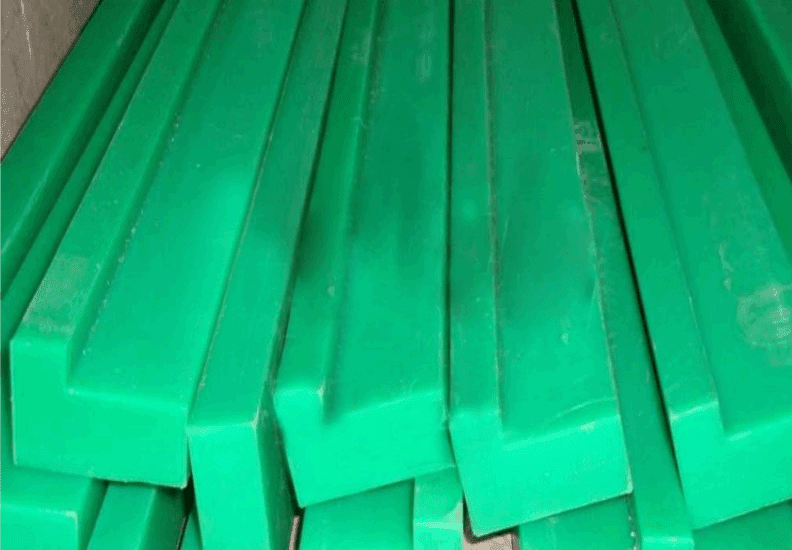
A Plastic Guide may appear to be a small and simple component, but it plays a critical role in improving how machinery performs across many industries. By reducing friction, minimizing vibration, lowering noise, and protecting vital moving parts, the right Plastic Guide ensures smoother, quieter, and longer-lasting operation. Many of the most common problems in conveyors, automated equipment, and chain-driven systems—such as excessive wear, loud operation, constant adjustments, or costly downtime—can be significantly reduced simply by choosing and installing a properly designed Plastic Guide.
Because it improves performance while requiring little maintenance, a Plastic Guide has quickly become a standard component in modern engineering design. In the following sections, we will explore why it works so effectively, how it enhances durability, and how to choose the ideal guide for your application.

Understanding What a Plastic Guide Really Is
A Plastic Guide is an engineered component designed to support, align, and control the movement of chains, belts, or other dynamic elements in machinery. What makes a Plastic Guide unique is its combination of low-friction behavior, excellent wear resistance, and quiet operation. Unlike metal options, it does not scratch, corrode, or generate harsh noise during operation. This makes it especially valuable in industries where reliability, hygiene, and safety are top priorities.
What Makes a Plastic Guide Unique in Industrial Applications
A Plastic Guide stands out because it delivers a blend of strength and flexibility. It can withstand continuous contact, absorb impact, and resist abrasion without damaging the equipment it supports. Its material properties allow it to function well in high-speed, high-load environments, making it a preferred choice in conveyor systems, packaging equipment, and automated production lines.
How a Plastic Guide Supports Smooth and Stable Movement
The low-friction nature of a Plastic Guide ensures reduced resistance when a chain or belt moves along its surface. This allows the system to operate more smoothly and with less energy loss. At the same time, its steady guiding structure helps maintain accurate alignment, reducing the risk of jumping, slipping, or uneven wear.
How a Plastic Guide Improves Smoothness and Reduces Vibration
A key reason industries choose a Plastic Guide is its ability to create noticeably smoother motion. Its material naturally reduces sliding resistance, preventing sudden stops or jerks that can disrupt machinery. This improves both performance and operator comfort.
Low-Friction Behavior That Keeps Your System Running Effortlessly
A Plastic Guide is engineered to handle continuous movement with minimal friction. This low-friction surface reduces drag and prevents heat build-up, ensuring more stable operation and allowing the machinery to run efficiently. As a result, motors face less strain and energy consumption is minimized.
Vibration Absorption for Cleaner, More Stable Motion
Vibration is a common issue in heavy-duty and high-speed systems. A Plastic Guide helps absorb shock and dampen vibration, contributing to cleaner, more controlled movement. This reduces the strain on bearings, frames, and connected components, helping extend the overall service life of the equipment.
Noise Reduction: Why a Plastic Guide Creates Quieter Operation
One of the most appreciated benefits of a Plastic Guide is its ability to significantly lower noise levels. Traditional metal guides often cause loud clattering, grinding, or rattling, especially during high-speed operation. A Plastic Guide helps eliminate these disturbances.
The Noise-Dampening Ability of a High-Quality Plastic Guide
Plastic materials naturally absorb sound and reduce vibration transfer, making them ideal for noise-sensitive environments. When machinery uses a Plastic Guide, it produces a softer, quieter operation that enhances workplace comfort and safety.
How a Plastic Guide Helps Prevent Rattling and Metal-to-Metal Contact
Noise often originates from metal components colliding, vibrating, or scraping against each other. A Plastic Guide prevents these issues by providing a cushioned, non-metal contact surface. This eliminates rattling, reduces wear marks, and helps keep the system running calmly and quietly.
Enhancing Durability: How a Plastic Guide Extends Equipment Lifespan
A Plastic Guide not only improves performance but also protects valuable machinery components. Its durability helps reduce maintenance frequency and prevents premature part replacement.
Wear-Resistant Construction for Long-Term Performance
High-quality plastic is engineered to withstand harsh working environments. It resists abrasion, moisture, chemicals, and impact, ensuring long-term reliability even under continuous use. This reduces downtime and keeps production flowing efficiently.
How a Plastic Guide Protects Your Chain, Belt, or Conveyor Component
Since a Plastic Guide creates a smooth and protective path for moving parts, it helps minimize wear on chains and belts. By preventing surface scratches, metal fatigue, and distortion, it ensures that these components maintain their structural integrity and perform consistently over time.

Choosing the Right Plastic Guide for Optimal Results
Not all guides are the same. Selecting the right Plastic Guide for your specific application is essential to achieving the best performance.
Key Features to Look For in a High-Quality Plastic Guide
When choosing a Plastic Guide, consider factors such as material strength, temperature tolerance, and lubrication needs. Look for guides made from high-density, wear-resistant plastic that can handle your system’s required load, speed, and environmental conditions.
How to Match a Plastic Guide to Your System Design
Each application has different demands. High-speed conveyors require guides with excellent friction control, while heavy-load systems need stronger, impact-resistant designs. Matching the guide to your system ensures maximum performance and prevents unnecessary problems such as misalignment or premature wear.
Installation and Maintenance: Getting the Most Out of Your Plastic Guide
Proper installation and care can significantly increase the value and lifespan of your Plastic Guide.
Proper Installation Practices for Maximum Smoothness and Quietness
A Plastic Guide should always be installed with precise alignment to ensure smooth movement. Make sure the mounting surface is clean, secure, and aligned with the chain or belt path. Correct fastening helps avoid vibrations, slippage, and uneven wear.
Simple Maintenance That Extends Plastic Guide Service Life
Maintenance is minimal, but periodic inspection is important. Clean away debris, check for wear patterns, and replace the guide when necessary. This proactive care keeps the machinery running efficiently and prevents unexpected breakdowns.
Real-World Applications Where a Plastic Guide Delivers Superior Results
Many industries rely on a Plastic Guide to achieve better performance, reliability, and cost control.
Why Food Processing, Packaging, and High-Speed Manufacturing Rely on a Plastic Guide
A Plastic Guide is preferred in food and packaging environments due to its hygiene benefits, corrosion resistance, and quiet operation. In high-speed manufacturing, it ensures stable, smooth motion even under intense repetition.
Case Scenarios Showing Major Improvements After Upgrading to a Plastic Guide
Companies that upgrade from metal to plastic typically report reduced downtime, lower maintenance costs, and improved equipment lifespan. A Plastic Guide helps eliminate problems like chain vibration, loud operation, and excessive wear, resulting in a more efficient workflow.
Conclusion: A Plastic Guide Is a Small Component With Massive Impact
Although often overlooked, a Plastic Guide is a powerful upgrade for any chain-driven or conveyor system. It enhances smoothness, reduces noise, protects vital parts, and ensures long-term durability. When selected and installed correctly, it transforms how equipment performs, making operations smoother, quieter, and far more reliable. For any business aiming to boost productivity and reduce maintenance costs, investing in the right Plastic Guide is a smart and highly impactful decision.