
- December 10, 2025
- Posted by: feinuojixie
- Category: Chain Guides News

Modern manufacturing is shifting toward faster, quieter, and more energy-efficient systems, and this transition places new demands on every component—not just the major machinery, but also the guiding elements that control motion and stability. This is where the comparison between a Plastic Guide and a metal guide becomes essential. Even though metal has traditionally been seen as the stronger and more reliable choice, advances in engineering plastics are rapidly changing this perception. Today, a Plastic Guide can reduce friction, cut noise, and minimize maintenance, making it an increasingly preferred option across industries such as food processing, packaging, automotive production, and high-speed automation. With manufacturers under pressure to improve efficiency and reduce operational costs, understanding which guide type performs better is now more important than ever.
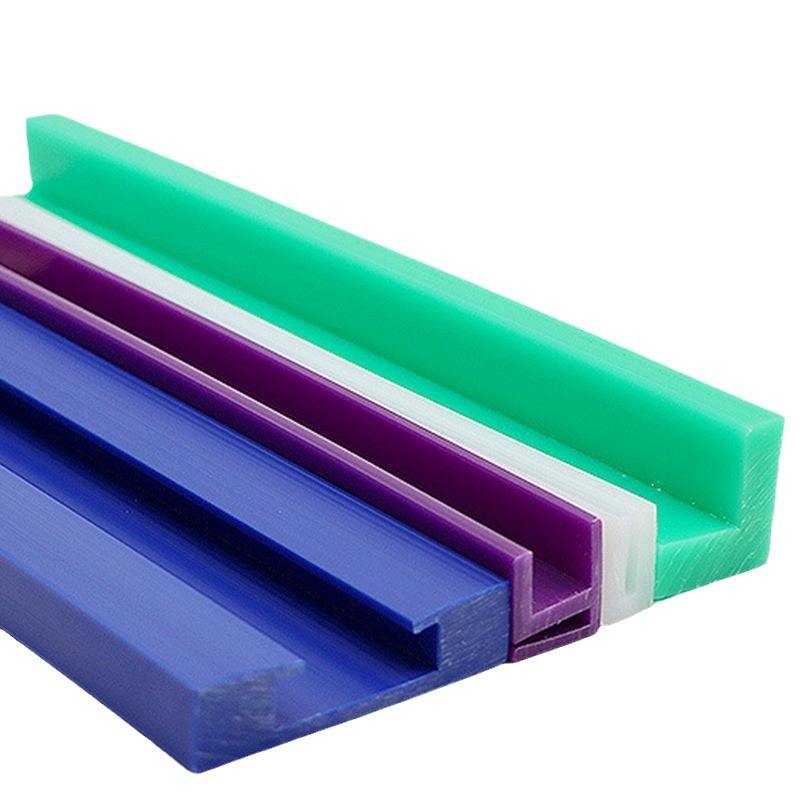
Understanding the Basics: What Makes a Plastic Guide and a Metal Guide Different?
A Plastic Guide is typically made from engineering-grade materials such as UHMW, HDPE, POM, or nylon. These plastics are selected for their low friction, high wear resistance, and excellent sliding properties. They are machined or extruded into shapes that support chain, belt, or linear movement. A metal guide, on the other hand, is usually produced from steel or aluminum and is known for its superior rigidity and load-bearing strength. While metal excels in structural integrity, it generally requires lubrication and is prone to corrosion in certain environments. Understanding these foundational differences sets the stage for evaluating real-world performance in modern manufacturing environments.
How a Plastic Guide Reduces Friction and Enhances Motion Smoothness
One of the most notable advantages of a Plastic Guide is its inherently low coefficient of friction. This allows chains, belts, or mechanical components to glide smoothly without constant lubrication. The self-lubricating nature of many plastic materials reduces wear, eliminates stick-slip issues, and supports consistent operation at both low and high speeds. This smooth motion is especially valuable in conveyors and automated systems where continuous flow is essential. In contrast, a metal guide often generates more friction and heat, which can slow production and increase component wear.
Strength and Durability: Can a Plastic Guide Match Metal?
While metal is associated with strength and toughness, a modern Plastic Guide is engineered to withstand impressive levels of stress. UHMW, for example, offers superior impact resistance and abrasion tolerance, making it suitable for demanding industrial environments. Although metal has a higher maximum load capacity, a Plastic Guide can endure repeated impact and vibration without cracking or deforming. It also resists corrosion, ensuring long-term durability in wet, chemical, or food-grade environments. In many applications, the durability advantage is shifting toward plastic due to its ability to tolerate wear without rust or heavy maintenance.
Noise Reduction Benefits: Why a Plastic Guide Creates a Quieter System
Noise control has become a priority in modern factories, and a Plastic Guide provides a major advantage in this area. Plastic absorbs vibration and reduces rattling, which significantly lowers operational noise. This is particularly beneficial in high-speed conveyor systems where metal components can create loud, disruptive sounds. The softer material surface of a Plastic Guide cushions movement and minimizes impact noises. Metal guides, by contrast, often amplify vibration and contribute to higher decibel levels, especially when paired with metal chains.
Weight and Energy Efficiency: How a Plastic Guide Boosts System Productivity
Lightweight components can dramatically improve system responsiveness and reduce energy consumption. A Plastic Guide weighs far less than a metal guide, which means machines require less power to move, accelerate, and maintain motion. The reduction in inertia helps extend equipment life and allows motors to run at lower energy levels. This enhanced efficiency leads directly to reduced operational costs and improved productivity. Metal guides, while strong, introduce unnecessary weight that can strain drive systems and increase energy demand.
Maintenance and Lifespan: Which Guide Lasts Longer in Daily Operation?
A Plastic Guide excels when it comes to low maintenance. It resists corrosion, does not require frequent lubrication, and is easier to clean—making it ideal for sanitary environments. Plastic materials also withstand chemical exposure and moisture far better than metal. Metal guides may last long in terms of structural strength, but they require regular inspection, lubrication, and cleaning to prevent rust or friction-related wear. Over time, the reduced maintenance needs of a Plastic Guide often translate into a longer service life and lower upkeep costs.
Cost Analysis: Is a Plastic Guide More Economical Over Time?
While a Plastic Guide typically has a lower initial cost than a metal guide, the long-term savings are even more significant. Reduced lubrication, fewer replacements, minimal downtime, and lower energy consumption all contribute to a more economical operation. Metal guides may appear cost-effective initially, but ongoing maintenance and potential damage to other machine components can drive up long-term expenses. For companies aiming to optimize total cost of ownership, the Plastic Guide often emerges as the more economical choice.
Application Suitability: When a Plastic Guide Is the Better Choice
A Plastic Guide outperforms metal in environments where low friction, hygiene, and quiet operation are critical. Industries such as food processing, beverage bottling, pharmaceuticals, and packaging rely heavily on plastic-based guiding solutions. These applications benefit from its corrosion resistance, lightweight structure, and ability to operate smoothly without excessive lubrication. High-speed conveyor lines and automated machinery also favor a Plastic Guide due to its ability to reduce vibration and support stable, consistent movement.
When a Metal Guide Still Holds an Advantage
While a Plastic Guide is superior in many fields, metal still has its place. Extremely high-temperature environments, heavy static loads, or conditions involving sharp debris may require the structural strength and heat tolerance of metal. In these specific scenarios, the rigidity and thermal resistance of steel or aluminum can provide reliability that engineered plastic cannot yet match. Therefore, understanding the environment and performance expectation is key when choosing between the two.
Environmental Impact: How a Plastic Guide Supports Sustainable Manufacturing
Modern Plastic Guide materials are increasingly engineered for sustainability. They often require less energy to produce than metal and contribute to lower power consumption during operation. Longer service life and reduced lubrication needs minimize waste and chemical use. Many types of plastic materials are recyclable, further supporting environmental goals. Metal guides are also recyclable, but their higher energy demand during production and operation makes them less eco-efficient in many applications.
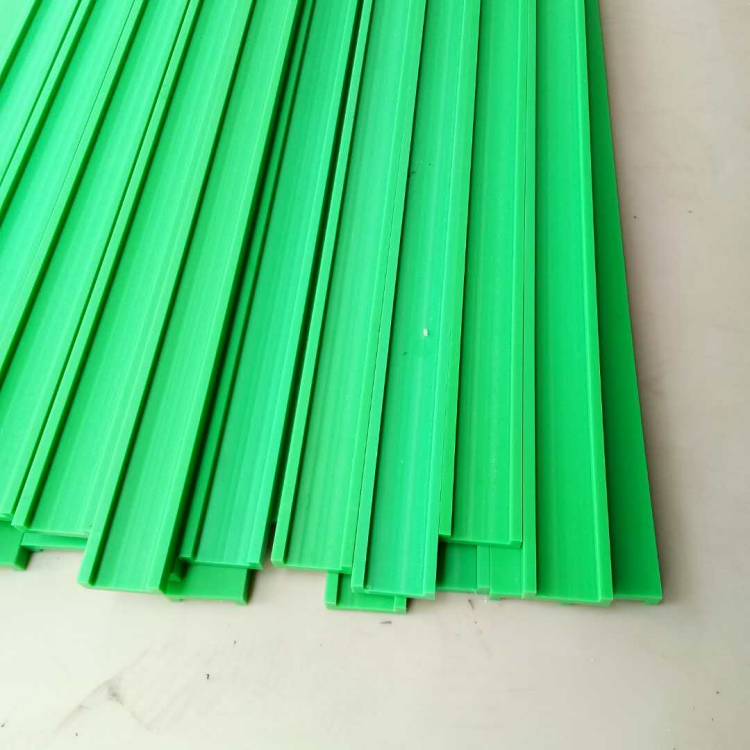
Expert Insight: Choosing the Right Guide Type for Your System
Selecting the right guide requires evaluating operational speed, load, temperature, contamination levels, and noise requirements. In most fast-paced, cleanliness-sensitive, and efficiency-driven systems, a Plastic Guide delivers the optimal balance of performance and cost. However, for extreme environments, metal may still be necessary. Decision-makers should consult engineering data, consider maintenance limitations, and align their choice with long-term productivity goals.
Which Guide Truly Performs Better?
In modern manufacturing, the Plastic Guide delivers standout advantages in friction reduction, noise control, maintenance simplicity, and energy efficiency. While metal still excels in niche scenarios that demand extreme strength or heat resistance, the Plastic Guide offers better performance for the majority of today’s automated and high-speed applications. As factories move toward quieter, cleaner, and more cost-efficient operations, the Plastic Guide is increasingly becoming the guide type of choice for forward-thinking manufacturers.