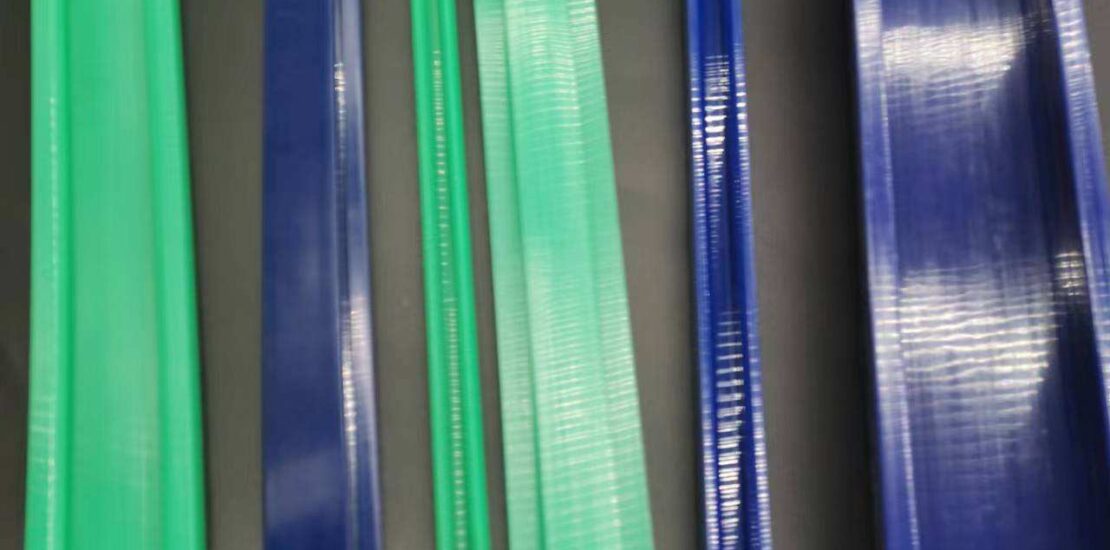
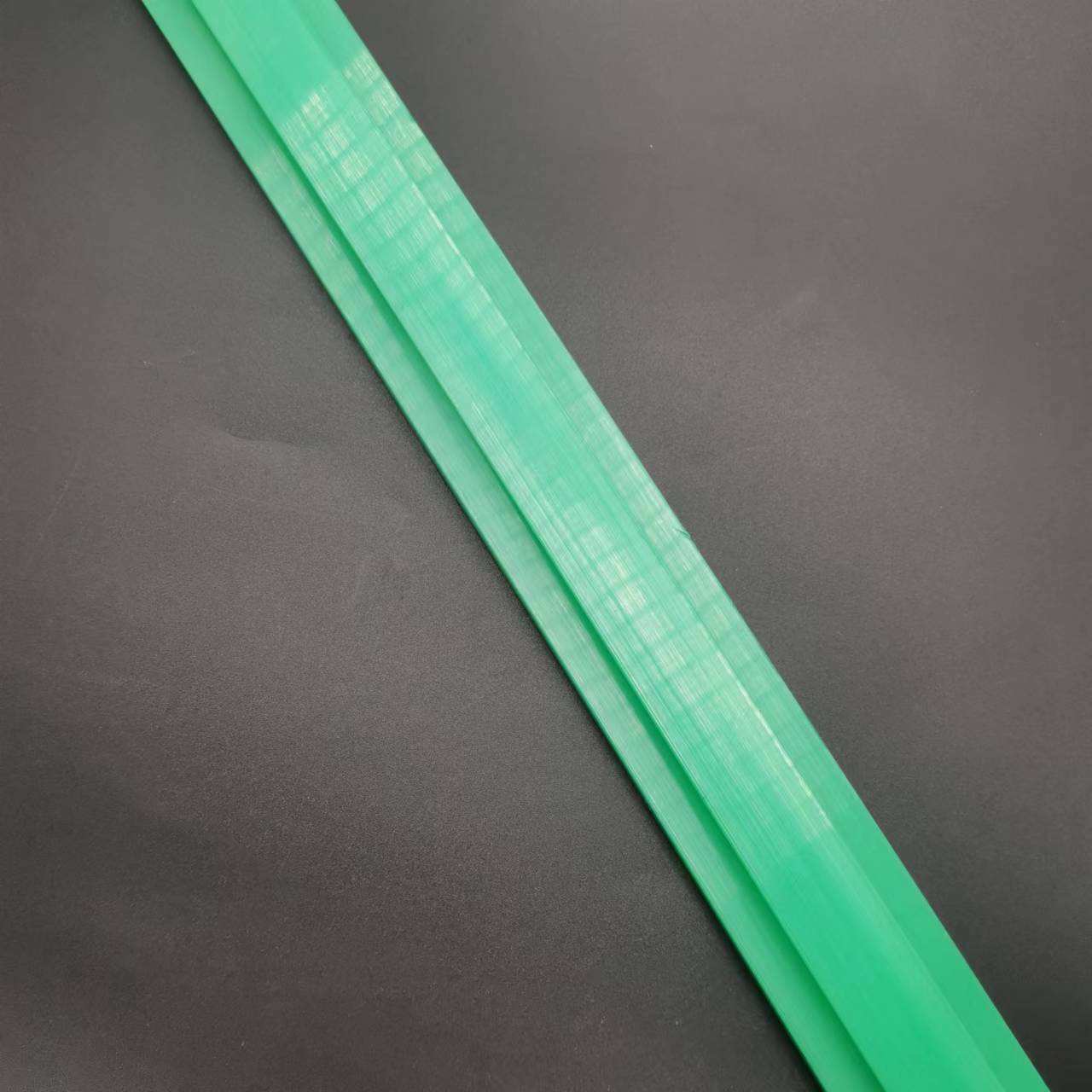
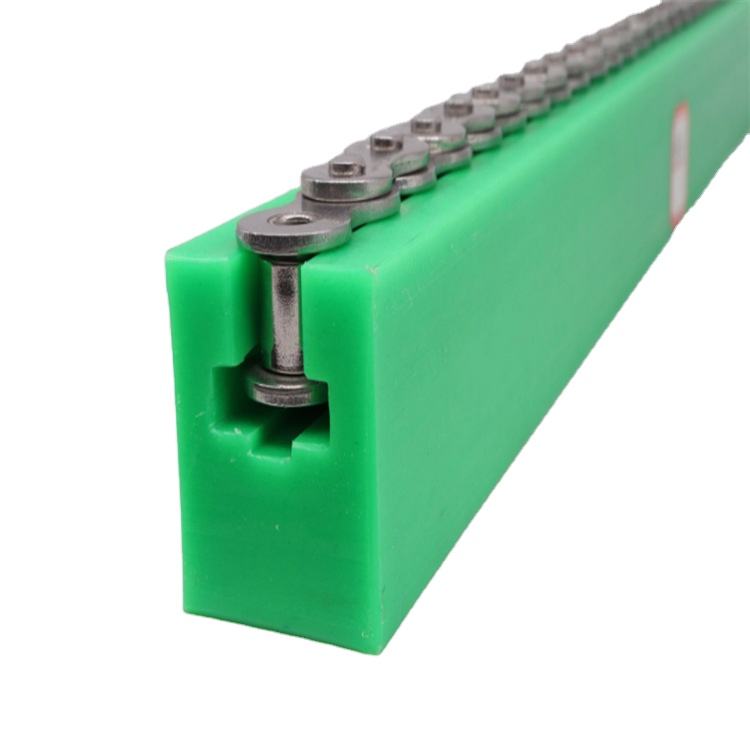
A high-performance Plastic Guide may seem like a small component in a larger system, but its impact is far from minor. It plays a critical role in keeping machine motion smooth, stable, and predictable. Whether it is guiding a chain, supporting a conveyor belt, or reducing friction between moving parts, the right guide enhances overall efficiency while cutting down unnecessary wear and noise. When a guide performs poorly, the system begins to show signs of misalignment, vibration, increased energy use, and even premature equipment failure. That is why understanding how to recognize a truly high-performance Plastic Guide is essential for engineers, maintenance managers, and buyers who want to protect their equipment investment.
Understanding What Defines a High-Performance Plastic Guide
What “High-Performance” Really Means in Industrial Use
A high-performance Plastic Guide is more than a simple support component. It is engineered to withstand demanding industrial workloads while maintaining stability, precision, and durability. In real-world operation, high performance means the guide can handle continuous movement without deforming, can support consistent alignment, and can maintain low friction even under heavy stress. When a guide is built with premium material and accurate machining, it delivers reliable performance that directly affects the entire system’s efficiency.
How a Plastic Guide Supports Consistent Machine Operation
The primary role of a Plastic Guide is to keep motion-controlled components running smoothly along a defined path. By providing stable support, it prevents chains or belts from drifting, jumping, or vibrating excessively. This stability means fewer breakdowns and much lower wear across the equipment. A well-designed guide also minimizes heat generation and noise, helping machines operate more quietly and efficiently. When selected correctly, it becomes one of the most important elements in ensuring consistent uptime.
Key Material Characteristics Every Plastic Guide Should Have
Material Strength and Wear Resistance
Material quality is one of the strongest indicators of performance. A high-performance Plastic Guide is typically made from engineered plastic with excellent wear resistance. This ensures the guide can withstand constant friction without thinning out, cracking, or deforming. Stronger material extends the lifespan of both the guide and the components it supports.
Low-Friction Surface for Smoother Movement
A smooth, low-friction surface allows chains or belts to glide effortlessly along the guide. Lower friction means reduced heat buildup, less noise, and reduced risk of component wear. A high-performance Plastic Guide should feel smooth to the touch and maintain this finish even after long periods of use.
Chemical and Moisture Resistance
Industrial environments often expose equipment to oils, cleaning agents, moisture, or even corrosive substances. A Plastic Guide with strong resistance to chemical corrosion and moisture absorption will maintain its shape and performance much longer. This resistance is especially crucial for food processing, packaging, and outdoor systems.
Essential Design Features That Indicate a High-Performance Plastic Guide
Precision Machining and Dimensional Stability
The accuracy of a Plastic Guide’s dimensions plays a direct role in how well it performs. High-performance guides are produced with tight tolerances to ensure perfect alignment. Even a slight deviation can cause vibration, increased friction, and component misalignment. Precision machining ensures consistent fit and reliable operation.
Shock Absorption and Vibration Damping
A good Plastic Guide absorbs impact and dampens vibration rather than transferring it to the rest of the equipment. This reduces stress on components and creates smoother motion. High-performance guides usually incorporate materials and shapes that help control vibration under both light and heavy loads.
Heat Tolerance for High-Speed or Heavy-Duty Conditions
Machines operating at high speed or under significant stress generate heat. A guide that cannot tolerate heat will soften or deform over time. A high-performance Plastic Guide is formulated to endure elevated temperatures without losing strength or stability, making it suitable for demanding industrial environments.
Performance Indicators to Check Before Buying a Plastic Guide
Load Capacity and Speed Rating
Every Plastic Guide has operating limits. It is important to ensure the guide’s rated load and speed match the requirements of the application. A guide used beyond its capability will wear out quickly or create performance issues. Checking these ratings helps prevent system stress and premature damage.
Surface Finish Quality and Wear Pattern Test
The surface finish reveals a lot about manufacturing quality. Scratches, uneven texture, or sharp edges indicate poor machining. A high-performance guide should have a uniform, smooth surface. When available, examining wear patterns from a test sample helps determine how the material performs under friction.
Noise Level and Real-World Test Result
A good Plastic Guide reduces operational noise. During testing, systems using high-quality guides run noticeably quieter. Listening to real-world performance gives insight into friction levels, alignment accuracy, and vibration control.
Buyer’s Checklist: How to Evaluate a Plastic Guide Step-by-Step
Evaluate the Material Specification
Begin by matching the material characteristics with the application demands. Consider wear resistance, friction rating, temperature tolerance, and chemical resistance. These specifications determine how well the guide will perform in long-term operation.
Inspect Structural and Machining Quality
Look closely at the guide’s edges, thickness consistency, and machining accuracy. High-performance guides maintain consistent shape, with no warping, rough areas, or uneven cuts. Precision in structure is a strong indicator of durability.
Compare Manufacturer Capabilities and Certification
A reliable manufacturer ensures quality through standardized processes, proper testing, and continuous improvement. Certifications or documented quality control processes are strong signs that the Plastic Guide is produced under strict standards.
Assess Cost vs Performance
The goal is not to choose the cheapest option but the one offering the best long-term value. A high-performance Plastic Guide may cost more initially but reduces downtime, maintenance, and replacement costs, making it the more economical choice in the long run.
Common Mistakes to Avoid When Purchasing a Plastic Guide
Choosing Based Only on Price
Price-driven decisions often lead to poor performance. Low-cost guides may wear out quickly or lack essential features, resulting in costly downtime. Evaluating overall performance is a better strategy.
Ignoring Compatibility with Existing System
A guide that does not match the system’s size, load, or speed requirements can cause severe problems. Proper compatibility ensures reliable performance and prevents mechanical issues.
Overlooking Maintenance Requirement
Although Plastic Guide components are generally low-maintenance, they still require inspection. Overlooking maintenance cycles can shorten lifespan and reduce performance. Choosing a guide that fits maintenance capability is essential.
Making a Smarter Investment in a High-Performance Plastic Guide
A high-performance Plastic Guide is a critical component that directly affects machine efficiency, reliability, and service life. By understanding key material characteristics, design features, and performance indicators, buyers can make informed decisions that protect equipment and reduce downtime. With a structured checklist and awareness of common buyer mistakes, you can confidently select a guide that offers excellent performance and long-term value.
How can we help you?
You can contact your account manager directly or submit a business inquiry online.