
- December 12, 2025
- Posted by: feinuojixie
- Category: Chain Guides News
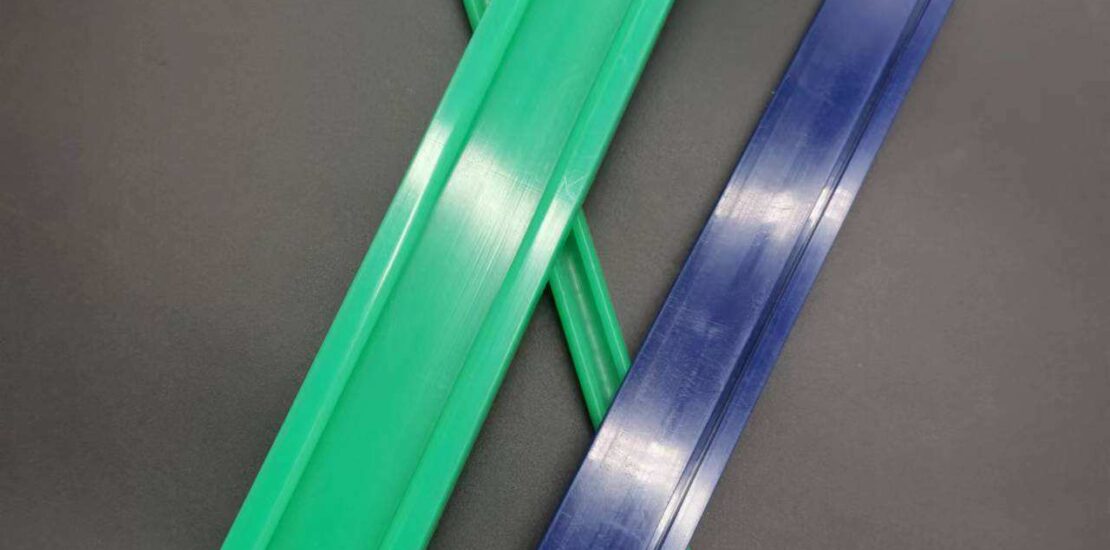
When most people think about conveyor reliability, they usually focus on the motor, the belt material, or the structural frame. Yet one of the most influential components often goes unnoticed—the Plastic Guide. This small, durable guide plays a critical role in ensuring smooth system operation by stabilizing movement, decreasing friction, and reducing mechanical stress. Without a properly designed and installed Plastic Guide, even the most advanced conveyor can experience drift, misalignment, excessive noise, and premature wear. In many facilities, upgrading this single component has led to measurable gains in uptime and efficiency. Understanding the hidden role of the Plastic Guide is the first step toward unlocking a higher-performing, more reliable conveyor system.
Understanding the Function of a Plastic Guide in Modern Conveyor Design
How a Plastic Guide Supports Belt Alignment
A conveyor system relies on consistent belt alignment to avoid vibration, wandering, or unexpected stoppage. A Plastic Guide plays a stabilizing role by directing the belt or chain along a controlled and predictable path. Its low-friction surface allows smooth movement while preventing the belt from drifting sideways. By keeping everything aligned, the Plastic Guide reduces the risk of edge damage, slippage, and mechanical interference. This simple guidance function is one of the most important contributors to long-term conveyor reliability.
Why the Plastic Guide Reduces Wear on Conveyor Components
Continuous metal-to-metal contact accelerates wear, raises heat, and increases maintenance needs. A Plastic Guide acts as a protective barrier between moving parts, significantly lowering friction and abrasion. Its engineered plastic surface helps protect both the chain and the frame from unnecessary scraping or gouging. Over time, this reduction in physical stress results in longer service intervals, fewer part replacements, and a smoother overall operation.
The Plastic Guide as a Shock-Absorbing Element
Conveyors often deal with load variations and impact forces, especially in high-speed or heavy-duty environments. A Plastic Guide absorbs much of this vibration and impact thanks to its natural flexibility and resilience. When products enter the conveyor abruptly or load shifts occur, the guide helps stabilize the motion. This shock-absorbing behavior reduces stress on the belt, chain, motor, and bearings, which in turn contributes to a more stable and reliable system.
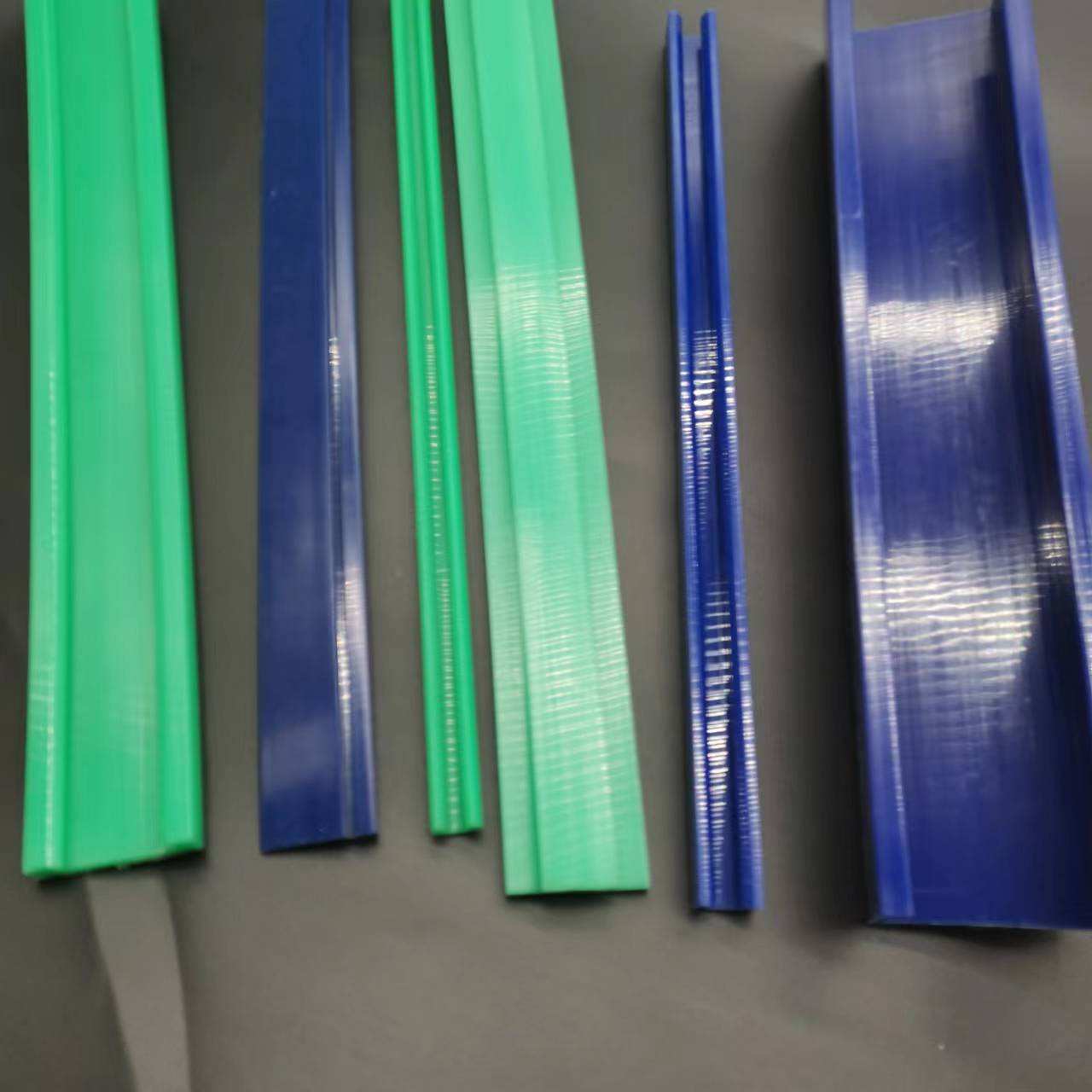
The Hidden Contribution of a Plastic Guide to Conveyor Reliability
How a Plastic Guide Minimizes Unexpected Downtime
Unplanned downtime is usually caused by issues such as misalignment, jamming, or premature part failure. A high-quality Plastic Guide helps prevent these failures before they occur. By keeping the belt running true and eliminating unnecessary friction, the guide reduces the chances of breakdowns. Many operators find that improving this one component leads to fewer emergency stops, faster recovery during maintenance, and better overall system continuity.
The Role of a Plastic Guide in Noise Reduction
Conveyors naturally generate noise due to constant motion and repetitive contact between surfaces. A Plastic Guide significantly lowers these sound levels by creating a smoother and quieter interface between the moving chain or belt and the support structure. The reduction in scraping and vibration results in a calmer working environment, especially valuable in packaging, processing, or warehouse areas where long operating hours make noise control a priority.
How a Plastic Guide Improves Energy Efficiency
Friction is one of the biggest sources of wasted energy in industrial machinery. Because a Plastic Guide is engineered with low-friction properties, it decreases the amount of power required to move the conveyor. This lowers motor strain and reduces energy consumption. Over time, the savings can be noticeable, especially on long conveyor systems or high-speed applications where every reduction in mechanical resistance counts.
Material Advantages: Why a Plastic Guide Outperforms Metal Alternatives
Low-Friction Surface Construction
Metal guides can be durable, but they often introduce drag and wear due to harder contact surfaces. A Plastic Guide, particularly one made from UHMW or engineering-grade polymer, offers a naturally slick surface. This characteristic enhances chain glide, reduces heat buildup, and extends the life of both the guide and the conveyor components. It is one of the primary reasons many industries replace metal with polymer guides.
Corrosion and Chemical Resistance
Environments involving moisture, cleaning agents, or corrosive chemicals can quickly degrade traditional metal parts. A Plastic Guide is resistant to rust, corrosion, and chemical damage, making it suitable for food processing, beverage production, pharmaceuticals, and wet industrial areas. This stability increases reliability because the guide maintains its performance even under harsh conditions.
Lightweight Properties for Smoother System Operation
A Plastic Guide weighs significantly less than its metal counterpart, making installation easier and reducing strain on the structure. The lower inertia also contributes to smoother motion during continuous conveyor operation. For systems requiring frequent adjustments or maintenance, this lightweight advantage translates to time savings and enhanced safety for technicians.
Choosing the Right Plastic Guide for Maximum Conveyor Reliability
Matching Plastic Guide Material to Your Application
Not all plastic materials behave the same way under load, temperature, or chemical exposure. Selecting the proper Plastic Guide material ensures consistent performance. UHMW offers excellent wear resistance and low friction, HDPE provides durability at a lower cost, nylon delivers higher strength, and POM offers superior dimensional stability. Understanding these differences allows engineers to tailor the conveyor to its working environment.
Critical Design Features to Look For
A Plastic Guide should be designed with practicality, stability, and wear control in mind. Key features include a well-defined profile that maintains precise belt tracking, a mounting style that prevents vibration, and a lubrication-free design for cleaner operation. Dimensional accuracy is equally important because slight inconsistencies can lead to misalignment or premature degradation.
Why High-Quality Manufacturing of a Plastic Guide Matters
Consistency is crucial when dealing with moving mechanical systems. A high-quality Plastic Guide is produced with precise tolerances, uniform thickness, and reliable material integrity. Poorly manufactured guides may warp, crack, or degrade quickly, compromising conveyor reliability. Investing in superior production quality results in smoother operation, extended service life, and fewer system interruptions.
Real-World Benefits: How a Plastic Guide Transforms Conveyor Performance
Improved Safety Through More Predictable Movement
Operator safety improves when the conveyor system behaves consistently. A well-designed Plastic Guide minimizes sudden shifts, erratic chain movement, and unexpected contact. This stability helps prevent accidents, especially in fast-paced industrial environments where workers interact closely with machinery.
Long-Term Cost Savings with a Plastic Guide Upgrade
When friction decreases and components last longer, operational costs naturally drop. A Plastic Guide reduces the frequency of maintenance tasks, replacement orders, and downtime events. The long-term savings make the upgrade a cost-effective improvement for almost any conveyor system, whether in manufacturing, packaging, or logistics.
Case Example Overview
In many facilities, upgrading the old guide to a premium Plastic Guide has resulted in measurable improvements. Conveyor lines experience smoother motion, fewer alignment issues, and a noticeable reduction in downtime. Although each case is unique, the consistent trend is clear: the Plastic Guide plays a far more significant role in overall performance than most teams initially expect.
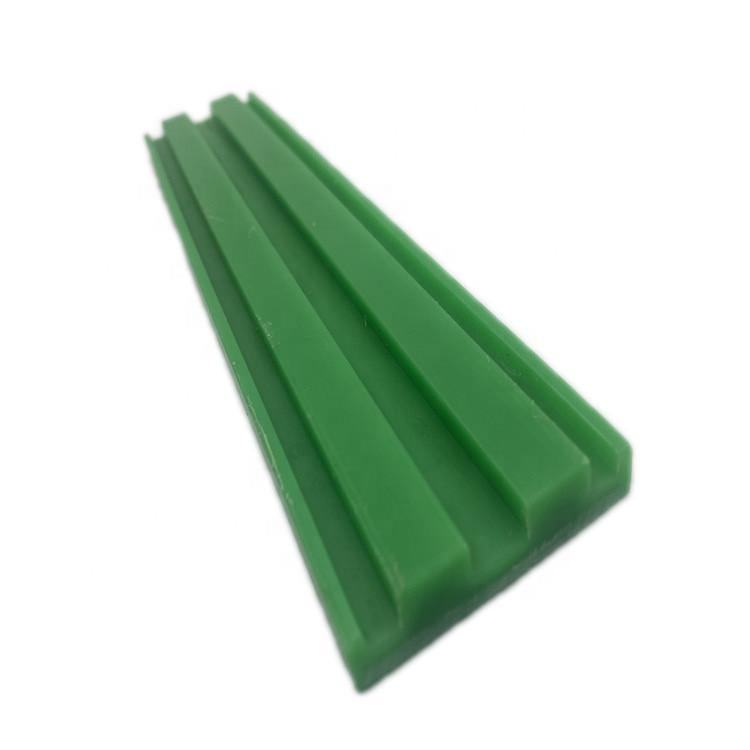
A Small Component That Delivers Big Reliability Gains
The Plastic Guide may appear simple, but its role in conveyor reliability is anything but minor. By reducing friction, preventing misalignment, absorbing shock, lowering noise, and resisting wear, it safeguards the entire system. When chosen correctly and manufactured to high standards, this small component becomes a major contributor to longer service life, lower energy use, and a more dependable operation. For any facility looking to boost conveyor performance, focusing on the Plastic Guide is one of the smartest and most cost-effective steps available.