
- December 15, 2025
- Posted by: feinuojixie
- Category: Chain Guides News
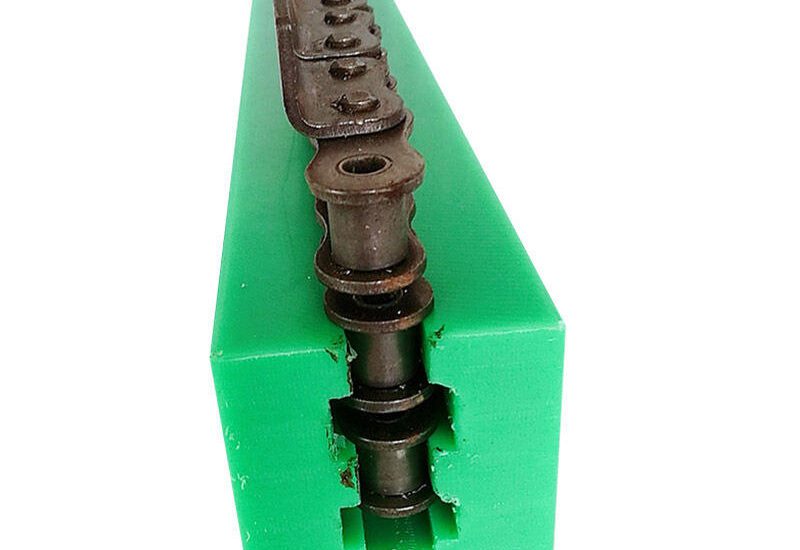
In many industrial systems, performance issues such as excessive noise, premature wear, and unstable movement are often blamed on major components. However, one of the most influential elements is frequently overlooked. A well-designed Plastic Guide plays a decisive role in how smoothly equipment runs, how quiet it operates, and how long critical components last. By controlling motion, reducing friction, and protecting moving parts, Plastic Guide becomes a foundation for reliable and efficient operation across a wide range of industries.
Understanding the Core Function of a Plastic Guide in Industrial Systems
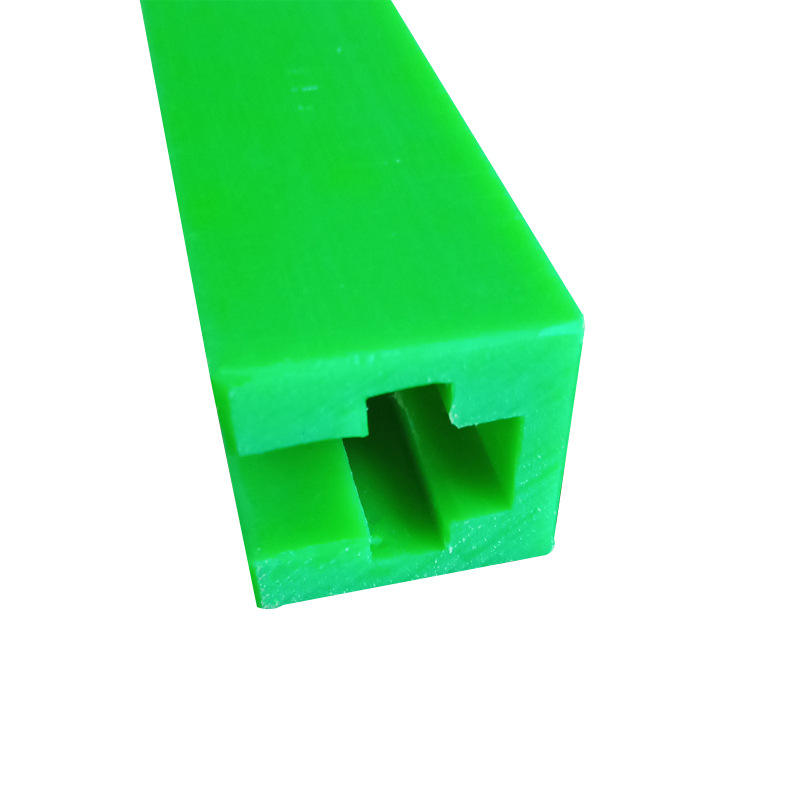
A Plastic Guide is engineered to direct, support, and stabilize moving components such as chains, belts, or sliding elements. Its primary function is to maintain accurate alignment while minimizing resistance during motion. By creating a controlled path, Plastic Guide prevents unwanted lateral movement and reduces mechanical stress. This guidance is essential in automated systems where precision and consistency directly impact productivity and product quality.
How a Plastic Guide Enables Smoother Operation Across Applications
Smooth operation depends on controlled motion and minimal friction. Plastic Guide provides a low-friction contact surface that allows components to glide rather than scrape or bind. This results in steady movement even at high speeds or under continuous operation. By reducing jerking, vibration, and resistance, Plastic Guide helps equipment achieve a more predictable and stable operating rhythm.
The Role of Plastic Guide in Noise Reduction and Vibration Control
Noise in industrial environments is often caused by vibration and hard surface contact. Plastic Guide naturally absorbs impact and dampens vibration due to its material properties. By eliminating metal-to-metal interaction, Plastic Guide significantly lowers operational noise levels. Quieter machinery not only improves the working environment but also reduces long-term fatigue on mechanical components.
Extending Equipment Life with the Right Plastic Guide
Wear is one of the primary causes of equipment failure. Plastic Guide protects both the moving component and the supporting structure by acting as a sacrificial wear surface. Instead of allowing chains or belts to grind against rigid frames, Plastic Guide takes the contact and distributes load evenly. This protection reduces deformation, slows wear rates, and extends the service life of the entire system.
Material Science Behind High-Performance Plastic Guide
The effectiveness of Plastic Guide depends heavily on material selection. Advanced engineering plastics are chosen for their low coefficient of friction, high wear resistance, and self-lubricating characteristics. These materials maintain performance under load, resist moisture and chemicals, and operate reliably across a wide temperature range. The right material ensures consistent performance without frequent maintenance.
Plastic Guide Versus Traditional Metal Guide
Compared to metal alternatives, Plastic Guide offers clear advantages. It generates less friction, produces far less noise, and does not corrode. Metal guide often requires constant lubrication and creates vibration that accelerates wear. Plastic Guide delivers smoother motion with lower maintenance demands, making it a more efficient and cost-effective solution over the long term.
How Plastic Guide Improves Efficiency in High-Speed and Heavy-Duty Operations
In demanding applications, stability is critical. Plastic Guide maintains precise alignment even under heavy load or rapid movement. This stability allows systems to operate at higher speeds without sacrificing reliability. Reduced friction also means lower energy consumption, contributing to improved overall efficiency and reduced operating costs.
Design Factors That Determine Plastic Guide Performance
Performance is not only about material but also about design. The geometry of Plastic Guide influences how loads are distributed and how smoothly components move. Proper clearance, mounting method, and compatibility with surrounding parts are essential. A well-designed Plastic Guide integrates seamlessly into the system and performs consistently under real-world conditions.
Installation Best Practices for Maximum Plastic Guide Effectiveness
Correct installation is crucial for achieving the full benefits of Plastic Guide. Accurate alignment ensures even contact and prevents localized wear. Secure mounting prevents vibration and movement during operation. When installed properly, Plastic Guide delivers optimal performance from day one and maintains it over time.
Maintenance Advantages of Using a Plastic Guide
One of the most significant benefits of Plastic Guide is reduced maintenance. Its self-lubricating nature minimizes the need for oils or greases. Wear is predictable and gradual, making inspections easier and replacements less frequent. This simplicity translates into less downtime and lower maintenance costs.
Common Mistakes to Avoid When Selecting a Plastic Guide
Selecting a Plastic Guide without considering load, speed, or environmental conditions can lead to poor performance. Choosing an unsuitable material or ignoring design compatibility often results in excessive wear or instability. Understanding application requirements is essential to ensure Plastic Guide performs as intended.
Industries That Benefit Most from Plastic Guide Technology
Plastic Guide is widely used in packaging, food processing, logistics, automotive production, and general manufacturing. Its adaptability makes it suitable for clean environments, heavy-duty systems, and high-speed automation. Across industries, Plastic Guide contributes to smoother workflows and more reliable equipment.
Future Trends in Plastic Guide Design and Engineering
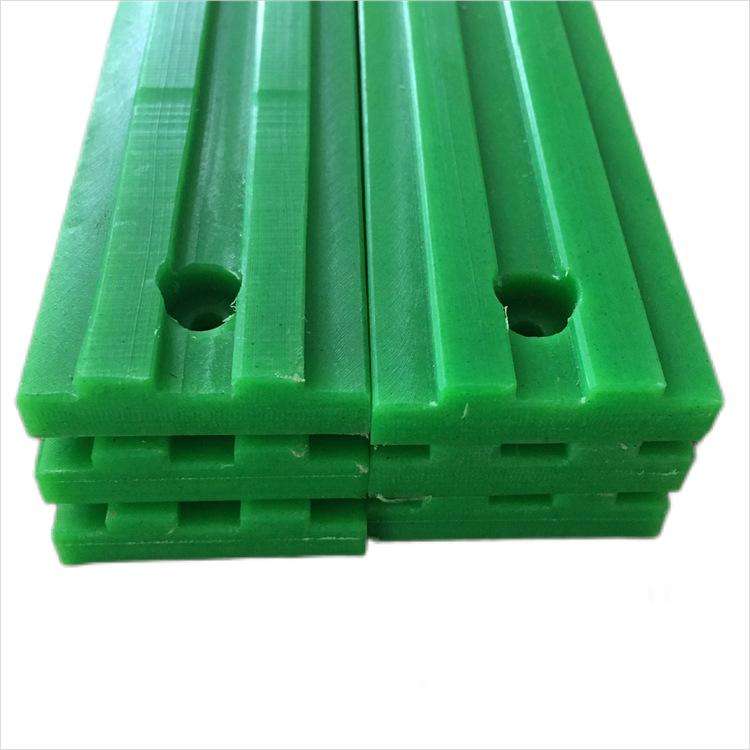
Ongoing innovation is expanding the capabilities of Plastic Guide. Advances in material science, precision manufacturing, and custom profiles are improving durability and performance. As efficiency and sustainability become more important, Plastic Guide continues to evolve to meet future industrial demands.
Why Investing in the Right Plastic Guide Pays Off
A high-quality Plastic Guide is more than a supporting component. It is a key driver of smooth operation, reduced noise, and extended equipment life. By choosing the right Plastic Guide, manufacturers can improve efficiency, lower maintenance costs, and achieve more reliable long-term performance. Investing in the right solution delivers measurable benefits that extend far beyond the guide itself.