
- December 16, 2025
- Posted by: feinuojixie
- Category: Chain Guides News
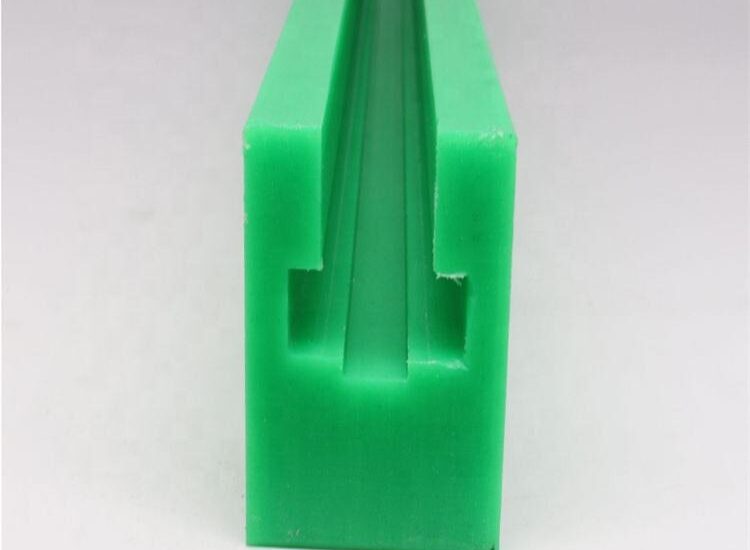
In many industrial systems, a Plastic Guide is treated as a secondary component, chosen quickly and rarely revisited after installation. This assumption often leads engineers and maintenance teams to underestimate its real impact on equipment performance. In reality, a properly designed Plastic Guide plays a powerful role in controlling wear patterns, stabilizing motion, and preventing the kind of downtime that disrupts production schedules and inflates operating costs. When selected and applied correctly, its benefits extend far beyond simple guidance.
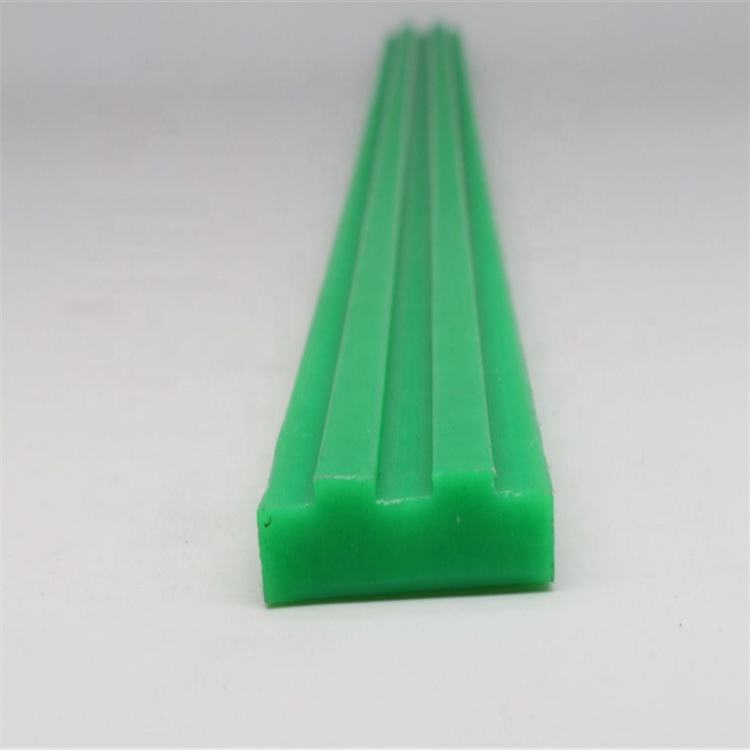
How a Plastic Guide Minimizes Friction Beyond Traditional Expectations
One of the most unexpected advantages of a Plastic Guide lies in its ability to reduce friction in ways that traditional materials struggle to achieve. Advanced polymers used in modern Plastic Guide designs create smooth contact surfaces that allow moving parts to glide rather than grind. This reduction in friction limits surface abrasion, slows material fatigue, and helps maintain consistent performance over extended operating cycles. Lower friction also means less heat generation, which further protects surrounding components from premature wear.
The Role of Plastic Guide in Absorbing Vibration and Shock
Unlike rigid materials, a Plastic Guide naturally absorbs vibration and shock during operation. This characteristic is critical in systems exposed to frequent starts, stops, or load changes. By dampening these forces, a Plastic Guide prevents micro-impact damage that often goes unnoticed until it develops into serious wear. Over time, this shock absorption capability preserves the integrity of chains, belts, and frames, significantly reducing the risk of unexpected breakdowns.
How Self-Lubricating Plastic Guide Designs Prevent Accelerated Wear
Many modern Plastic Guide solutions incorporate self-lubricating properties that eliminate the need for constant external lubrication. This feature reduces metal-to-surface contact and prevents dry running conditions that accelerate wear. Without reliance on grease or oil, a Plastic Guide maintains consistent performance even in environments where lubrication is difficult or inconsistent. The result is smoother operation, cleaner equipment, and a lower chance of abrasive contamination damaging critical components.
Why Plastic Guide Alignment Accuracy Prevents Chain Reaction Failures
Proper alignment is essential for preventing uneven wear, and a Plastic Guide excels at maintaining consistent positioning of moving elements. When alignment drifts, even slightly, it can trigger a chain reaction of wear across multiple components. A well-engineered Plastic Guide stabilizes movement, keeps loads evenly distributed, and prevents edge wear that often leads to sudden system failure. This precise control helps maintain predictable wear patterns that are easier to manage and plan around.
How Plastic Guide Protects Equipment During Start-Up and Shutdown
Start-up and shutdown phases place intense stress on mechanical systems due to sudden changes in speed and load. During these moments, wear risk increases dramatically. A Plastic Guide provides controlled support that reduces friction spikes and absorbs sudden forces. This protection is especially valuable in high-cycle operations, where repeated start-stop motion can quickly degrade poorly supported components. By minimizing stress during these critical phases, a Plastic Guide extends overall equipment lifespan.
The Impact of Plastic Guide on Noise Reduction and Wear Monitoring
Noise is often an early warning sign of excessive wear, and a Plastic Guide plays a key role in keeping systems quiet. Reduced noise levels indicate smoother contact and healthier operation. When noise does increase, it becomes easier to identify abnormal wear before it escalates into downtime. In this way, a Plastic Guide not only reduces wear directly but also supports proactive maintenance strategies by making changes in system behavior more noticeable.
How Plastic Guide Resists Contamination That Accelerates Wear
Industrial environments are rarely clean, and contamination is a major contributor to accelerated wear. A Plastic Guide made from chemically resistant and low-absorption materials helps prevent dust, moisture, and chemicals from embedding into contact surfaces. This resistance limits abrasive action and corrosion-related damage. By maintaining a cleaner interface, a Plastic Guide protects moving components from hidden wear that often leads to unexpected stoppages.
Why Plastic Guide Extends Maintenance Intervals and Reduces Downtime Costs
When wear is controlled, maintenance becomes predictable rather than reactive. A Plastic Guide reduces the frequency of part replacement, lubrication tasks, and emergency repairs. Longer maintenance intervals mean fewer production interruptions and lower labor costs. Over time, the savings generated by reduced downtime often exceed the initial investment in a high-quality Plastic Guide, making it a cost-effective solution for long-term operational stability.
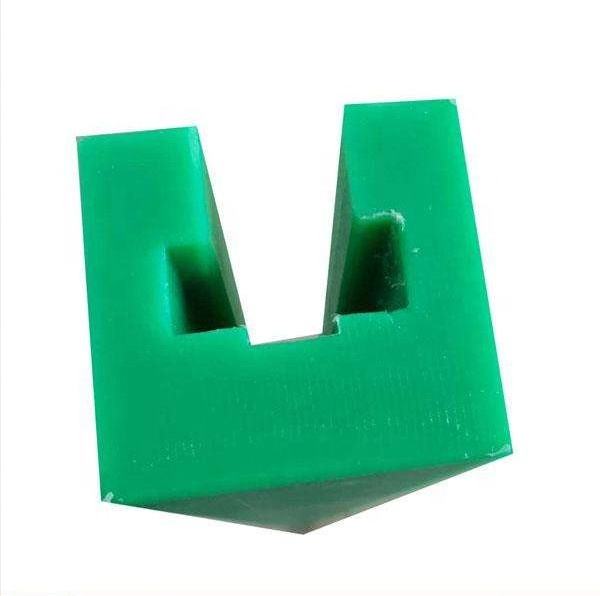
Rethinking the True Value of a Plastic Guide in Wear Prevention
The true value of a Plastic Guide lies in the many ways it quietly protects equipment from wear and failure. From friction reduction and vibration control to contamination resistance and alignment stability, its influence reaches far beyond basic guidance. By recognizing these unexpected benefits, manufacturers and engineers can make smarter decisions that prevent costly downtime and improve overall system reliability. A Plastic Guide is not just a component, but a critical partner in long-term wear prevention and operational efficiency.