
- December 23, 2025
- Posted by: feinuojixie
- Category: Chain Guides News
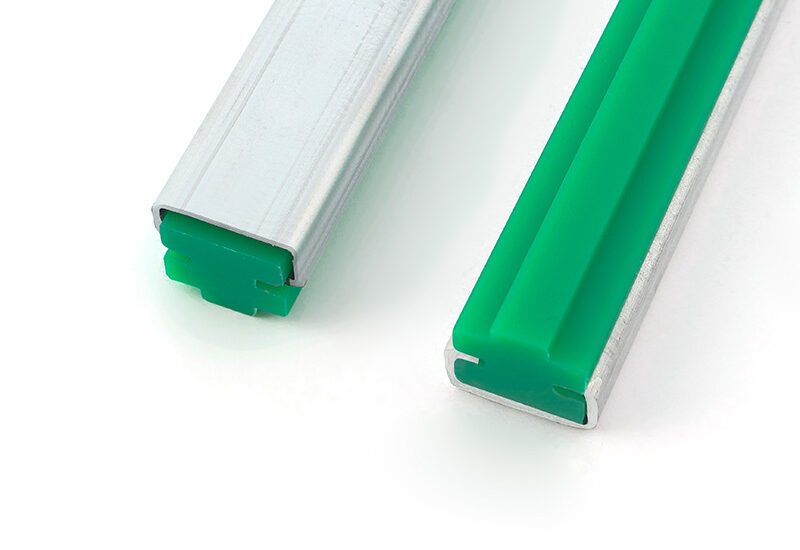
Chain guides for roller chain play a critical role in ensuring smooth, reliable, and efficient power transmission. While often viewed as secondary components, they directly influence noise levels, wear rates, system stability, and overall equipment lifespan. Understanding what impacts their performance is essential for engineers and maintenance teams aiming to optimize production reliability.
Understanding the Core Function of Chain Guides for Roller Chain
The primary function of chain guides for roller chain is to guide, support, and stabilize the moving chain along a defined path. By maintaining proper alignment, these guides minimize lateral movement, reduce metal-to-metal contact, and help ensure consistent engagement with sprockets. This controlled motion is essential for predictable system behavior under continuous operation.
Material Selection and Its Influence on Chain Guides for Roller Chain Performance
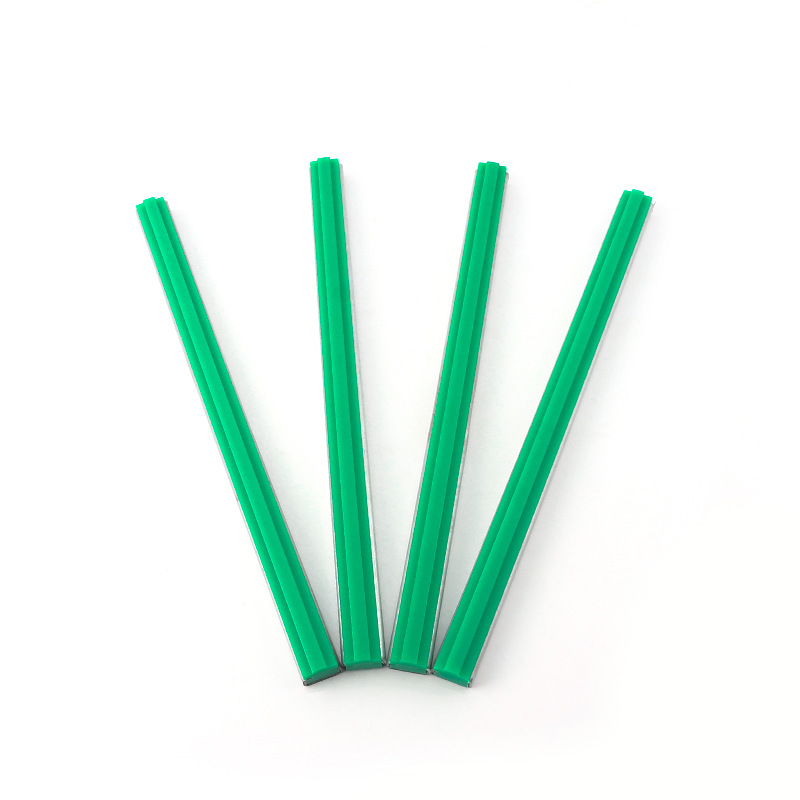
Material choice is one of the most significant factors affecting chain guides for roller chain performance. High-performance plastics, engineered polymers, and specialized composites each offer different advantages. The right material can reduce friction, absorb vibration, resist wear, and perform reliably under high loads or harsh environmental conditions. Selecting an unsuitable material often leads to premature failure and increased downtime.
Design Geometry and Precision in Chain Guides for Roller Chain
The geometry of chain guides for roller chain directly affects how smoothly the chain travels. Precise profiles ensure proper chain engagement and prevent uneven stress distribution. Tight manufacturing tolerances help maintain consistent contact surfaces, reducing vibration and minimizing localized wear that can compromise performance over time.
Load Conditions and Stress Distribution on Chain Guides for Roller Chain
Load conditions significantly impact how chain guides for roller chain behave during operation. Heavier loads increase contact pressure and friction, making proper guide thickness and support critical. Even load distribution across the guide surface helps prevent deformation and ensures stable performance under continuous or fluctuating demand.
Operating Speed and Its Effect on Chain Guides for Roller Chain
As operating speed increases, chain guides for roller chain must handle greater frictional forces and heat buildup. High-speed applications demand materials and designs that can dissipate heat efficiently while maintaining dimensional stability. Poorly matched guides may lead to excessive noise, vibration, or accelerated wear.
Environmental Factors That Affect Chain Guides for Roller Chain
Environmental conditions play a major role in guide performance. Exposure to high temperatures, moisture, abrasive dust, or chemicals can degrade certain materials. Chain guides for roller chain must be selected with the operating environment in mind to ensure consistent performance and avoid unexpected failures.
Lubrication Strategy and Compatibility with Chain Guides for Roller Chain
Lubrication interacts closely with chain guides for roller chain. Some guide materials are designed to work with minimal lubrication, while others rely on consistent lubrication to reduce friction and heat. Compatibility between lubricant type and guide material is essential to avoid swelling, degradation, or loss of performance.
Installation Accuracy and Alignment of Chain Guides for Roller Chain
Even the highest-quality chain guides for roller chain can underperform if installed incorrectly. Proper alignment ensures the chain follows a smooth path without binding or uneven contact. Accurate installation reduces stress on both the guide and the chain, improving efficiency and extending service life.
Maintenance Practices That Preserve Chain Guides for Roller Chain Performance
Regular maintenance is key to sustaining optimal performance. Inspecting chain guides for roller chain for wear patterns, contamination, or deformation allows issues to be addressed before they escalate. Simple practices such as cleaning debris and monitoring alignment can significantly extend operational life.
Common Performance Issues Caused by Improper Chain Guides for Roller Chain Selection
When chain guides for roller chain are poorly matched to the application, problems quickly arise. Excessive noise, vibration, chain instability, and rapid wear are common indicators. These issues not only reduce efficiency but also increase the risk of unexpected downtime and costly repairs.
How to Optimize System Performance with the Right Chain Guides for Roller Chain
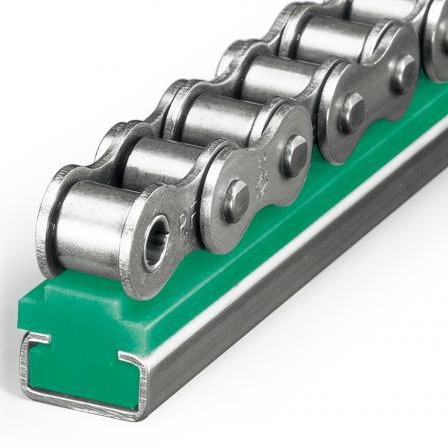
Optimizing performance requires a holistic approach that considers load, speed, environment, and maintenance strategy. Choosing chain guides for roller chain that align with system demands leads to smoother operation, reduced maintenance effort, and improved reliability across the entire production line.
Maximizing Value Through Smart Chain Guides for Roller Chain Decisions
Chain guides for roller chain are far more than simple accessories. Their material, design, installation, and maintenance directly shape system performance and longevity. By understanding and addressing the key factors that impact performance, manufacturers can achieve quieter operation, longer service life, and greater overall efficiency.