
- December 23, 2025
- Posted by: feinuojixie
- Category: Chain Guides News
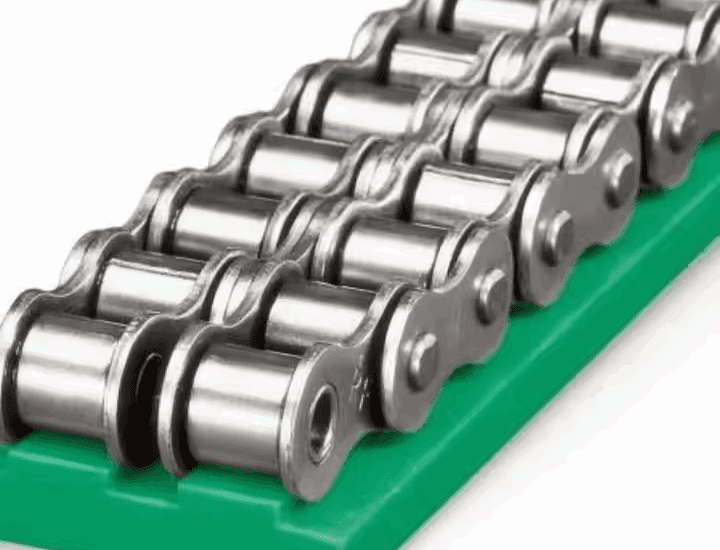
In many industrial systems, chain failure is often treated as an unavoidable cost of operation. In reality, most breakdowns are preventable. One of the most overlooked contributors to system failure is improper guidance. Selecting the right chain guides for roller chain is essential for maintaining smooth motion, controlling wear, and avoiding sudden shutdowns that lead to lost productivity and expensive repairs.
Chain guides for roller chain are not just passive components. They directly influence how a chain moves, how forces are distributed, and how long both the chain and surrounding components will last. When chosen correctly, they act as a protective system that safeguards the entire drive line.
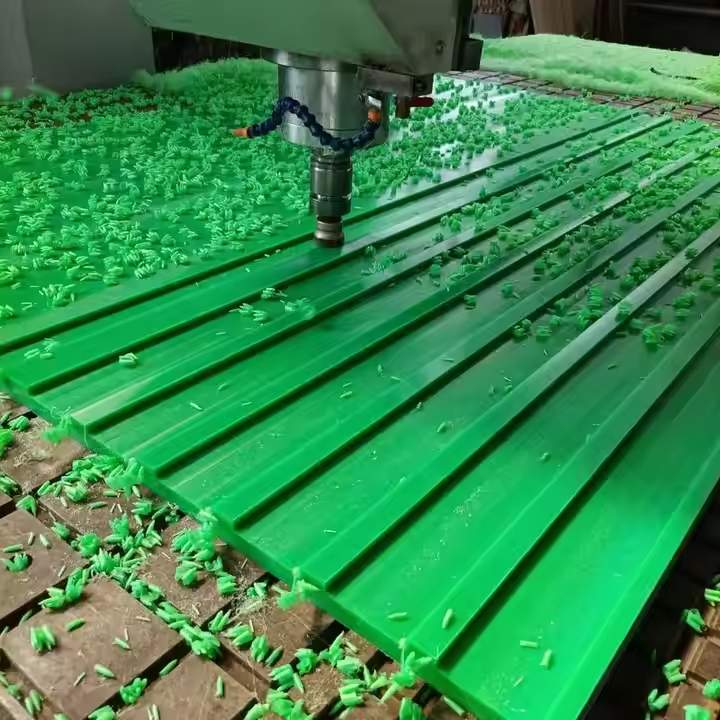
The Hidden Costs of Using the Wrong Chain Guides for Roller Chain
The wrong chain guides for roller chain often fail quietly at first. Excessive friction, uneven contact, and vibration may go unnoticed until the damage becomes severe. Over time, this leads to accelerated chain elongation, sprocket wear, and increased energy consumption.
These issues translate into real costs. Maintenance intervals become shorter, replacement parts are needed more frequently, and unplanned downtime disrupts production schedules. What appears to be a small cost-saving decision during procurement often results in far greater expenses throughout the equipment life cycle.
How Chain Guides for Roller Chain Prevent Premature Wear and Chain Damage
Proper chain guides for roller chain maintain consistent alignment throughout operation. By controlling lateral movement and stabilizing the chain path, they prevent the chain from riding unevenly on sprockets or contacting surrounding structures.
Reduced friction is another critical benefit. High-quality guides create a smooth sliding surface that minimizes metal-to-metal contact. This not only protects the chain itself but also reduces heat buildup and wear on adjacent components, significantly extending service life.
Material Selection Factors That Impact Chain Guides for Roller Chain Performance
Material choice is one of the most decisive factors in guide performance. Chain guides for roller chain must balance low friction with high wear resistance. Engineering plastics are often preferred because they offer self-lubricating properties, noise reduction, and resistance to corrosion.
Temperature tolerance is equally important. Guides exposed to heat from friction or surrounding processes must maintain dimensional stability. Chemical resistance also matters in environments where oils, cleaners, or process fluids are present. Choosing the wrong material can lead to deformation, cracking, or rapid degradation.
Design Considerations That Separate High-Quality Chain Guides for Roller Chain from Failures
Even the best material will fail if the design is incorrect. Chain guides for roller chain must be shaped to support the chain evenly across its contact surface. Poor geometry concentrates load in small areas, accelerating wear and increasing the risk of guide breakage.
Mounting design is another critical aspect. Secure attachment prevents vibration and movement that can compromise alignment. A well-designed guide works as an integrated part of the system, maintaining stability under both steady and fluctuating loads.
Operating Environment Risks That Demand the Right Chain Guides for Roller Chain
Every operating environment presents unique challenges. Dust and debris can act as abrasives, moisture can promote corrosion, and high-speed operation increases thermal stress. Chain guides for roller chain must be selected with these conditions in mind.
In continuous-duty systems, durability becomes even more critical. Guides that perform well in short-cycle applications may fail prematurely when exposed to nonstop operation. Matching the guide design and material to real operating conditions is essential for avoiding costly surprises.
Common Mistakes That Lead to Chain Guide Failure and Costly Repairs
One common mistake is selecting chain guides for roller chain based solely on initial price. Another is assuming that a standard guide will perform well in all applications. Improper installation, such as misalignment or insufficient support, also undermines performance.
Ignoring system changes is another risk. As loads increase or speeds change, guides that were once adequate may no longer provide sufficient protection. Regular evaluation helps prevent small issues from escalating into major failures.
How Proper Chain Guides for Roller Chain Reduce Downtime and Maintenance Costs
When the right chain guides for roller chain are in place, systems run more smoothly and predictably. Reduced vibration and noise are often the first noticeable improvements. Over time, maintenance teams see fewer emergency repairs and more controlled service intervals.
This reliability allows for better planning and lower total cost of ownership. Instead of reacting to failures, operators can focus on optimizing performance and extending equipment life.
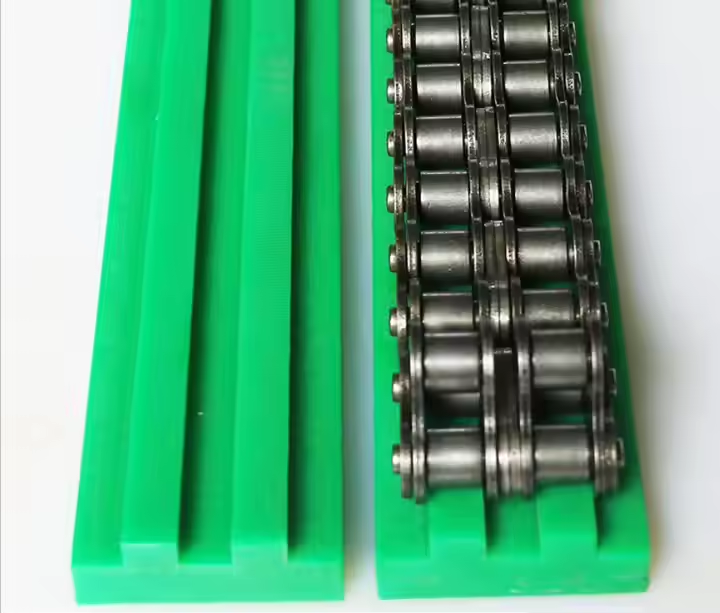
How to Evaluate and Select the Right Chain Guides for Roller Chain
Effective selection starts with understanding application requirements. Load, speed, temperature, and environmental exposure should all be clearly defined. From there, material properties and design features can be matched to these needs.
Consulting experienced suppliers and reviewing performance data can further reduce risk. The goal is not just compatibility, but long-term stability and consistent performance under real operating conditions.
Investing in the Right Chain Guides for Roller Chain Saves More Than You Think
Choosing the right chain guides for roller chain is one of the most effective ways to prevent costly failures before they occur. While guides may seem like a small component, their impact on reliability, maintenance cost, and system longevity is significant.
By prioritizing proper material selection, thoughtful design, and application-specific evaluation, manufacturers and operators can avoid unnecessary downtime and protect their investment. In the long run, the right choice pays for itself many times over.