
- December 26, 2025
- Posted by: feinuojixie
- Category: Chain Guides News
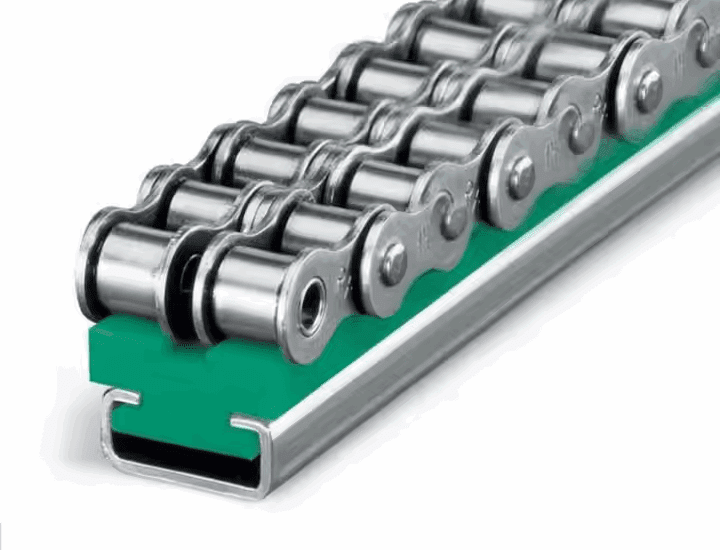
In many industrial systems, smooth and reliable power transmission depends heavily on chain guides for roller chain. These components may appear simple, but they play a vital role in maintaining chain alignment, reducing operational stress, and preventing premature system failure. Without proper maintenance and timely replacement, even a well-designed roller chain system can experience excessive wear, noise, and unexpected downtime. Understanding best practices for caring for chain guides for roller chain is therefore essential for long-term operational success.
Understanding the Function of Chain Guides for Roller Chain
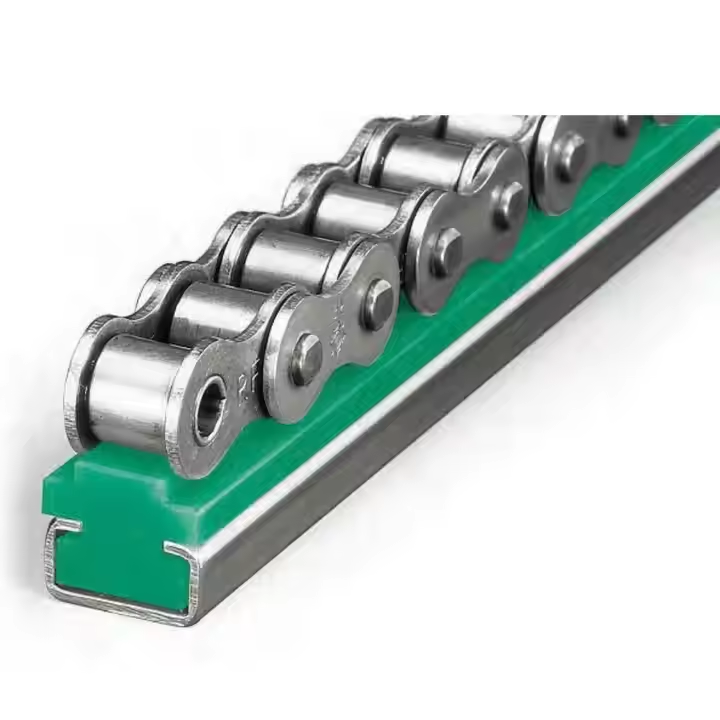
Chain guides for roller chain are designed to support and control chain movement along a defined path. By keeping the chain properly aligned, they minimize lateral movement and prevent chain derailment. They also reduce metal-to-metal contact, which lowers friction and helps distribute loads more evenly across the system. In high-speed or continuous-operation environments, chain guides for roller chain contribute directly to stable performance and consistent output.
Common Applications That Rely on Chain Guides for Roller Chain
Many industrial sectors rely on chain guides for roller chain to maintain dependable motion control. Conveyor systems use them to guide product flow smoothly over long distances. Packaging machinery depends on precise chain alignment to ensure accurate timing. Automotive, food processing, and material handling systems also integrate chain guides for roller chain to handle repetitive motion while maintaining safety and efficiency.
Signs That Chain Guides for Roller Chain Require Maintenance
Regular inspection is key to identifying early warning signs. Excessive noise, vibration, or visible chain misalignment often indicates that chain guides for roller chain are experiencing wear. Surface grooving, uneven contact marks, or material deformation can reduce guiding effectiveness. Ignoring these signs may lead to accelerated chain wear or even sudden system failure.
Best Practices for Routine Maintenance of Chain Guides for Roller Chain
A structured maintenance schedule helps preserve the performance of chain guides for roller chain. Visual inspections should be conducted at regular intervals to detect abnormal wear or debris accumulation. Monitoring chain tracking behavior can also reveal subtle guide degradation before it becomes a serious issue. Preventive maintenance ensures that small problems are addressed early, reducing the likelihood of costly repairs.
Cleaning Techniques That Protect Chain Guides for Roller Chain
Keeping chain guides for roller chain clean is essential for maintaining low friction and consistent performance. Dust, abrasive particles, and residue can accelerate surface wear. Cleaning should be performed using non-abrasive methods that do not damage the guide material. In sensitive environments, such as food processing, cleanliness also supports hygiene and regulatory compliance.
Lubrication Considerations When Using Chain Guides for Roller Chain
While roller chain itself often requires lubrication, chain guides for roller chain may not always benefit from it. Certain guide materials are engineered to operate without lubrication and may degrade if exposed to incompatible substances. Understanding material properties helps determine whether lubrication supports or hinders guide performance.
Material Wear Patterns in Chain Guides for Roller Chain
Different materials used in chain guides for roller chain respond uniquely to load, speed, and temperature. Uniform wear often indicates proper alignment and balanced loading, while uneven wear may suggest installation or operational issues. Evaluating wear patterns provides valuable insight into both guide condition and overall system health.
When Maintenance Is No Longer Enough for Chain Guides for Roller Chain
There comes a point when maintenance can no longer restore proper function. Deep grooves, cracking, or loss of dimensional accuracy signal that chain guides for roller chain have reached the end of their service life. Continuing to operate worn guides increases the risk of chain damage and unexpected downtime.
Best Timing Strategies for Replacing Chain Guides for Roller Chain
Proactive replacement planning helps avoid emergency shutdowns. Scheduling replacement during planned maintenance windows minimizes production disruption. Replacing chain guides for roller chain before complete failure ensures consistent performance and protects related components from secondary damage.
How to Choose Replacement Chain Guides for Roller Chain
Selecting the right replacement requires careful evaluation of operating conditions. Load capacity, chain speed, environmental exposure, and system layout all influence performance. Choosing chain guides for roller chain that match these requirements ensures compatibility and long-term reliability.
Installation Tips to Maximize the Life of Chain Guides for Roller Chain
Proper installation is just as important as material selection. Accurate alignment prevents uneven contact and premature wear. Secure mounting and correct clearances allow chain guides for roller chain to function as designed, delivering stable guidance and reduced stress on the chain.
Common Mistakes to Avoid During Maintenance and Replacement
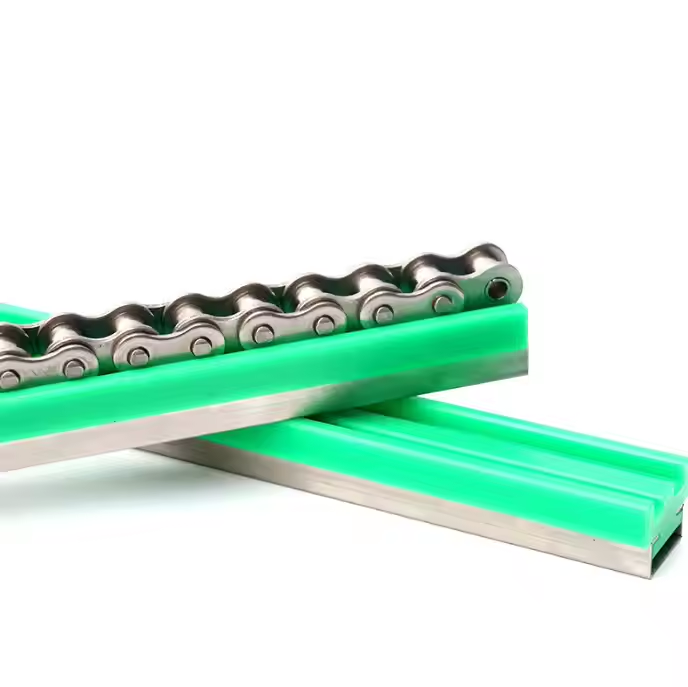
Overlooking minor wear, using incompatible materials, or improper installation can significantly shorten service life. Another common mistake is delaying replacement until failure occurs. Avoiding these errors helps maintain the effectiveness of chain guides for roller chain and supports uninterrupted operation.
Long-Term Cost Benefits of Proper Chain Guide Management
Investing time and resources in maintaining chain guides for roller chain delivers measurable long-term savings. Reduced downtime, extended chain life, and fewer emergency repairs all contribute to lower operating costs. A proactive approach also enhances workplace safety and system reliability.
Building a Sustainable Maintenance Strategy for Chain Guides for Roller Chain
Effective maintenance and timely replacement of chain guides for roller chain are essential elements of a sustainable industrial strategy. By understanding their function, monitoring wear, and applying best practices, operators can ensure consistent performance and long-term efficiency. A well-managed approach transforms chain guides for roller chain from overlooked components into key contributors to operational excellence.