
- January 5, 2026
- Posted by: feinuojixie
- Category: Chain Guides News

In today’s industrial landscape, conveyor systems are expected to operate faster, carry heavier loads, and maintain consistent accuracy over long production cycles. At the center of this performance demand is the Roller Chain Guide. Far more than a simple accessory, a Roller Chain Guide plays a decisive role in stabilizing chain motion, protecting critical components, and ensuring reliable system operation. Without a properly designed Roller Chain Guide, even the most advanced conveyor system can suffer from premature wear, misalignment, and costly downtime.
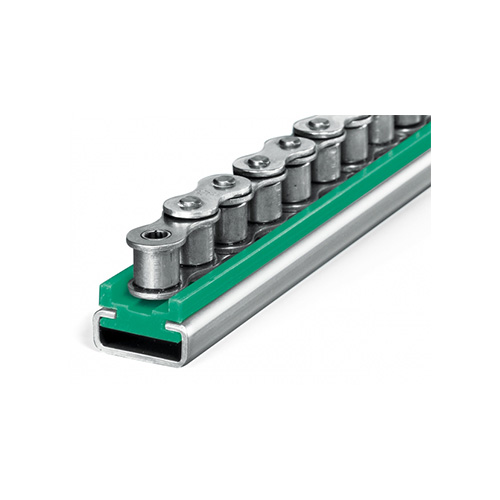
Understanding the Fundamentals of a Roller Chain Guide
A Roller Chain Guide is a guiding component designed to control the movement path of a roller chain within a conveyor system. By maintaining precise alignment, it prevents lateral movement and unwanted vibration. This controlled guidance allows the chain to move smoothly along its intended track, even under fluctuating loads or challenging environmental conditions. In high-performance conveyor systems, the Roller Chain Guide acts as a stabilizing backbone that ensures predictable and repeatable motion.
How a Roller Chain Guide Enhances Conveyor System Performance
Consistent performance in conveyor systems depends heavily on motion accuracy. A well-designed Roller Chain Guide helps achieve this by minimizing chain deviation and maintaining steady engagement with sprockets. This results in smoother acceleration and deceleration, reduced mechanical stress, and improved overall efficiency. When conveyor systems operate at higher speeds, the Roller Chain Guide becomes even more essential for maintaining control and preventing performance losses.
The Role of a Roller Chain Guide in Reducing Wear and Extending Chain Life
Uncontrolled chain movement is one of the leading causes of accelerated wear. A properly installed Roller Chain Guide significantly reduces friction between moving components by keeping the chain aligned. This controlled contact limits surface abrasion, decreases elongation, and extends the operational lifespan of the chain. Over time, this wear reduction translates into lower replacement costs and improved system reliability.
Material Selection for a High-Performance Roller Chain Guide
Material choice has a direct impact on how a Roller Chain Guide performs in demanding applications. Engineering plastics are often used for their low friction properties, noise reduction capabilities, and resistance to corrosion. In environments with high temperatures or chemical exposure, advanced composite materials provide additional durability. Selecting the right material ensures that the Roller Chain Guide can withstand operational stress while maintaining consistent guiding performance.
Design Considerations When Integrating a Roller Chain Guide into Conveyor Systems
Effective integration of a Roller Chain Guide requires careful attention to design details. Guide profile geometry must match the chain size and motion path precisely. Mounting stability is equally important, as improper installation can compromise alignment benefits. When these design considerations are addressed correctly, the Roller Chain Guide becomes a seamless part of the conveyor system, supporting long-term operational stability.
Roller Chain Guide Solutions for High-Speed Conveyor Applications
High-speed conveyor systems introduce greater dynamic forces that can destabilize chain movement. In these applications, a Roller Chain Guide must provide enhanced support to control vibration and maintain positional accuracy. Optimized guide geometry and material selection help ensure that the chain remains stable even at elevated operating speeds, allowing the system to meet productivity targets without sacrificing reliability.
The Impact of a Roller Chain Guide on Noise Reduction and Workplace Safety
Noise is often an overlooked issue in conveyor design. A well-engineered Roller Chain Guide reduces impact noise by maintaining smooth chain contact and limiting sudden movement. Quieter operation not only improves the working environment but also supports safety by reducing distractions and mechanical shock. This makes the Roller Chain Guide an important contributor to both operational efficiency and workplace well-being.
Maintenance Best Practices for a Roller Chain Guide
Although a Roller Chain Guide is designed for durability, regular inspection is essential for consistent performance. Checking alignment, wear patterns, and mounting integrity helps identify potential issues before they escalate. Simple maintenance practices can significantly extend the service life of a Roller Chain Guide and maintain optimal conveyor performance.
Common Mistakes to Avoid When Choosing a Roller Chain Guide
One common mistake is selecting a Roller Chain Guide without considering operating conditions such as load, speed, and environment. Another is overlooking installation accuracy, which can negate the benefits of even the highest-quality guide. Avoiding these pitfalls ensures that the Roller Chain Guide delivers its intended performance advantages.
Custom Roller Chain Guide Options for Specialized Conveyor Systems
Standard solutions may not always meet the needs of complex conveyor layouts. Custom Roller Chain Guide designs offer tailored dimensions, materials, and profiles to suit specific applications. These customized solutions provide superior alignment control and performance optimization in specialized systems.
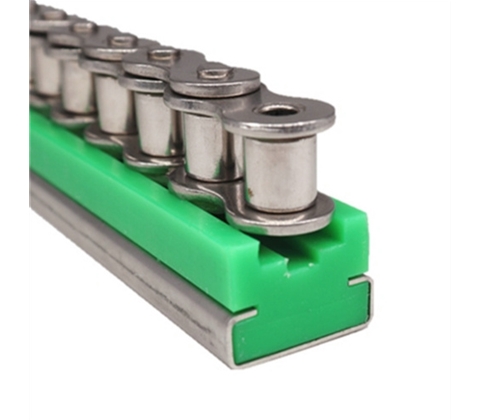
Future Trends in Roller Chain Guide Technology for Conveyor Systems
As conveyor technology evolves, so does the Roller Chain Guide. Innovations in material science, low-friction surfaces, and integrated monitoring features are shaping future designs. These advancements aim to further reduce wear, improve efficiency, and support predictive maintenance strategies.
Maximizing Conveyor Performance with the Right Roller Chain Guide
A high-performance conveyor system relies on precision, stability, and durability. The Roller Chain Guide is a foundational component that supports all three. By selecting the right design, material, and maintenance approach, manufacturers can maximize system efficiency, reduce downtime, and achieve long-term operational success.