
- January 5, 2026
- Posted by: feinuojixie
- Category: Chain Guides News

In modern mechanical and industrial systems, precise motion control and long-term reliability are non-negotiable. One component that plays a surprisingly critical role in achieving these goals is the Roller Chain Guide. While often overlooked during early design stages, a well-selected Roller Chain Guide directly influences system stability, operational efficiency, and component lifespan.
For engineers working with conveyor systems, automation equipment, or power transmission assemblies, understanding how a Roller Chain Guide functions is essential. It is not simply an accessory but a structural element that helps control chain movement, reduce wear, and maintain consistent performance under demanding conditions. This article breaks down everything engineers need to know, from basic principles to practical design considerations.
What Is a Roller Chain Guide and How It Works
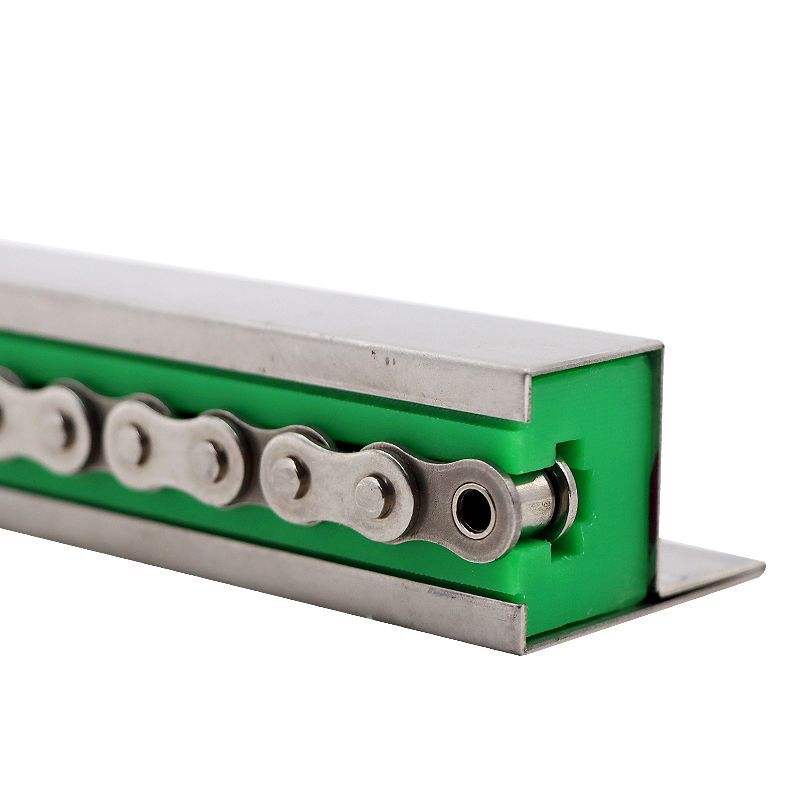
A Roller Chain Guide is a guiding component designed to support and control the path of a roller chain as it moves through a mechanical system. Its primary function is to maintain proper chain alignment and prevent unwanted lateral movement during operation.
As the roller chain travels, the Roller Chain Guide provides a controlled contact surface that keeps the chain engaged along a defined path. This guidance reduces oscillation, minimizes vibration, and prevents the chain from deviating due to load changes or speed fluctuations. By maintaining consistent positioning, the Roller Chain Guide helps ensure smooth power transmission and predictable system behavior.
Core Functions of a Roller Chain Guide in Mechanical Systems
The role of a Roller Chain Guide extends beyond simple chain positioning. One of its most important functions is stabilizing the chain during continuous or high-speed operation. Without proper guidance, a roller chain can experience excessive vibration, leading to noise, accelerated wear, and mechanical failure.
Another key function is wear management. By controlling how the chain contacts surrounding components, the Roller Chain Guide reduces metal-to-metal interaction and distributes load more evenly. This contributes to longer chain life and improved reliability across the entire system.
Additionally, a Roller Chain Guide helps maintain accurate chain engagement with sprocket teeth. Proper alignment ensures efficient power transfer and reduces the risk of skipping, binding, or uneven load distribution.
Common Materials Used in Roller Chain Guide Design
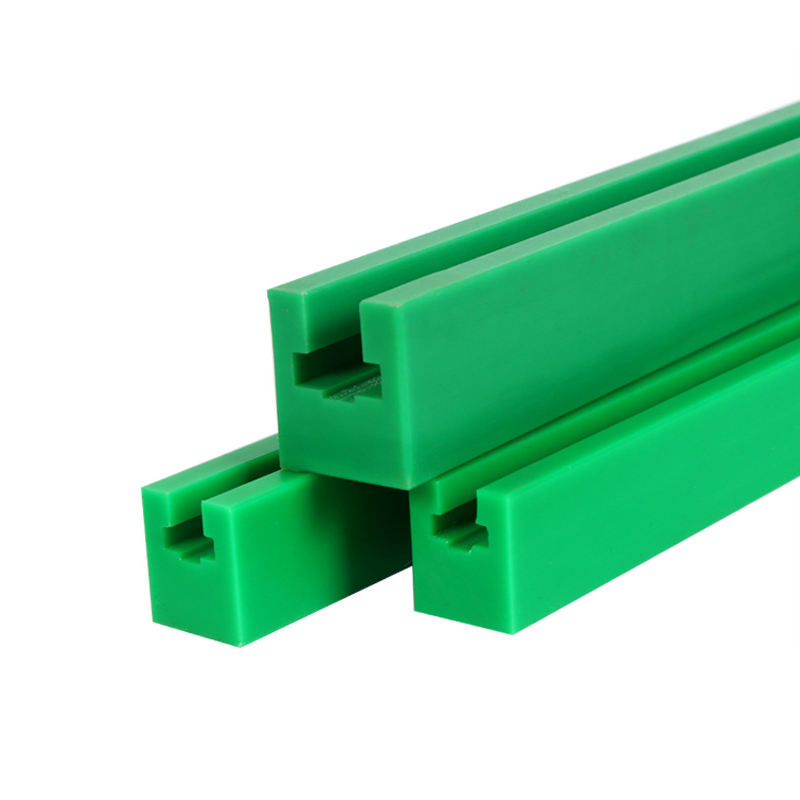
Material selection is a critical aspect of Roller Chain Guide performance. Many designs use engineered plastic due to its low friction, excellent wear resistance, and noise reduction properties. Plastic-based solutions are especially effective in applications where smooth operation and minimal maintenance are priorities.
Metal is also used in certain high-load or extreme-temperature environments. While metal offers high strength, it may require additional lubrication and can contribute to increased noise. Engineers must carefully balance operating conditions, environmental exposure, and performance requirements when selecting Roller Chain Guide material.
Roller Chain Guide Design Considerations for Engineers
When integrating a Roller Chain Guide into a system, engineers must evaluate several design parameters. Load capacity is one of the most important factors, as the guide must withstand continuous chain contact without deformation or excessive wear.
Operating speed also plays a significant role. Higher speeds increase friction and heat generation, making material choice and guide geometry especially important. Environmental conditions such as temperature, moisture, and contamination further influence design decisions.
Mounting configuration is another critical consideration. A properly mounted Roller Chain Guide ensures consistent chain engagement and minimizes misalignment risks that could compromise system performance.
Applications Where Roller Chain Guide Are Essential
A Roller Chain Guide is widely used across industrial applications where controlled chain motion is required. Conveyor systems rely on it to maintain stable product flow and reduce downtime. In packaging machinery, precise chain guidance ensures accurate timing and repeatable motion.
Industrial automation systems also depend on Roller Chain Guide components to support continuous operation and reduce wear in high-cycle environments. In each case, the guide contributes to smoother motion and predictable performance.
Benefits of Using a High-Quality Roller Chain Guide
Selecting a high-quality Roller Chain Guide delivers measurable benefits for engineering systems. Improved chain stability leads to reduced vibration and lower noise levels. Controlled wear extends the service life of both the chain and sprockets.
From a maintenance perspective, proper guidance reduces unplanned downtime and lowers replacement costs. Over time, these advantages translate into improved efficiency and reduced total cost of ownership.
Common Installation Mistakes Engineers Should Avoid
Even the best Roller Chain Guide can underperform if installed incorrectly. Misalignment during installation can create uneven contact and accelerate wear. Insufficient fastening or improper spacing may also reduce guiding effectiveness.
Engineers should ensure precise positioning and follow recommended installation practices to maximize performance and longevity.
Maintenance and Inspection Tips for Roller Chain Guide
Regular inspection helps identify early signs of wear or misalignment. Engineers should check contact surfaces for abnormal wear patterns and ensure fasteners remain secure.
Cleaning debris from the guide path and monitoring chain condition are simple but effective maintenance practices. These steps help preserve consistent performance and prevent premature failure.
How to Choose the Right Roller Chain Guide for Your System
Choosing the correct Roller Chain Guide starts with understanding system requirements. Engineers should evaluate load, speed, environment, and duty cycle before making a selection.
Matching material properties and guide geometry to application demands ensures optimal performance. Consulting technical specifications and testing under real operating conditions further improves selection accuracy.
The Engineering Value of a Well-Designed Roller Chain Guide
A Roller Chain Guide is a fundamental component that directly impacts system performance, reliability, and efficiency. For engineers, understanding its function, design principles, and application value is essential to building robust mechanical systems.
By selecting the right Roller Chain Guide and integrating it correctly, engineers can significantly enhance operational stability, reduce maintenance demands, and achieve long-term performance goals.