
- January 6, 2026
- Posted by: feinuojixie
- Category: Chain Guides News

In demanding industrial applications, equipment is expected to operate continuously under high load, elevated speed, and harsh environmental conditions. Conveyor systems, automated production lines, and heavy-duty material handling equipment all rely on consistent and controlled chain movement. At the center of this reliability is the Roller Chain Guide.
Choosing the right Roller Chain Guide is not a minor design decision. It directly affects system stability, chain wear, noise level, maintenance frequency, and operational safety. In demanding applications, an incorrect guide selection can lead to premature chain failure, unplanned downtime, and costly repairs. A well-chosen Roller Chain Guide, on the other hand, provides long-term performance and protects the entire drive system.
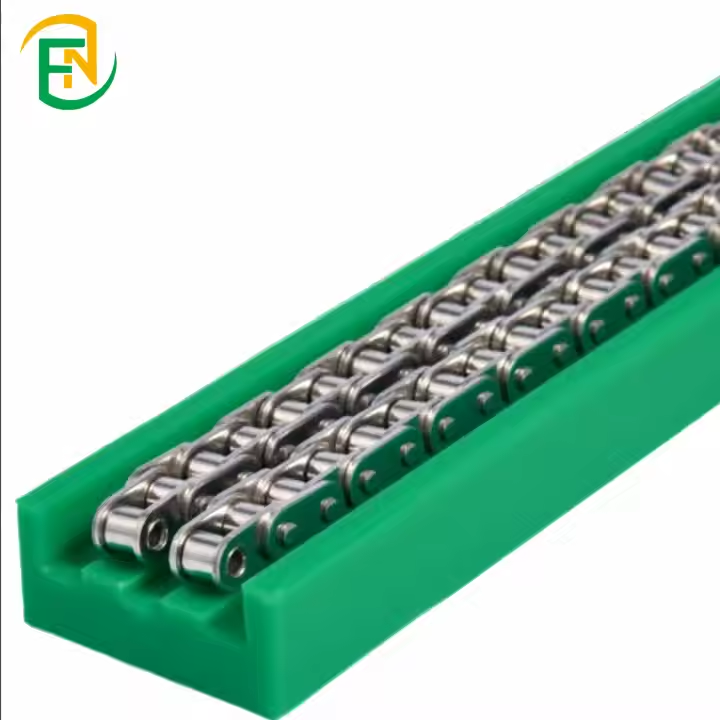
Understanding the Role of a Roller Chain Guide in High-Stress Operating Conditions
A Roller Chain Guide serves as a guiding and supporting component that controls the path of the chain during operation. In high-stress environments, it ensures consistent engagement between the chain and sprocket while preventing lateral movement, vibration, and misalignment.
In demanding applications, the Roller Chain Guide absorbs side loads, minimizes friction, and reduces metal-to-metal contact. This stabilizing function becomes especially important when chains operate at high speed, carry heavy loads, or run in long horizontal or vertical configurations. Without proper guidance, chain systems are far more susceptible to accelerated wear and unexpected failure.
Key Challenges in Demanding Applications That Affect Roller Chain Guide Performance
Demanding applications introduce a combination of mechanical and environmental stresses that directly impact guide performance. High load conditions increase contact pressure between the chain and the Roller Chain Guide. Continuous operation leaves little opportunity for cooling or recovery, intensifying wear.
Environmental factors further complicate performance expectations. Dust, abrasive particles, moisture, chemicals, and extreme temperature can degrade guide material over time. Vibration and shock loading introduce additional stress, making guide stability and mounting integrity essential. Understanding these challenges is the foundation for selecting the right Roller Chain Guide.
Material Selection Considerations for a Roller Chain Guide in Harsh Environments
Material selection is one of the most critical factors when choosing a Roller Chain Guide for demanding applications. The right material must balance strength, wear resistance, friction behavior, and environmental compatibility.
Engineered polymer materials are often preferred due to their low friction, self-lubricating properties, and resistance to corrosion. In applications involving high temperature or chemical exposure, specialized material formulations provide enhanced stability and durability. Selecting a material that matches the operating environment ensures consistent performance and extends service life.
Load Capacity and Structural Design Factors for a Roller Chain Guide
In demanding systems, load capacity goes beyond simple weight support. The Roller Chain Guide must withstand dynamic forces generated by acceleration, deceleration, and impact loading. Structural design elements such as guide profile, wall thickness, and internal reinforcement directly influence load handling capability.
A properly designed Roller Chain Guide distributes load evenly along the chain path, reducing localized stress. Secure mounting and sufficient support spacing prevent deflection and maintain alignment, even under extreme operating conditions. Design precision is essential for maintaining long-term reliability.
Environmental Resistance Requirements for a Roller Chain Guide
Environmental resistance is a defining requirement in demanding applications. Temperature extremes can cause material expansion, contraction, or softening. Moisture and washdown conditions introduce corrosion risk and affect friction characteristics. Chemical exposure can degrade unsuitable materials rapidly.
A Roller Chain Guide designed for demanding environments must maintain mechanical properties across the full operating range. Selecting a guide material with proven resistance ensures stable performance and prevents unexpected degradation that could compromise the entire system.
Precision, Alignment, and Stability Requirements in High-Demand Systems
Precision is often overlooked in heavy-duty applications, yet it plays a vital role in system efficiency. A properly selected Roller Chain Guide maintains accurate chain alignment, reducing side load on sprocket teeth and preventing uneven wear.
Stable guidance minimizes vibration and noise, which is especially important in automated and high-speed systems. Consistent alignment improves power transmission efficiency and enhances overall equipment reliability. In demanding applications, precision directly translates to performance and longevity.
Maintenance, Wear Life, and Total Cost of Ownership Considerations
While initial component cost is important, total cost of ownership is the true measure of value in demanding applications. A high-quality Roller Chain Guide reduces chain wear, lowers lubrication requirements, and extends maintenance intervals.
Longer wear life means fewer replacements and less downtime. Reduced maintenance labor and improved operational uptime contribute to significant cost savings over the system lifetime. Selecting the right Roller Chain Guide is an investment in long-term efficiency rather than a short-term expense.
Custom Roller Chain Guide Solutions for Specialized Demanding Applications
Standard guide solutions are not always sufficient for highly specialized or extreme applications. Custom Roller Chain Guide design allows engineers to address unique load conditions, space constraints, and environmental challenges.
Custom solutions may include tailored profiles, reinforced structures, or specialized material selection. By matching the guide precisely to the application, custom design delivers superior performance and reliability where standard options fall short.
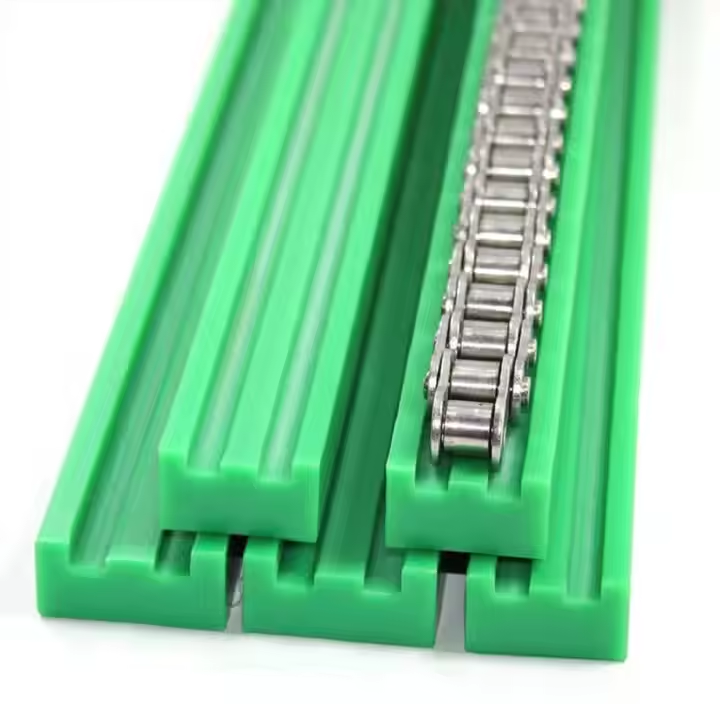
Common Mistakes to Avoid When Choosing a Roller Chain Guide for Demanding Applications
One common mistake is selecting a Roller Chain Guide based solely on size without considering load and environment. Another is overlooking material compatibility with temperature or chemical exposure. Inadequate support spacing and improper mounting are also frequent causes of premature failure.
Avoiding these mistakes requires a comprehensive evaluation of operating conditions and performance expectations. A systematic selection process ensures the guide meets real-world demands.
Making a Confident Roller Chain Guide Selection for Long-Term Success
Choosing the right Roller Chain Guide for demanding applications requires more than a basic specification check. It demands a clear understanding of load conditions, environment, precision requirements, and long-term maintenance goals.
By focusing on material performance, structural design, and application-specific challenges, engineers and designers can make confident decisions. The right Roller Chain Guide delivers stability, efficiency, and durability, ensuring reliable operation even in the most demanding industrial environments.