
- November 4, 2025
- Posted by: feinuojixie
- Category: Injection Molding News
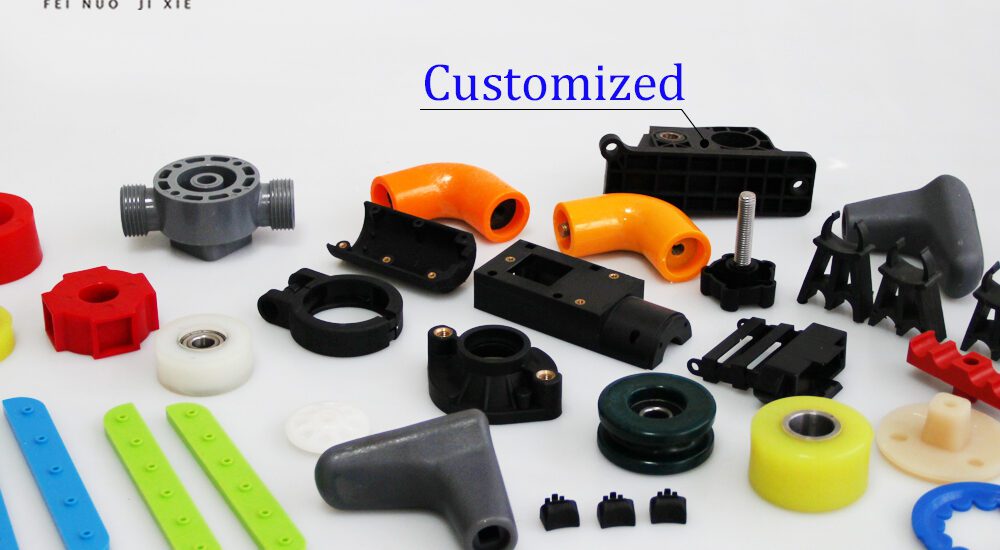
Plastic injection molding part play a crucial role in almost every manufacturing sector—from automotive and electronics to healthcare and consumer goods. They enable mass production of precise, durable, and cost-effective components. However, the process behind creating these parts is complex and requires careful planning, engineering, and execution. Even minor errors in material choice, design, or process control can result in serious defects, increased costs, or production delays.
In this article, we’ll explore ten of the most common mistakes made when working with plastic injection molding part. By understanding and avoiding these pitfalls, manufacturers and designers can achieve higher product quality, better efficiency, and stronger partnerships with their suppliers.
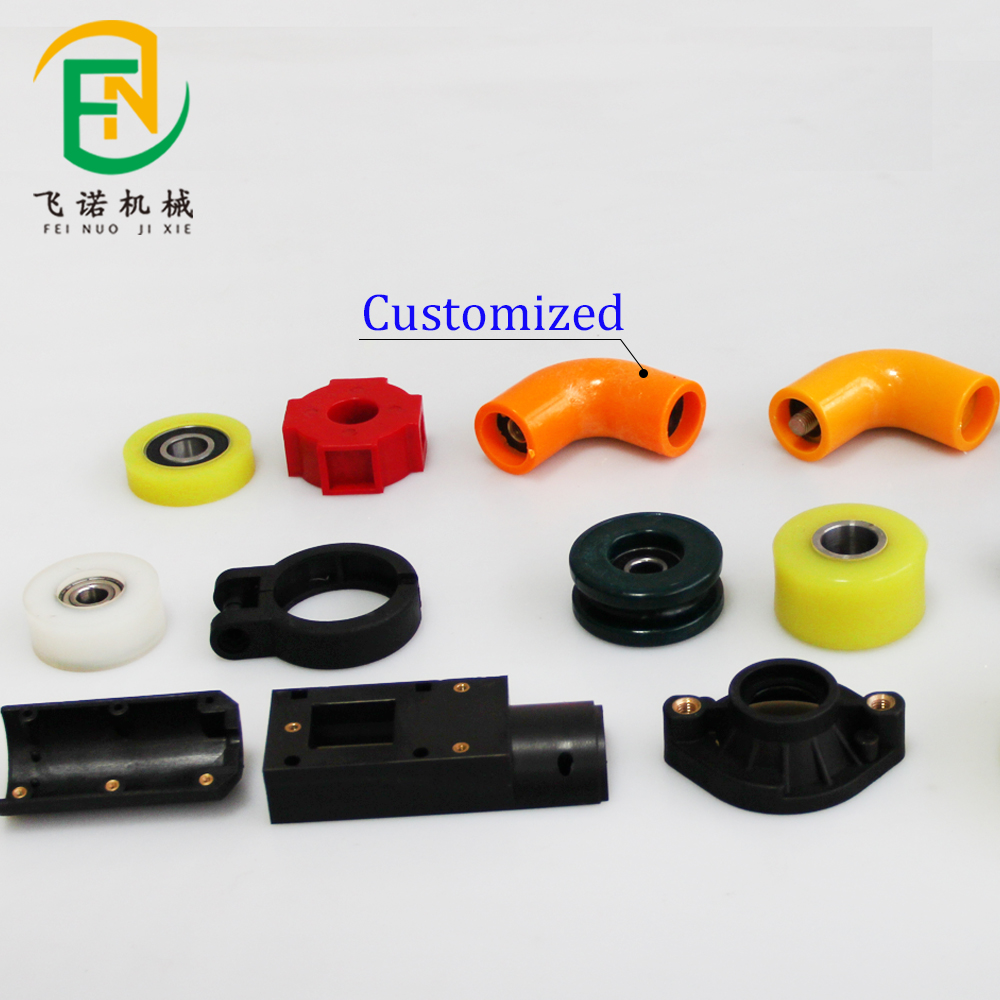
Ignoring Material Selection for Plastic Injection Molding Part
One of the first and most significant decisions in the injection molding process is choosing the right material. Many manufacturers underestimate how much resin choice affects the performance and appearance of the final part. Selecting an unsuitable or low-quality material can lead to brittleness, warping, or discoloration.
Each resin type—such as ABS, polypropylene, or polycarbonate—offers unique properties like impact resistance, flexibility, and heat tolerance. The wrong selection could cause premature part failure or make the product unsuitable for its intended use. To avoid this mistake, always consider the end-use environment, mechanical requirements, and compatibility with additives or colorants before committing to a specific resin.
Overlooking Design for Manufacturability (DFM)
A common mistake when creating plastic injection molding part is failing to apply Design for Manufacturability (DFM) principles. Many designers focus solely on function and appearance without considering how the part will be molded. This often results in undercuts, thin walls, or complex geometries that are difficult and expensive to produce.
Ignoring manufacturability during the design phase can lead to rework, increased tooling costs, and extended project timelines. Collaborating with mold engineers early in the process ensures the design is optimized for molding efficiency. Incorporating draft angles, uniform wall thickness, and simplified part geometry not only reduces defects but also shortens cycle times and improves overall quality.
Poor Mold Design and Maintenance
Even with the best part design, a poorly designed or neglected mold can undermine the entire production process. The mold is the heart of plastic injection molding part manufacturing—its precision determines consistency, dimensional accuracy, and surface finish. Common mold design flaws include inadequate venting, improper gate placement, or uneven cooling channels.
In addition, skipping regular mold maintenance can result in wear, corrosion, or contamination, all of which reduce part quality and production efficiency. Preventive maintenance schedules, proper cleaning, and monitoring of key components such as ejector pins and cooling lines are essential. Investing in high-quality molds and maintaining them properly ensures long-term reliability and lower operational costs.
Inadequate Wall Thickness Control
Wall thickness plays a critical role in the strength, weight, and appearance of plastic injection molding part. Uneven or incorrect thickness can cause a range of problems, including warping, sink marks, and incomplete filling. Too thin, and the part may crack or fail under stress; too thick, and it may lead to longer cooling times and excessive material use.
To prevent these issues, designers should maintain consistent wall thickness throughout the part and use gradual transitions between sections. Simulation software can help predict flow patterns and optimize wall design before production. Balanced wall thickness ensures uniform cooling, structural integrity, and dimensional accuracy, resulting in superior part performance.
Neglecting Proper Cooling System Design
The cooling system often receives less attention than it deserves, yet it has a significant impact on part quality and production speed. Poorly designed cooling channels lead to temperature variations across the mold, causing internal stresses, warpage, or surface imperfections in plastic injection molding part.
A well-planned cooling system maintains uniform temperature distribution, shortens cycle times, and improves dimensional stability. Engineers should design cooling channels close to critical areas while ensuring adequate flow. Using advanced technologies such as conformal cooling can further enhance performance and energy efficiency. Ignoring this aspect can turn an efficient molding operation into a costly bottleneck.
Inconsistent Injection Parameters
Injection molding is a highly precise process that depends on consistent settings for pressure, temperature, and injection speed. Even slight fluctuations can lead to defects like flash, voids, or burn marks on plastic injection molding part. Unfortunately, many operators fail to document or monitor these parameters closely, leading to quality variations between production runs.
Establishing a stable process window and continuously tracking production data helps maintain consistency. Automated monitoring systems and sensors can detect deviations early, reducing scrap rates and improving repeatability. Consistent process control is key to producing parts that meet quality standards every time.
Skipping Prototype Testing Before Full Production
Rushing straight into mass production without proper prototyping is a mistake that can be very costly. Skipping this crucial step often means defects are discovered too late—after hundreds or thousands of plastic injection molding part have already been produced.
Prototyping, whether through 3D printing, soft tooling, or pilot runs, allows engineers to validate design, material performance, and assembly fit. Early testing identifies potential design flaws, shrinkage issues, or assembly challenges before full-scale production begins. This proactive approach saves time, reduces waste, and ensures smoother project execution.
Poor Communication Between Manufacturer and Client
Effective communication is one of the most underrated aspects of successful injection molding projects. Misunderstandings about tolerances, finishes, or delivery timelines can cause production delays and costly rework. Many issues arise simply because project details are not clearly documented or discussed between the client and the manufacturer.
To avoid such problems, establish a transparent communication process that includes regular updates, design reviews, and written agreements. Sharing 3D models, material specifications, and detailed drawings helps align expectations. A collaborative partnership ensures that the final plastic injection molding part meets both functional and aesthetic requirements.
Ignoring Post-Processing and Finishing Details
The work doesn’t end when the part comes out of the mold. Post-processing steps such as trimming, polishing, painting, or coating are essential to achieving the desired look and feel. Ignoring these finishing processes can leave burrs, rough edges, or uneven surfaces that compromise quality and appearance.
Each application requires specific post-processing methods based on the material and intended use. For example, medical components might need polishing and sterilization, while consumer products may require color matching and texture finishes. Proper finishing enhances durability, functionality, and visual appeal, giving plastic injection molding part a professional, high-quality appearance.
Choosing the Wrong Supplier for Plastic Injection Molding Part
Perhaps the most critical decision in any molding project is selecting the right supplier. Many businesses focus solely on price and overlook factors such as experience, equipment capability, or quality control processes. Choosing the wrong supplier can lead to poor communication, missed deadlines, and inconsistent part quality.
A reliable supplier should offer technical expertise, advanced machinery, and a strong track record of successful projects. It’s also important to assess their ability to handle complex designs and tight tolerances. Visiting the facility, reviewing case studies, and checking certifications can help verify reliability. The right supplier acts as a strategic partner who contributes to both cost efficiency and long-term product success.
Conclusion
Working with plastic injection molding part requires precision, collaboration, and attention to detail. Each stage—from design and material selection to production and finishing—plays a crucial role in determining final quality. By avoiding the ten common mistakes discussed above, manufacturers can reduce waste, improve efficiency, and deliver superior products.
Success in injection molding is not just about producing parts—it’s about building a seamless process that integrates engineering expertise, advanced technology, and clear communication. When done right, the result is a product that performs flawlessly, meets specifications, and stands the test of time.