
- November 5, 2025
- Posted by: feinuojixie
- Category: Injection Molding News
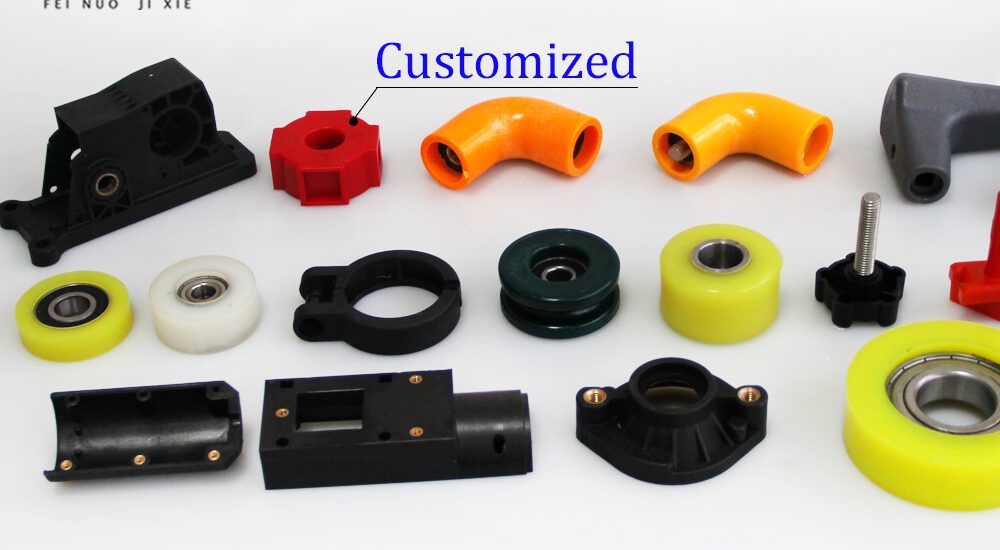
Injection molding part plays a silent yet crucial role in nearly every aspect of modern life—from the casing of your smartphone to components inside your car and medical devices. Despite its ubiquity, few people truly understand how intricate and innovative the process behind it is. Far from being a simple mass-production method, injection molding represents a perfect fusion of design, precision, and efficiency. In this article, we’ll uncover ten fascinating things you probably didn’t know about injection molding part—revealing why it remains one of the most powerful manufacturing technologies ever created.
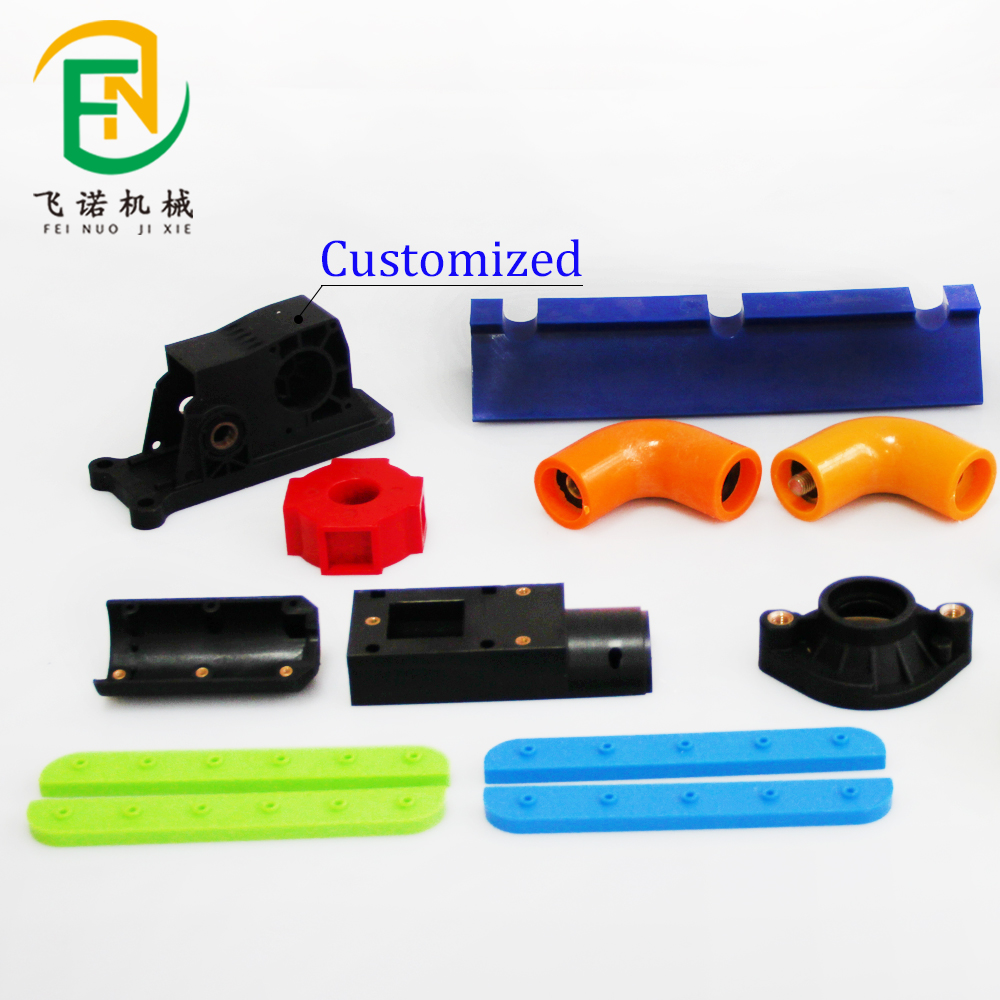
Injection Molding Part Has Been Around Longer Than You Think
While it may seem like a modern innovation, injection molding actually dates back to the late 1800s. The first injection molding machine was invented in 1872 by brothers John and Isaiah Hyatt, who used it to produce small items like buttons and combs from celluloid. Over the decades, the technology has evolved dramatically—from hand-operated equipment to fully automated, computer-controlled systems capable of producing millions of parts with pinpoint precision. Today, injection molding part serves industries ranging from aerospace to consumer electronics, but its humble origins remind us that innovation often starts with simple ideas.
The Process Is Both Art and Science
Creating an injection molding part is much more than just melting plastic and filling a mold—it’s a delicate balance between creativity and precision engineering. Designers must consider the part’s geometry, wall thickness, and cooling patterns, while engineers focus on mold temperature, pressure, and injection speed. Each variable affects the final quality and performance. Modern technology, such as computer-aided design (CAD) and mold flow analysis software, allows manufacturers to simulate how molten material will behave inside the mold before production begins. The result is a process that combines artistic vision with scientific accuracy, producing parts that are both functional and aesthetically refined.
A Single Injection Molding Part Can Contain Multiple Materials
One of the most surprising facts about injection molding is its ability to create a single part from multiple materials. Techniques like overmolding and insert molding make this possible. Overmolding involves injecting one material over another, allowing for products that combine rigidity and softness—like toothbrush handles with comfortable rubber grips. Insert molding, on the other hand, allows metal inserts to be embedded within plastic, often used in electronic connectors or automotive components. This versatility expands design possibilities and enhances functionality, making injection molding an ideal choice for complex product designs.
The Molds Are the Real Stars of the Show
Although the final part often gets all the attention, the mold is where the true magic happens. Each mold is a highly engineered tool, often made from hardened steel or aluminum, and can cost tens of thousands of dollars to design and manufacture. The mold determines every contour, surface finish, and feature of the final part. Even a tiny imperfection in the mold can lead to defects in thousands of produced parts. That’s why mold maintenance, polishing, and precision machining are so critical. In essence, a high-quality mold is the foundation of every perfect injection molding part.
Injection Molding Part Production Is Incredibly Fast
When speed matters, injection molding is unmatched. Once the mold is ready, each cycle—filling, cooling, and ejecting the part—can take just a few seconds. This lightning-fast production speed is what makes injection molding ideal for high-volume manufacturing. From toy components to automotive panels, millions of identical parts can be produced with consistent quality. Automation further accelerates this process, with robotic arms now handling ejection, trimming, and even packaging. In today’s competitive market, the ability to produce high-precision parts in mere seconds provides a significant edge.
The Material Choice Defines the Final Performance
Not all plastics are created equal, and the choice of material plays a decisive role in how an injection molding part performs. Common thermoplastics like ABS, polycarbonate, and polypropylene each bring distinct properties—impact resistance, clarity, or flexibility. Engineers also modify materials with fillers, glass fibers, or UV stabilizers to enhance strength, durability, and longevity. For instance, a medical-grade part requires biocompatibility and sterilization resistance, while an automotive component must withstand heat and stress. Selecting the right material ensures that each part not only looks right but also performs reliably under demanding conditions.
Sustainability Is a Growing Priority in Injection Molding
As industries move toward greener manufacturing, injection molding is undergoing a sustainability transformation. Recycled resins and bio-based plastics are becoming increasingly popular. Manufacturers are optimizing designs to reduce material waste and regrind leftover plastic into reusable pellets. Energy-efficient machines also help lower carbon footprints. Some companies even use closed-loop systems to recycle water and minimize cooling energy. The shift toward eco-conscious production shows that injection molding can be both economically and environmentally responsible—a key step toward a more sustainable manufacturing future.
Precision Can Reach Micron-Level Accuracy
One of the lesser-known facts about injection molding part is its astounding precision. Modern machines can produce parts with tolerances as tight as a few microns, allowing for flawless fits and smooth surfaces. This level of accuracy is essential in industries like medical devices, electronics, and aerospace, where even a fraction of a millimeter matters. High-precision molding not only ensures performance but also reduces the need for post-processing or assembly adjustments. Achieving such precision requires advanced mold design, precise temperature control, and high-quality materials—all working in harmony.
Injection Molding Part Design Greatly Impacts Efficiency
Design plays a crucial role in the success of any injection molding project. A well-thought-out design reduces production costs, prevents defects, and shortens lead times. Engineers apply the principle of design for manufacturability (DFM), ensuring that parts can be easily molded without warping, sink marks, or unnecessary complexity. Common features like draft angles, uniform wall thickness, and proper gate placement help achieve smoother production. Poor design choices, on the other hand, can lead to costly rework and wasted materials. Ultimately, a smart design is the backbone of efficient and reliable injection molding.
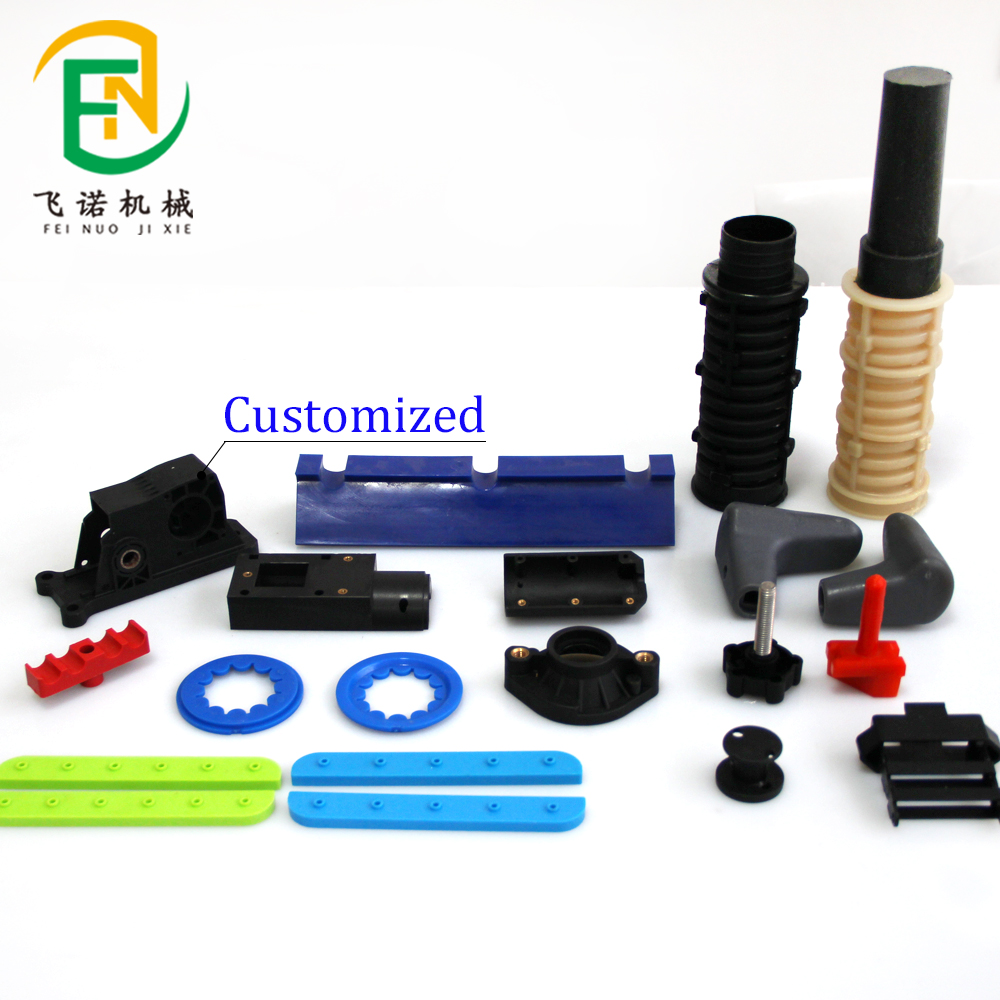
The Future of Injection Molding Part Is Smart and Connected
The next era of injection molding is being shaped by Industry 4.0 technologies—automation, artificial intelligence, and data analytics. Smart molding machines can now monitor every stage of the process in real-time, adjusting parameters automatically to maintain quality. Predictive maintenance systems alert technicians before a machine breaks down, preventing downtime. Digital twins—virtual replicas of molds and machines—allow for faster troubleshooting and optimization. These innovations are turning injection molding into a fully connected, intelligent process that continuously learns and improves, setting the stage for a new generation of manufacturing excellence.
Conclusion
From its 19th-century origins to its modern, AI-powered evolution, injection molding part has come a long way. Behind every plastic component lies a story of innovation, precision, and design mastery. Whether it’s a simple household item or a high-performance industrial component, each part reflects decades of engineering advancement. As sustainability and smart manufacturing reshape the industry, injection molding continues to prove that it’s not just a production method—it’s a driving force of modern innovation. The next time you hold a molded product, you’ll know there’s far more to it than meets the eye.