
- November 26, 2025
- Posted by: feinuojixie
- Category: Chain Guides News
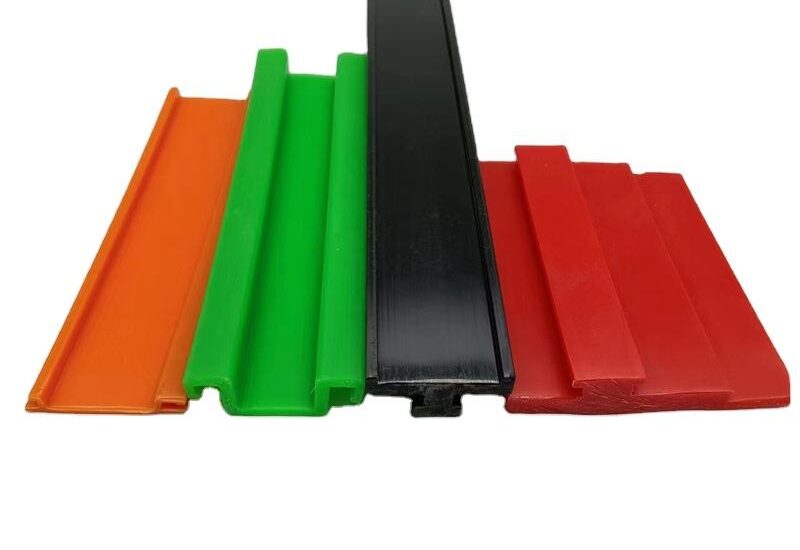
In today’s fast-paced manufacturing environment, smooth, reliable, and low-maintenance operation is everything. Even a slight increase in friction or a small alignment flaw can slow production, raise operating costs, and shorten the life of expensive machinery. This is exactly why a high-quality plastic wear strip plays such a critical role.
Designed to reduce drag, absorb impact, minimize vibration, and shield metal surfaces from damage, a plastic wear strip instantly solves problems that otherwise require constant maintenance and costly repair. Whether used in conveyor systems, packaging equipment, or automated handling machines, choosing the right material and design ensures immediate, noticeable performance improvements.
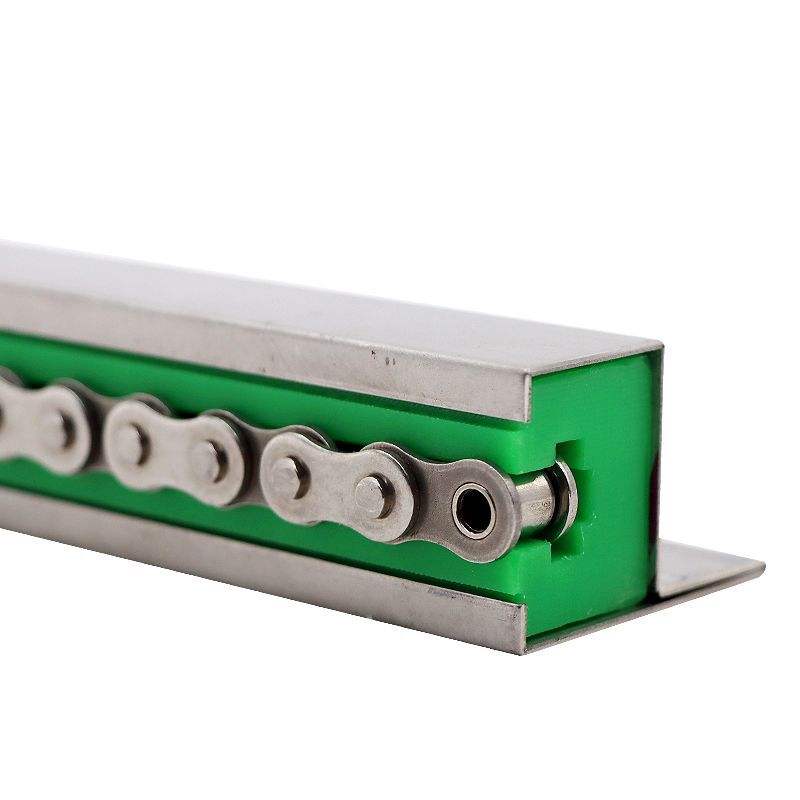
Problem 1: Excessive Friction — How a Plastic Wear Strip Reduces Drag and Boosts Efficiency
Friction is one of the most common performance killers in fast-moving production equipment. When components slide directly against metal surfaces, drag increases, motion becomes inconsistent, and energy consumption rises. A high-quality plastic wear strip provides a low-friction interface that transforms how equipment moves.
Materials such as UHMW-PE, HDPE, and nylon offer naturally slick surfaces that allow chains, belts, and guided parts to glide smoothly with minimal resistance. The result is immediate: quieter operation, more stable speed, and reduced power demand. By lowering drag at every contact point, a plastic wear strip significantly boosts overall system efficiency, even under heavy loads or high-speed conditions.
Problem 2: Frequent Equipment Wear — How a Plastic Wear Strip Protects Metal Components from Damage
Metal-to-metal contact is one of the main reasons equipment wears out long before its expected service life. Direct abrasion grinds down surfaces, creates heat buildup, and leads to costly part replacements. A plastic wear strip works as a protective buffer that absorbs wear instead of letting expensive metal components take the damage.
Because the strip is engineered as a sacrificial yet durable layer, it can handle repeated sliding, impact, and load without transferring stress to the underlying parts. This protection mechanism dramatically slows down the wear rate of metal guides, conveyor frames, and structural components. Investing in a better strip means preserving the integrity of the entire machine—and saving money on repair or replacement.
Problem 3: Loud Operating Noise — How a Plastic Wear Strip Creates Quieter, More Stable Production Lines
Noise pollution is more than a comfort issue; it can lead to safety risks, worker fatigue, and quality-control problems. Many production lines produce excessive noise simply because moving parts are sliding or impacting hard surfaces. A plastic wear strip offers natural damping properties that absorb sound and reduce vibration.
Unlike metal alternatives, engineering plastics cushion movement instead of amplifying it. This helps achieve smoother motion, quieter workflows, and a more stable environment for sensitive processes like packaging, labeling, or inspection. With a high-quality plastic wear strip installed, operators can immediately notice the noise drop—often by several decibels—creating a safer and more pleasant workspace.
Problem 4: Costly Maintenance Downtime — How a Plastic Wear Strip Minimizes Service Intervals
Unplanned maintenance is one of the biggest hidden costs in manufacturing. When sliding components wear out or create misalignment, the entire system may need to stop for adjustments or part replacement. A durable, long-lasting plastic wear strip minimizes this downtime by offering exceptional resistance to wear, impact, and chemical exposure.
Because it is designed to last far longer than standard alternatives, the strip significantly reduces how often maintenance teams must intervene. Its predictable wear pattern also allows for scheduled service rather than emergency shutdowns. With fewer interruptions and smoother operation, facilities benefit from better output, lower labor costs, and greater overall reliability.
Problem 5: Misalignment and Vibration — How a Plastic Wear Strip Improves Stability and Accuracy
Misalignment issues often lead to vibration, inconsistent movement, and quality defects in finished products. Even a slight deviation can cause chains or guided components to wobble, impacting precision and efficiency. A properly engineered plastic wear strip helps stabilize critical contact points and ensures consistent motion paths.
Its ability to conform slightly under load while maintaining structural rigidity makes it ideal for guiding chains, belts, or sliding components. By absorbing vibration and ensuring proper alignment, the strip enhances accuracy in automated systems and high-speed conveyors. The instant improvement in stability reduces error rates and protects the equipment from long-term mechanical stress.
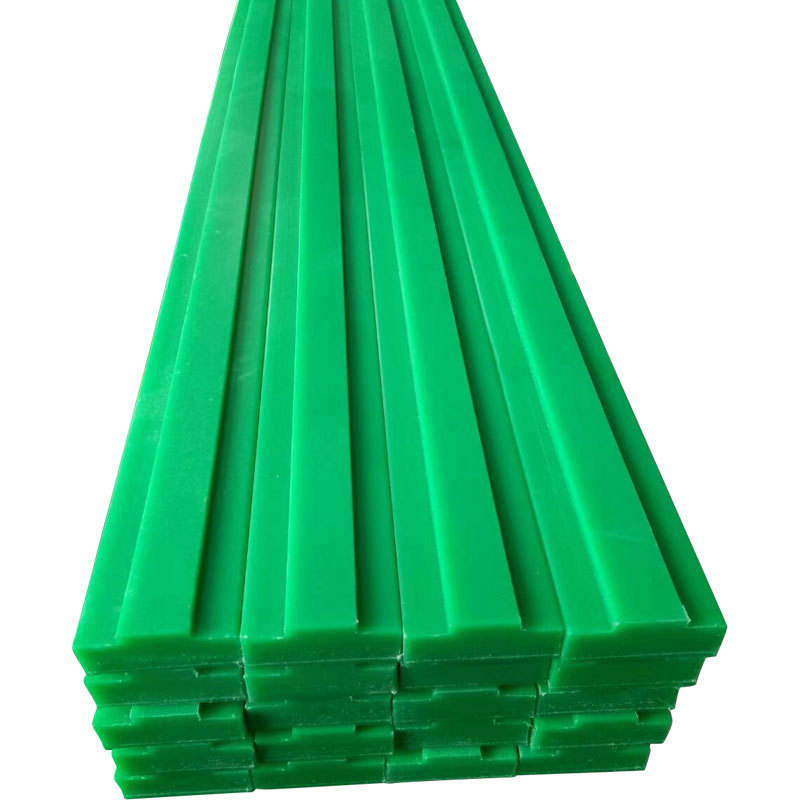
Conclusion: Why Investing in a Quality Plastic Wear Strip Pays Off Immediately
A well-selected plastic wear strip solves multiple problems the moment it is put into service. From reducing friction and preventing wear to lowering noise and stabilizing movement, its benefits extend across every part of a production system. The right strip not only improves daily performance but also lowers maintenance costs and extends the lifespan of critical equipment.
For manufacturers seeking smoother operation, fewer breakdowns, and better long-term value, investing in a high-quality plastic wear strip is one of the simplest and most cost-effective upgrades available.