
- September 29, 2025
- Posted by: feinuojixie
- Category: Chain Guides News

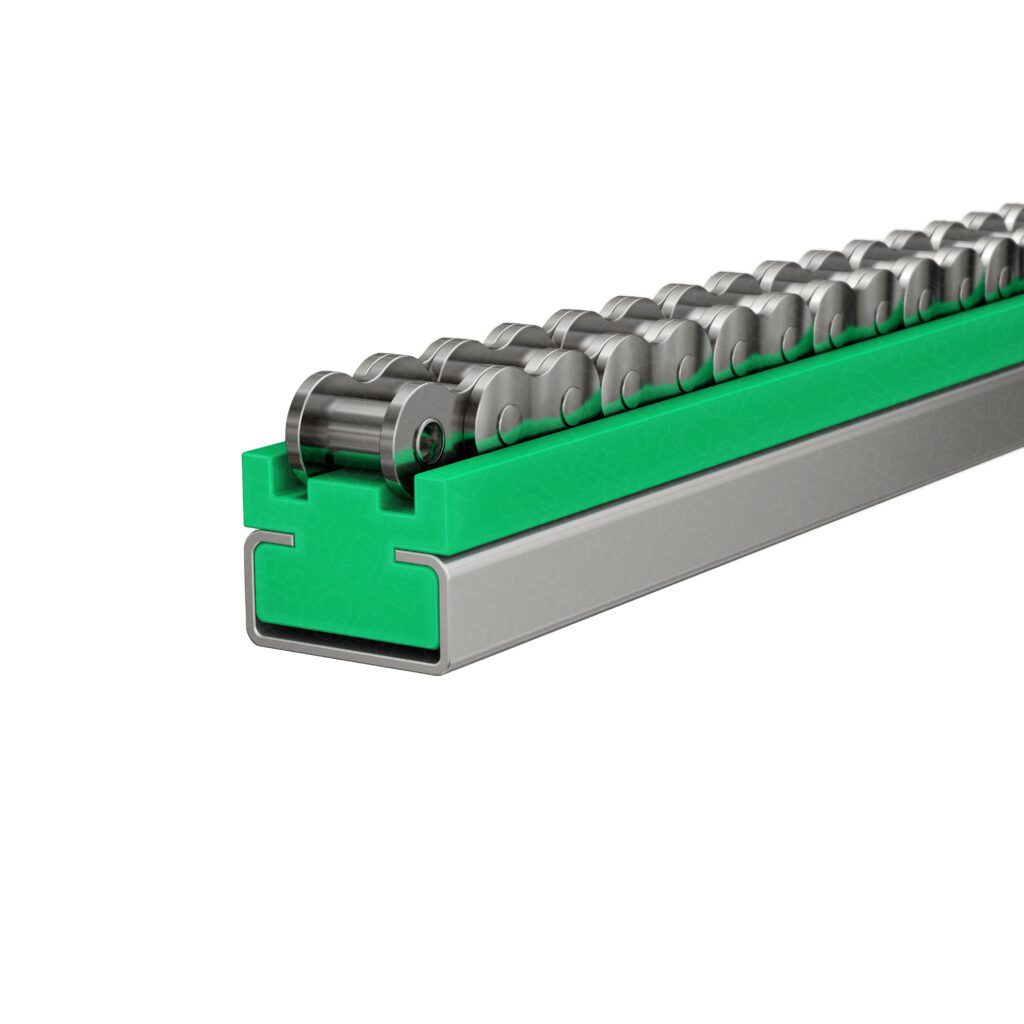
Ultra-High Molecular Weight (UHMW) guide rails have become an integral part of numerous industries, playing a crucial role in enhancing the efficiency and reliability of various mechanical systems. Their unique properties, such as high wear resistance, low friction coefficient, and excellent chemical resistance, make them a preferred choice for applications where smooth and precise motion is required. From manufacturing and automation to packaging and material handling, UHMW guide rails are used in a wide range of industries to ensure the seamless operation of equipment and machinery.
However, choosing the right UHMW guide rails for your specific industry needs is not a decision to be taken lightly. There are several critical factors that must be carefully considered to ensure optimal performance and long-term cost-effectiveness. In this blog post, we will explore the five key factors that you should keep in mind when selecting UHMW guide rails for your industry, helping you make an informed decision and maximize the benefits of this essential component.
Material Properties
Durability
UHMW guide rails are renowned for their exceptional durability. Made from a high – molecular – weight polyethylene material, they can withstand heavy loads and continuous use without significant wear and tear. This is in contrast to many traditional materials, such as metal guide rails, which are prone to corrosion and fatigue over time. For example, in a manufacturing plant where equipment operates for long hours every day, UHMW guide rails can maintain their structural integrity and performance far longer than metal alternatives. Their high abrasion resistance ensures that they can handle the friction generated by moving parts, reducing the need for frequent replacements and maintenance. This durability not only saves time and money in the long run but also improves the overall productivity of the machinery.
Chemical Resistance
Another key material property of UHMW guide rails is their excellent chemical resistance. They are highly resistant to a wide range of chemicals, including acids, alkalis, and solvents. This makes them an ideal choice for industries such as the chemical industry, where equipment is often exposed to harsh chemical substances. In a chemical processing plant, UHMW guide rails can be used in conveyors and machinery without being affected by the corrosive nature of the chemicals being processed. They do not react with most chemicals, preventing degradation and ensuring a long – lasting and reliable operation. This chemical resistance also extends to applications in the food and beverage industry, where cleanliness and resistance to cleaning agents are crucial. UHMW guide rails can be easily cleaned with various chemical – based cleaners without being damaged, maintaining a hygienic environment.
Low Friction Coefficient
UHMW has an extremely low friction coefficient, which is a significant advantage in many industrial applications. A low friction coefficient means that less force is required to move objects along the guide rails. This not only improves the efficiency of the equipment but also reduces energy consumption. For instance, in a precision instrument like a semiconductor manufacturing machine, where even the slightest friction can affect the accuracy of the process, UHMW guide rails provide smooth and precise movement. The low friction allows for faster and more accurate positioning of components, resulting in higher – quality products. In material handling systems, the reduced friction enables easier movement of heavy loads, making the operation more efficient and less strenuous on the equipment’s motors and other components.
Load – Bearing Capacity
Static Load Capacity
Static load capacity refers to the maximum amount of stationary weight that a UHMW guide rail can support without undergoing permanent deformation or failure. When determining the static load capacity required for your application, it’s essential to consider the weight of all the components that will rest on the guide rails. For example, in a large – scale industrial conveyor system that transports heavy raw materials like steel coils, the static load capacity of the UHMW guide rails must be sufficient to bear the weight of the coils when they are stationary on the conveyor. To calculate the static load, you need to know the mass of the objects being supported and the gravitational force acting on them. Once you have this value, you can compare it with the static load capacity ratings provided by the guide rail manufacturers. Selecting guide rails with a static load capacity that comfortably exceeds the expected load in your application will ensure long – term stability and prevent premature wear or damage to the guide rails.
Dynamic Load Capacity
Dynamic load capacity is equally important, especially in applications where the objects on the guide rails are in motion. It represents the maximum load that the guide rails can handle while in operation, taking into account factors such as acceleration, deceleration, and vibration. In high – speed automated machinery, like pick – and – place robots used in electronics manufacturing, the dynamic load capacity of the UHMW guide rails plays a critical role. These robots move at rapid speeds, and the guide rails must be able to support the weight of the robotic arms and the components they are handling while withstanding the forces generated during acceleration and deceleration. If the dynamic load capacity is insufficient, the guide rails may experience excessive wear, misalignment, or even failure, leading to production disruptions and costly repairs. Manufacturers typically provide dynamic load capacity ratings based on specific test conditions. When choosing guide rails for high – speed or high – acceleration applications, it’s crucial to select ones with an appropriate dynamic load capacity to ensure smooth and reliable operation.
Precision and Tolerance
Dimensional Accuracy
Dimensional accuracy is a critical aspect when choosing UHMW guide rails. In many industrial applications, the guide rails need to fit precisely within the equipment’s structure, and any deviation in dimensions can lead to improper functioning. For example, in a high – precision CNC (Computer Numerical Control) machine, the UHMW guide rails must have exact dimensions to ensure that the cutting tools move with the required accuracy. If the guide rails are too wide or too narrow, it can cause misalignment of the moving parts, resulting in inaccurate cuts, poor surface finishes of the products, and even damage to the machine over time. In the aerospace industry, where components are manufactured to extremely tight tolerances, the dimensional accuracy of UHMW guide rails used in manufacturing and assembly equipment is of utmost importance. Even a minor deviation in the dimensions of the guide rails can compromise the integrity and performance of the aerospace components, which can have serious safety implications.
Tolerance Range
The tolerance range of UHMW guide rails refers to the acceptable amount of variation in their dimensions. Understanding this range is crucial as it determines how well the guide rails will work in a particular application. Different industries and applications have different tolerance requirements. For instance, in a general – purpose conveyor system used in a warehouse, the tolerance range can be relatively larger compared to a semiconductor manufacturing facility. In the semiconductor industry, where the manufacturing processes involve handling of tiny components with nanometer – scale precision, the tolerance range of the UHMW guide rails must be extremely small. To ensure that the guide rails’ tolerance meets the equipment’s needs, it is essential to work with reputable manufacturers who can provide accurate tolerance specifications. Before purchasing, you should carefully review these specifications and, if possible, test the guide rails in a sample setup similar to the actual application. This way, you can verify that the guide rails’ tolerance range is suitable and that they will function properly within the equipment, minimizing the risk of operational issues and ensuring high – quality performance.
Cost – Benefit Analysis
Initial Cost
When considering UHMW guide rails, the initial cost is often one of the first factors that come to mind. The price of UHMW guide rails can vary significantly depending on the brand and quality. For example, well – established and high – quality brands may have a higher upfront cost compared to lesser – known or budget – friendly options. A high – quality UHMW guide rail from a reputable manufacturer might cost more per unit due to its superior material quality, precise manufacturing processes, and better quality control. On the other hand, some lower – cost brands may offer a more affordable initial purchase price but could potentially lack in terms of durability and performance.
It’s important to note that while a lower initial cost might seem appealing, it shouldn’t be the sole determining factor. You need to balance the upfront investment with the expected performance and lifespan of the guide rails. Cheaper guide rails might require more frequent replacements, which can end up costing more in the long run. By comparing the initial costs of different brands and quality levels, you can get a better understanding of the financial commitment required at the start of your project.
Long – Term Cost
The long – term cost of UHMW guide rails goes beyond just the initial purchase price. Maintenance costs play a significant role in the overall expense. UHMW guide rails are generally known for their low maintenance requirements compared to some other materials. However, over time, they may still need occasional cleaning, lubrication, or minor adjustments. For example, in a dusty industrial environment, the guide rails may need to be cleaned more frequently to prevent the accumulation of debris that could affect their performance.
The frequency of replacement is another crucial aspect of long – term cost. High – quality UHMW guide rails, with their excellent durability, are likely to have a longer lifespan and thus a lower replacement frequency. In contrast, lower – quality guide rails may need to be replaced more often due to wear and tear, especially in high – stress applications. Each replacement not only incurs the cost of the new guide rails but also the cost of labor for installation and any potential downtime during the replacement process.
To conduct a comprehensive cost – benefit analysis, you should estimate the long – term costs over the expected lifespan of the equipment in which the UHMW guide rails will be used. This includes factoring in the maintenance costs, replacement costs, and any potential losses due to equipment downtime. By doing so, you can determine which UHMW guide rails offer the best value for money in the long term, even if they have a higher initial cost.
Compatibility and Installation
Compatibility with Existing Systems
Ensuring compatibility with existing systems is crucial when choosing UHMW guide rails. In most industrial settings, the guide rails need to integrate seamlessly with the current equipment, machinery, and infrastructure. For example, if you are upgrading the guide rails in an automated assembly line, the new UHMW guide rails must be compatible with the existing conveyor belts, robotic arms, and other components of the line.
Incompatibility can lead to a host of problems, such as misalignment of moving parts, increased wear and tear on the guide rails and other equipment, and even complete system failures. To ensure compatibility, you should first thoroughly review the technical specifications of your existing systems. This includes dimensions, mounting methods, and any specific interface requirements. Then, compare these specifications with those of the UHMW guide rails you are considering. It’s also a good idea to consult with the manufacturer of the guide rails, as they can provide valuable insights and advice on whether their products are suitable for your particular system. In some cases, custom – made UHMW guide rails may be necessary to achieve optimal compatibility.
Ease of Installation
The ease of installation of UHMW guide rails can have a significant impact on the overall project timeline and cost. In industrial applications, time is often of the essence, and any delays in installation can lead to production disruptions and increased costs. UHMW guide rails that are easy to install can save both time and labor costs.
Some UHMW guide rails come with pre – drilled holes and simple mounting mechanisms, which can greatly simplify the installation process. For example, a snap – fit or bolt – on design allows for quick and straightforward attachment to the equipment’s frame. When evaluating the ease of installation, consider the tools and skills required. If the installation process requires specialized and expensive tools or highly skilled technicians, it may increase the overall cost and complexity of the project.
During installation, several precautions should be taken. First, make sure to follow the manufacturer’s installation instructions carefully. These instructions typically include torque specifications for bolts, alignment guidelines, and any special handling requirements. Additionally, proper cleaning and preparation of the installation surface are essential. Any dirt, debris, or oil on the surface can affect the adhesion or stability of the guide rails. Regularly checking the alignment and tightness of the guide rails during and after installation can also help to ensure proper functioning and prevent premature wear. By considering the ease of installation and taking the necessary precautions, you can ensure a smooth and efficient installation process for your UHMW guide rails.

Making the Right Decision
In conclusion, choosing the right UHMW guide rails for your industry is a decision that requires careful consideration of multiple factors. The material properties of UHMW, including its durability, chemical resistance, and low friction coefficient, are fundamental to its performance in different industrial environments. Understanding the load – bearing capacity, both static and dynamic, ensures that the guide rails can handle the demands of your equipment without failure or excessive wear.
Precision and tolerance are crucial for applications that require high – accuracy movement, as even the slightest deviation can lead to significant issues. Conducting a comprehensive cost – benefit analysis helps you balance the initial investment with the long – term costs, ensuring that you get the best value for your money. Finally, compatibility with existing systems and ease of installation are practical considerations that can save time, effort, and potential headaches during the implementation process.
By taking the time to evaluate these five critical factors, you can make an informed decision and select UHMW guide rails that are not only suitable for your current needs but also contribute to the long – term efficiency, reliability, and cost – effectiveness of your industrial operations. Remember, investing in the right UHMW guide rails is an investment in the success of your business.