
- December 17, 2025
- Posted by: feinuojixie
- Category: Chain Guides News
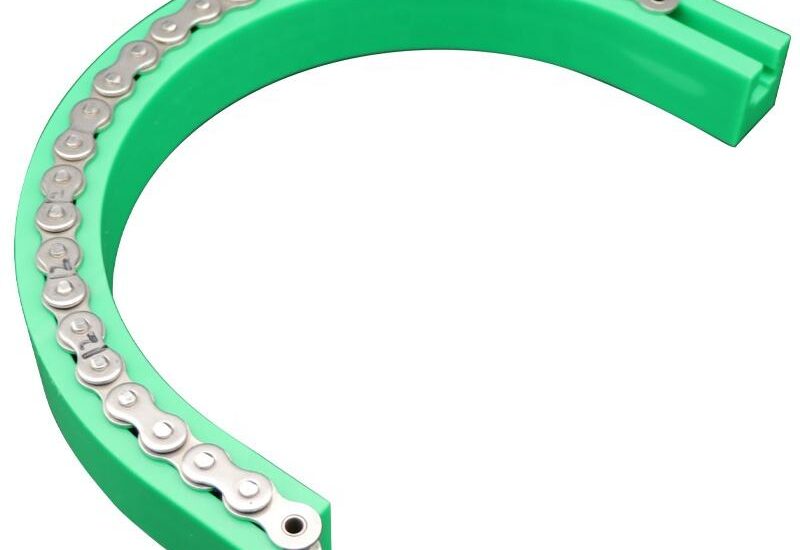
In modern engineering systems, the Plastic Guide is no longer a minor component hidden within machinery. It plays a vital role in ensuring smooth motion, stable alignment, and consistent performance across a wide range of industrial applications. From automated production lines to high-speed conveying systems, the correct Plastic Guide selection directly affects reliability, efficiency, and equipment lifespan.
Engineers today face increasing demands for precision, durability, and cost control. A poorly selected Plastic Guide can lead to excessive wear, unexpected downtime, increased noise, and higher maintenance expenses. On the other hand, a well-chosen Plastic Guide helps reduce friction, protect moving components, and maintain operational stability even under challenging conditions.
This Plastic Guide selection guide is designed to give engineers a clear, practical understanding of what truly matters during the selection process. Rather than focusing on generic specifications alone, it explores performance factors, application demands, and real-world operating conditions that influence long-term success. By understanding these essentials, engineers can make confident decisions that support both immediate performance and long-term system reliability.
Understanding What a Plastic Guide Really Does in Mechanical Systems
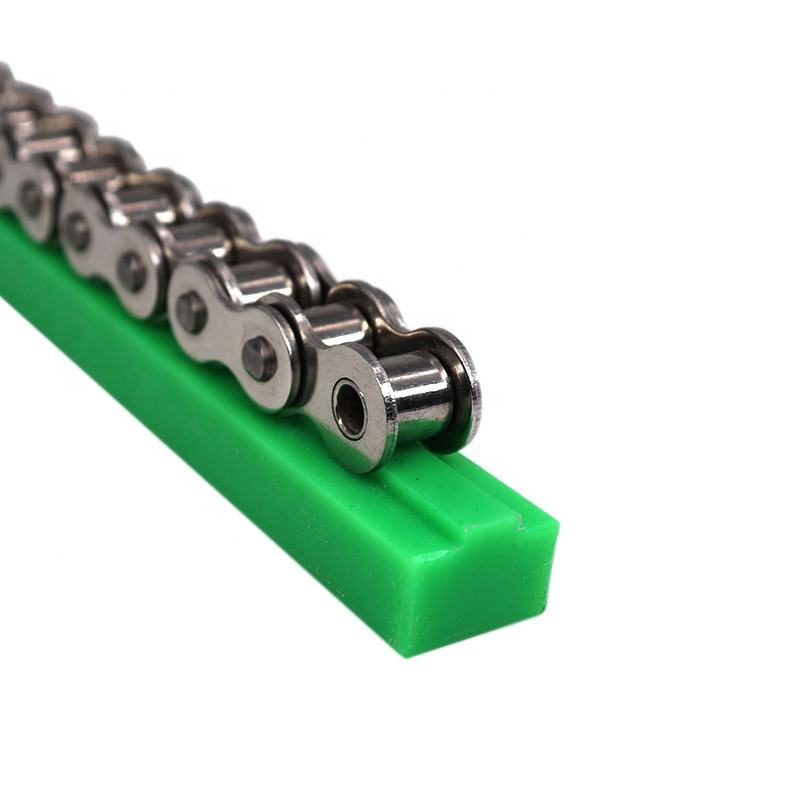
At its core, a Plastic Guide is designed to control motion and maintain alignment between moving components. It ensures that parts travel along a defined path while minimizing resistance and preventing unwanted lateral movement. This controlled guidance is essential for maintaining accuracy and repeatability in mechanical systems.
Beyond basic motion control, a Plastic Guide acts as a protective interface between components. By absorbing friction and distributing contact forces evenly, it reduces direct wear on metal parts and sensitive surfaces. This function is especially important in systems where continuous movement, high cycle rates, or precision positioning are required.
Another critical role of the Plastic Guide is operational stability. Properly designed and selected, it helps dampen vibration, reduce noise, and prevent binding or misalignment during operation. These benefits contribute to smoother performance, improved product quality, and a safer working environment.
Understanding these fundamental functions allows engineers to move beyond surface-level specifications and evaluate how a Plastic Guide will perform within the complete system. This knowledge forms the foundation for every selection decision that follows.
Key Engineering Applications Where Plastic Guide Plays a Critical Role
The Plastic Guide is widely used across many engineering fields because of its versatility and reliable performance. In conveyor systems, it ensures stable product flow, accurate tracking, and reduced friction during continuous operation. This is especially important in packaging, food processing, and logistics environments where uptime and consistency are critical.
In automated machinery, a Plastic Guide supports precise linear movement for pick-and-place systems, robotic arms, and assembly stations. Its ability to maintain alignment while minimizing wear helps engineers achieve repeatable accuracy over long production cycles. Heavy-duty equipment also relies on Plastic Guide solutions to guide large moving components while reducing stress on drive systems.
These diverse applications demonstrate that Plastic Guide selection must be closely tied to real operating conditions rather than theoretical specifications alone.
Material Options That Define Plastic Guide Performance
Material choice is one of the most influential factors in Plastic Guide performance. Different plastic formulations offer varying levels of strength, wear resistance, and environmental stability. Engineering-grade materials are often selected for applications requiring long service life and consistent motion under load.
Some Plastic Guide materials are optimized for low friction and self-lubricating behavior, making them ideal for dry-running systems. Others are designed to withstand chemical exposure, moisture, or temperature fluctuations. Engineers must carefully balance these material properties with application demands to ensure optimal performance.
Choosing the right material not only improves functionality but also reduces maintenance frequency and replacement costs over time.
Load Capacity Considerations When Selecting a Plastic Guide
Load capacity directly affects how a Plastic Guide performs in real-world conditions. Engineers must evaluate both static load, which represents constant pressure, and dynamic load, which occurs during movement and acceleration.
A Plastic Guide operating near or beyond its load limit may deform, wear prematurely, or lose dimensional stability. This can lead to misalignment, increased friction, and system inefficiency. Selecting a Plastic Guide with adequate load margin ensures smoother operation and longer service life.
Proper load assessment also helps prevent unexpected failures that can disrupt production schedules and increase downtime.
Friction and Wear Behavior Engineers Must Evaluate
Friction and wear behavior are central to Plastic Guide performance. Low friction reduces energy consumption and heat generation, while controlled wear ensures predictable service life. Many Plastic Guide materials are engineered to offer consistent friction characteristics without external lubrication.
Engineers should consider contact surface finish, speed of movement, and load distribution when evaluating wear behavior. A Plastic Guide that wears evenly and slowly will maintain alignment and performance far longer than one that experiences localized abrasion.
Understanding these factors allows engineers to optimize efficiency while protecting critical system components.
Environmental Factors That Impact Plastic Guide Selection
Operating environment plays a major role in Plastic Guide selection. Temperature extremes can affect material stiffness and dimensional stability, while moisture exposure may influence friction behavior and wear rate.
Chemical exposure is another key consideration. Certain environments involve oils, cleaning agents, or corrosive substances that can degrade unsuitable materials. A properly selected Plastic Guide resists these influences and maintains consistent performance.
Dust, debris, and particulate contamination also affect longevity. Engineers should select a Plastic Guide material that minimizes particle adhesion and supports smooth operation in challenging conditions.
Precision and Tolerance Requirements for Plastic Guide Design
Precision is critical in applications where accuracy and repeatability are required. A Plastic Guide with tight dimensional tolerance ensures smooth motion and consistent alignment throughout operation.
Loose tolerance may lead to vibration, noise, or positional inaccuracies, while overly tight tolerance can cause binding or increased friction. Engineers must balance precision requirements with practical manufacturing considerations.
Selecting a Plastic Guide designed for the appropriate tolerance range helps maintain system stability and performance over time.
Noise Reduction and Vibration Control Benefits of Plastic Guide
One often overlooked advantage of a Plastic Guide is its ability to reduce noise and vibration. Compared to harder materials, plastic naturally dampens sound and absorbs micro-vibrations during movement.
This makes Plastic Guide solutions ideal for environments where noise control is important, such as automated production lines and enclosed machinery. Reduced vibration also protects surrounding components from fatigue and loosening.
The result is smoother operation, improved operator comfort, and extended equipment lifespan.
Installation and Compatibility Factors Engineers Should Not Overlook
Even the best Plastic Guide design can underperform if installation is not properly considered. Engineers must ensure compatibility with existing mounting structures, fasteners, and alignment systems.
Ease of installation reduces assembly time and minimizes the risk of misalignment. A Plastic Guide that integrates smoothly into the system design supports faster commissioning and more reliable operation.
Compatibility with replacement parts and future upgrades should also be considered during the selection process.
Maintenance Expectations and Service Life Planning
A well-selected Plastic Guide significantly reduces maintenance demands. Many designs are engineered for maintenance-free operation, eliminating the need for frequent lubrication or adjustment.
Engineers should consider expected service life when planning system maintenance schedules. A Plastic Guide with predictable wear behavior allows for planned replacement rather than unexpected failure.
This proactive approach helps reduce downtime, improve productivity, and control long-term operating cost.
Common Plastic Guide Selection Mistakes Engineers Should Avoid
One common mistake is selecting a Plastic Guide based solely on price rather than performance requirements. This often leads to early wear, frequent replacement, and higher overall cost.
Another mistake is ignoring environmental factors or load conditions during selection. A Plastic Guide that performs well in one application may fail quickly in another if conditions differ.
Engineers should also avoid overlooking tolerance and installation requirements, as these factors directly affect system reliability.
How to Match Plastic Guide Selection with System Performance Goals
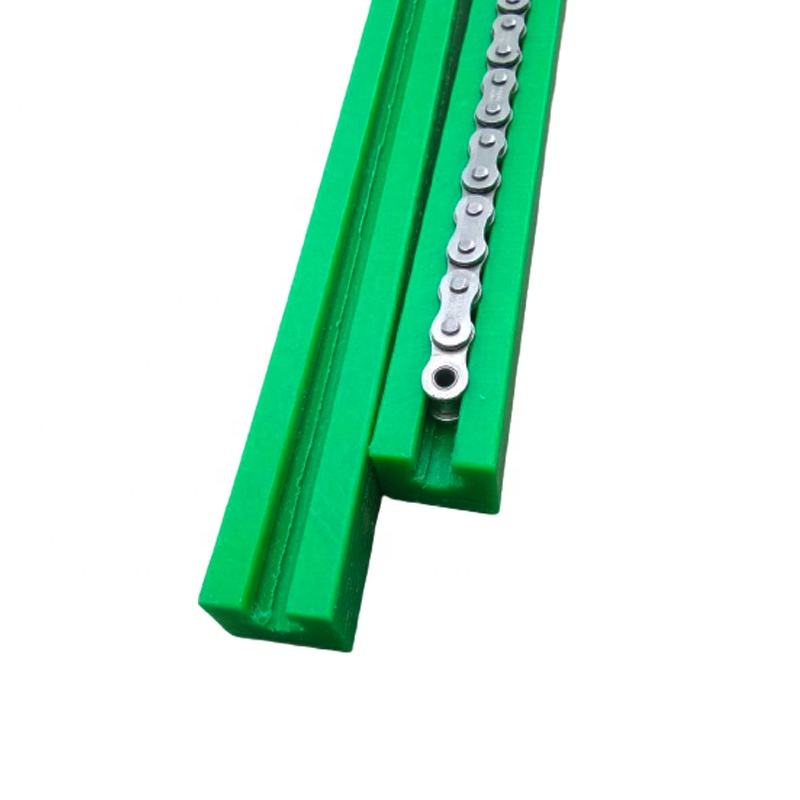
Successful Plastic Guide selection starts with a clear understanding of system performance goals. Whether the priority is speed, precision, durability, or noise reduction, the Plastic Guide must support those objectives.
Engineers should evaluate material, load capacity, environmental resistance, and wear behavior together rather than in isolation. This holistic approach ensures the Plastic Guide contributes positively to overall system efficiency.
Aligning selection criteria with performance goals leads to better engineering outcomes and long-term operational success.
Building Reliable Systems Through Smart Plastic Guide Selection
The Plastic Guide is a small component with a large impact on system performance. Thoughtful selection helps engineers achieve smoother motion, longer service life, and lower maintenance cost.
By understanding application requirements, material behavior, and environmental conditions, engineers can make informed decisions that enhance reliability and efficiency. A well-chosen Plastic Guide supports not only immediate functionality but also the long-term success of the entire system.