
- December 1, 2025
- Posted by: feinuojixie
- Category: Chain Guides News
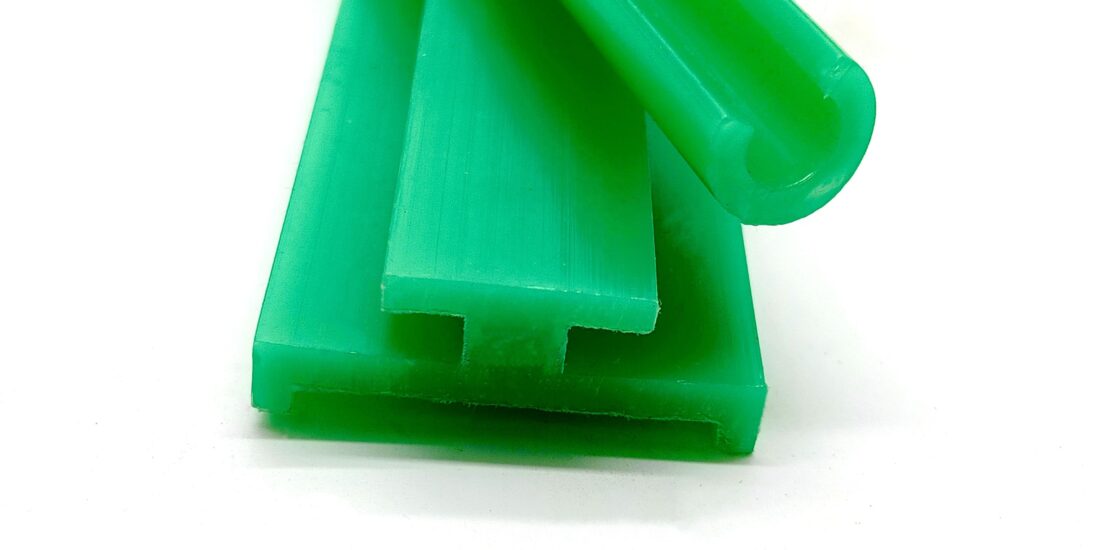
A reliable roller chain guide plays a crucial role in ensuring that machinery runs smoothly, efficiently, and safely. As production lines move faster and equipment becomes more automated, the stability of each chain segment becomes increasingly important. A high-performing guide helps the chain move along a precise path, reducing friction and limiting unnecessary contact with surrounding components. This not only contributes to a quieter working environment but also allows machines to run at higher speeds without compromising safety or durability. In today’s competitive industrial landscape, improved operational efficiency often depends on small yet significant components such as a well-designed roller chain guide.
Understanding the Role of a Roller Chain Guide in Power Transmission
A roller chain guide serves as a critical support element that ensures the chain maintains accurate alignment throughout its motion. By providing a stable track, the guide minimizes side-to-side movement and prevents the chain from drifting off its intended path. This alignment reduces mechanical stress on sprocket teeth, chain link plate, and connecting pins. It also prevents premature wear caused by vibration, friction, or misalignment. In power transmission systems where consistency is essential, a properly designed roller chain guide ensures smooth energy transfer and reliable operation over long production cycles.
Key Features That Define a High-Quality Roller Chain Guide
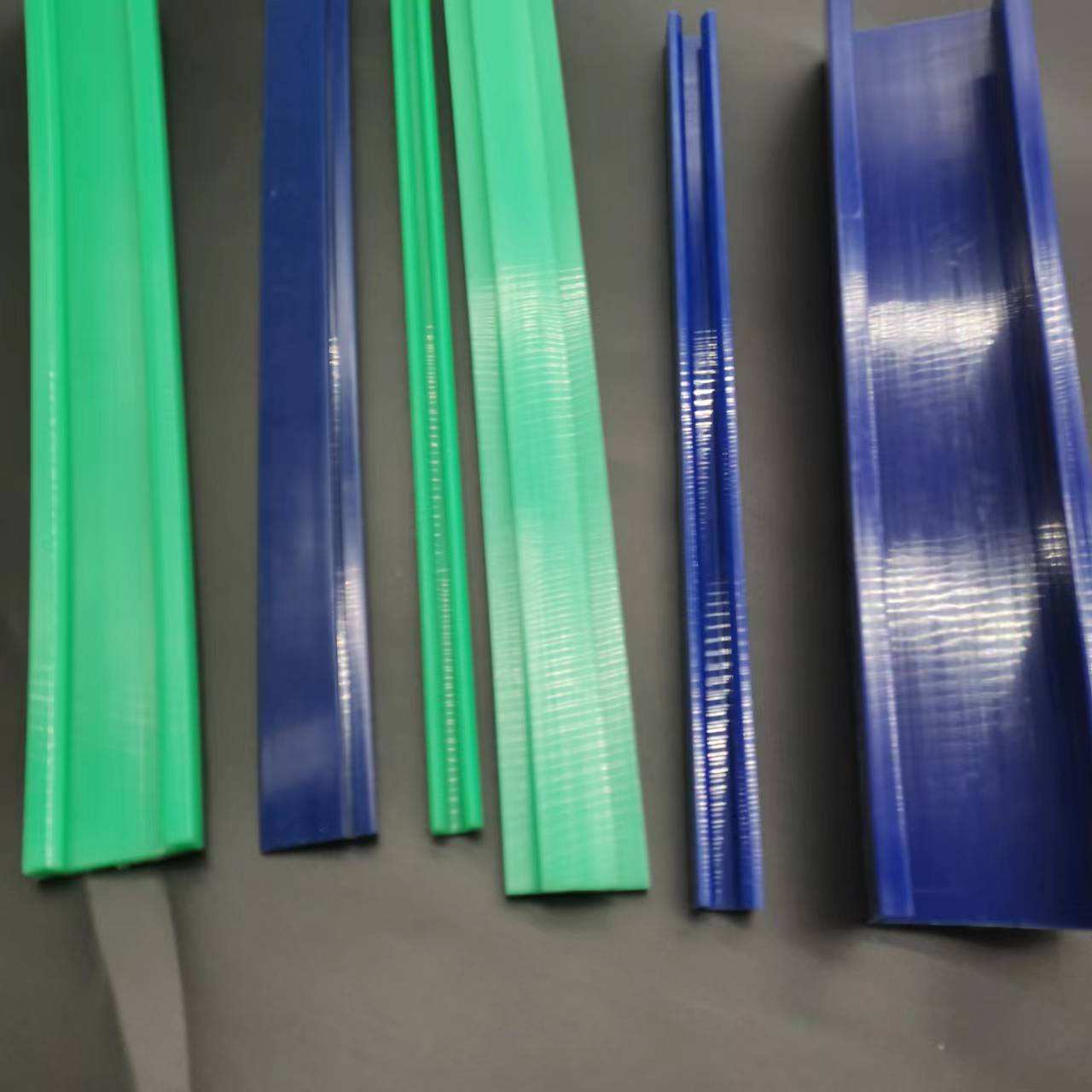
A high-quality roller chain guide is defined by the properties of its material and its structural precision. Materials such as UHMW and engineered plastic provide low friction surfaces that help reduce drag while resisting wear. Chemical stability ensures the guide performs consistently in environments exposed to oils, coolants, or cleaning agents. Dimensional accuracy is equally important because even small deviations can lead to misalignment or chain instability. A robust guide also withstands heat exposure and mechanical impact, making it suitable for demanding applications where heavy chain loads and continuous operation are common.
How a Roller Chain Guide Improves Smooth Operation
Smooth operation depends on controlled chain movement, and a roller chain guide significantly improves this stability. By reducing vibration, the guide keeps the chain seated firmly in place, preventing unpredictable skipping during motion. It also helps maintain consistent tension along the chain path, which reduces micro-collisions between pins, rollers, and link plate. This increased stability minimizes shock loads and allows the entire power transmission system to perform at a more consistent speed. When machinery runs smoothly, wear is reduced, efficiency increases, and maintenance needs drop dramatically.
Why a Roller Chain Guide Significantly Reduces Noise
Noise in chain-driven systems typically originates from rattling, chain slapping, or direct metal-to-metal contact. A roller chain guide eliminates many of these noise sources by providing a steady channel for the chain to move through. By supporting the chain from both sides, the guide reduces the uncontrolled motion that causes most operational noise. The contact surface also absorbs vibration, further lowering sound levels during high-speed cycles. In well-optimized setups, operators often notice a significant reduction in environmental noise, creating safer and more comfortable working conditions.
How a Roller Chain Guide Enhances Operating Speed
A stable chain can endure higher operating speeds without risk of derailment or excessive wear. The roller chain guide plays a key role in providing this stability by keeping the chain aligned during rapid acceleration or continuous high-speed cycles. When the chain remains firmly on track, the system can run at higher RPM without compromising reliability. This improvement directly increases production throughput, allowing manufacturers to meet high output demands. In many automated systems, the guide is the component that makes ultra-fast and continuous motion possible.
Types of Roller Chain Guide and Their Best Use Cases
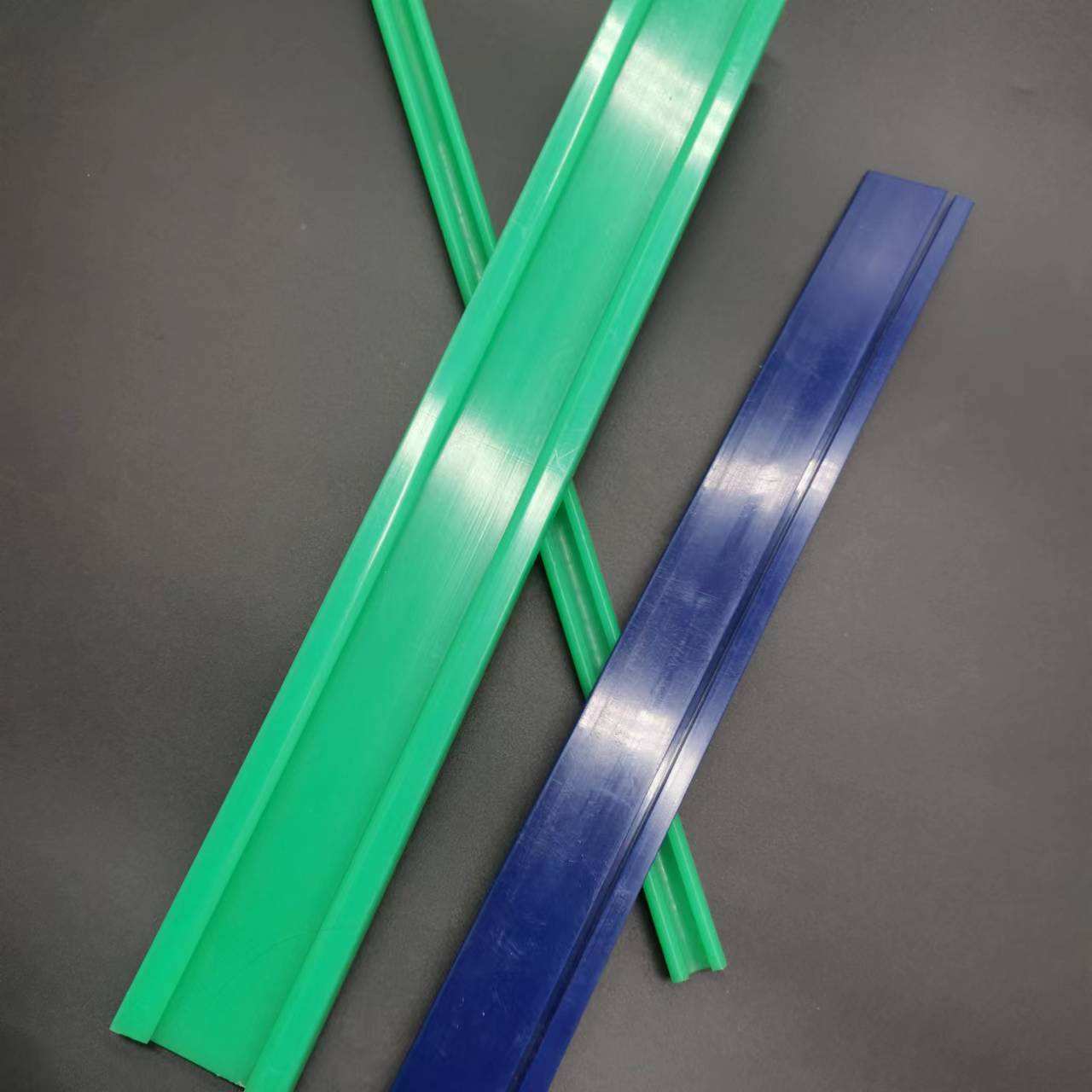
A roller chain guide is available in several configurations to suit different operating environments. A standard UHMW guide is commonly used for general-purpose applications due to its excellent wear resistance and low-friction characteristics. High-performance engineered plastic provides better heat tolerance and durability, making it ideal for demanding or high-speed machinery. Aluminum-backed guides combine the structural strength of metal with the low friction of plastic, providing superior stability. For machines with compact designs or unconventional chain paths, a custom-shaped guide ensures proper performance even in tight or complex layouts.
Choosing the Right Roller Chain Guide for Your Equipment
Selecting the right roller chain guide involves evaluating several factors, including load, speed, temperature, and environmental exposure. For high-load equipment, a stronger material grade or aluminum-backed guide may be necessary. High-speed applications require low-friction surfaces that prevent heat buildup. Chain size must match the guide precisely to ensure proper fit. Environmental factors such as moisture, dust, or chemical exposure also influence material choice. By understanding these conditions, engineers can choose a guide that offers long-term reliability and minimal maintenance requirements.
Common Problems Solved by a High-Quality Roller Chain Guide
Many issues in chain-driven systems originate from poor guidance or lack of alignment. A high-grade roller chain guide solves excessive wear by reducing friction and minimizing contact with surrounding components. It also prevents frequent misalignment, a common cause of downtime and safety risks. Maintenance cost decreases as the chain and sprocket experience less stress and require fewer replacements. In systems prone to chain derailment or operational instability, the guide provides essential control that ensures reliable and safe operation.
Maintenance Tips to Extend the Lifespan of Your Roller Chain Guide
Proper maintenance ensures that the roller chain guide performs at its best for as long as possible. Regular inspection allows operators to detect early signs of wear or deformation. Cleaning the guide prevents debris buildup, which can cause friction or chain interference. In applications where lubrication is required, applying the correct lubricant helps reduce friction between the chain and guide surface. Operators should also watch for indicators such as unusual noise, chain drift, or visible wear marks that suggest the guide may need replacement.
Future Trends in Roller Chain Guide Technology
As industrial systems evolve, roller chain guide technology continues to advance. Modern materials feature improved wear resistance, heat tolerance, and lower friction coefficients. Self-lubricating surfaces are increasingly used to reduce maintenance needs, especially in high-speed or hard-to-access equipment. Advanced systems may integrate smart sensors that monitor wear, vibration, or temperature in real time, allowing predictive maintenance and minimizing downtime. These innovations highlight the growing importance of precise chain guidance in next-generation manufacturing environments.
A Roller Chain Guide as a Small Component with Big Impact
A roller chain guide may appear to be a small part of a large machine, but its impact on performance, durability, and efficiency is significant. By providing smooth, stable, and quiet chain movement, it enhances the reliability of the entire system. Choosing a high-quality guide and maintaining it properly allows factories to operate at higher speeds, reduce operational noise, and lower maintenance costs. For any business seeking long-term performance and efficiency, investing in the right roller chain guide is a smart and valuable decision.