
- September 24, 2025
- Posted by: feinuojixie
- Category: Chain Guides News
Roller chains play a fundamental role in a vast array of mechanical systems, acting as a crucial link in power transmission. They are widely utilized across numerous industries, from heavy – duty industrial machinery to everyday transportation vehicles. The ability to maximize the lifespan of a roller chain is not only essential for ensuring the smooth operation of equipment but also for minimizing maintenance costs and preventing unexpected breakdowns. This guide aims to provide you with in – depth knowledge and practical tips to help you get the most out of your roller chain.
What is a Roller Chain?
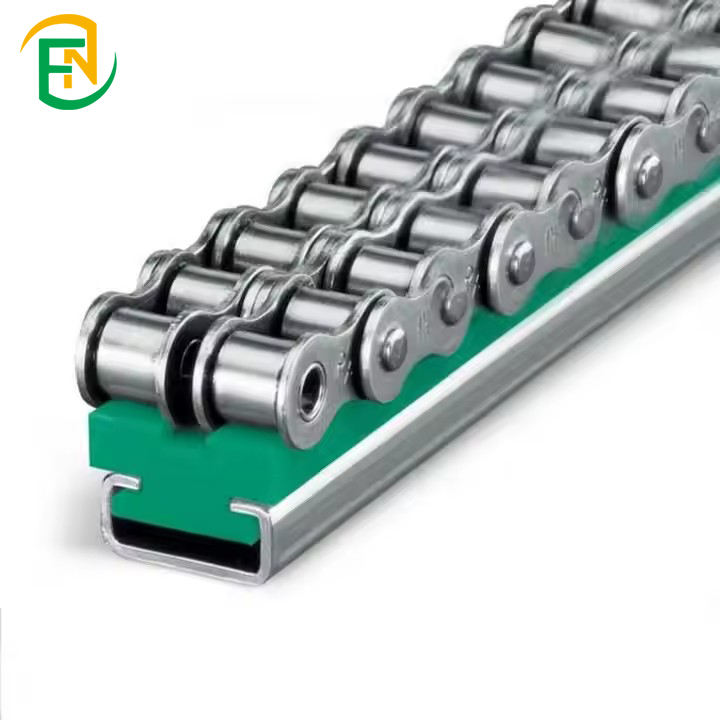
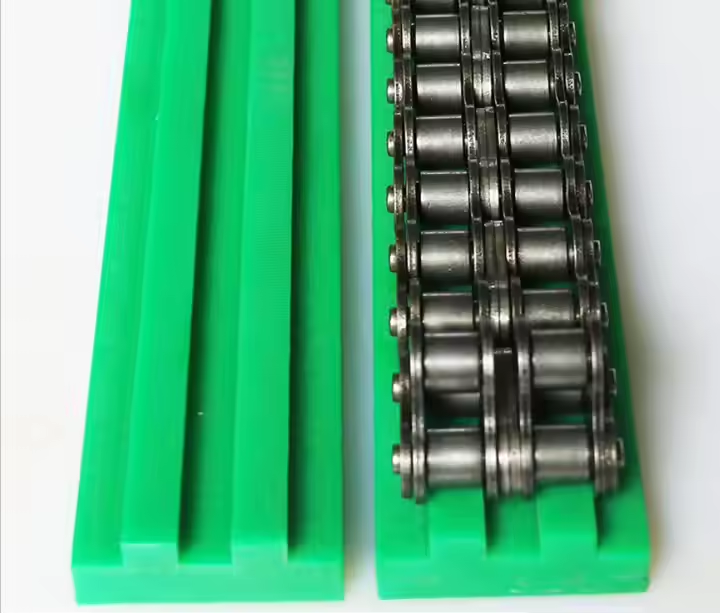
A roller chain is a type of power transmission device consisting of several key components. At its core, it has a series of cylindrical rollers that are connected by pins. These rollers are housed within bushings, which in turn are held in place by outer and inner plates. The rollers are designed to freely rotate on the pins, allowing the chain to move smoothly over sprockets. When a sprocket is driven by a power source, such as an engine or a motor, the teeth of the sprocket engage with the rollers of the chain. As the sprocket rotates, it pulls the chain along, and this motion is then transferred to another sprocket or a driven component, effectively transmitting power from one part of a mechanical system to another. This simple yet efficient design makes roller chains highly versatile and suitable for a wide range of applications.
Common Applications
In the industrial manufacturing sector, roller chains are used in conveyor systems that transport materials along an assembly line. For example, in a food processing factory, roller chains are used to move products from one processing station to another. They are also found in machine tools, where they help in the movement of workpieces and the operation of various mechanical components.
In transportation, roller chains are a vital part of motorcycles. The chain connects the engine’s output shaft to the rear wheel, transferring the power generated by the engine to propel the motorcycle forward. In some bicycles, especially those with multiple gears, roller chains are used to transmit power between the pedals and the rear wheel, allowing for different gear ratios.
In the agricultural industry, roller chains are used in a variety of farm machinery. Tractors often use roller chains in their power take – off (PTO) systems, which transfer power from the tractor’s engine to implements such as mowers, balers, and tillers. Combine harvesters also rely on roller chains to move harvested crops through the machine for threshing and cleaning.
The Lifespan Factor of Roller Chains
Quality of Materials
The materials used in manufacturing roller chains are fundamental to their lifespan. Most roller chains are made from steel, but the type and quality of steel can vary significantly. High – quality alloy steels, for example, offer enhanced strength and wear resistance compared to standard carbon steels. These alloys are often heat – treated to further improve their mechanical properties. The pins, which are crucial for connecting the components of the chain, need to be made from a material that can withstand the shear forces and repeated stress during operation. If the pins are made from low – quality steel, they may bend or break prematurely, leading to chain failure. Similarly, the rollers and bushings must be made from materials that can reduce friction and resist wear. Stainless steel is sometimes used in applications where corrosion resistance is a priority, such as in food processing or marine environments. However, stainless steel chains may not have the same high – strength characteristics as some alloy steel chains, so the choice of material must be carefully considered based on the specific requirements of the application.
Operating Conditions
Operating conditions have a profound impact on the wear and fatigue of roller chains. Temperature is a critical factor. High – temperature environments can cause the lubricant to break down more quickly, increasing friction between the chain components. This can lead to accelerated wear of the rollers, bushings, and pins. In extreme cases, high temperatures can also cause the material properties of the chain to change, reducing its strength. For example, in some industrial furnaces where the ambient temperature is very high, special heat – resistant chains and lubricants are required.
Humidity is another factor. Moisture in the air can cause corrosion, especially if the chain is made of steel. Corrosion weakens the chain’s components, making them more prone to failure. In humid environments, using a chain with a corrosion – resistant coating or a stainless – steel chain can be beneficial.
The load that the chain is required to carry is also crucial. Excessive or uneven loads can cause the chain to stretch, leading to improper meshing with the sprockets. This can result in increased wear and eventually chain breakage. Additionally, shock loads, such as those experienced in machinery that starts and stops suddenly, can cause fatigue failure in the chain. The chain must be designed to handle the maximum anticipated load in its application to ensure a long lifespan.
Installation and Alignment
Proper installation and alignment of the roller chain are essential for its longevity. When installing a roller chain, it is crucial to ensure that the sprockets are perfectly aligned. Misaligned sprockets can cause the chain to run unevenly, leading to increased stress on certain parts of the chain. This uneven stress distribution results in premature wear, as some rollers, bushings, or pins will experience more friction and load than others.
To achieve proper alignment, the axes of the sprockets should be parallel, and the chain should be centered on the sprockets. Tools such as alignment gauges can be used to check and adjust the alignment during installation. Additionally, the chain tension must be set correctly. If the chain is too loose, it can sag, causing it to jump off the sprockets or to experience excessive vibration. On the other hand, if the chain is too tight, it will be under constant high stress, which can lead to premature fatigue and wear. Manufacturers usually provide guidelines on the correct tension for a particular chain and application. Finally, applying the right lubricant during installation can also help reduce initial friction and protect the chain components from damage, thus contributing to a longer lifespan.
Maintenance: The Key to Prolonging Roller Chain Life
Regular maintenance is the cornerstone of ensuring a long – lasting roller chain. By following a consistent maintenance routine, you can significantly extend the life of your chain, prevent unexpected breakdowns, and reduce maintenance costs.
Regular Cleaning
Cleaning your roller chain at regular intervals is essential. Dirt, dust, and other impurities can accumulate on the chain over time. These particles act as abrasives, increasing the friction between the chain components such as the rollers, bushings, and pins. This accelerated friction leads to premature wear and can ultimately shorten the chain’s lifespan.
The frequency of cleaning depends on the operating environment. In a relatively clean indoor environment, such as in an office – based conveyor system, cleaning the chain once every few months may be sufficient. However, in a dirty industrial environment, like a mining site or a construction area, the chain may need to be cleaned weekly or even more frequently.
To clean the chain, first, remove it from the machinery if possible. Use a suitable solvent, such as a degreaser specifically designed for metal parts. Apply the solvent to the chain, and then use a soft – bristled brush to gently scrub away the dirt and grime. Make sure to reach all parts of the chain, including the rollers, the spaces between the plates, and the pins. After scrubbing, rinse the chain thoroughly with clean water and allow it to dry completely before reinstalling it and applying lubricant.
Lubrication: Dos and Don’ts
Proper lubrication is crucial for the smooth operation and longevity of a roller chain. Lubricant serves multiple purposes. It reduces friction between the moving parts of the chain, which in turn minimizes wear. Additionally, it helps to prevent corrosion by forming a protective barrier on the surface of the chain components.
When choosing a lubricant, consider the operating conditions of the chain. For high – speed applications, a low – viscosity lubricant is often recommended as it can flow easily and reach all the necessary parts. In high – temperature environments, a heat – resistant lubricant is essential to prevent it from breaking down. There are also lubricants designed for use in wet or corrosive environments, which contain anti – corrosion additives.
The correct way to lubricate a roller chain is to apply the lubricant evenly along the entire length of the chain while it is in operation. This allows the lubricant to be distributed effectively between the rollers, bushings, and pins. Avoid over – lubricating, as excess lubricant can attract more dirt and debris, which is counterproductive. Also, make sure to use a lubricant that is compatible with the materials of the chain and the sprockets. Some lubricants may react with certain types of metals, causing damage over time.
Inspection for Wear and Tear
Regular inspection of the roller chain for signs of wear and tear is an important part of maintenance. Start by visually examining the chain links. Look for any signs of elongation, which can be indicated by an increase in the distance between the pins. Elongated chains may cause problems with meshing on the sprockets and can lead to slippage.
Check the rollers for any signs of flattening or excessive wear. Flattened rollers can cause the chain to run unevenly and increase stress on the other components. Inspect the pins as well. They should be straight and free from any signs of bending or cracking. Cracks in the pins can be a serious issue, as they may lead to chain failure.
It’s also a good idea to check the condition of the bushings. Worn – out bushings can result in increased play between the rollers and the pins, which affects the performance of the chain. Use a caliper or other measuring tools to check the dimensions of the chain components periodically. Comparing the measured values with the manufacturer’s specifications can help you determine if the chain is still within the acceptable wear limits. If you notice any significant signs of wear or damage, it may be time to consider replacing the chain to avoid unexpected breakdowns.
Troubleshooting Common Roller Chain Issues
Even with proper maintenance, roller chains may encounter problems over time. Being able to identify and troubleshoot these issues promptly can prevent further damage and costly repairs.
Excessive Noise and Vibration
One of the most noticeable problems with roller chains is excessive noise and vibration during operation. This can be caused by several factors. Loose components are a common culprit. If the chain is not properly tensioned or if the sprockets are not tightly secured, it can lead to movement and impact between the chain and the sprockets, resulting in noise and vibration.
Worn – out components also contribute to this issue. As the rollers, bushings, or pins wear down, the chain’s smooth movement is disrupted. The uneven surfaces cause the chain to jolt and create noise as it moves over the sprockets. Additionally, insufficient lubrication can increase friction between the chain components, leading to a noisy operation.
To address these problems, start by checking the chain tension. Adjust it according to the manufacturer’s specifications. Inspect the sprockets for any signs of looseness and tighten them if necessary. For worn – out components, replace the affected parts. Regularly lubricating the chain with the appropriate lubricant can also significantly reduce noise and vibration by minimizing friction.
Chain Slippage
Chain slippage is another common problem that can disrupt the operation of machinery. There are several reasons why chains slip. One of the main causes is elongation due to wear. Over time, the pins and bushings in the chain wear, causing the chain to stretch. A stretched chain may not properly engage with the sprockets, leading to slippage.
Uneven loading can also cause chain slippage. If the load on the chain is not evenly distributed, certain parts of the chain may experience more stress than others. This can lead to uneven wear and eventually cause the chain to slip. Additionally, a misaligned sprocket can cause the chain to run off – center, increasing the likelihood of slippage.
To prevent chain slippage, regularly check the chain for elongation. If the chain has stretched beyond the acceptable limit, it should be replaced. Ensure that the load on the chain is evenly distributed. This may involve adjusting the way the load is applied or using additional components to distribute the load more evenly. Also, make sure that the sprockets are properly aligned. Using alignment tools during installation and periodic checks can help maintain proper alignment. If slippage has already occurred, first identify the root cause. If it’s due to elongation, replacing the chain is the best solution. If it’s a misalignment issue, realign the sprockets to correct the problem.
Upgrading and Replacement: When to Make the Move
Knowing when to upgrade or replace your roller chain is crucial for maintaining the efficient operation of your machinery. Making the right decision at the right time can prevent costly breakdowns and ensure optimal performance.
Signs that It’s Time for a Change
Several signs indicate that it’s time to replace your roller chain. One of the most obvious signs is severe wear. Examine the rollers, bushings, and pins for excessive wear. If the rollers are flattened or have significant grooves, it’s a clear indication that the chain has been subjected to excessive friction and is no longer functioning properly.
Elongation is another critical factor. Over time, the pins and bushings in the chain wear, causing the chain to stretch. Most manufacturers specify a maximum allowable elongation for their chains. For example, a common limit is around 3% elongation. If the chain has stretched beyond this limit, it can cause problems with meshing on the sprockets, leading to slippage and reduced power transmission efficiency. Measuring the chain length regularly with a measuring tape or a specialized chain measuring tool can help you detect elongation early.
Visible damage such as cracks in the plates or pins is also a definite sign that replacement is necessary. Cracks can quickly lead to chain failure, especially under high – load conditions. Additionally, if the chain frequently jumps off the sprockets or makes abnormal noises even after proper tension adjustment and lubrication, it may be too worn out and should be replaced.
Choosing the Right Replacement Chain
When it comes to choosing a replacement roller chain, several factors need to be considered. First and foremost is the load requirement. You need to determine the maximum load that the chain will be required to carry in your application. This includes both the static load (the weight of the objects being moved when the machinery is at rest) and the dynamic load (the additional forces exerted during operation, such as acceleration and deceleration). Using a chain with a load – rating lower than the actual load can lead to premature failure. Manufacturers provide load – rating specifications for their chains, and it’s essential to select a chain that can handle the expected load with a sufficient safety margin.
The operating speed of the machinery is also important. High – speed applications require chains that can operate smoothly and with minimal vibration. Chains designed for high – speed use often have special features, such as precision – engineered components to reduce friction and improve balance.
The environment in which the chain will operate is another key consideration. In corrosive environments, such as those with high humidity or exposure to chemicals, a stainless – steel chain or a chain with a corrosion – resistant coating is necessary. In high – temperature environments, heat – resistant chains and lubricants must be used. For example, in a bakery where the chain is exposed to high heat from ovens, a heat – resistant chain made of special alloys and a high – temperature – resistant lubricant will be required to ensure proper operation and longevity. Additionally, if the chain will be operating in a dusty or dirty environment, a chain with sealed components to prevent the ingress of contaminants may be a good choice.
Your Roller Chain, Your Long-Term Investment
Recap of Key Points
Throughout this guide, we’ve explored a comprehensive range of strategies to enhance the lifespan of your roller chain. We began by understanding the fundamental structure and diverse applications of roller chains, which is crucial as it forms the basis for all subsequent maintenance and operational considerations. The factors influencing chain lifespan, such as the quality of materials, operating conditions, and proper installation and alignment, are not just theoretical concepts but practical aspects that directly impact the chain’s performance.
Regular maintenance, including cleaning, lubrication, and inspection, is the cornerstone of a long – lasting roller chain. Cleaning removes abrasive particles, lubrication reduces friction and corrosion, and inspection helps in early detection of wear and damage. When issues like excessive noise, vibration, or chain slippage arise, being able to troubleshoot them promptly can prevent further damage and costly repairs. Finally, knowing when to replace the chain and choosing the right replacement based on load requirements, operating speed, and the environment is essential for maintaining the efficiency of your machinery.
Final Thoughts on Roller Chain Care
Caring for your roller chain is not just a short – term fix but a long – term investment. A well – maintained roller chain can significantly reduce the risk of unexpected breakdowns, which can lead to costly production downtime. By following the guidelines in this guide, you can ensure that your roller chain operates at its best for an extended period. Remember, a reliable roller chain is the key to the smooth operation of your machinery, whether it’s in a manufacturing plant, on a farm, or in a transportation vehicle. Make the commitment to proper roller chain care, and you’ll reap the benefits in terms of both cost savings and the long – term reliability of your equipment.