
- July 28, 2025
- Posted by: feinuojixie
- Category: Chain Guides News
No Comments
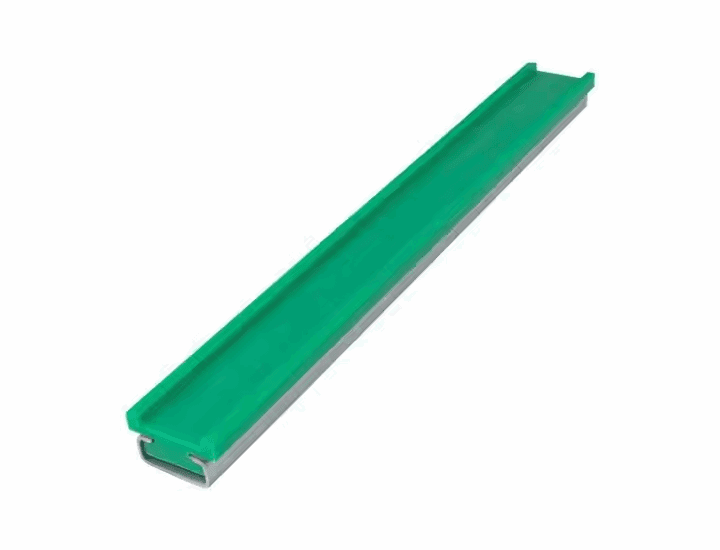
In industrial and mechanical systems, even the smallest components can have a disproportionate impact on overall performance. Among these unsung heroes, chain guides play a pivotal role in ensuring smooth, efficient operation of chain-driven machinery. This article explores how high-performance chain guides act as a cornerstone for enhancing machinery efficiency, reducing downtime, and maximizing operational lifespan. We’ll delve into their functional importance, key advantages, selection criteria, maintenance tips, and real-world applications, providing a comprehensive guide for engineers, maintenance professionals, and industrial operators.
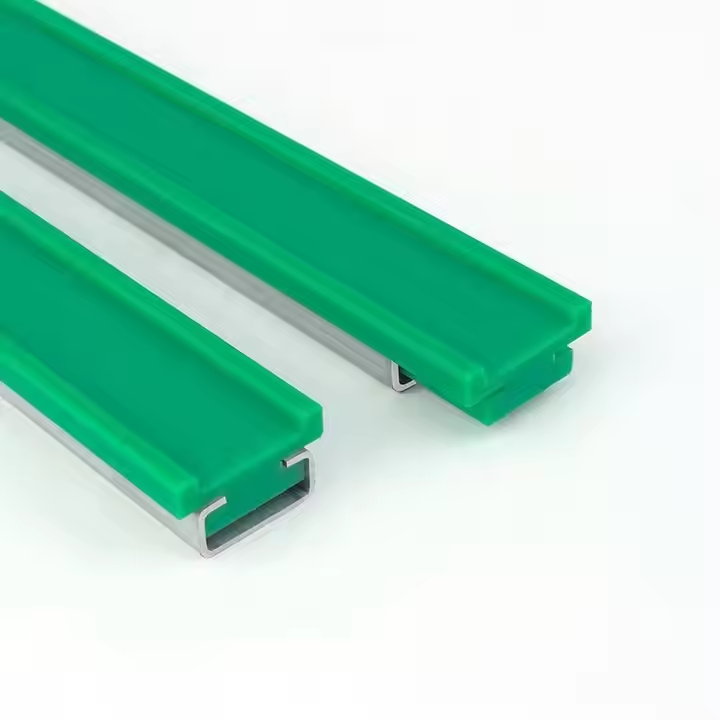
How Chain Guides Influence Machinery Efficiency
The Basics of Chain Guide Functionality
Chain guides are mechanical components designed to support, direct, and stabilize chains in power transmission systems. They maintain proper chain alignment, minimize lateral movement, and control contact with sprockets and other components. By providing a stable path for the chain, they ensure consistent power transfer and reduce energy loss caused by misalignment or excessive vibration.
Key Mechanisms of Efficiency Enhancement
- Friction Reduction: High-quality chain guides feature low-friction surfaces that minimize energy waste as the chain moves along its path. This not only boosts operational efficiency but also lowers heat generation, which can degrade chain performance over time.
- Misalignment Prevention: Properly designed chain guides keep the chain centered on sprockets, preventing issues like chain derailment, uneven wear, and increased stress on drivetrain components. This consistency is vital for maintaining steady power output and avoiding costly disruptions.
- Lifespan Extension: By reducing wear and tear on both the chain and connected components, chain guides contribute to longer equipment lifespans. This means fewer replacements, lower maintenance costs, and less downtime for component swaps.
Advantages of High-Performance Chain Guides Over Standard Models
Material Innovations for Durability and Performance
- Engineering Polymers: Modern chain guides often use advanced polymers like acetal, nylon, or polyurethane. These materials offer excellent wear resistance, chemical tolerance, and low moisture absorption, making them suitable for harsh industrial environments. Unlike metal guides, they also reduce noise and vibration without sacrificing strength.
- Composite Materials: Some high-performance guides incorporate composite materials with added fillers such as glass fiber or molybdenum disulfide. These enhancements improve load-bearing capacity, dimensional stability, and lubrication properties, further optimizing chain movement and reducing friction.
Design Optimizations for Specific Applications
- Contoured Profiles: Custom-engineered guide profiles match the chain’s geometry to ensure seamless contact and smooth transitions around bends or direction changes. This design precision minimizes stress concentrations and allows for higher operational speeds without compromising stability.
- Adjustable Components: Many high-performance guides feature adjustable mounting systems, enabling fine-tuning of chain tension and alignment during installation or maintenance. This adaptability is crucial in systems where component wear or thermal expansion may affect chain position over time.
Performance Metrics Comparison
- Efficiency Gains: Studies show that upgrading to high-performance chain guides can improve power transmission efficiency by 5-10% compared to standard models, depending on the application. This translates to lower energy consumption and reduced operational costs over the long term.
- Downtime Reduction: By minimizing chain-related failures, these guides can cut unplanned downtime by up to 30%, a critical benefit for continuous production environments where every minute of downtime carries significant financial impact.
Choosing the Right High-Performance Chain Guides for Your System
Assessing Application Requirements
- Environmental Factors: Consider operating temperature, humidity, exposure to chemicals, and particulate matter. For example, in food processing plants, guides must be made from food-grade materials resistant to cleaning agents, while in mining equipment, they need to withstand heavy loads and abrasive dust.
- Load and Speed Parameters: Higher load capacities and operating speeds require guides with superior mechanical properties, such as higher tensile strength and impact resistance. Engineers should consult manufacturer specifications to match guide materials and designs to their system’s dynamic load profiles.
Key Selection Criteria
- Material Compatibility: Ensure the guide material is compatible with the chain type (e.g., roller chains, silent chains) and any lubricants used in the system. Some polymers may degrade when exposed to certain oils or greases, so proper material selection is essential for long-term performance.
- Design Fitment: Check that the guide’s dimensions, mounting points, and profile match the existing drivetrain layout. Custom-designed guides may be necessary for unique or older machinery configurations to ensure optimal alignment and support.
Manufacturer and Supplier Considerations
- Engineering Expertise: Partner with suppliers that offer technical support for guide selection, including application analysis and prototyping services. Their expertise can help identify the best solutions for complex or specialized systems.
- Quality Assurance: Look for guides that meet industry standards (e.g., ISO certifications) and undergo rigorous testing for wear, impact, and thermal resistance. Reputable manufacturers often provide performance data and case studies to validate their products’ effectiveness.
Maintenance Strategies to Prolong Guide Performance
Regular Inspection Protocols
- Visual Checks: Routinely inspect guides for signs of wear, such as surface scratches, cracks, or deformation. Pay close attention to contact areas with the chain, as these are most susceptible to damage.
- Alignment Checks: Use laser alignment tools or mechanical gauges to ensure guides remain properly positioned relative to sprockets and chain paths. Misalignment can develop over time due to equipment vibration or component wear.
Lubrication Best Practices
- Appropriate Lubricants: For guides that require lubrication (some self-lubricating polymers may not), use oils or greases recommended by the manufacturer. Over-lubrication can attract dirt and debris, while under-lubrication increases friction, so follow specified application intervals and quantities.
- Cleaning Procedures: Regularly remove accumulated debris from guide surfaces and chain paths. In dusty environments, air blowers or specialized cleaning tools can prevent abrasive particles from causing premature wear.
Replacement Timelines
- Scheduled Maintenance: Based on manufacturer recommendations and observed wear rates, establish a replacement schedule for chain guides. Proactive replacement before complete failure prevents cascading damage to chains, sprockets, and other components.
- Condition-Based Replacement: In systems equipped with condition monitoring sensors, use data on vibration levels, temperature, or power consumption to identify when guide performance is degrading, allowing for timely replacements during planned downtime.
Real-World Applications: Case Studies in Efficiency Gains
Case Study 1: Manufacturing Conveyor System
A food processing plant struggled with frequent chain derailments and excessive wear on its conveyor system, leading to regular downtime. By replacing standard metal guides with high-performance polymer guides featuring contoured profiles and self-lubricating properties, the plant achieved a 20% reduction in energy consumption, a 40% decrease in maintenance costs, and zero derailment incidents over a 12-month period.
Case Study 2: Heavy Machinery in Construction
A construction equipment manufacturer integrated high-strength composite chain guides into its excavator drivetrains. The new guides withstood the harsh conditions of dirt, moisture, and high loads, improving chain lifespan by 50% and reducing unplanned maintenance visits by 30%. This enhancement not only boosted equipment reliability but also strengthened the company’s reputation for durable machinery.
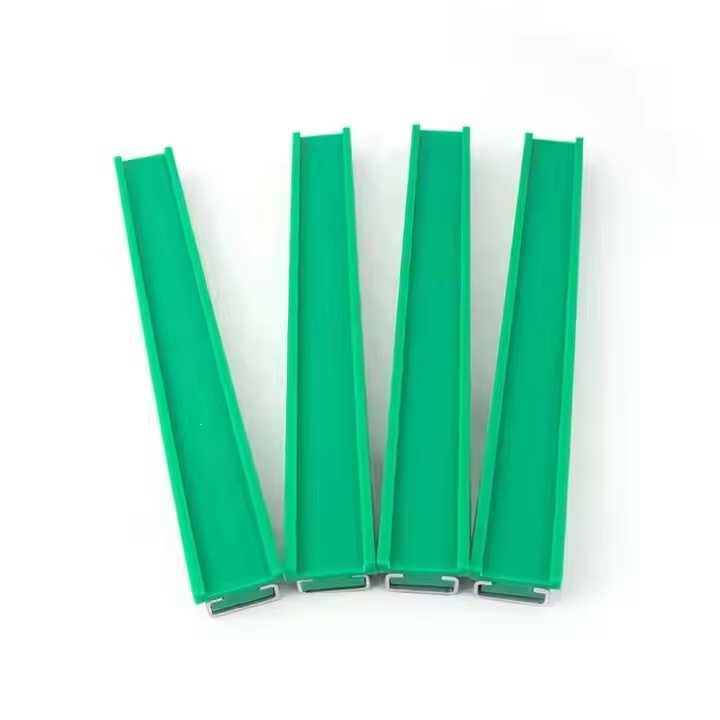
The Future of Chain Guide Technology: Innovations on the Horizon
Smart Guides with Integrated Sensors
Emerging technologies include chain guides embedded with sensors to monitor wear, temperature, and alignment in real time. This data can be transmitted to predictive maintenance systems, enabling proactive interventions and optimizing maintenance schedules based on actual component condition.
Sustainable Material Solutions
As environmental concerns grow, there’s a rising focus on developing chain guides from recycled polymers or bio-based materials without compromising performance. These eco-friendly options align with global sustainability goals while offering the same durability and efficiency benefits as traditional materials.
3D-Printed Custom Guides
Additive manufacturing allows for on-demand production of custom chain guides tailored to specific machinery requirements. This technology reduces lead times for replacement parts, especially for obsolete or uniquely designed systems, and enables rapid prototyping of new guide designs for testing and optimization.
Prioritizing High-Performance Chain Guides for Operational Excellence
High-performance chain guides are more than just auxiliary components—they are essential drivers of machinery efficiency, reliability, and longevity. By understanding their functional benefits, selecting the right designs for specific applications, and implementing proper maintenance practices, industries can unlock significant improvements in operational performance, cost savings, and uptime. As technology continues to advance, the role of these unassuming components will only grow more critical in driving the efficiency and sustainability of modern mechanical systems. Whether upgrading an existing setup or designing a new machinery platform, investing in high-quality chain guides is a strategic decision that pays dividends in enhanced performance and reduced total cost of ownership.